


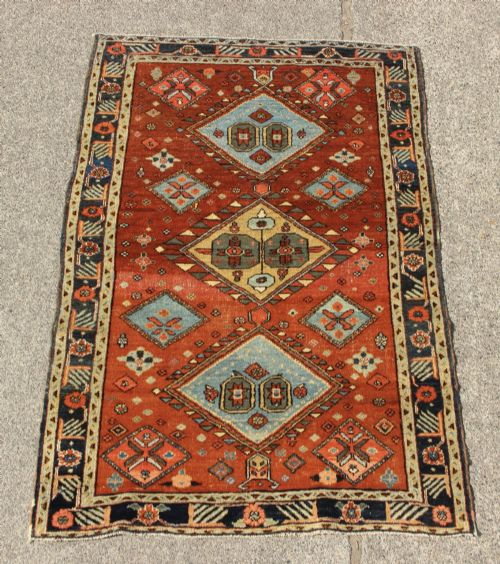
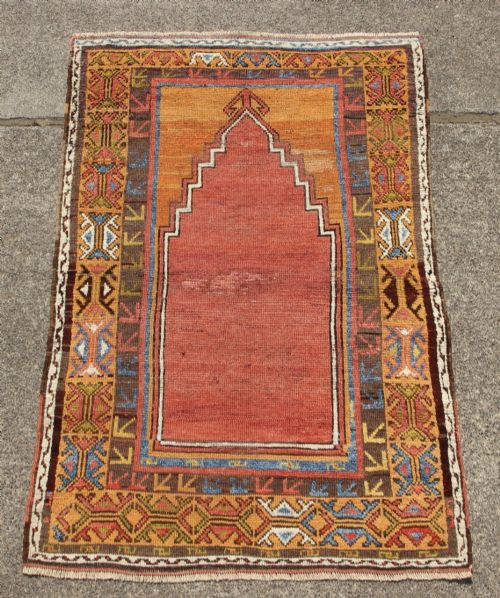
Terracotta Wool Tribal Rug
When you search for terracotta wool tribal rug, you are looking at tactile floor coverings woven by nomadic and village makers.
Terracotta Wool Tribal Rug
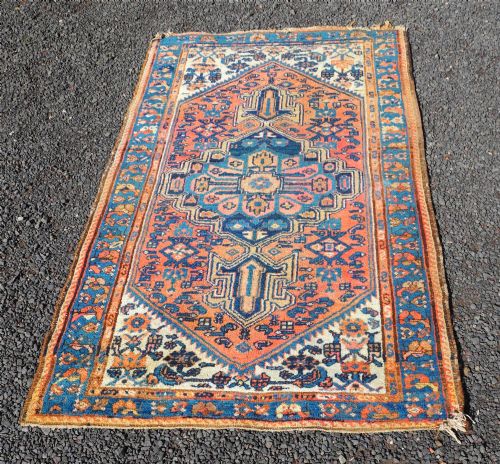
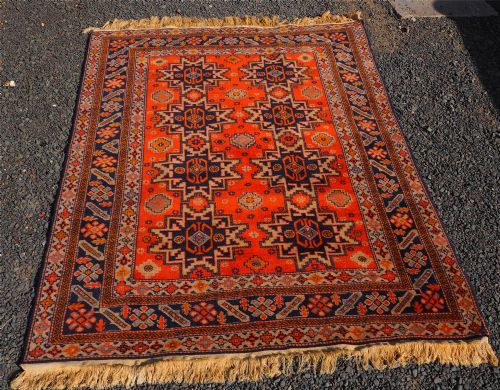
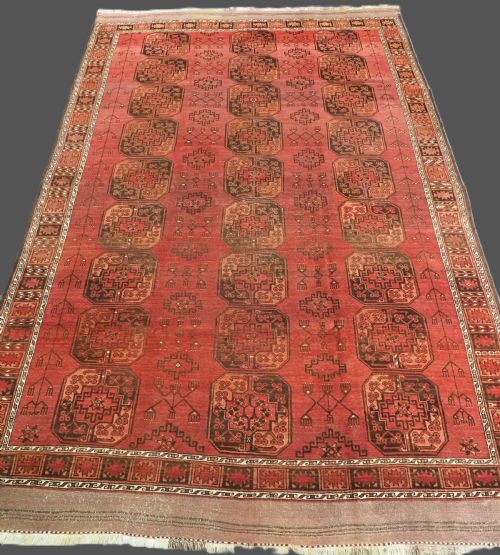
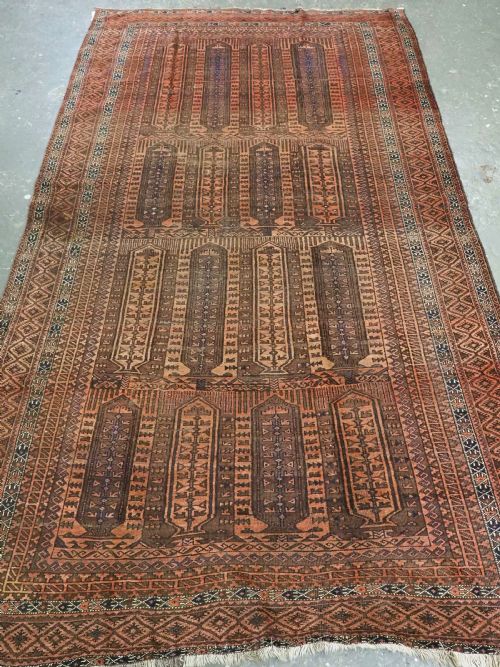
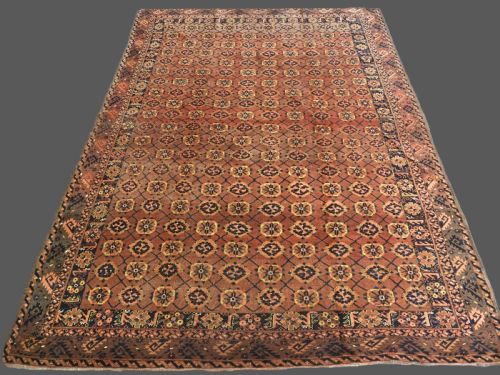
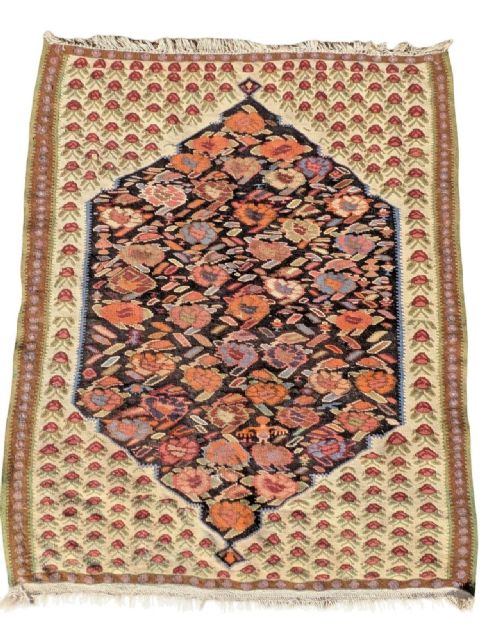
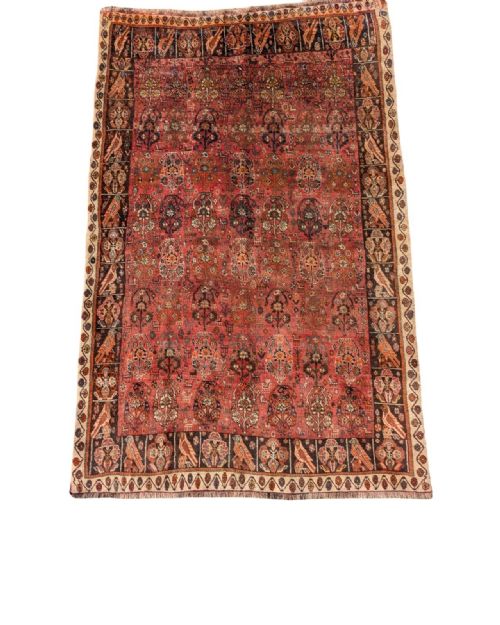
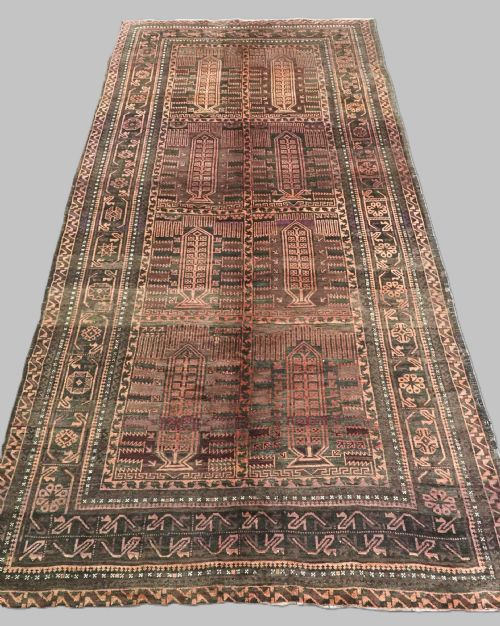
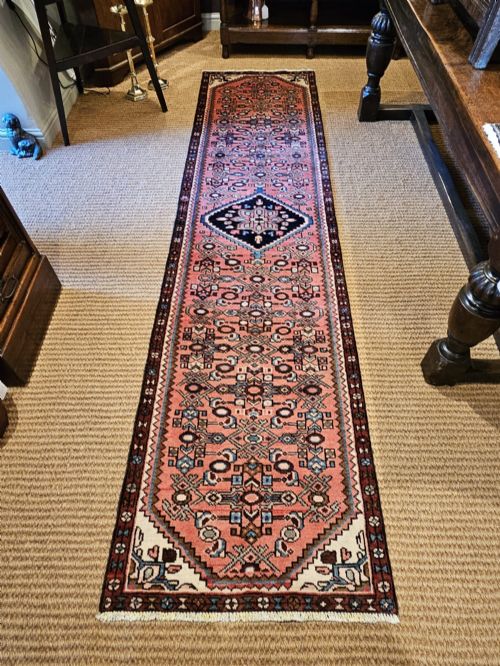
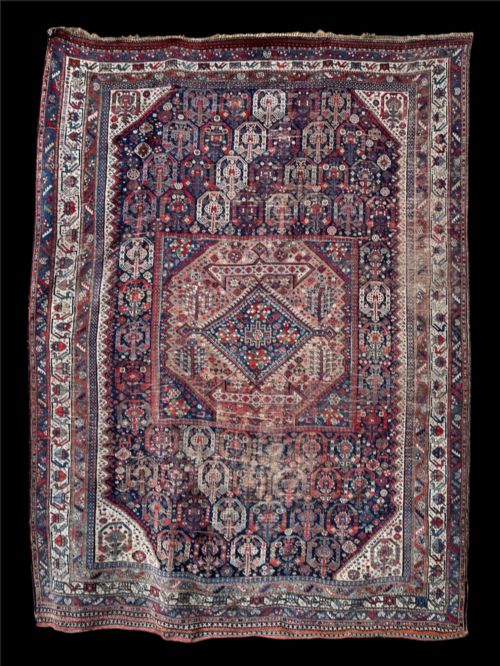
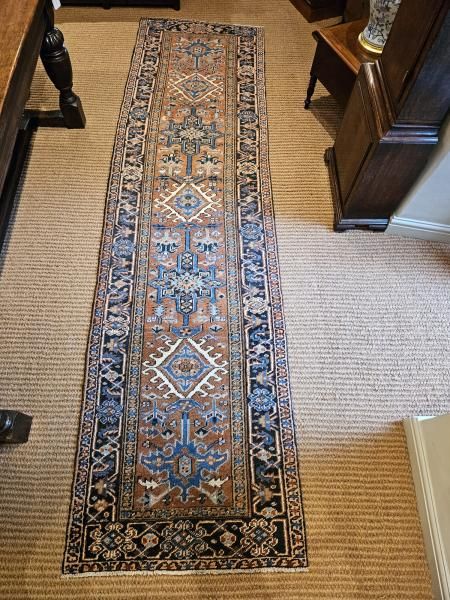
A terracotta wool tribal rug brings together earthy red tones and nomadic patterns produced across Persia, the Caucasus, and Central Asia. These textiles take forms such as area rugs, runners, saddle-bags, and prayer rugs originating from periods spanning the late nineteenth century into the early twentieth century.
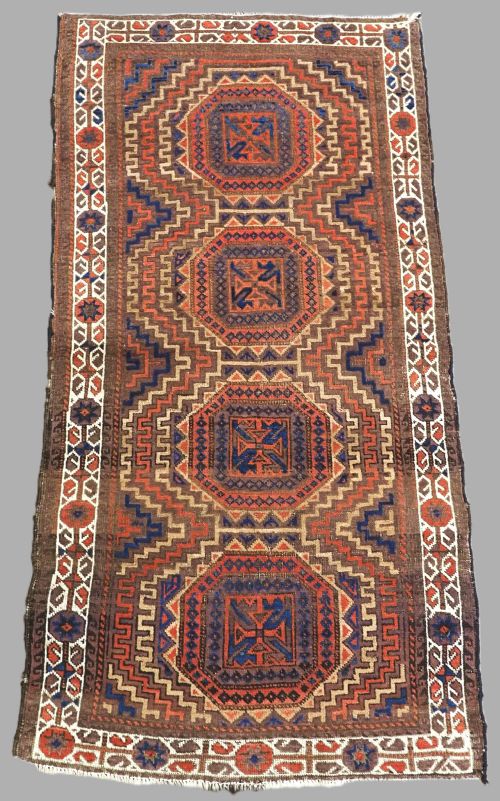
The pieces on this page lean heavily towards regional village and tribal weaving traditions including Kurdish, Baluch, Afshar, Bakhtiari, and Turkmen groups. They present geometric medallions, guls, and repeating motifs rendered in hand-spun wool and natural dyes.
Materials and construction
Makers utilised hand-spun wool and cotton foundations, sometimes incorporating camel hair or felted elements depending on the specific tribal origin. Natural dyes yielded the characteristic terracotta and mellow hues found across these nomadic textiles.
Weavers knotted the wool pile firmly by hand onto warps and wefts, creating dense floor coverings designed for daily use in tents and village houses. Central Asian pieces also demonstrate specialised techniques such as embroidery on felt.
Listings span periods from the mid-nineteenth century through the 1930s, featuring wool, cotton, camel hair, and felt.
Judging the weave
Quality rests upon the fineness of the knotting, the handling of the wool, and the depth achieved by natural dyes. Tighter structures and more articulate drawing in geometric medallions distinguish the finer examples from simpler village work.
The integrity of the wool pile and the preservation of original edges and ends alter the character of a piece. Distinct variations in colour saturation and wool preparation separate standard utilitarian rugs from master weaver output.
The Terracotta Wool Tribal Rug Glossary
- Gul
- A primary octagonal medallion motif repeated across Turkmen and Baluch carpets. This design element forms the structural heart of many tribal compositions.
- Prayer rug
- A small format textile featuring a mihrab or arch design used for daily devotions. These pieces often direct the worshipper towards Mecca.
- Runner
- A long, narrow carpet format designed for hallways, corridors, or alongside larger furniture. They translate village and nomadic patterns into a linear format.
- Asmalyk
- A triangular or pentagonal trapping traditionally mounted on the flanks of a camel during Turkmen wedding processions. They display elaborate geometric field designs.
- Kelim
- A flat-woven carpet produced without a pile by tightly interweaving warp and weft threads. This technique yields a lightweight, reversible textile.
Terracotta Wool Tribal Rug: Frequently Asked Questions
How do I clean a wool rug?
Vacuum gently without a rotating brush to remove surface grit without disturbing the wool pile.
Professional washing by a specialist in antique textiles remains necessary for deeper cleaning to protect natural dyes.
Where were these rugs made?
Nomadic tribes and village communities produced these textiles across Persia, the Caucasus, and Central Asia.
Specific groups such as the Afshar, Baluch, and Ersari Turkmen created distinct regional designs in their tribal territories.
Can I put a runner in a hallway?
These long formats suit narrow spaces such as corridors and entryways where foot traffic passes daily.
Using an appropriate underlay keeps the rug secure and cushions the wool against stone or wood floors.
What does tribal design mean?
Tribal designs rely on geometric patterns, memory-based motifs, and symbolic tribal markers rather than floral court compositions.
Generational weavers passed these repeating symbols down through nomadic families across centuries.