


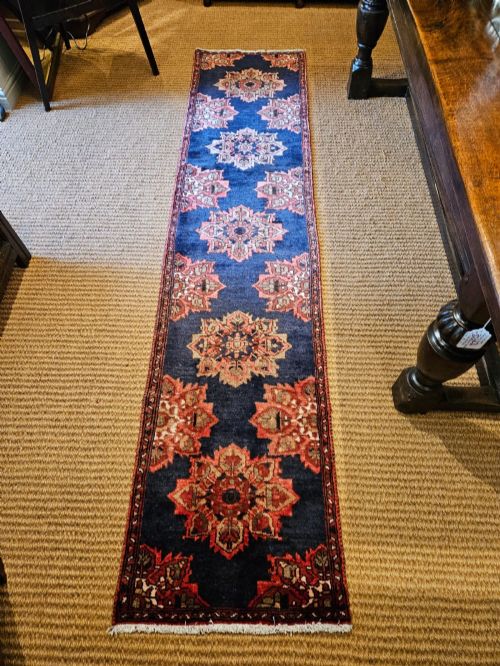
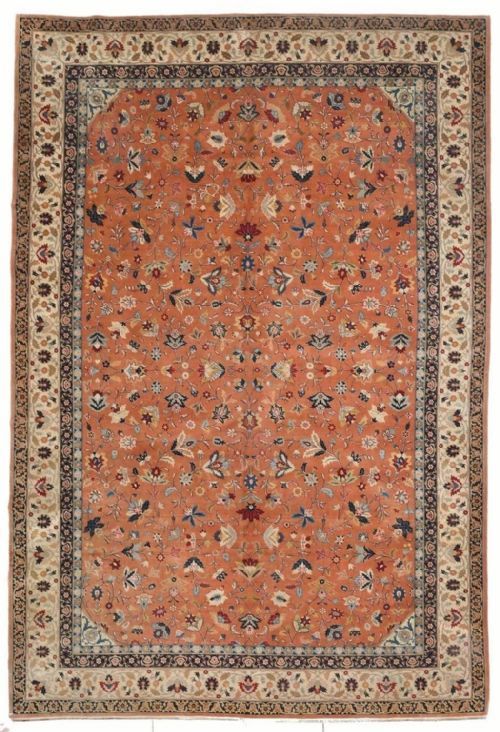
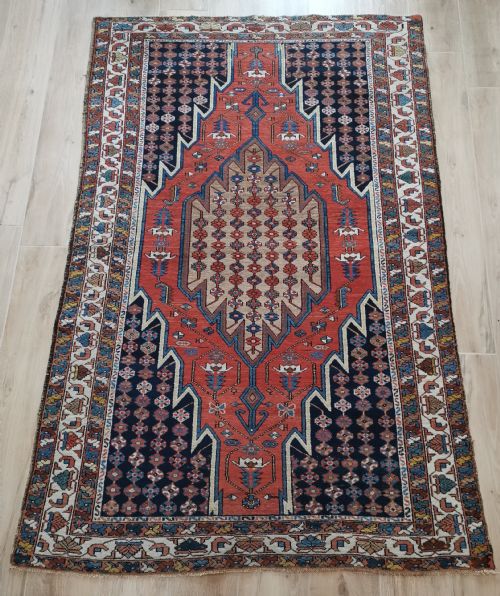
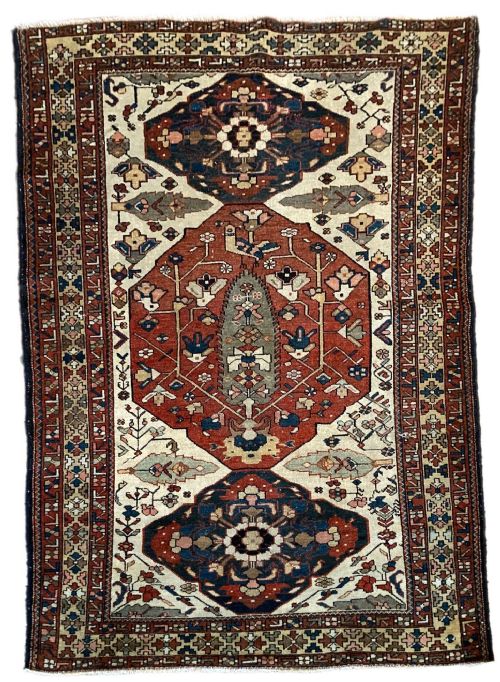

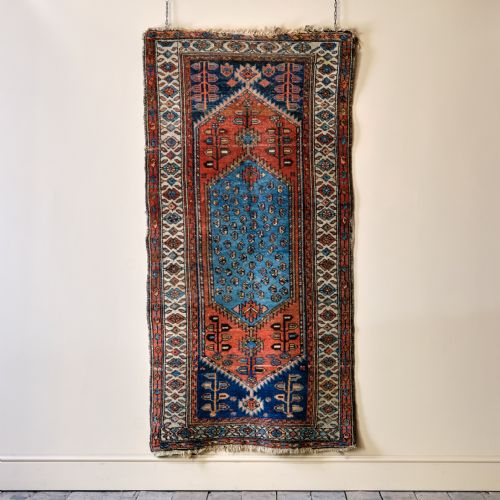


Terracotta Wool Floor Runner
These terracotta wool floor runners bring warmth and texture to hallways, offering enduring charm through traditional tribal and regional weaving traditions.
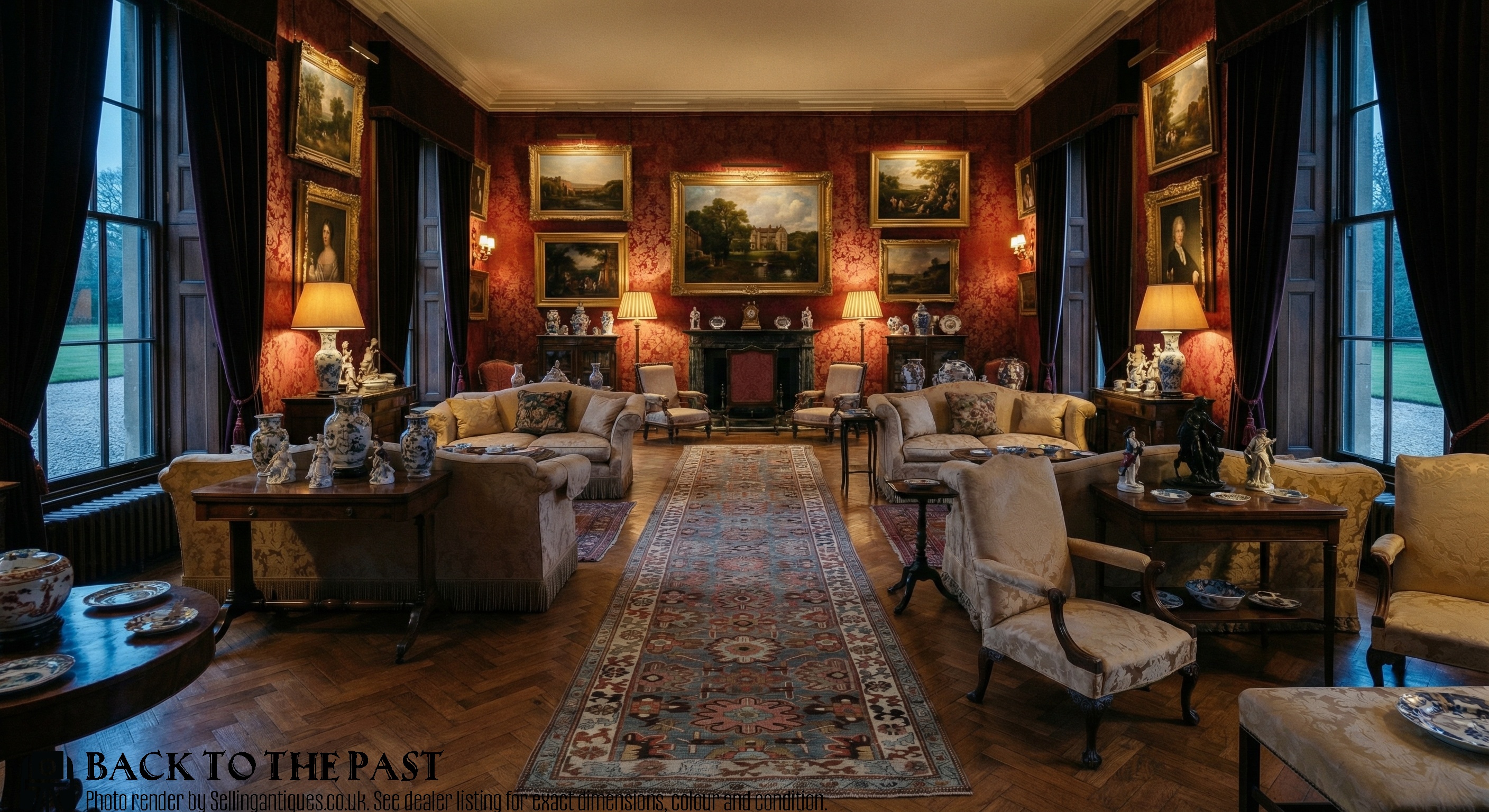
Terracotta Wool Floor Runner
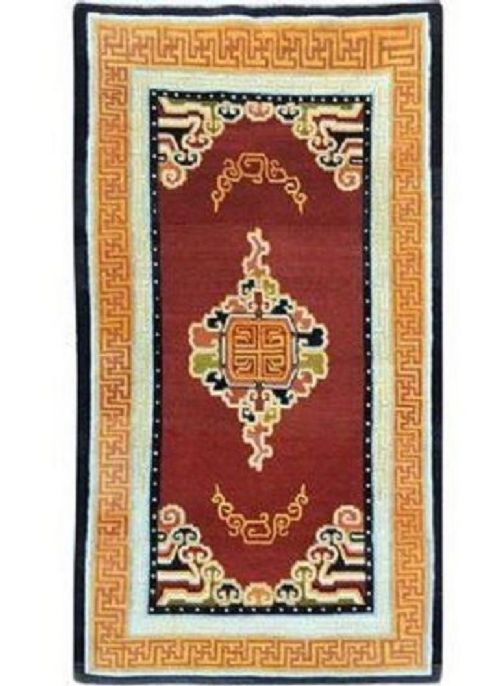
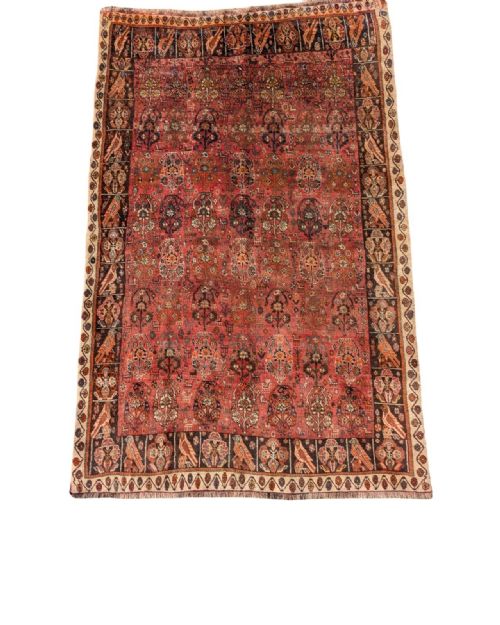
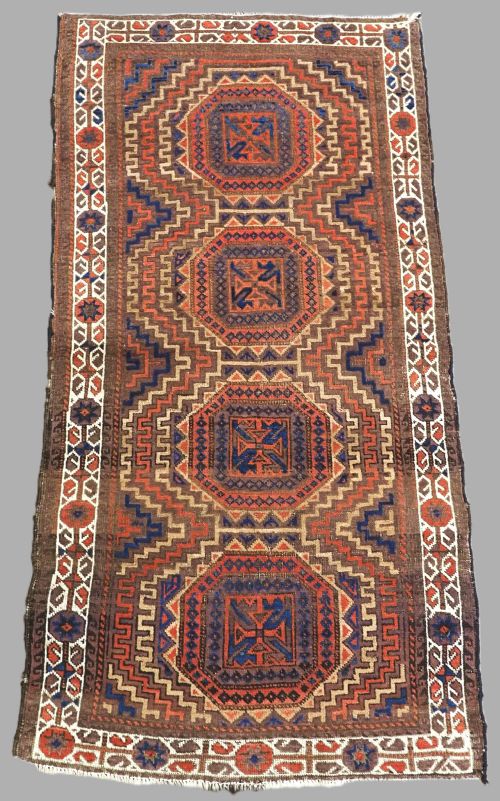
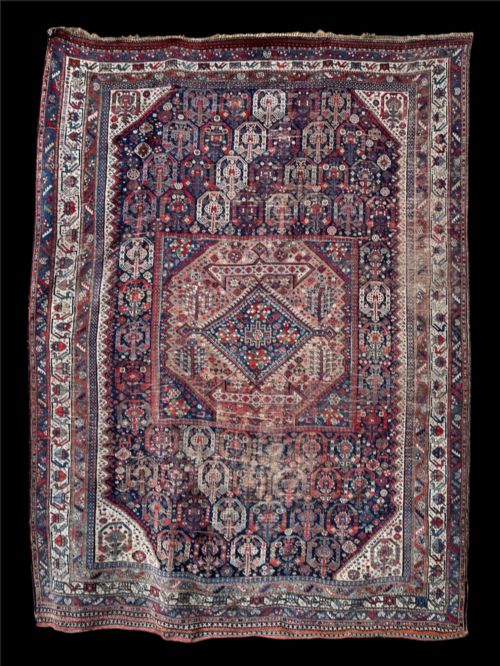
A terracotta wool floor runner represents a specific category of narrow, elongated textile designed for corridors and passages, drawing from Persian, Afghan, and Anatolian traditions. When buyers search for a terracotta wool floor runner, they encounter regional forms such as Heriz, Ushak, Bidjar, and Baluch rugs spanning the late nineteenth century to the early twentieth century. These pieces combine utilitarian length with terracotta tones derived from natural dyes.
The selection ranges from Kurdish and Khamseh tribal weaving to larger gallery formats, demonstrating diverse village and workshop origins. While the search specifies terracotta wool floor runners, the broader inventory encompasses runners, carpets, and rugs sharing similar wool construction and earthy palettes. Each piece reflects the aesthetic of its specific provenance, whether from Persian districts or Afghan villages.
How they were made
Construction relies primarily on hand-spun wool and natural dyes, occasionally incorporating cotton foundations or goat hair elements. Weavers knotted these materials by hand to produce dense, durable floor coverings capable of withstanding heavy corridor traffic.
The use of natural colour sources gives these textiles their characteristic terracotta and earthy hues, which mature gracefully over decades. Hand-knotting techniques vary by region, resulting in distinct pile densities and structural rigidity across Persian, Caucasian, and tribal pieces.
Listings span periods from the 1870s to the 1930s, uniting Persian, Afghan, and Anatolian regional styles in wool and natural dyes.
What varies in quality
Quality in these runners rests on the density of the hand-knotting and the purity of the wool utilised in the pile. Tighter knots and finer hand-spun wool create greater resilience and sharper definition in traditional motifs like guls and shrub designs.
The depth and stability of the natural dyes also distinguish finer examples, as well as the balance of the regional design layout along a narrow format. Greater uniformity in the weave and careful execution of tribal patterns separate standard village output from superior workshop pieces.
The Terracotta Wool Floor Runner Glossary
- Runner
- A long, narrow carpet format specifically proportioned for corridors, hallways, and stairs. These pieces balance length with restricted width to fit narrow architectural spaces.
- Natural Dyes
- Colourants derived from plant, insect, and mineral sources prior to the widespread adoption of synthetic alternatives. These dyes yield rich, complex terracotta and earthy tones that age with distinctive character.
- Gul
- A medallion motif frequently repeated across Central Asian and Afghan tribal carpets. The term translates roughly as flower or rose, forming the geometric focal point of the design.
- Hand-spun Wool
- Fleece processed and spun by hand rather than by industrial machinery. This method produces yarn with varied thickness and natural lanolin content, enhancing the texture of the rug.
- Kelleh
- A large rectangular carpet format traditionally used in Persian domestic interiors. It offers greater width than a standard runner while maintaining an elongated proportion.
Terracotta Wool Floor Runner: Frequently Asked Questions
Where should I place a runner?
Runners suit narrow spaces such as corridors, entrance halls, and staircases where foot traffic demands a durable textile. Their elongated format bridges rooms while protecting wooden or tiled flooring.
Ensure the dimensions match the passageway, leaving a consistent border of exposed floor around the perimeter for a balanced appearance.
How do I care for antique wool?
Vacuum gently using a suction-only attachment without a rotating brush roll to protect the hand-knotted pile. Avoid shaking or beating the textile, which can damage the foundation threads.
Address spills immediately by blotting with a clean, dry cloth rather than rubbing. Professional cleaning tailored to antique textiles is recommended periodically.
Are these runners durable?
Traditional construction utilising hand-spun wool and sturdy foundations makes these pieces resilient for everyday domestic use. Their historical survival demonstrates the robust nature of tribal and regional weaving techniques.
Using an appropriate underlay helps prevent slipping and reduces friction between the rug and the floorboards beneath.