

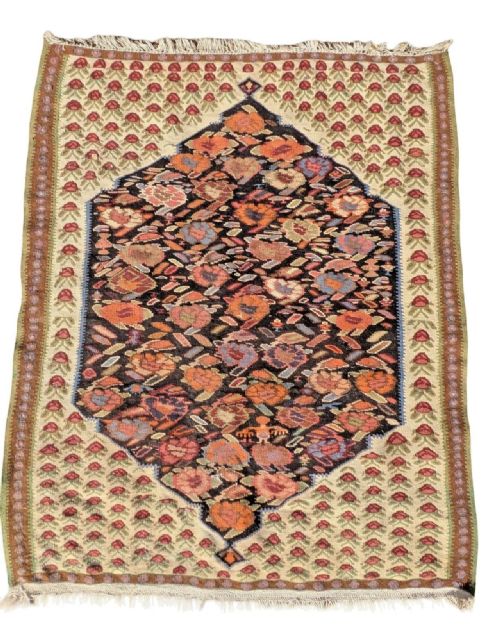


Terracotta Wool Flat Weave
Terracotta wool flat weave textiles bring authentic tribal warmth and rich geometric patterns into modern interiors.
Terracotta Wool Flat Weave
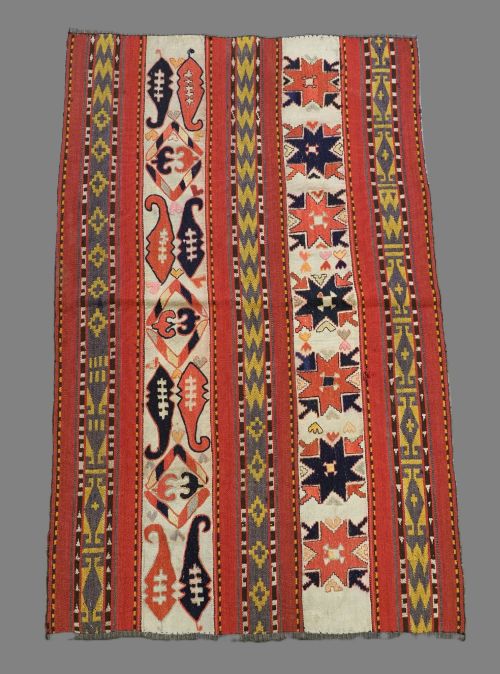
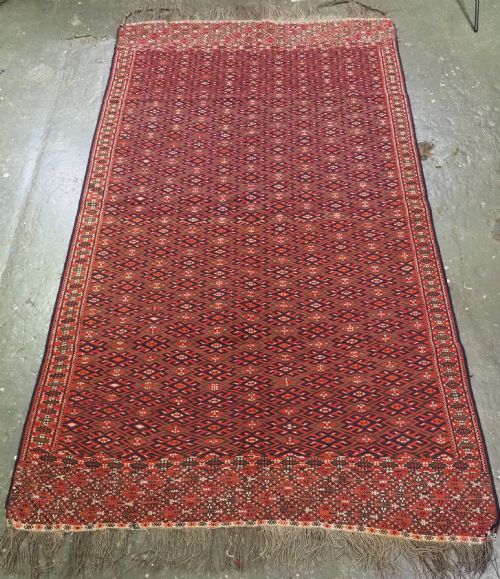
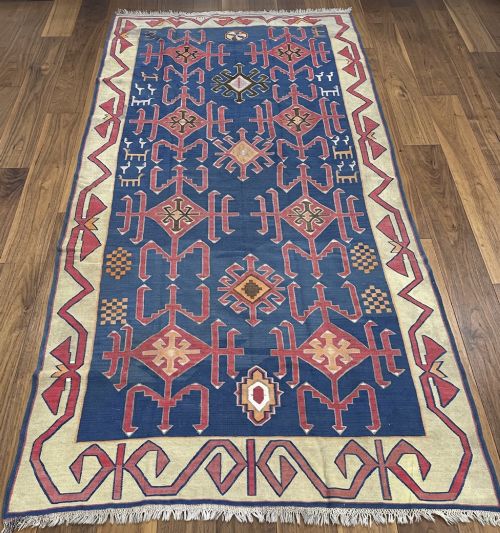
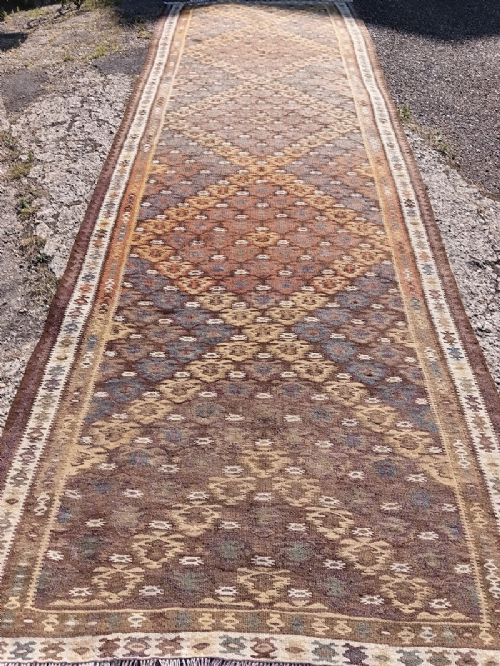
A terracotta wool flat weave represents a tradition of nomad and village weaving spanning the Caucasus, Persia, Central Asia, and the Balkans. These pieces include kilims, runners, cushion faces, and rug panels created by tribal makers.
The designs range from banded motifs and large medallions to repeat patterns and eye dazzler layouts. Collectors encounter regional expressions such as Pirot, Shirvan, Yomut Turkmen, and Qashqai works.
Originating between the late nineteenth century and the mid twentieth century, these textiles served functional roles within tribal households before entering the decorative market.
Materials and construction
These textiles rely principally on wool and hand-spun wool, occasionally incorporating cotton for foundations or detailing. Natural dyes impart the characteristic terracotta and pastel colour palettes seen across the pieces.
Weavers utilised flat-weaving traditions such as kilim construction and the cicim technique, producing durable textile surfaces without pile. Working on portable looms, makers built up geometric designs through precise warp and weft manipulation.
Terracotta Wool Flat Weave Retail Price Guide 2026
Typical asking prices for terracotta wool flat weave among the pieces listed under this phrase on Sellingantiques today, from the lower quarter to the upper quarter. They describe what is for sale here now, not the wider market.
Some Yomut Turkmen kilims feature remarkably long, untamed ends that survived a century of desert floor use without a single snip.
Evaluating the pieces
Quality rests upon the crispness of the tribal design and the depth of the natural dyes used in the wool. Pieces featuring well-balanced geometric compositions and harmonious colour transitions stand apart from simpler iterations.
The integrity of the flat weave structure and the fineness of the hand-spun wool dictate the durability and visual appeal of each textile. Surviving edge finishes and intact ends also influence the standing of an individual piece.
The Terracotta Wool Flat Weave Glossary
- Kilim
- A flat-woven carpet or rug produced without a pile by tightly interweaving warp and weft strands. This technique creates a lightweight textile with identical patterns visible on both sides.
- Soumak
- A decorative flat-weave technique utilising wrap-sewing methods to create a textured, braided surface on the face of the textile. It provides extra durability and distinct linear detail.
- Palas
- A traditional flat-weave textile often utilised for utility or floor coverings within nomadic households. These pieces display simple banded or striped compositions.
- Chuval
- A large storage bag face produced by Turkmen tribes, featuring traditional banded or gul motifs. They represent domestic tribal craftsmanship adapted into decorative wall or floor panels.
- Natural dyes
- Colourants derived from plant, insect, and mineral sources rather than synthetic laboratories. They yield nuanced terracotta and pastel shades that mellow gracefully over time.
Terracotta Wool Flat Weave: Frequently Asked Questions
How were these tribal flat weaves used?
Nomadic and village communities utilised these flat weaves as floor coverings, blankets, door hangings, and storage sacks for household goods. Utility and artistry merged as weavers decorated their living spaces and belongings with regional motifs.
Items such as mafrash panels and chuval faces functioned originally as transport containers before surviving as decorative fragments. Today, collectors appreciate their dual heritage of practical durability and tribal expression.
How do I care for an antique flat weave?
Protect antique wool textiles by placing a breathable rug underlay beneath them to prevent slipping and reduce friction against hard floors. Vacuum gently using suction only, avoiding rotating brush attachments that might catch loose fibres or weave ends.
Keep pieces out of direct, harsh sunlight to preserve the stability of natural dyes within the wool. Professional textile cleaning should be undertaken sparingly and only by specialists familiar with antique flat weaves.
How do I distinguish regional styles?
Regional styles reveal themselves through specific structural habits, colour choices, and geometric vocabulary particular to each weaving group. Caucasian and Persian works often display sharp medallions and structured borders, while Turkmen pieces favour banded gul motifs.
Examining the weave tightness, edge finishes, and the presence of techniques like Soumak or cicim provides further clues to origin. Comparing known Pirot, Shirvan, or Yomut examples helps clarify attribution.