



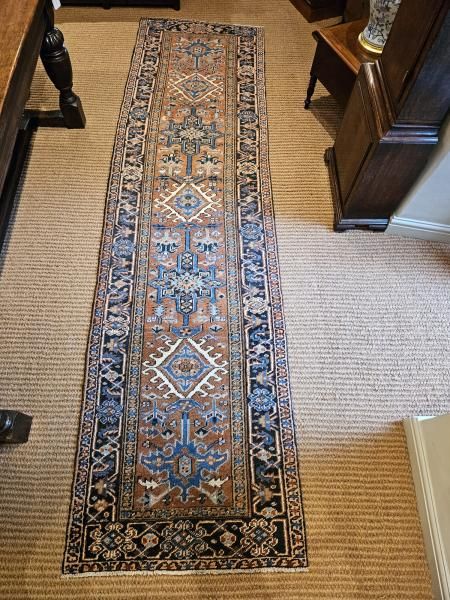
Terracotta Persian Wool Carpet
A terracotta persian wool carpet brings warmth and grounded weight to a room through dense hand-knotted pile and earthy dyes.
Terracotta Persian Wool Carpet
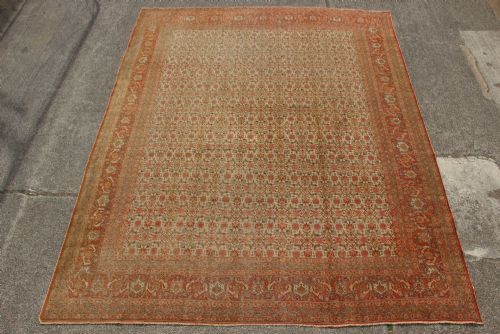
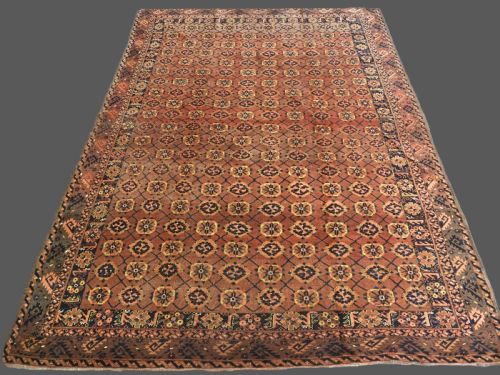
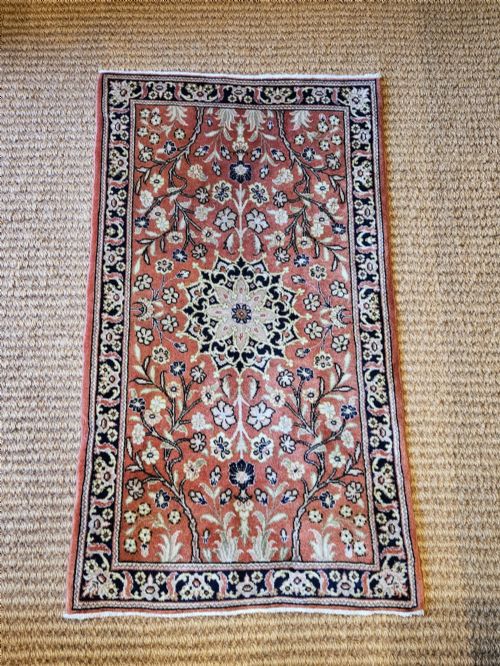
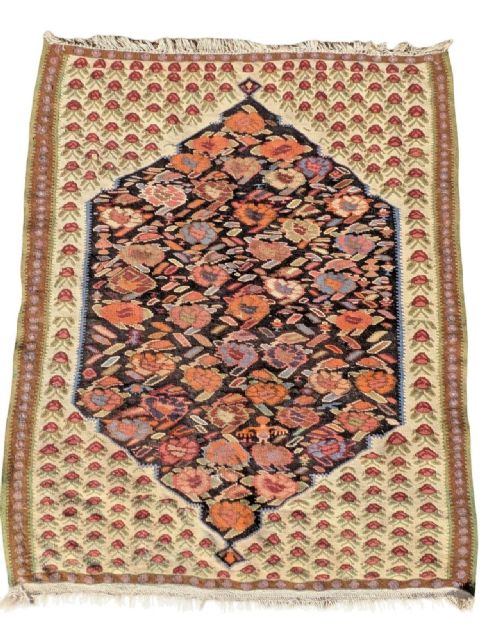
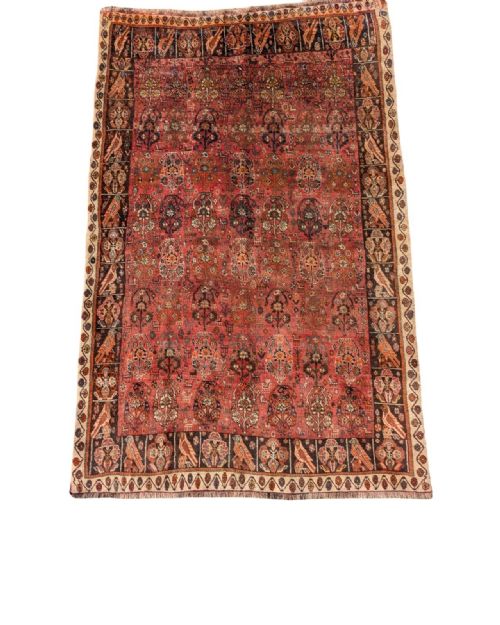
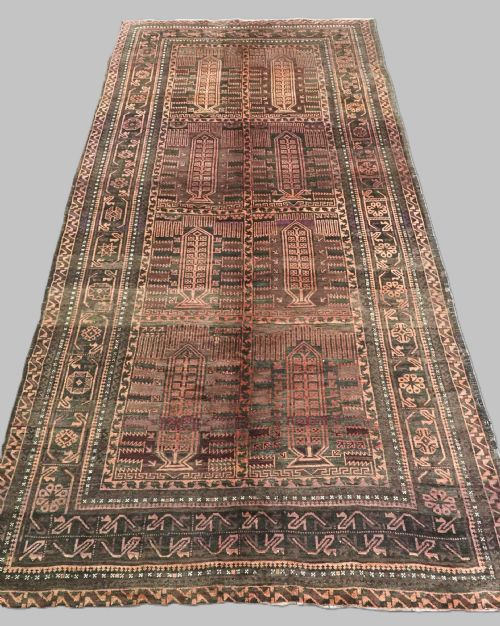
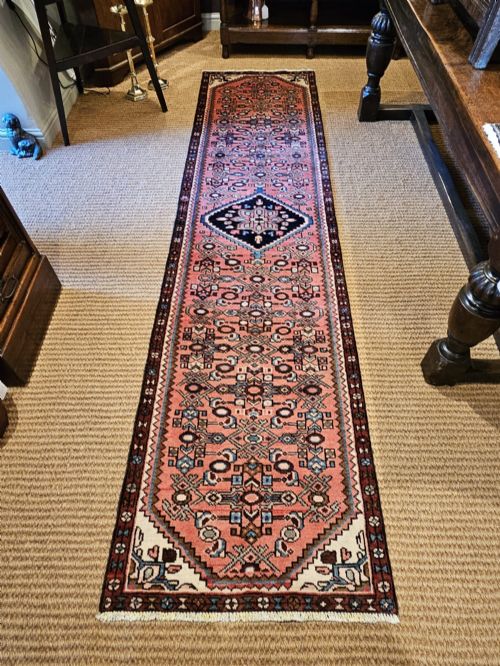
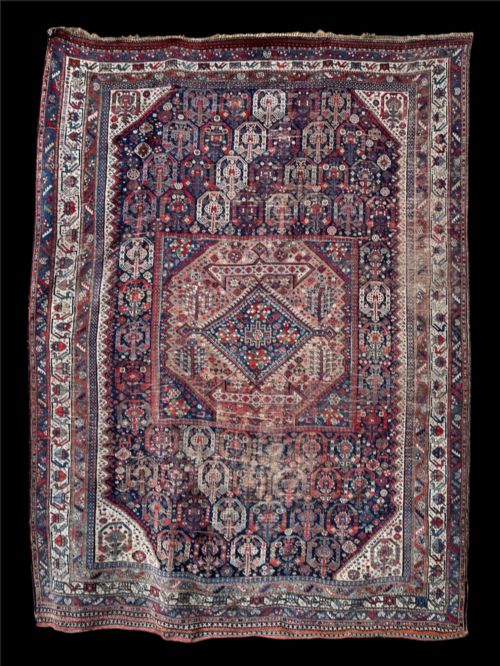
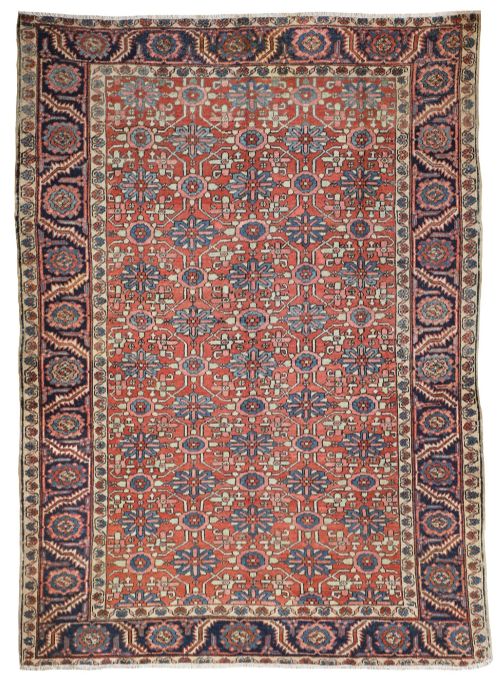
A terracotta persian wool carpet encompasses durable hand-knotted floor coverings originating from various regional weaving traditions across Persia and neighbouring tribal territories. These pieces typically manifest as room-sized carpets, large area rugs, or long runners designed to anchor traditional interiors. Examples on this page span from the late nineteenth century through to the early decades of the twentieth century, reflecting established village and tribal patterns.
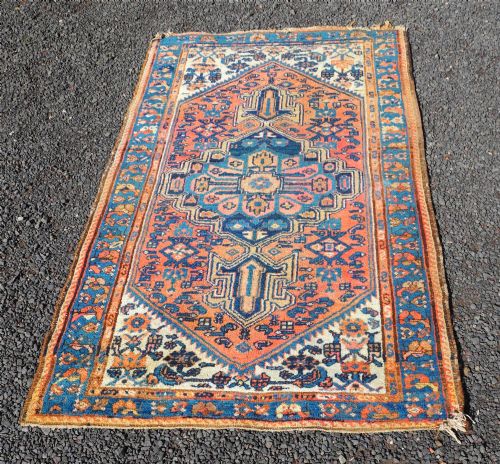
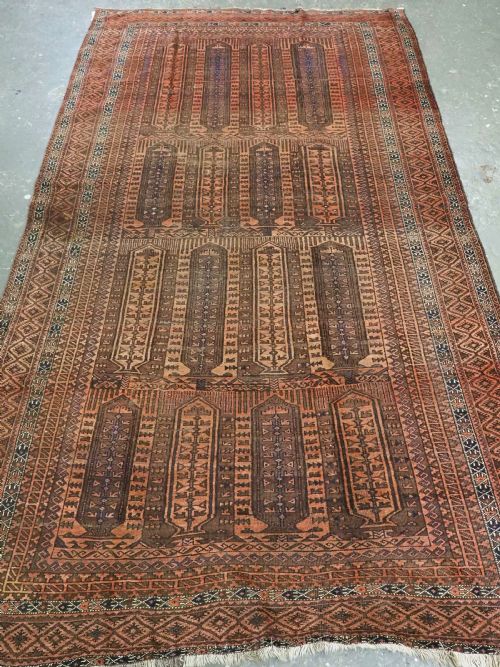
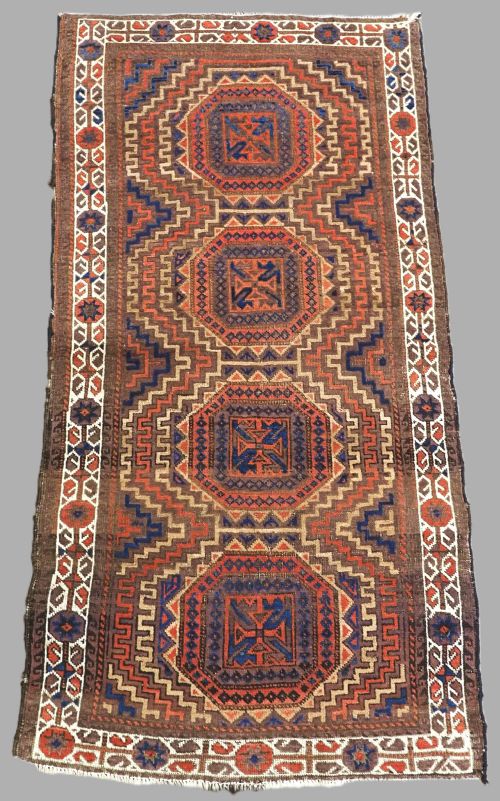
The selection ranges from large geometric Heriz carpets to finely detailed Tabriz work and rustic Baluch prayer rugs. Buyers frequently encounter room-sized carpets featuring central medallions alongside smaller hearth-sized pieces and tribal runners. Each region contributes distinct motifs, ranging from the bold angular lines of north-west workshops to the intricate repeats of southern nomadic weavers.
Materials and construction
Construction relies heavily on wool piles knotted onto sturdy cotton or wool foundations, providing the structural integrity required for heavy foot traffic. Natural dyes derived from plants and minerals supply the foundational terracotta hues, blues, and creams that mature gracefully over decades of use.
Weavers utilised traditional upright looms, tying symmetrical or asymmetrical knots by hand before clipping the pile to an even height. Camel hair occasionally appears in the foundational or border wool, adding subtle tonal variations to the un-dyed sections.
Several nomadic carpets incorporate small woven amulets or intentional asymmetry to ward off the evil eye.
Assessing the examples
Quality separates along the precision of the knotting, the complexity of the design layout, and the depth of the palette. Finer pieces demonstrate tight knot counts per square inch that allow intricate curvilinear or geometric drawing to remain crisp and legible.
The condition of the wool pile and the structural stability of the selvedges and ends dictate everyday practicality. Examples retaining full pile height and original side cords command greater attention from collectors than heavily worn or structurally compromised textiles.
The Terracotta Persian Wool Carpet Glossary
- Medallion
- A prominent central ornament set into the field of the carpet. This decorative focal point often mirrors the corner spandrels in its botanical or geometric detailing.
- Selvedge
- The bound or reinforced outer edge running parallel to the length of the rug. Secure selvedges prevent the foundation threads from unravelling along the sides.
- Gul
- A repeating octagonal or medallion-like motif frequently found in tribal weaving traditions. Turkmen and Baluch textiles often arrange these geometric stamps in orderly rows across the field.
- Pile
- The upright yarn surface formed by the cut ends of knots tied to the warp and weft. Pile depth influences both the tactile softness and the longevity of the floor covering under daily wear.
- Warp
- The vertical foundation threads stretched tightly on the loom before knotting begins. Weavers tie the wool pile directly onto these stationary structural strands.
Terracotta Persian Wool Carpet: Frequently Asked Questions
How do I clean an antique wool carpet?
Routine maintenance requires gentle vacuuming without a rotating power head to protect the delicate hand-knotted pile from friction damage. Professional immersion washing remains necessary for deep cleaning to remove embedded grit without disturbing the natural wool fibres.
Water exposure should be kept minimal during spot cleaning to prevent dye migration, particularly in pieces coloured with traditional natural dyes. Allowing the rug to dry flat in a well-ventilated space preserves the integrity of the cotton or wool foundation.
Can these carpets handle heavy foot traffic?
Substantial wool construction and sturdy cotton foundations allow many room-sized tribal carpets to endure active hallways and living spaces. Placing a breathable, high-quality rug underlay beneath the piece absorbs impact shock and prevents slipping on hard floors.
Regular rotation distributes wear evenly across the surface when placed in high-traffic zones. Thinner prayer rugs or fragile distressed examples suit low-impact areas or wall display better than heavy room-sized runners.
How do I distinguish Heriz from Tabriz carpets?
Heriz carpets generally display bold, large-scale geometric medallions with characteristic angular drawing and sturdy terracotta fields. Their robust wool and rustic village aesthetic contrast sharply with city-weaved production methods.
Tabriz carpets typically feature fine, highly intricate curvilinear floral patterns with sophisticated border arrangements and exceptional knot density. The drawing in Tabriz pieces appears much more flowing and painterly compared to the architectural geometry of Heriz.
What causes terracotta shades to vary?
Natural dye extraction from madder root and other plant materials yields variable terracotta tones depending on mineral content in the water and mordants used. Hand-spun wool absorbs these organic colorants unevenly, creating subtle abrash streaks across the field.
Decades of exposure to light and atmospheric conditions mellow these terracotta hues into softer rust and salmon tones. This organic ageing process gives antique wool carpets a dynamic visual depth unattainable in modern synthetic dyes.