




Terracotta Harbour Art
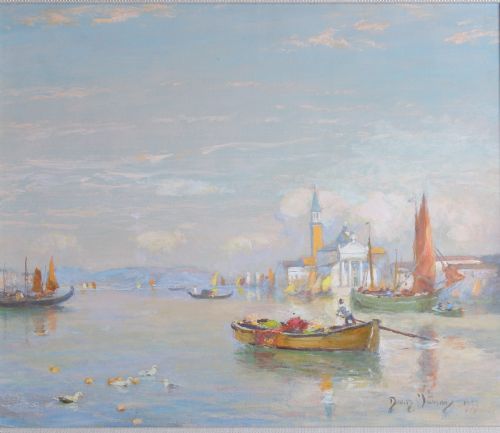
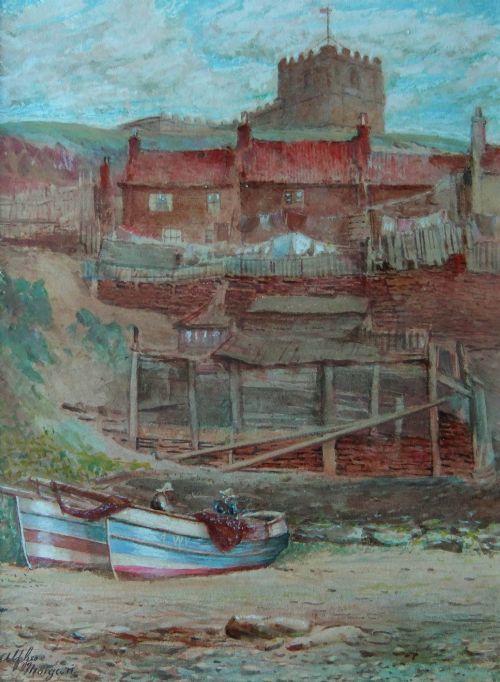
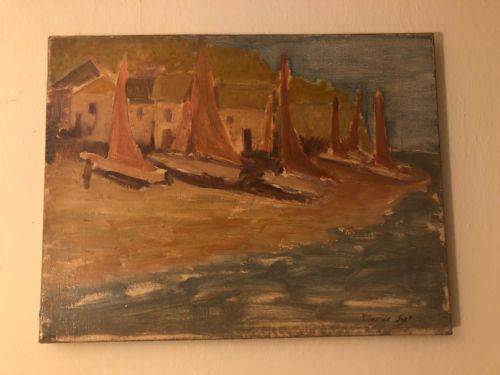
These terracotta harbour art works capture maritime life and coastal towns through watercolours and oils from the Victorian to the mid-century eras.
Terracotta Harbour Art
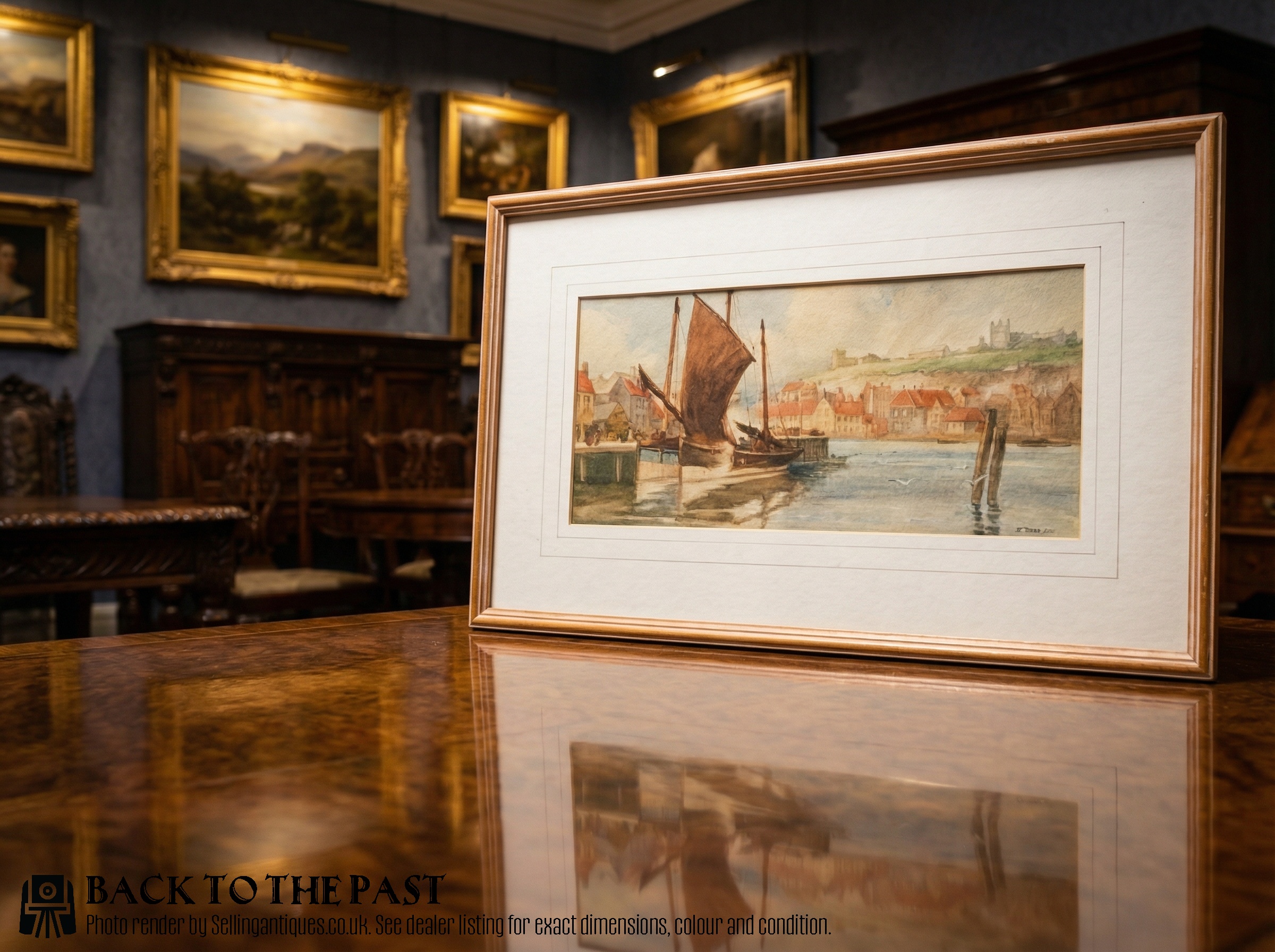
Terracotta harbour art encompasses paintings and watercolours depicting coastal scenes, fishing docks, and harbour views created during the Victorian, Edwardian, and twentieth-century periods. These works record maritime subjects from locations such as Whitby, Staithes, and foreign ports.
A buyer examining these listings encounters pieces by named British artists working in styles ranging from British Impressionism to the Newlyn School. The selection centres heavily on watercolours framed in wood, alongside occasional oil paintings on canvas.
The subjects focus on boats, piers, docks, and coastal architecture rendered with pigments on paper or canvas. These depictions offer a direct record of early twentieth-century and nineteenth-century maritime life.
Materials and methods
Artists executed these harbour scenes using watercolour pigments on paper or oil paint on canvas, often framing the finished works in gilt wood. The physical components rely on traditional painting supplies of the nineteenth and twentieth centuries.
Watercolour technique involves applying transparent washes of pigment to paper to capture the light and atmosphere of coastal locations. Oil paintings utilise heavier paint layers on canvas to build texture in depictions of boats, water, and architecture.
The materials recorded across these maritime artworks include pigment, paper, glass, and gilt wood frames.
Assessing quality
Quality in these coastal paintings depends upon the surety of the brushwork and the artist's ability to convey light and atmosphere on the water. Stronger examples display confident handling of pigment that brings depth to harbour architecture and vessel rigging.
The handling of composition and spatial depth separates standard topographical records from more accomplished artistic interpretations of ports and docks. Works by established regional painters demonstrate superior control over tone and colour balance.
Alfred G. Morgan·Fred Lawson·Arthur Tucker·Fred Waugh·James Thomas Watts·Jan van Couver·Ralph Todd·Fred Mayor·John Sanderson Wells·Frances E Nesbitt·Rowland Henry Hill·Maurice Sijs
The Terracotta Harbour Art Glossary
- Watercolour
- A painting method in which the paints are made of pigments suspended in a water-based solution. This technique creates transparent colour washes on paper.
- Oil on Canvas
- A painting medium where pigments are bound with drying oils and applied to a stretched cloth surface. This method allows for rich texture and deep colour saturation.
- Gilt Wood
- Wood that has been treated with a thin layer of gold leaf or gold paint. Frames of this material frequently accompany nineteenth and twentieth-century paintings.
- British Impressionism
- A painting style influenced by the French movement that prioritises light, loose brushwork, and everyday subjects. Artists working in this manner recorded outdoor scenes with vibrant brushstrokes.
- Newlyn School
- An art colony based in Cornwall focused on naturalistic depictions of local fisherfolk and coastal life. Painters associated with this group worked out in the open air.
Terracotta Harbour Art: Frequently Asked Questions
What periods do these harbour paintings cover?
The works span from the Victorian and Edwardian eras through the 1920s and 1930s up to mid-century examples.
Most pieces date from the early twentieth century, reflecting the popularity of coastal and harbour subjects during that period.
Which locations appear most often in the artwork?
Whitby and Staithes in Yorkshire appear frequently, alongside other British coastal views and continental harbour scenes.
Artists also recorded scenes in London and foreign ports such as Volendam.
How should I display these watercolours at home?
Watercolours require protection from direct sunlight to prevent the pigments and paper from fading over time.
Hanging them on interior walls away from direct heat sources helps preserve the condition of the paper and the original frame.
What framing do these paintings typically have?
Many of the works retain period frames, including gilt wood mouldings that complement the style of the art.
Original frames contribute to the historical character of the piece while protecting the edges of the paper or canvas.