

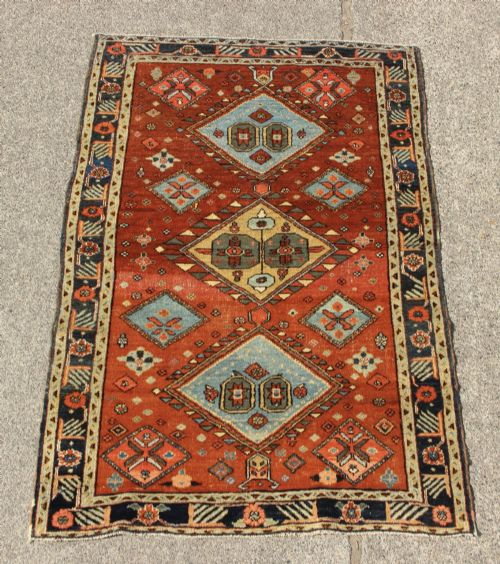
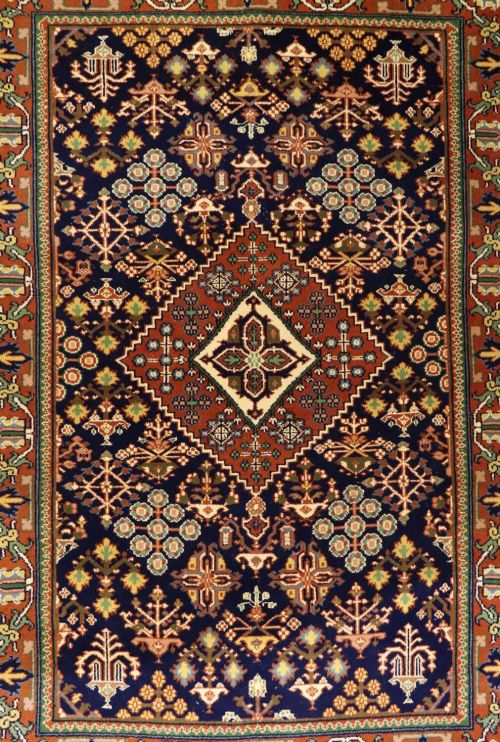

Terracotta Geometric Carpet
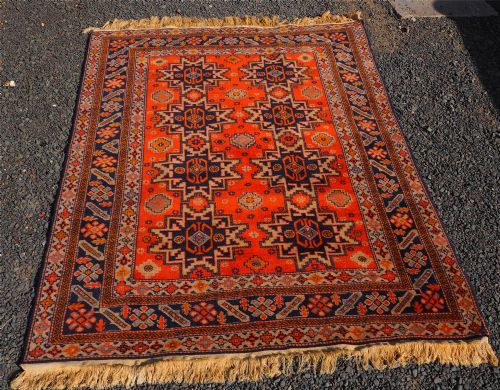
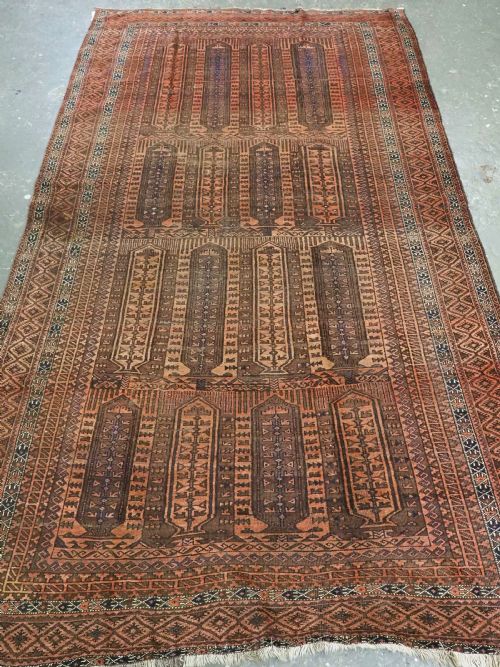
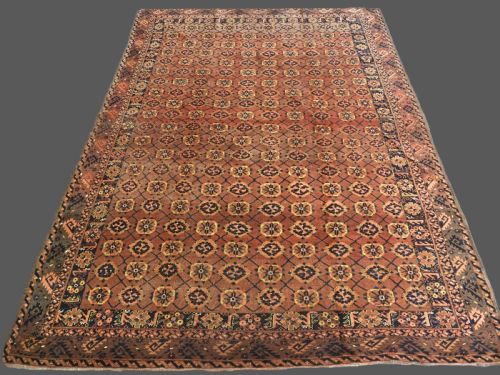
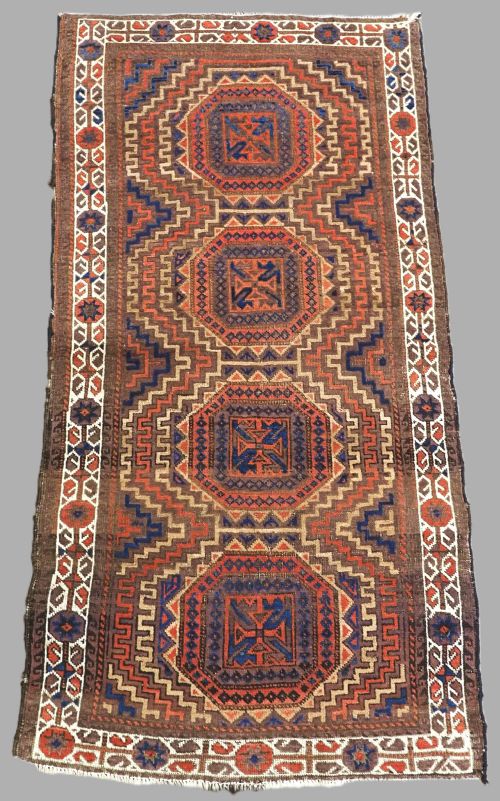
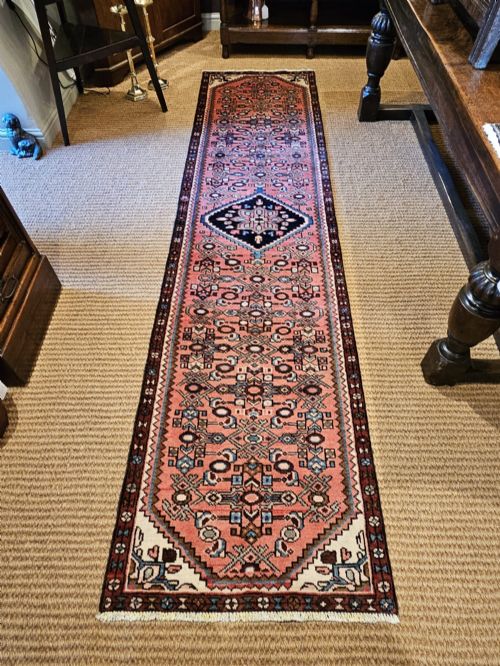
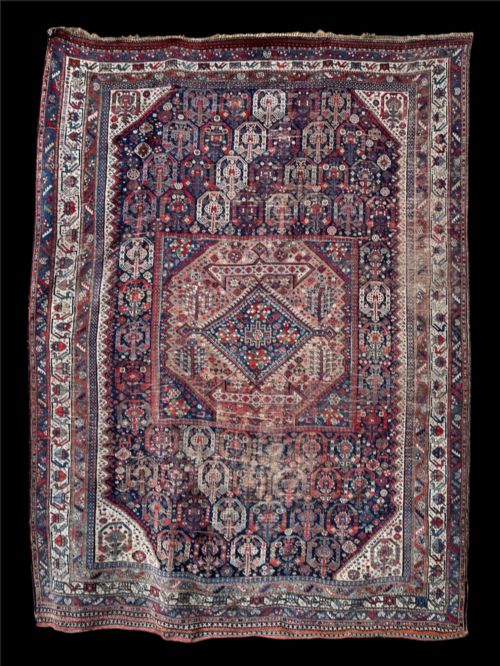
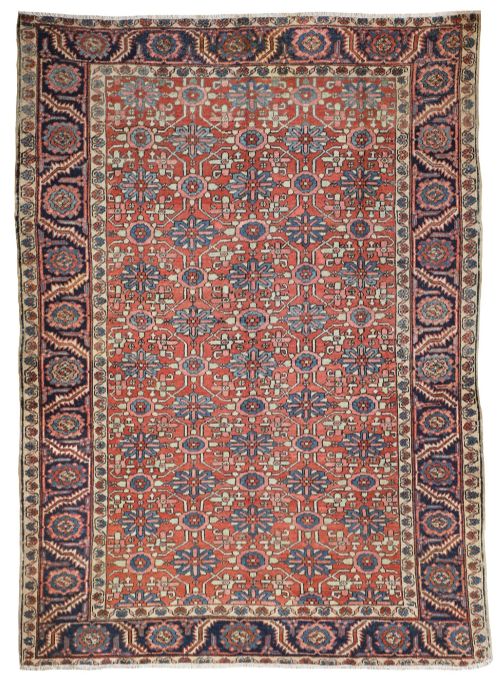
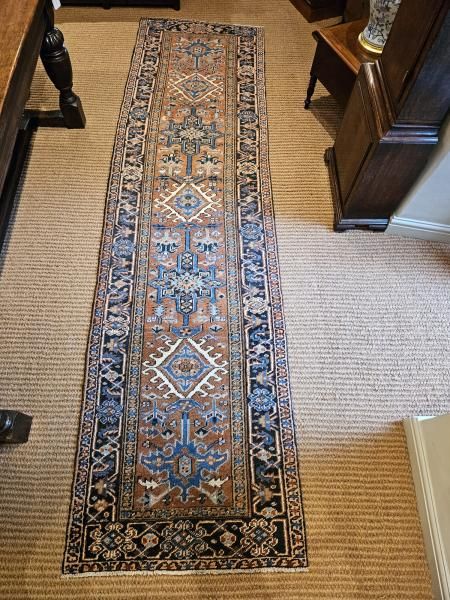
A terracotta geometric carpet brings earthy warmth and structured tribal motifs to a room, offering a tangible connection to nineteenth and early twentieth-century weaving traditions.
Terracotta Geometric Carpet
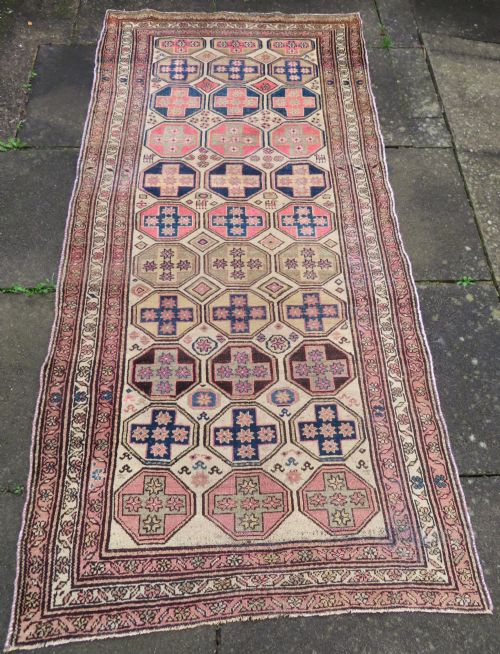
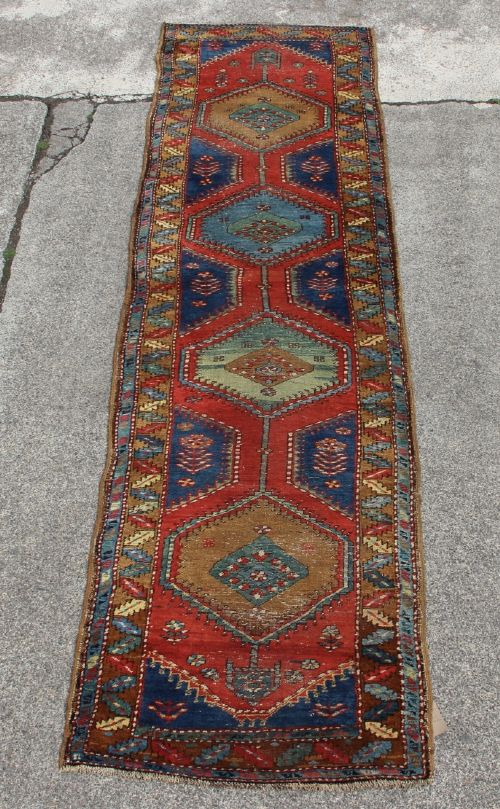
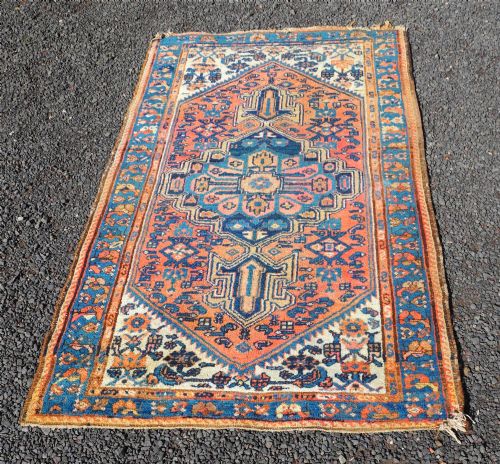
A terracotta geometric carpet is a woven floor covering defined by warm clay tones and angular, repeating patterns originating from Persian, Caucasian, and Afghan regions. These textiles span periods from the nineteenth century through the early twentieth century, taking the form of large carpets, room-sized runners, and smaller village rugs.
The pieces available most frequently reflect traditional tribal and village weaving methods, featuring regional designs like Heriz medallions, Baluch motifs, and Bakshiash layouts. Buyers encounter items made by specific confederacies and nomadic groups, where structured medallions and border bands dominate the visual field.
Constructed primarily for practical floor use in homes, these carpets serve both functional and decorative roles. Their endurance over decades demonstrates the resilience of village and nomadic production techniques from eras including the 1880s, 1900s, and 1920s.
How they were made
These carpets rely on wool and cotton as foundational materials, with wool utilised for the pile and cotton commonly forming the warp and weft foundations. Certain regional items incorporate camel hair or felt to alter texture and durability.
Weavers employed hand-knotting techniques alongside natural dyes to create enduring terracotta colourways and geometric field patterns. The interaction between hand-spun wool and traditional dyestuffs accounts for the shifting tonal variations observed across the surface of older pieces.
Listings span nineteenth and early twentieth-century periods, showcasing wool, cotton, and natural dye materials within traditional Persian and tribal forms.
What varies in quality
Quality rests on the fineness of the knotting and the integrity of the foundation materials, which dictate how well a carpet withstands foot traffic. Denser knot counts allow sharper definition within angular medallions and intricate border motifs.
The depth and stability of the dyestuffs also differentiate examples, as natural dyes age with nuanced patination rather than flat fading. The precision of the tribal design execution and the balance of the proportions further distinguish finer regional weaves from standard utility pieces.
The Terracotta Geometric Carpet Glossary
- Medallion
- A central ornamental motif placed in the middle of the carpet field. It usually takes a symmetrical geometric or floral form.
- Warp
- The vertical threads stretched lengthwise on the loom that carry the structural tension of the weave. The visible fringes at either end of a carpet are formed by these threads.
- Weft
- The horizontal threads passed across the warp threads after each row of knots is tied to secure them in place. These threads help determine the rigidity of the textile body.
- Pile
- The vertical or slanted wool fibres projecting from the foundation that form the soft surface of the carpet. This layer bears the direct friction of daily use.
- Natural Dyes
- Colourants derived from plant, insect, or mineral sources rather than synthetic chemical laboratories. These substances produce subtle variations in hue across the wool pile.
Terracotta Geometric Carpet: Frequently Asked Questions
How do I clean an old carpet?
Regular gentle vacuuming without a rotating brush helps remove embedded grit from the wool pile. Professional specialist cleaning remains necessary for addressing deep dirt or spills safely.
Water exposure should be kept minimal to prevent dye migration or foundation shrinkage. Allowing air circulation around the carpet preserves the fibres over time.
Can I place these in hallways?
Runner formats and sturdy village weaves suit high-traffic areas like corridors and entryways due to their dense wool construction. Placing a suitable underlay underneath prevents slipping and reduces wear against the floor.
Rotating the carpet periodically ensures even exposure to light and foot traffic. This simple habit balances the ageing process across the entire surface.
What rooms suit geometric designs?
Angular patterns and clay terracotta tones complement both minimalist modern interiors and traditional period spaces by adding structural contrast. Living rooms, dining areas, and studies benefit from the grounded visual weight these carpets provide.
Choosing a size that allows furniture to sit partially or entirely on the rug unifies the room layout. The balanced symmetry of regional motifs anchors surrounding interior furnishings.
How do I identify the period?
Dating relies on examining the structural weave, the chemical or natural nature of the dyes, and regional design traits associated with specific decades. Nineteenth-century examples often display specific village wool preparations and distinct abrash variations.
Comparing the border proportions and knotting structure against known regional types helps narrow the production era. Documentation or provenance from past collections can also confirm the timeline.