


Terracotta Garden Urn
These terracotta garden urns bring weathered clay and classical form straight to the terrace, offering a heavy, porous planting vessel that settles naturally into outdoor soil and stone.
What you are looking at
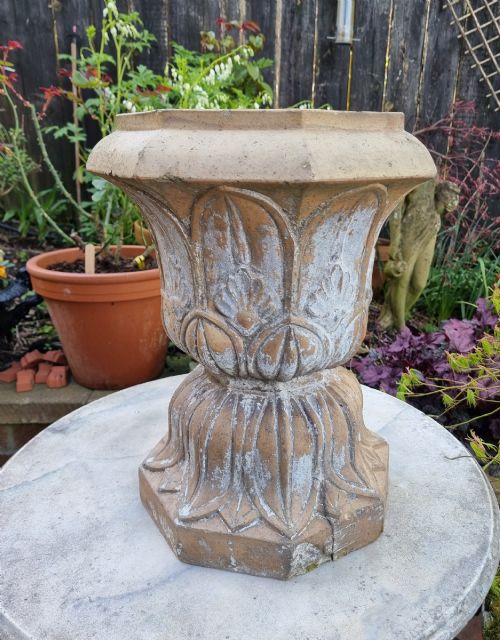
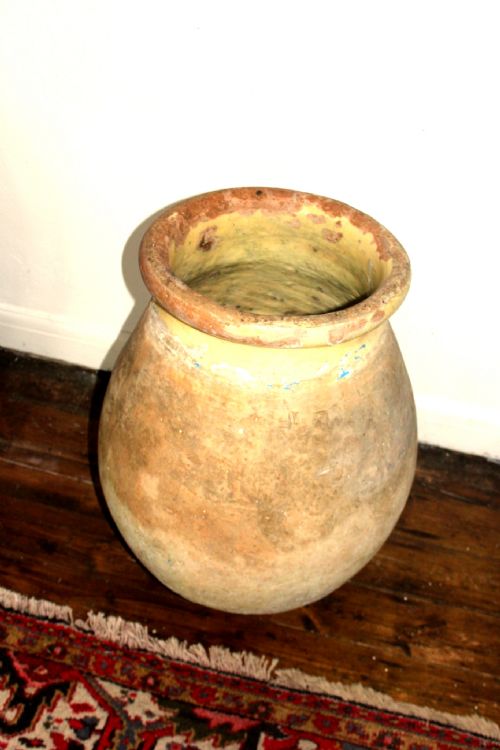
A terracotta garden urn is a substantial planting vessel shaped in clay, appearing most frequently in nineteenth century British, Scottish, and Italian examples. These pieces range from grand Victorian neoclassical designs with carved handles to rustic Mediterranean oil jars and garden planters.
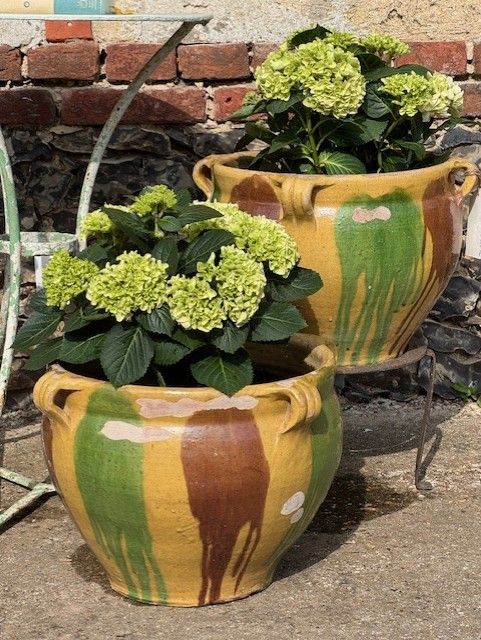
The selection encompasses large country house urns, glazed earthenware jars, and buff terracotta pots from the Arts and Crafts period. Makers and potteries such as Doulton of Lambeth, Garnkirk, and Compton created vessels specifically intended to weather the elements outdoors.
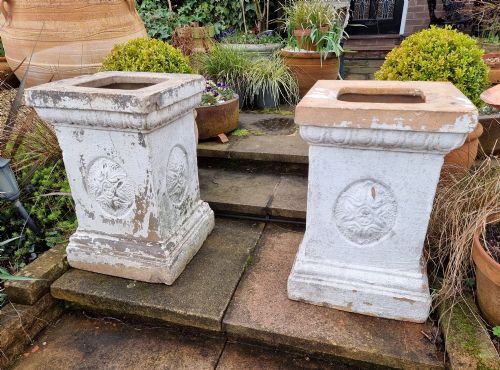
Many examples arrive complete with original stands or plinths, while others stand as single baluster vases or low jardinieres. The forms draw on Grand Tour influences and Mediterranean country traditions, designed to hold substantial root systems.
Materials and construction
These vessels are formed from natural clay, earthenware, and buff terracotta, often fired in large kilns to achieve porous bodies that allow plant roots to breathe. Certain pieces feature applied lead or alkaline glazes, while others rely on the raw, unglazed biscuit of the fired earth.
Moulded decoration, such as carved heads on handles and classical swags, demonstrates the skill of nineteenth century potteries. Wrought iron elements occasionally appear as stands or structural collars to support the heavier earthenware bodies.
Retail Price Guide 2026
Typical UK retail prices for terracotta garden urn, calculated from the Sellingantiques database of over a million retail prices indexed since 2003. This retail price guide relies exclusively on Sellingantiques data; no external sources or auction records are used, so the figures do not describe the wider market.
Some urns bear the distinct nose-scratch of a nineteenth century potter who forgot to wash his hands before loading the kiln.
Distinctions in quality
Quality rests in the crispness of the modelling and the density of the clay body, where better fired terracotta resists frost more successfully over decades of outdoor exposure. Fine nineteenth century examples show deliberate proportion in the foot, body, and rim, balancing visual weight against the heavy loads of soil.
Surface patina separates standard garden vessels from exceptional ones, developed through long exposure to damp air, moss, and mineral leaching. Maker marks, such as those from Lambeth or Garnkirk, elevate a piece by confirming the specific kiln and date of manufacture.
Doulton of Lambeth·Garnkirk·Compton
The Terracotta Garden Urn Glossary
- Terracotta
- Fired unglazed clay containing iron oxide, which produces a characteristic reddish-brown colour ranging from pale buff to deep orange. This material is porous, allowing moisture and air to pass slowly through the walls.
- Jardiniere
- An ornamental ceramic pot or stand designed to hold growing plants indoors or out. These vessels generally have wider bodies than standard tall urns.
- Grand Tour
- A cultural journey undertaken by wealthy Europeans in the eighteenth and nineteenth centuries to study classical antiquities. Urns of this style imitate ancient Roman marble or terracotta models.
- Plinth
- A heavy architectural base or pedestal upon which a garden urn sits. These elevated blocks protect the vessel from standing ground water and improve garden sightlines.
- Baluster
- A moulded shaft or pillar with a swelling lower portion supporting a vase or urn. This architectural profile provides stability to tall garden pots.
Frequently Asked Questions
Can terracotta garden urns stay outside in winter?
Most nineteenth century terracotta is hardy, but extreme frost can crack porous clay if moisture trapped inside freezes and expands.
Lining the inside with landscape fabric or raising the base slightly off damp ground helps protect the earthenware during freezing months.
How do I clean green algae off an old urn?
A soft brush and plain water remove surface dirt without stripping the historic patina and mineral crust that collectors value.
Avoid harsh chemical cleaners or pressure washers, which scour away the outer skin of the fired clay and expose raw material.
Why do some terracotta urns have drainage holes?
Drainage holes prevent stagnant water from waterlogging plant roots and exerting outward pressure on the clay walls during cold weather.
Many antique vessels feature a central base aperture designed for garden use, while decorative jars intended for oil remained sealed.
How can I tell a Victorian urn from a modern copy?
Victorian pieces show distinct weight, tool marks from hand-finishing inside the rim, and natural mineral patination built up over generations.
Inspect the base and interior surfaces for historical firing faults, maker stamps, and the dry, powdery texture characteristic of older kilns.