



Terracotta Flatweave Rug
These terracotta flatweave rug examples bring tribal artistry and geometric precision into modern interiors through time-honoured flat-woven textiles.
Terracotta Flatweave Rug
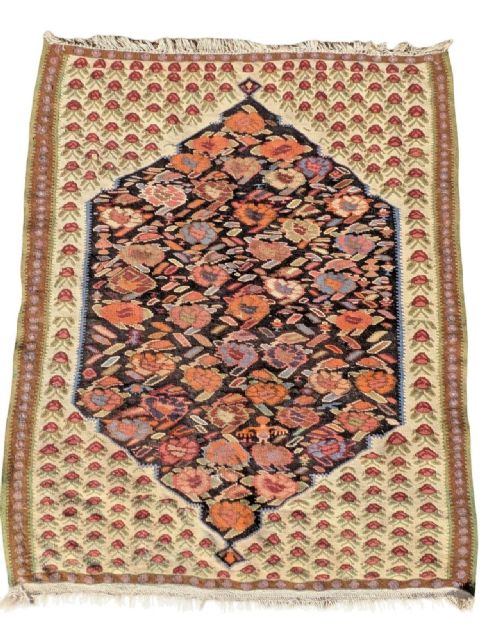
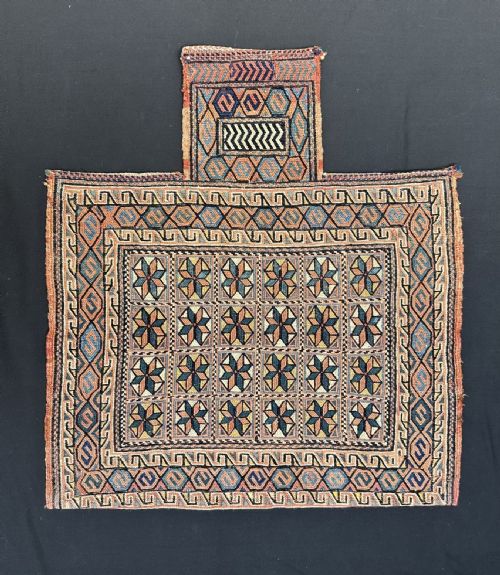
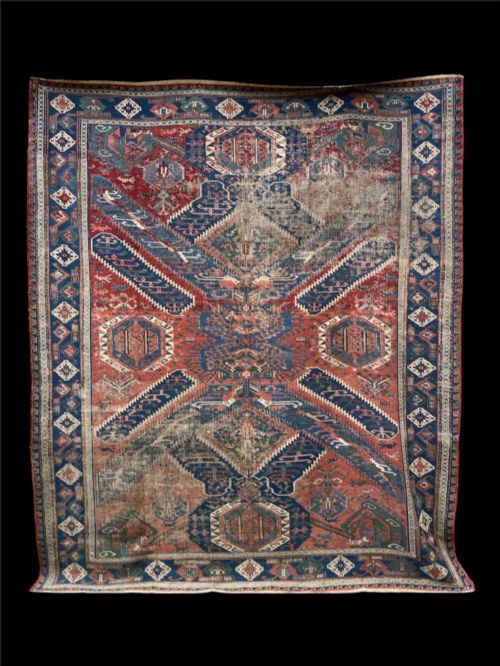
A terracotta flatweave rug search reveals woven textiles originating from regions such as Persia, the Caucasus, Turkmenistan, and the Balkans. These floor coverings and wall hangings include kilims, soumaks, and palas pieces created by nomadic and tribal weavers during the late nineteenth and early twentieth centuries.
Buyers will encounter room-sized pieces alongside narrower formats featuring banded, repeat, and large medallion designs. The palette leans towards warm terracotta tones complemented by pastel colours and contrasting motifs rooted in regional folklore and tribal tradition.
How they were made
These textiles employ wool and cotton materials manipulated through flat-weaving techniques without a pile. Specific methods recorded include the cicim technique and soumak construction alongside standard kilim interlacing.
Weavers utilised supplementary weft-wrapping and slit-weave methods to build crisp geometric patterns. The resulting fabrics possess a flat, durable structure suitable for rigorous daily use.
Terracotta Flatweave Rug Retail Price Guide 2026
Typical asking prices for terracotta flatweave rug among the pieces listed under this phrase on Sellingantiques today, from the lower quarter to the upper quarter. They describe what is for sale here now, not the wider market.
What varies in quality
Weave density dictates the structural integrity and definition of the geometric motifs across these flatweaves. Very fine weaves require greater skill and time at the loom, producing sharper pattern outlines.
Proportion and scale influence the visual impact of large room-sized examples compared to narrower runner formats. The handling of the palette, from vibrant terracotta to softer pastel shades, determines the overall aesthetic harmony.
The Terracotta Flatweave Rug Glossary
- Kilim
- A flat-woven carpet or rug produced by tightly interweaving warp and weft strands to create a smooth surface without pile. These textiles are traditionally lightweight and reversible.
- Soumak
- A flat-weave technique utilising a wrapping stitch over warp threads to produce a thicker, more durable fabric with a braided texture on the face. This method allows for intricate and complex geometric detailing.
- Cicim
- An embroidery-like supplementary weft technique worked on a plain-weave ground during the creation of the textile. It adds raised decorative patterns to the flat surface.
- Warp
- The vertical foundation threads stretched lengthwise on a loom before weaving begins. Wefts are passed across these stationary threads to form the cloth.
- Palas
- A simple flat-woven utility textile or rug produced across tribal regions. These pieces often feature bold banded designs.
Terracotta Flatweave Rug: Frequently Asked Questions
How do I clean a flatweave rug?
Regular gentle vacuuming without a beater bar removes loose dust and debris from the flat surface. Professional textile cleaning is recommended for deeper maintenance.
Avoid excessive moisture and harsh chemical detergents to protect the natural wool and cotton fibres.
Where were these kilims made?
The pieces originate from tribal and nomadic groups across Persia, the Caucasus, Turkmenistan, and the Balkans. Specific regions include Fars Province and Pirot.
Each area developed distinct weaving traditions, colour palettes, and geometric design vocabularies.
Are flatweave rugs durable for floors?
Their dense flat construction lacks a pile that can crush, making them surprisingly resilient in moderate traffic areas. Using a quality underlay prevents slipping and cushions the weave.
They function well under furniture and in high-traffic rooms when properly maintained.
How can I tell the age of a rug?
Age is indicated by the materials, natural dye variations, and specific weaving structures associated with late nineteenth and early twentieth-century production. Stylistic markers such as traditional tribal motifs provide further context.
Comparing structural details against documented examples helps confirm the period of origin.