

Terracotta Ceramic Statue
A terracotta ceramic statue brings tactile warmth and modelled detail to a room, ranging from grand classical busts to charming animal figures.
Terracotta Ceramic Statue
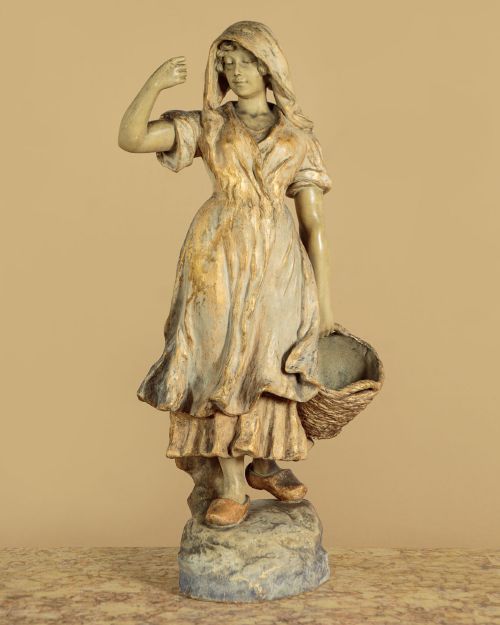
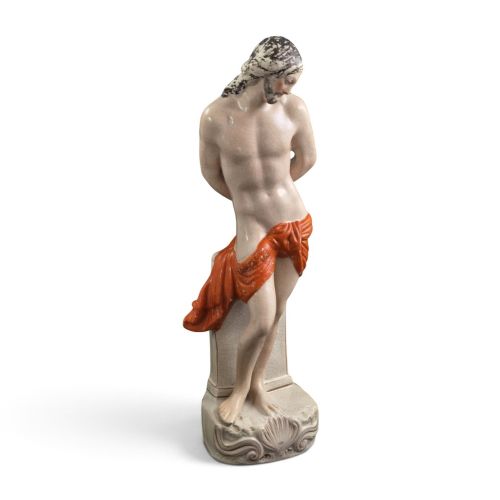
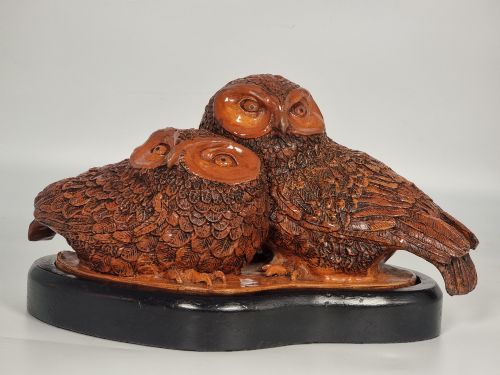
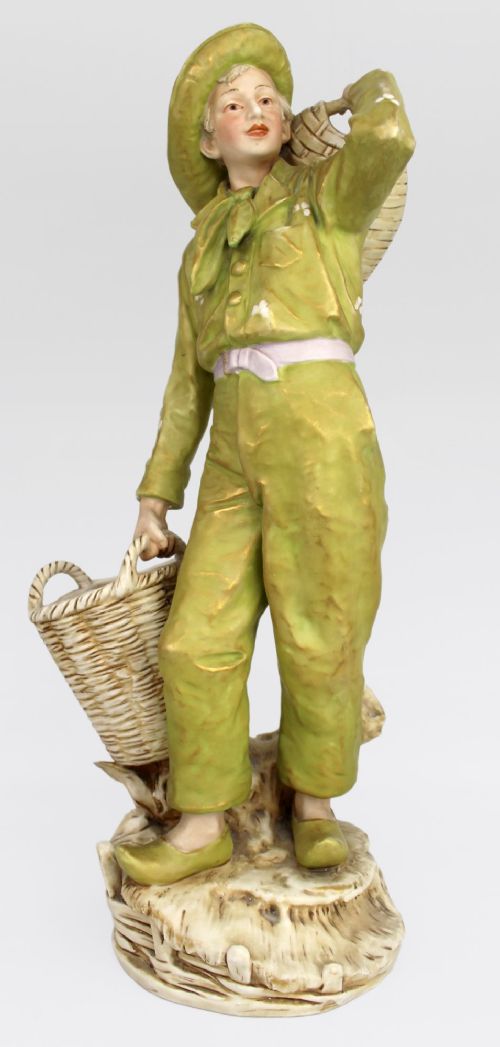
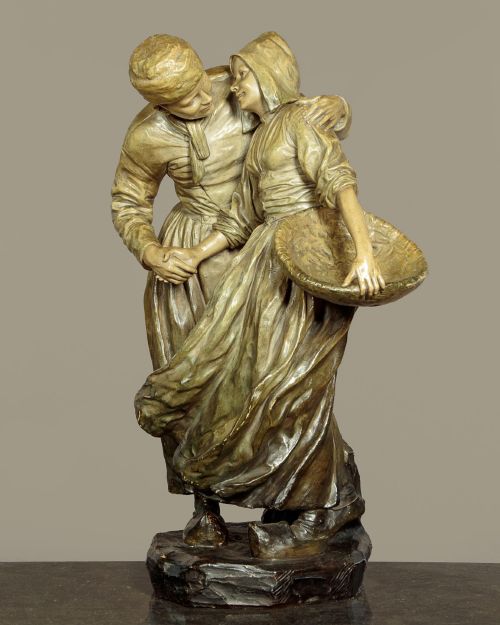
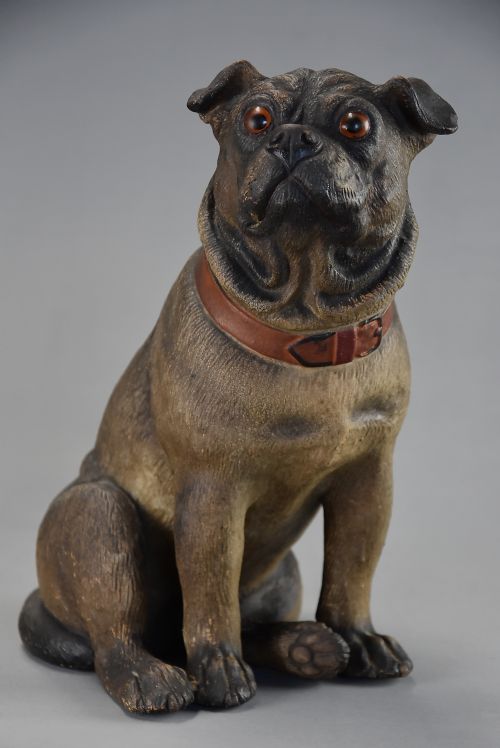
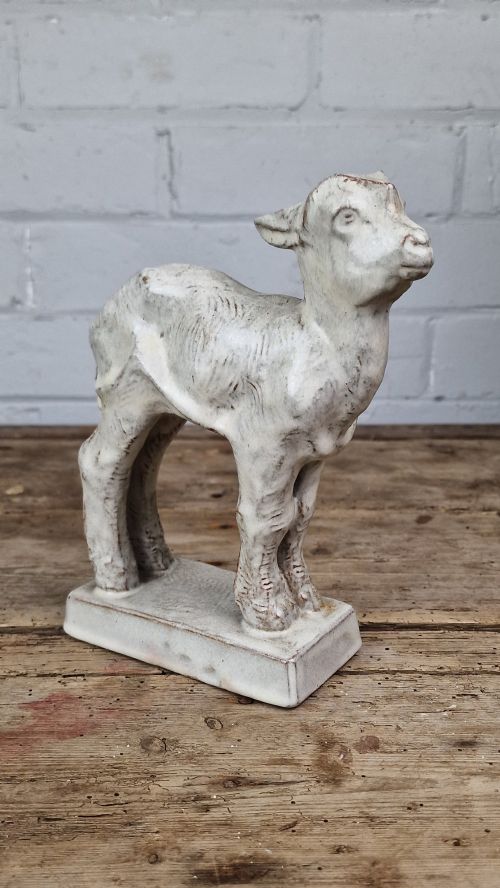
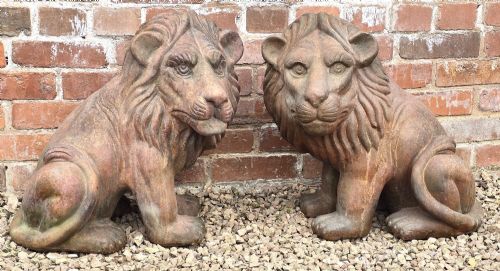
When you search for a terracotta ceramic statue, you encounter sculptural works shaped from fired earth across various eras, from pre-sixteenth century antiquities to nineteenth-century European figures. The most frequent examples on this page are nineteenth-century Austrian and English pieces, including animalier sculptures, large garden statues, and decorative portrait busts.
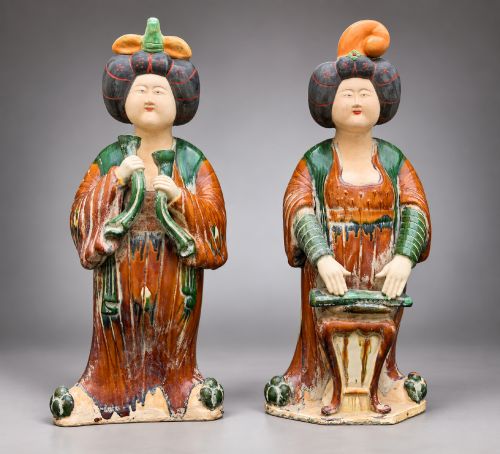
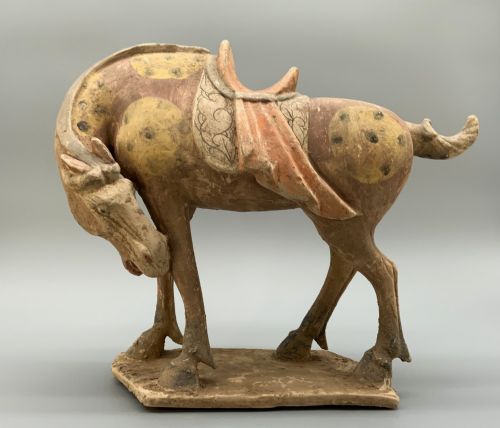
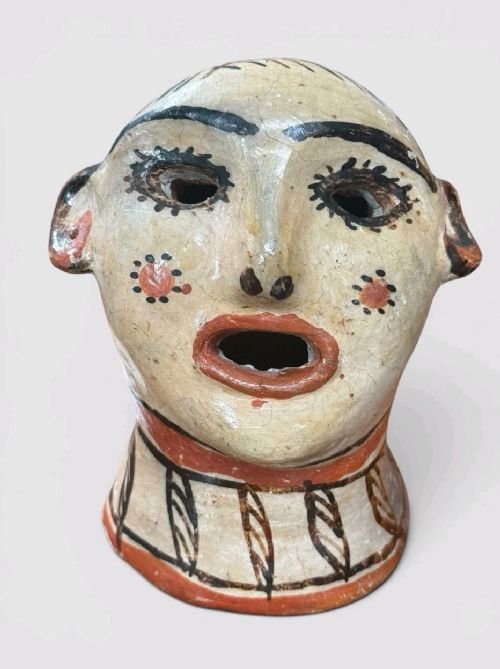
The selection extends from classical Neoclassical interpretations to Art Nouveau figures and folk art pottery. Alongside European terracotta, the listings include Chinese pottery figures in Tang Dynasty style, Peruvian clay head sculptures, and Japanese Satsuma wares.
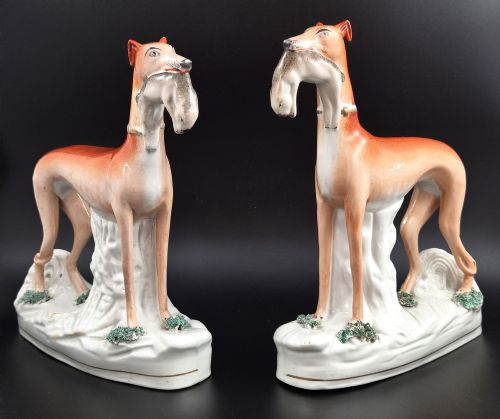
Makers produced these works as decorative figures, garden statues, and sculptural groups for interior display. They appear as single figures, matched pairs of lions or greyhounds, and multi-piece musical bands.
Materials and construction techniques
Makers formed these pieces using terracotta, earthenware, clay, and porcelain, often shaping the material by hand or pressing it into moulds. Many works receive a surface treatment of paint, glaze, or enamel, while others display a bronzed slip cast finish over the base ceramic body.
Firing temperatures determined the hardness of the earthenware and terracotta, preparing the body to receive polychrome paint or lead-based glazes like the sancai style. Ebonised timber bases sometimes support hand-sculpted pottery animals and figures.
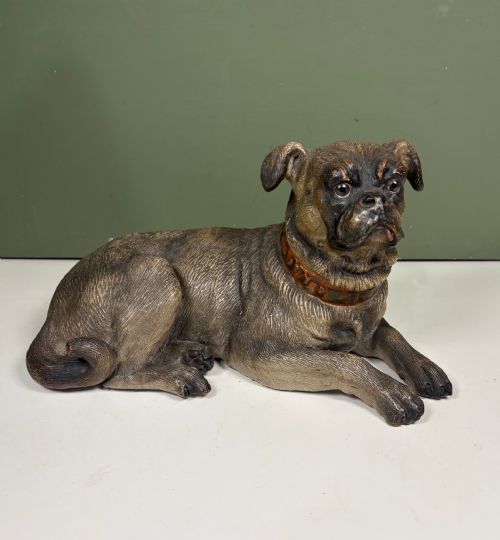
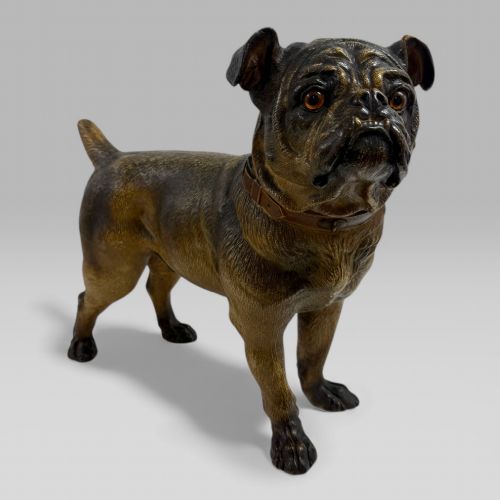
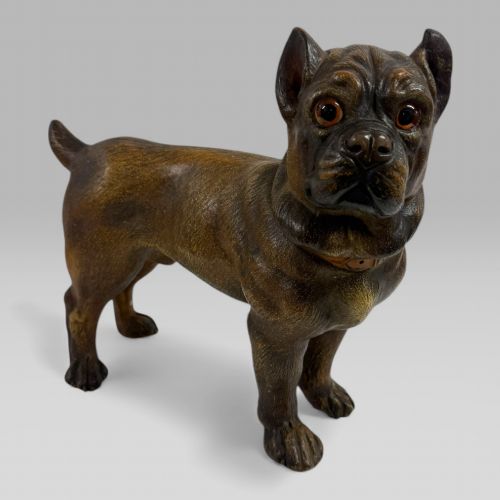
Several life-size pug dogs watch over the collection, proving that nineteenth-century households loved wrinkly hounds just as much as we do.
Factors distinguishing quality
The reputation of the studio or modeller dictates the standing of a piece, with established factories achieving more precise anatomical proportions and richer surface patination. Heavier, life-size sculptural forms require greater technical skill in the kiln to avoid warping during the drying process.
Goldscheider·Royal Dux Bohemia·George Kemper·Ernst Wallace·Bernard Bloch·Bavent·Joseph Constant
The Terracotta Ceramic Statue Glossary
- Terracotta
- A porous, fired red-brown earthenware clay used for sculptural figures and architectural ornaments. It hardens permanently in the kiln without necessarily receiving a vitreous glaze.
- Sancai
- A traditional three-colour lead glaze technique common in Chinese pottery, typically featuring amber, green, and cream tones. Artisans applied these glazes to funerary figures and animal models.
- Animalier
- A nineteenth-century artistic genre focusing on the realistic portrayal of animals. Sculptors rendered dogs, lions, and horses with careful attention to natural anatomy and movement.
- Earthenware
- Pottery fired at lower temperatures than stoneware or porcelain, remaining porous until glazed. This material forms the body of many nineteenth-century decorative figures.
- Neoclassical
- A stylistic movement reviving the forms and aesthetics of classical antiquity. Sculptors adopted this manner to portray busts and figures in traditional drapery.
Terracotta Ceramic Statue: Frequently Asked Questions
Can terracotta garden statues stay outside in winter?
Most antique terracotta lacks the frost resistance required for freezing outdoor conditions.
Move garden statues into a dry shed or sheltered interior space before the first winter frost to prevent cracking.
What is bronzed terracotta?
Makers applied a metallic bronze-coloured coating or slip over the fired clay body.
This technique imitated solid cast bronze while offering a lighter and less costly alternative for nineteenth-century decorative figures.
How do I date an antique ceramic figure?
Examine the base for impressed maker marks, registry numbers, or studio stamps.
Style, glaze chemistry, and the wear patterns on the underside provide further clues to the period of manufacture.