





Terracotta Caucasian Textile
These terracotta caucasian textile examples bring bold tribal motifs and rich earthy warmth into a room.
Terracotta Caucasian Textile
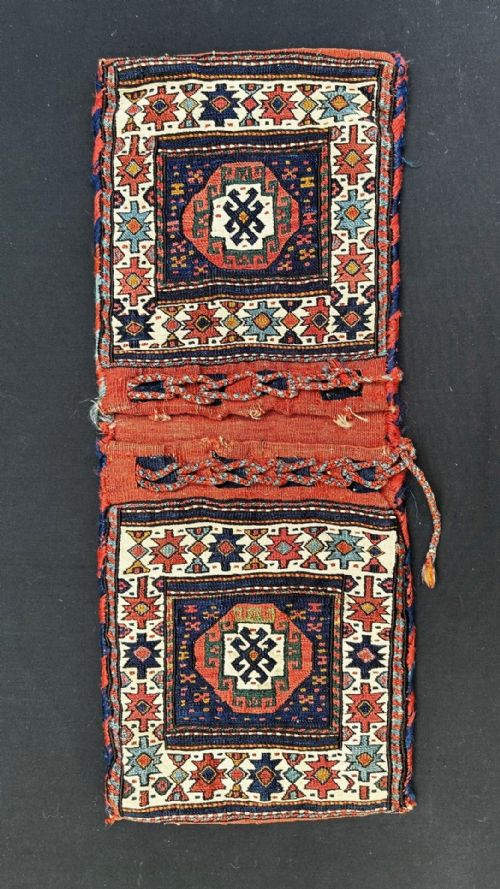
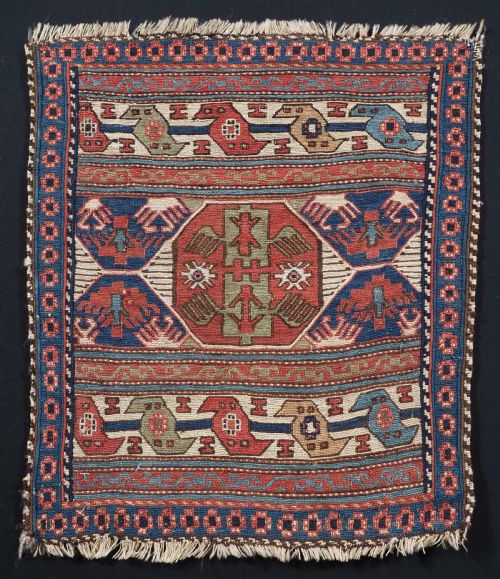
When you search for terracotta caucasian textile pieces, you are looking at hand-woven tribal rugs, runners, and storage bags from the nineteenth and early twentieth centuries. These woven items originate from nomadic and village weavers across the Caucasus region, particularly featuring works by Shahsavan nomads and other regional makers. The selection on this page centres primarily on utilitarian items such as saddlebags, bag faces, mafrash storage panels, and small rugs.
How they were made
The construction relies heavily on hand-spun wool and cotton foundation threads, utilising traditional weaving methods passed down through generations. Artisans employed the soumac technique alongside pile knotting and flatweaving to create textured, durable surfaces designed for rigorous daily transport.
Colour comes from natural dyes applied to hand-spun wool, yielding the characteristic terracotta hues and contrasting secondary tones found across these nomadic works. The combination of sturdy wool piles and flatwoven structural panels ensured that storage bags and rugs could withstand the demands of nomadic existence.
Terracotta Caucasian Textile Retail Price Guide 2026
Typical asking prices for terracotta caucasian textile among the pieces listed under this phrase on Sellingantiques today, from the lower quarter to the upper quarter. They describe what is for sale here now, not the wider market.
Watch closely and you might spot tiny woven dragons hiding among the geometric fields of nineteenth-century saddlebags.
What varies in quality
Quality in these textiles depends on the fineness of the hand-spun wool and the precision of the weaving technique, whether pile or soumac. Tighter knotting and crisper execution of geometric motifs elevate certain bag faces and panels above simpler utilitarian examples.
The complexity of the design also distinguishes finer pieces, particularly those incorporating specific tribal symbols, birds, or dragons within the composition. Preservation of the original natural dye colours and the integrity of the surviving wool foundation further define the standing of each woven object.
The Terracotta Caucasian Textile Glossary
- Soumac
- A flatweaving technique that wraps supplementaryweft threads around the warp yarns to create a sturdy, textured surface resembling embroidery. This method allows for sharp, detailed geometric patterns common in storage bags.
- Mafrash
- A large rectangular storage chest or transport bag made by nomadic groups, often constructed from four decorated panels and a base. Individual panels are frequently separated and repurposed as small display rugs or cushions.
- Khorjin
- The traditional term for a double saddlebag used by nomads for carrying household goods on pack animals. Surviving examples are often found as single bag faces or separated halves.
- Kilim
- A tapestry-woven carpet or flat-faced rug produced without a pile. These pieces rely on the tight interweaving of warp and weft strands to form crisp geometric designs.
Terracotta Caucasian Textile: Frequently Asked Questions
How were these bags used?
Nomadic tribes utilised these woven containers for storing household goods, bedding, and provisions during seasonal migrations. They were packed onto animals and designed to endure heavy daily handling.
Over time, many of these utilitarian containers were disassembled, leaving individual bag faces or panels that collectors now preserve as textile art.
What is a mafrash panel?
A mafrash panel is one side of a large rectangular storage container used by tribes like the Shahsavan for moving household possessions. These panels typically display intricate geometric patterns and soumac weaving.
When the original luggage structure wore out, the surviving decorative panels were often kept and utilised independently as small mats or wall hangings.
How do I date these textiles?
Dating relies on examining the materials, natural dye palettes, and structural characteristics visible in the weave. Pieces on this page predominantly span from the 1870s through to the 1920s.
Subtle shifts in wool preparation and regional design traits help distinguish nineteenth-century examples from early twentieth-century pieces.
Are these pieces made of wool?
The primary material is hand-spun wool, often combined with cotton foundation threads for structural stability. Natural dyes were utilised to colour the fibres before weaving.
This combination of materials provided the durability required for nomadic storage bags and floor coverings.