
Woven Tribal Rug Textile
When you examine a woven tribal rug textile, you hold a functional piece of nomadic life crafted for daily utility across Persia and Central Asia.
Woven Tribal Rug Textile
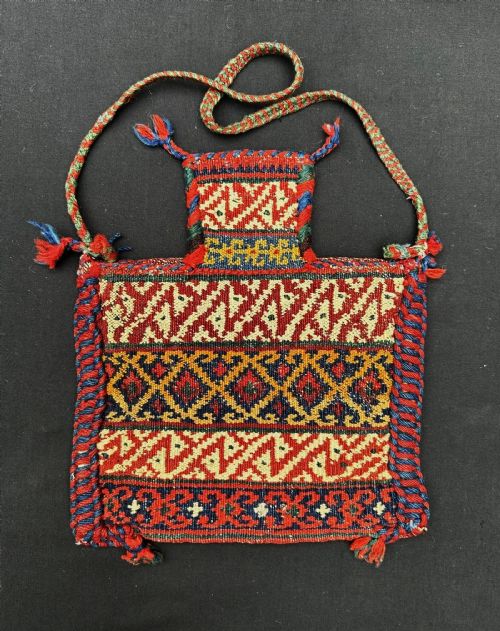
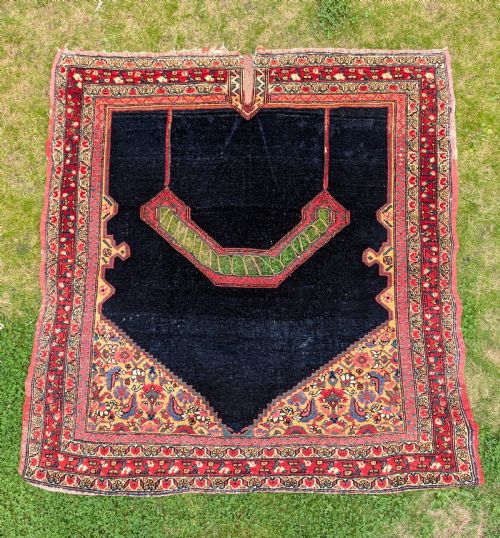
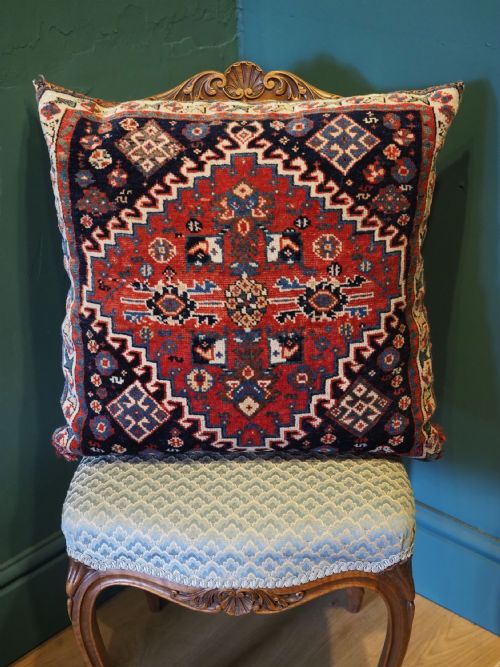
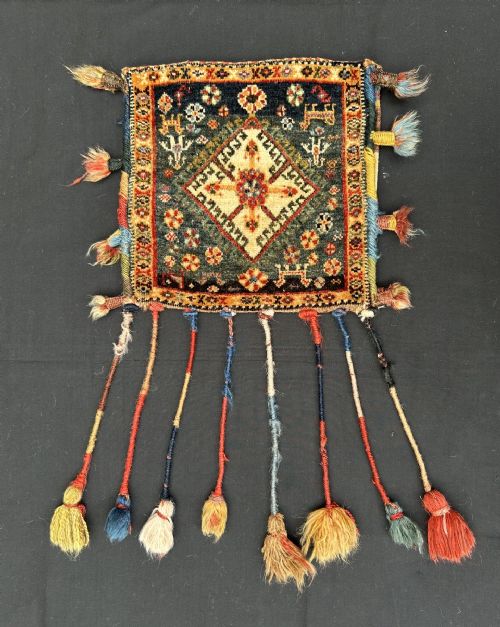
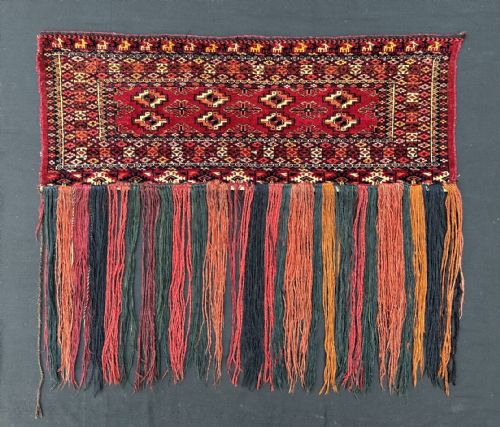
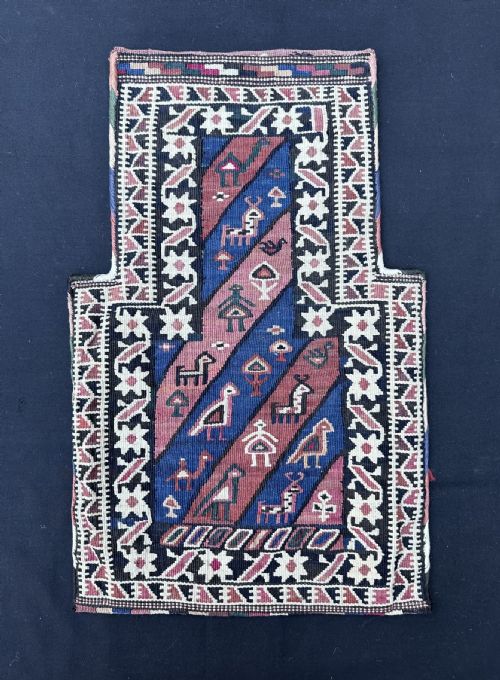
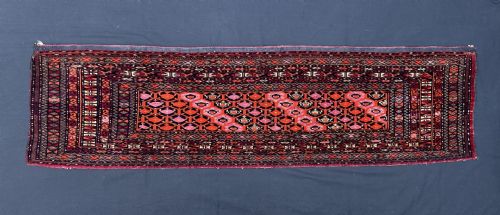
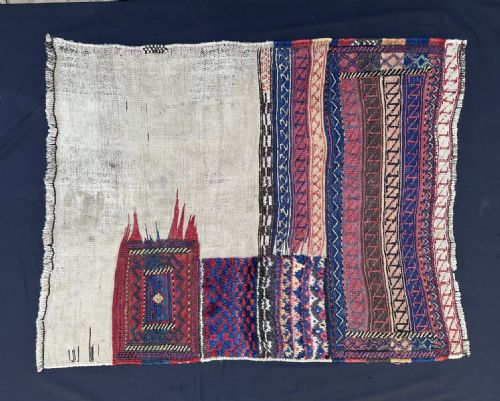
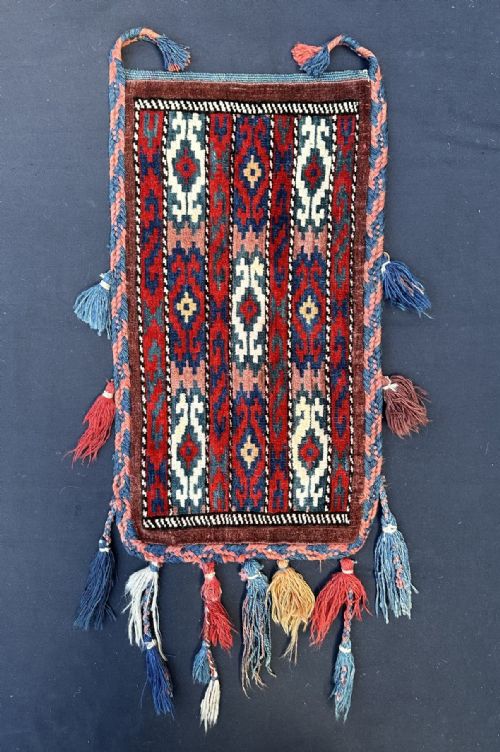
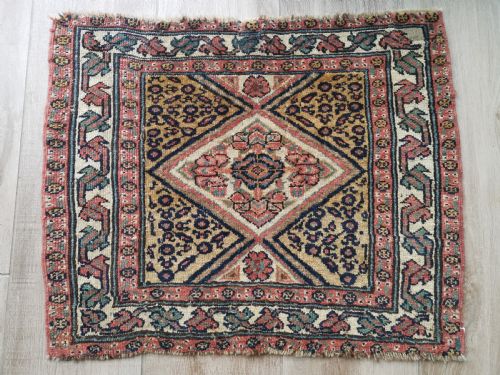
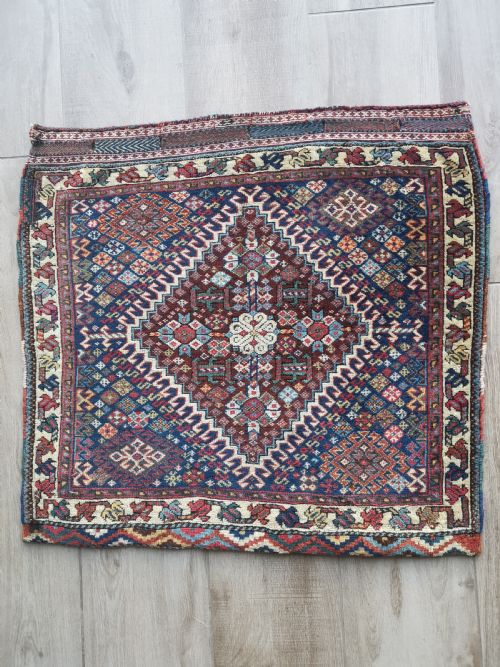
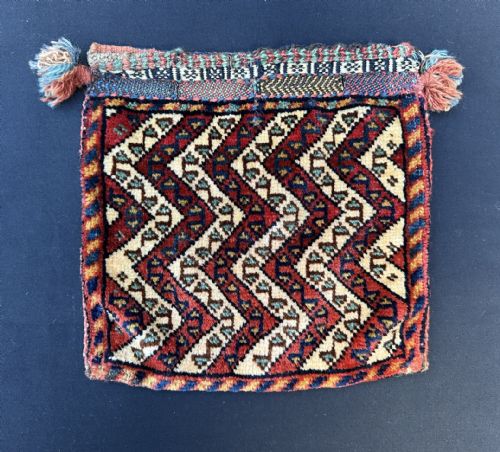
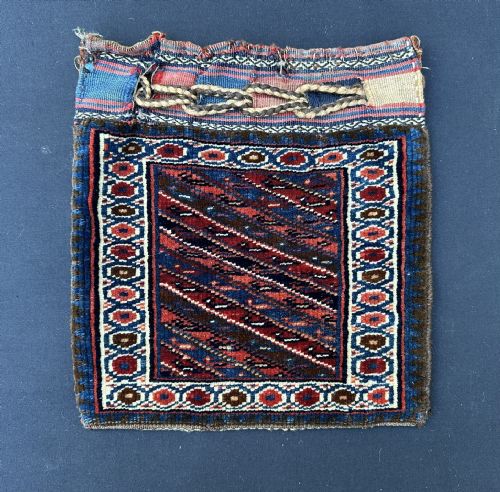
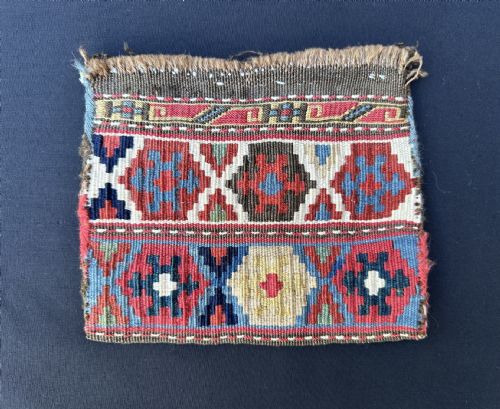
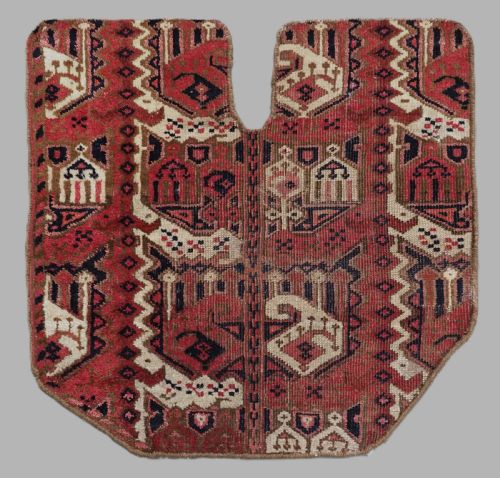
A woven tribal rug textile encompasses practical domestic containers, horse trappings, and floor coverings made by nomadic and village groups. Buyers searching this phrase encounter smaller functional formats such as salt bags, saddle covers, vanity pouches, and cushion faces rather than large room-sized carpets.
The regional attribution spans Persian tribal confederacies like the Qashqai and Afshar, alongside Central Asian groups including the Yomut, Tekke, and Ersari Turkmen. Pieces frequently originate from specific tribal territories such as Fars province, the Merv oasis, or the Khorassan region.
Dating across the available selection typically centres on the nineteenth and early twentieth centuries, spanning from the eighteen-fifties through to the nineteen-twenties. These works reflect the traditional weaving habits of specific sub-tribes before settled manufacture altered local patterns.
Materials and construction methods
Makers relied primarily on wool and hand-spun wool for the pile and foundation yarns, combined with cotton for structural warps or wefts in specific regional formats. Natural dyes provided the foundational palette for the geometric and field motifs.
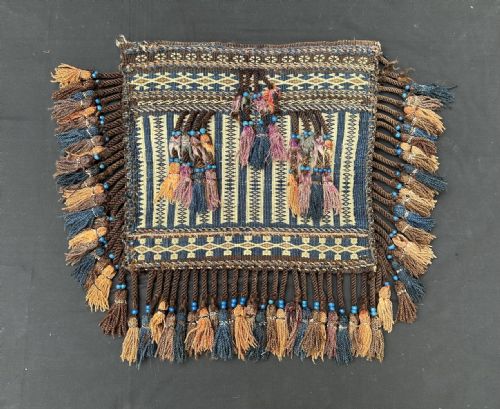
Surface ornamentation occasionally integrated decorative additions such as glass beads and cowrie shells, while edges and flaps incorporated finished leather elements for durability during transport.
Nomadic weavers occasionally stitched cowrie shells and glass beads directly onto utility bags to ward off the evil eye during long journeys.
Factors determining quality
Quality depends upon the fineness of the knotting and the tightness of the weave, which dictated how well a utilitarian bag or trapping endured nomadic existence. Tighter structures allowed sharper definition within complex tribal motifs and geometric layouts.
The purity and depth of the natural dyes influence visual success, alongside the consistency of hand-spun wool yarns. Examples retaining original tassels, complete closures, and undamaged structural edges command greater appreciation among collectors.
The Woven Tribal Rug Textile Glossary
- Asmalyk
- A pentagonal trapping produced by Turkmen tribes, traditionally hung on the flanks of a bridal camel during wedding processions. These decorative textiles display distinctive gul motifs and structured borders.
- Torba
- A small Turkmen storage bag used within the yurt for household possessions and bedding items. They usually feature wide horizontal formats with repeating guls across the face.
- Sofreh
- A flatwoven spread or cloth utilised for kneading bread, serving meals, or processing grain within nomadic households. Their designs focus on minimalist geometric fields.
- Jollar
- A Turkmen tent-hanging or storage bag designed for stacking belongings inside a nomadic dwelling. They typically present elongated rectangular proportions.
- Gul
- A repeated primary medallion or octagonal motif characteristic of Turkmen and Central Asian tribal weaving traditions. Each tribal group utilised specific variations to denote lineage.
- Bagface
- The decorative front panel of a utilitarian storage sack, separated from its plain plainweave back after the item completed its working life. These panels preserved the intricate knotting for display.
Woven Tribal Rug Textile: Frequently Asked Questions
What is a tribal bag used for?
Nomadic groups utilised these woven containers for practical storage within tents, transporting salt, tobacco, pipes, or personal belongings during seasonal migrations. Larger variants served as saddle bags or horse covers on animals.
Over time, these functional objects became prized for their intricate tribal patterns, shifting from utilitarian camp gear to collectible textile art.
How do I identify a Turkmen asmalyk?
An asmalyk is recognised by its distinct pentagonal shape, created specifically by Yomut and other Turkmen tribes as bridal camel decorations. They feature balanced geometric layouts and specialised border designs.
These pieces were made in pairs to adorn both flanks of the animal during wedding ceremonies, making matched sets particularly notable.
Where were Afshar tribal textiles made?
Afshar pieces originate from the tribal groups inhabiting the Kerman province and surrounding mountainous regions of southern Persia. The weavers incorporated local flora and fauna influences into concentrated geometric formats.
Their work often includes distinct saddle covers, vanity bags, and salt containers distinguished by deep indigo and madder red dye palettes.
How do I care for an antique textile?
Keep these items out of direct sunlight to prevent natural dyes from fading over time, and gently vacuum with a low suction attachment through a mesh screen. Avoid hanging heavy pieces by a single point to prevent structural distortion along the upper edge.
Professional textile conservators should handle any necessary cleaning or structural stabilization to preserve the integrity of the original wool and foundation yarns.