







Geometric Tribal Wall Art
These pieces of geometric tribal wall art transform nomadic textiles and carved objects into striking focal points for modern interiors.
Geometric Tribal Wall Art
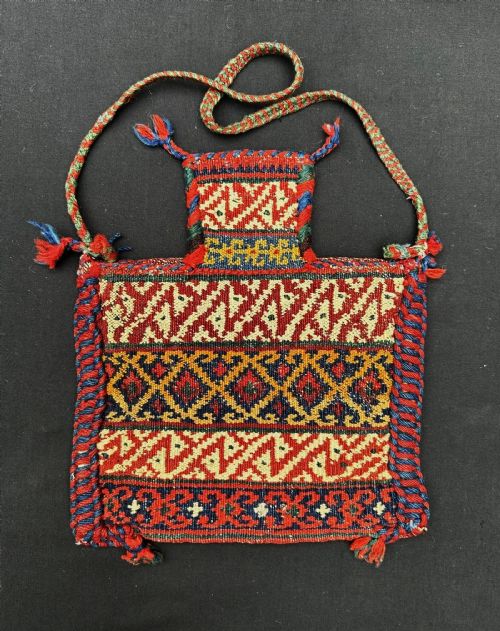
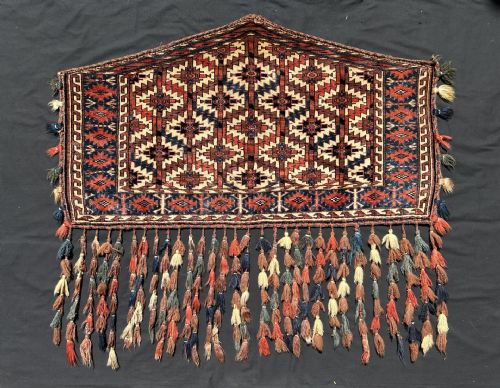
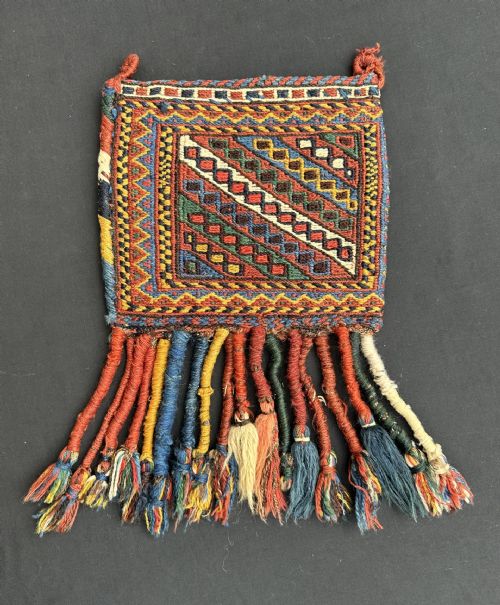
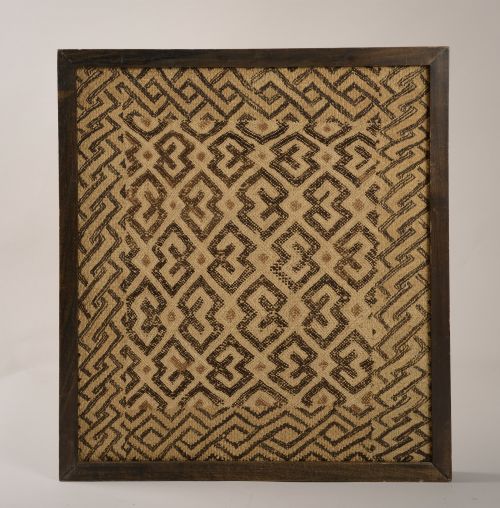
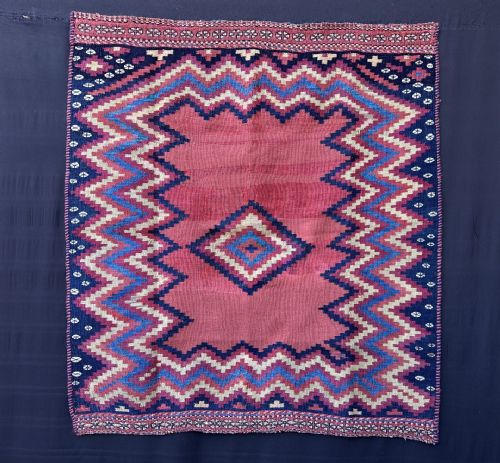
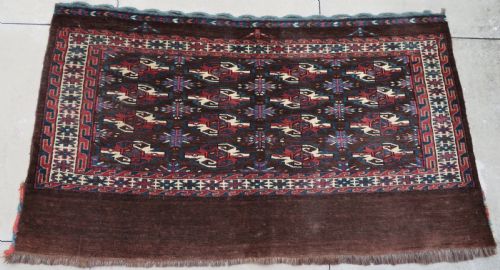
Geometric tribal wall art encompasses nomadic textiles, storage pouches, bags, and wooden artefacts originating from Persia, Central Asia, and Africa. When searching for geometric tribal wall art, buyers encounter items such as antique salt bags, asmalyks, torbas, flatweave rugs, and framed raffia tapestries. The selections span from the late nineteenth century into the mid-twentieth century, showcasing rich cultural histories.
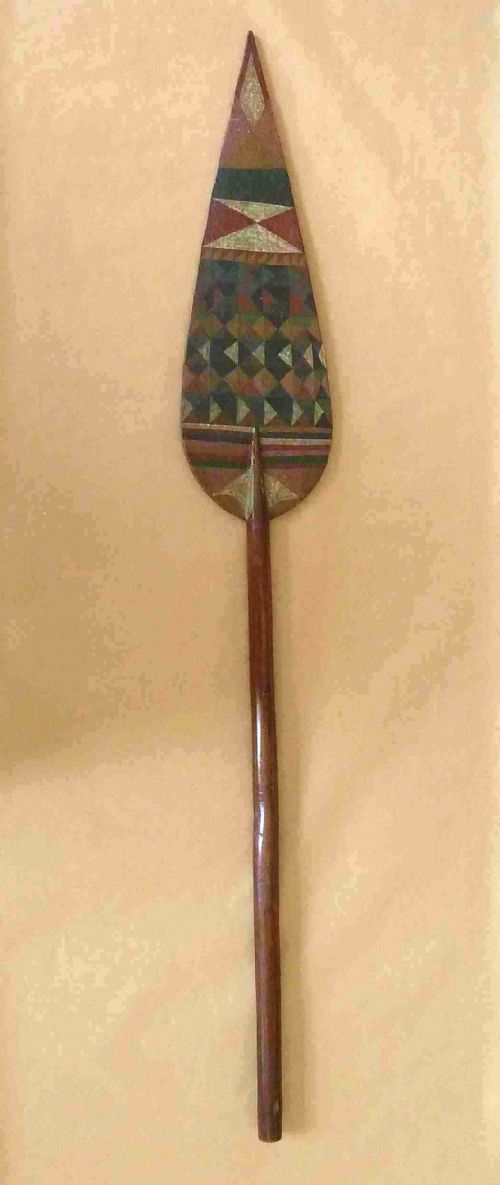
Nomadic weaving traditions dominate this category, alongside carved wooden trade objects like canoe paddles. Pieces like Afshar tobacco and pipe bags, Shahsevan mini saddle-bags, and Yomut Turkmen dizlyks bring structured patterns into domestic settings. These functional items transition naturally into decorative wall hangings due to their striking visual layouts.
What Varies in Quality
The precision of the weave and the complexity of the tribal motif determine the visual strength of each piece. Tighter knotting and disciplined geometric symmetry separate standard utility items from finer tribal expressions. Natural dye saturation adds depth that chemical dyes simply cannot replicate.
Condition and completeness matter significantly when functional objects become wall art. Intact borders, original hanging elements, and well-preserved structural fibres elevate the desirability of a textile or wooden artefact.
A painted ceremonial trade paddle shares space with nomadic salt bags, proving art happens wherever someone needs to cross a river.
The Geometric Tribal Wall Art Glossary
- Asmalyk
- A pentagonal trapping traditionally used to decorate the flanks of a camel during Turkmen wedding processions. These pieces often feature bold geometric patterns.
- Soumak
- A flatweave technique where supplementary pattern wefts are wrapped around the warp threads before being beaten down. This creates a durable structure with a braided front surface.
- Torba
- A small horizontal wall hanging or storage bag produced by nomadic tribes in Central Asia. They frequently display repetitive gul motifs.
- Kuba cloth
- Textile made from raffia palm fibre originating from Central Africa, known for its intricate geometric appliquéd and embroidered designs. These are frequently framed for display.
- Sofreh
- A flatwoven spread or cloth used during meals or bread-making within nomadic households. Their stark geometric designs make them popular for display.
Geometric Tribal Wall Art: Frequently Asked Questions
How do I hang these textiles?
Most flatweaves and bags can be mounted using a professional textile conservator who attaches a discreet cotton sleeve to the reverse. A slim wooden or metal rod slips through this sleeve to support the weight evenly across the wall.
Framing offers another method, particularly suited for raffia tapestries or smaller pouches. This protects delicate fibres from dust and environmental wear while keeping the piece flat.
What regions do these pieces come from?
The inventory originates from regions including Persia, Azerbaijan, Turkmenistan, Uzbekistan, and Central Africa. Nomadic groups such as the Afshar, Yomut, Shahsevan, and Lakai created these items.
Each geographic area developed distinct tribal motifs and weaving structures. These regional traits help identify the specific cultural background of a piece.
How do I clean textile art?
Regular, gentle vacuuming through a mesh screen helps remove surface dust without disturbing the wool or cotton fibres. Professional textile cleaners should handle any deeper cleaning needs.
Water washing can cause natural dyes to bleed or weaken old wool foundations. Preventive maintenance remains the safest approach for antique pieces.
Are these items authentic antiques?
The selections date from the late nineteenth century through to the mid-twentieth century. Materials such as hand-spun wool, natural dyes, and aged raffia indicate traditional manufacturing methods.
Wear patterns and material oxidation corroborate the age of each piece. These indicators separate genuine antique artefacts from modern reproductions.