
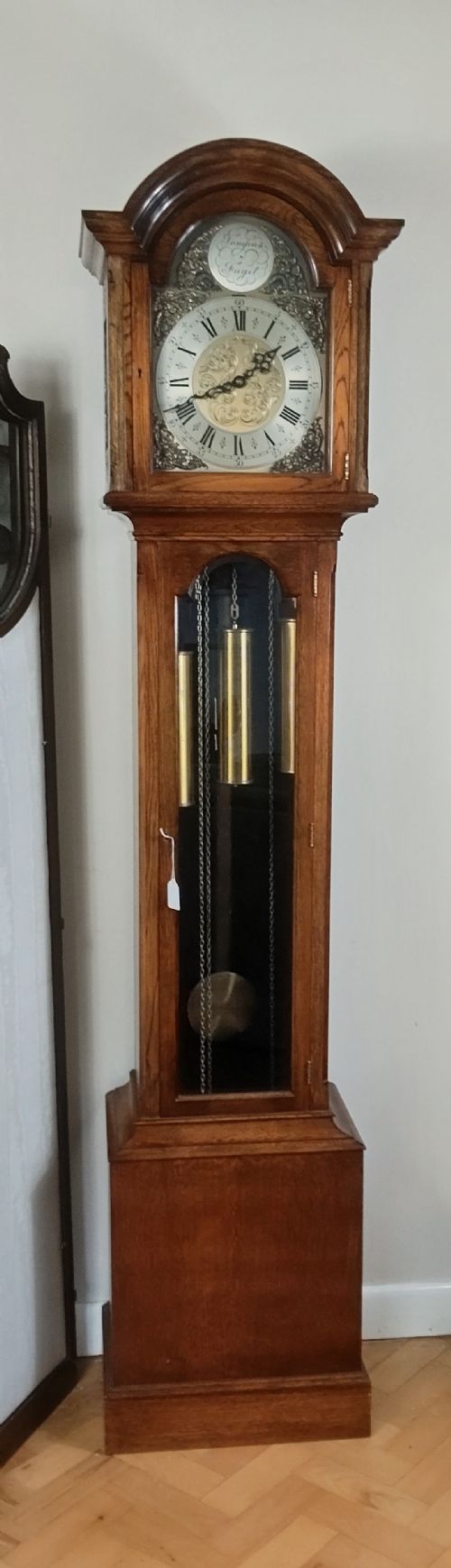


Tempus Fugit Clock
These tempus fugit clock pieces are tall case and shelf timepieces bearing the famous Latin motto, offering traditional chime movements and classic wood cabinetry.
Tempus Fugit Clock
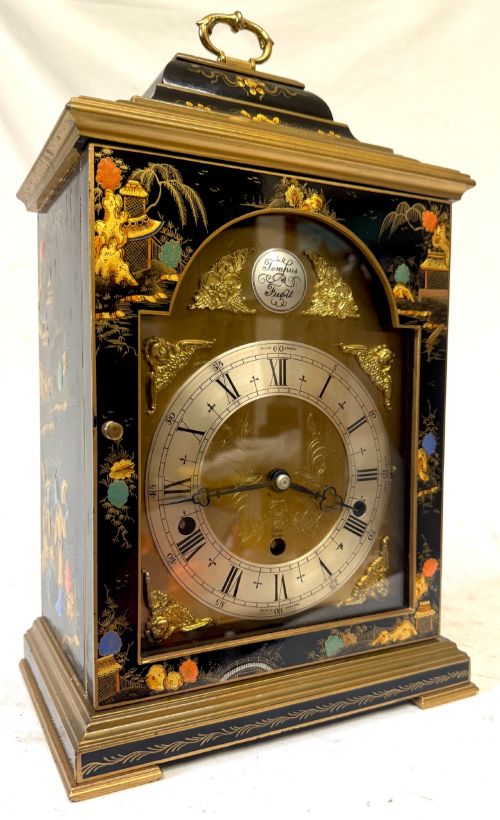
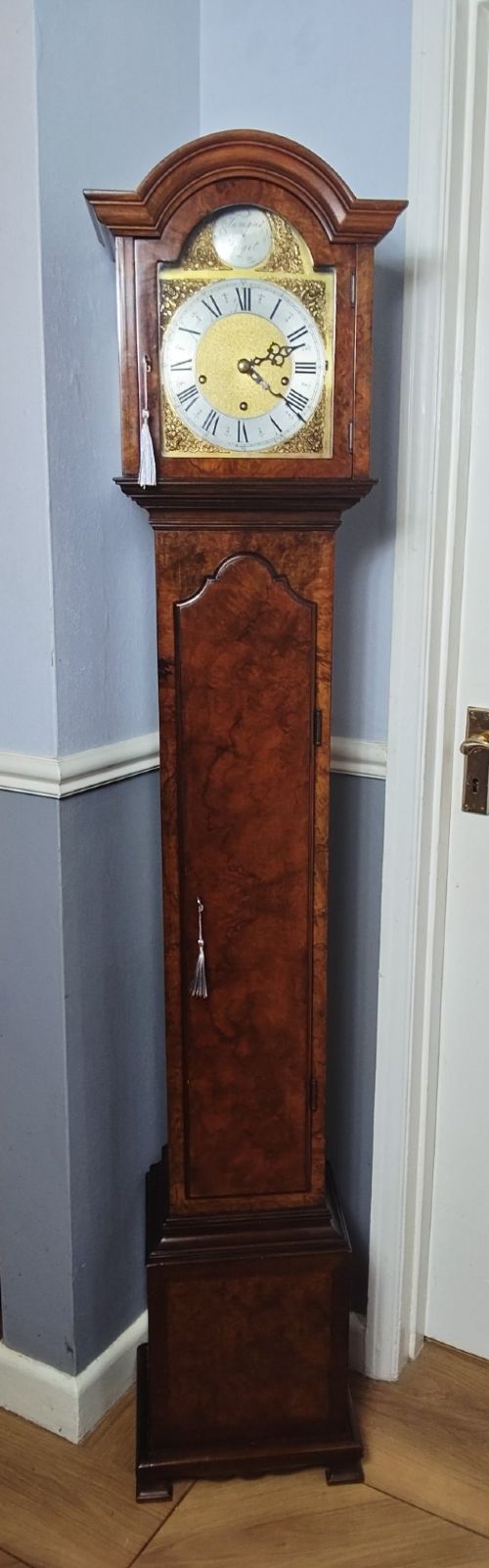
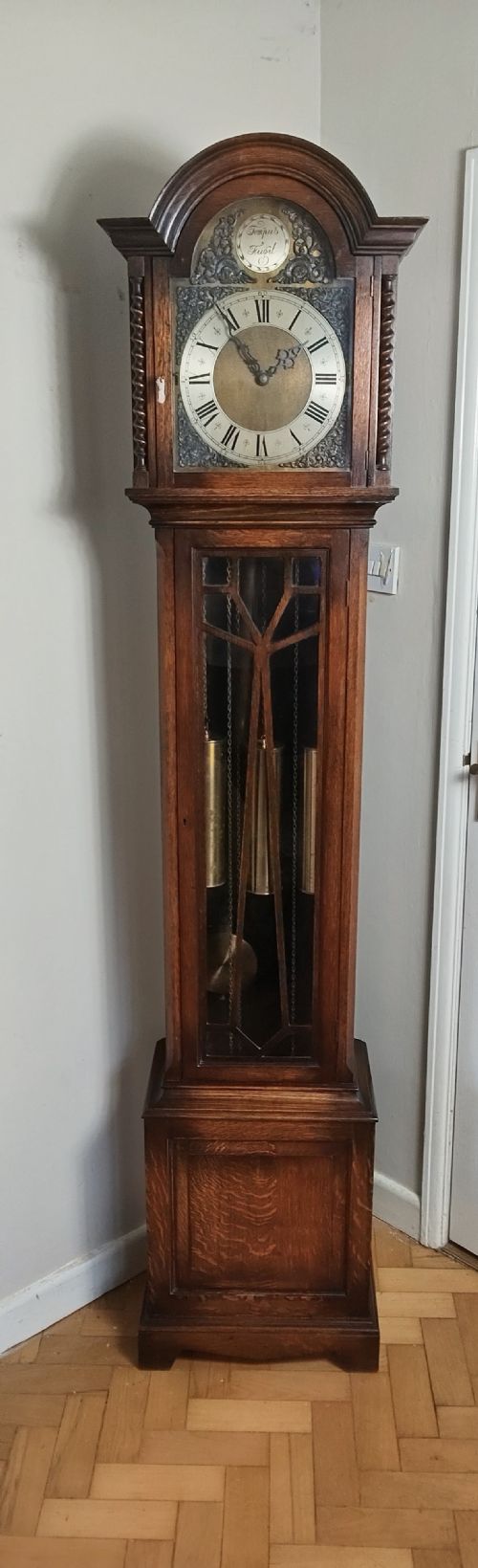
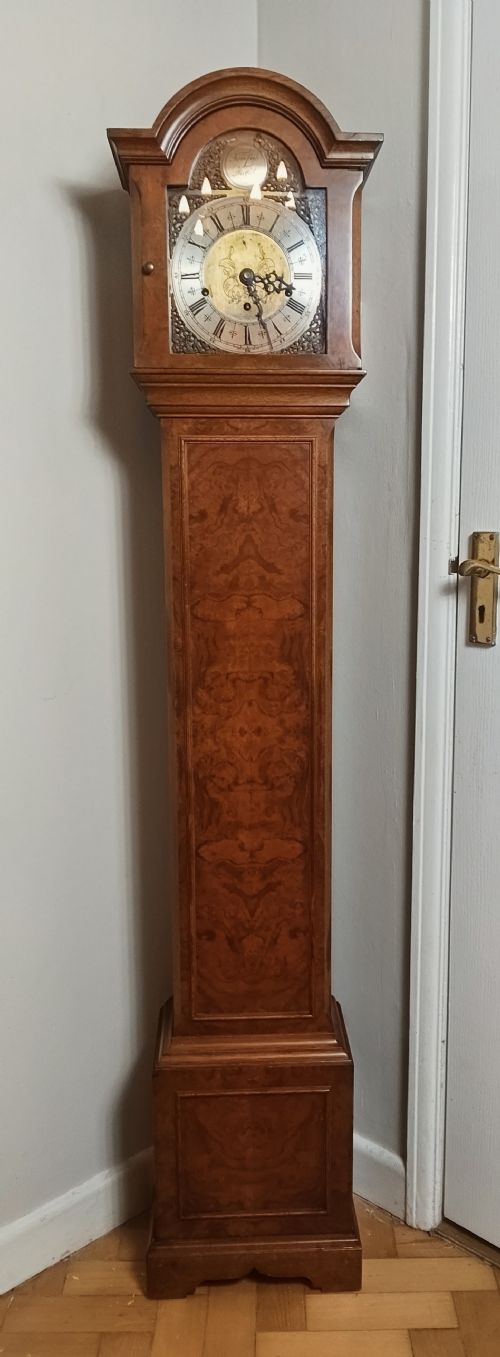
A tempus fugit clock typically bears the Latin phrase meaning time flies upon its dial, marking the passage of hours with distinct chimes. You will encounter grandfathers, smaller grandmother versions, and mantel clocks as you browse these listings.
The selections span eras from the Georgian period through Victorian times and into the twentieth century, with revival styles reproducing earlier cabinet forms. Oak, walnut, and mahogany dominate the timber choices, alongside lacquered finishes.
Smaller proportions appear frequently in the form of grandmother and miniature longcase clocks, designed for domestic spaces with lower ceilings. Musical movements and quarter chiming mechanisms add auditory depth to the visual presence of these floor clocks.
Assessing quality and execution
The refinement of the cabinet woodwork separates standard production from superior examples, visible in matched wood veneers and carved details. Figured walnut and burr walnut surfaces require careful selection by the cabinet maker.
Movement complexity dictates the standing of a piece, with triple weight systems, musical barrels, and quarter chiming capabilities representing advanced horological work. Maker attribution, such as Elliott or Geo Tarratt, adds historical interest to the mechanism.
Tempus Fugit Clock Retail Price Guide 2026
Typical asking prices for tempus fugit clock among the pieces listed under this phrase on Sellingantiques today, from the lower quarter to the upper quarter. They describe what is for sale here now, not the wider market.
A cheerful green lacquered case stands out among the dark wood tones, reminding us that past owners loved a splash of colour.
Elliott·Enfield·Geo Tarratt of Leicester
The Tempus Fugit Clock Glossary
- Grandfather clock
- A tall floor-standing pendulum clock, typically exceeding six feet in height. These longcase pieces house weights and swinging pendulums within the main trunk.
- Grandmother clock
- A scaled-down version of the traditional longcase clock, standing shorter and narrower. They suit rooms where a full-size grandfather model overwhelms the floor space.
- Chinoiserie
- A decorative European style reflecting Chinese artistic traditions, applied to clock cases through lacquer and painted motifs. This aesthetic became popular during revival periods.
- Quarter chiming
- A movement mechanism that strikes the bells or gongs every fifteen minutes. It sounds progressively more notes as the hour approaches.
- Three train
- A clock movement driven by three separate gear trains for timekeeping, striking, and chiming melodies. Each train operates via its own weight or spring barrel.
Tempus Fugit Clock: Frequently Asked Questions
What does tempus fugit mean on a clock?
The phrase translates from Latin as time flies, serving as a philosophical reminder of mortality and the constant passage of hours. It appears frequently inscribed on clock dials across various centuries.
This inscription connects the practical function of timekeeping with a traditional decorative sentiment often found on English longcase and mantel pieces.
How do I tell a grandfather clock from a grandmother clock?
Grandmother clocks are significantly shorter and more slender than standard grandfather clocks, usually standing under six feet tall. They were developed to fit modern domestic interiors with lower ceilings.
Both share similar longcase architecture and weighted pendulum movements, differing primarily in scale and proportions.
What is a triple weight clock?
A triple weight clock utilises three suspended weights inside the trunk to power separate gear trains for time, striking, and musical chimes. This mechanical setup allows the clock to play sustained melodies in addition to standard hour strikes.
Such movements require adequate drop space within the case for all three weights to descend fully over their running cycle.
Where should I place a longcase clock?
Longcase clocks require stable, level flooring to ensure the pendulum swings evenly and the escapement mechanism beats correctly. Placing them against an interior wall protects the timber case from extreme temperature fluctuations near windows.
Sufficient vertical clearance is essential, particularly when installing taller grandfather models rather than compact grandmother variants.
How do I set up a chiming longcase clock?
Setting up involves securing the clock case to the wall for stability, hanging the weights on their respective lines, and attaching the pendulum to its suspension spring. The hands must be adjusted carefully following the specific instructions of the movement.
Allowing the chimes to complete their sequence without forcing the hands prevents damage to the internal rack and snail mechanism.