



Tallcase Regulator Clock
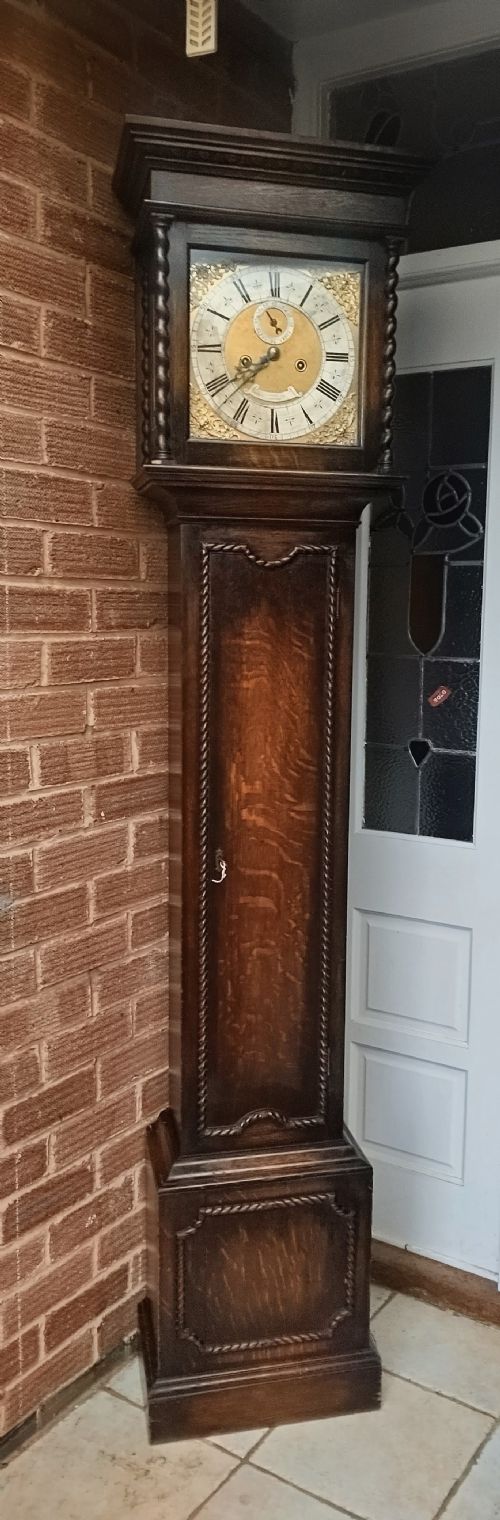
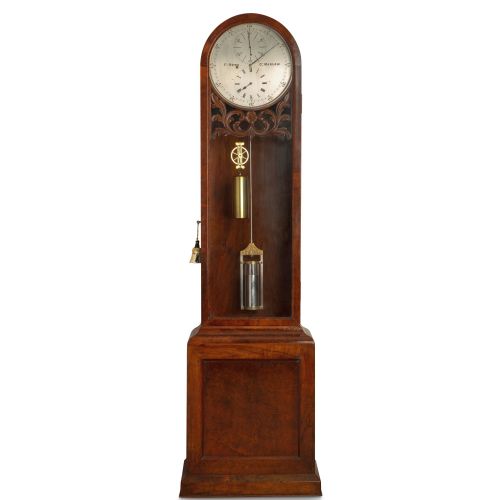
A tallcase regulator clock is a precise timekeeper housed in a towering timber enclosure that commands attention in any hallway.
Tallcase Regulator Clock
A tallcase regulator clock is a sophisticated timekeeping instrument designed for exceptional accuracy, typically taking the form of a longcase or grandfather clock. When you search for a tallcase regulator clock, you encounter pieces spanning from the eighteenth century through to the nineteenth century, with Victorian and Regency examples appearing frequently.
The cases on this page vary significantly in design, ranging from straightforward mahogany and maple housings to more elaborate French Rococo and Louis XVI style interpretations. Enclosures incorporate glass panels to display the swinging pendulum and weights, whilst dials often feature silvered metal or enamel finishes.
Makers recorded in the evidence include regional British watchmakers such as William Chisholm of Aberdeen, Pearce and Sons of Leicester, Aitchison of Glasgow, Hampston Prince and Cattles of York, Frederick Rowe of Great Marlow, and Richard Rowell of Oxford. These diverse origins demonstrate that accurate timekeeping production extended far beyond the capital.
Materials and construction
Timbers such as mahogany, oak, maple, and kingwood form the structural carcass of these tallcase regulator clock examples, providing the stability necessary for precise internal mechanics. Cabinet makers utilised veneers and inlay work to decorate the exterior surfaces, occasionally incorporating ormolu mounts on continental pieces.
Internal movements rely on brass components, while dials are frequently constructed from silvered metal or enamel to ensure clear legibility of the hours and minutes. Glass viewing panels protect the delicate pendulum and weights from dust and air currents while allowing the mechanism to remain visible.
Some provincial makers thoughtfully included inspection windows on the side of the hood so you can admire the gear train without opening the door.
Assessing quality and execution
Quality in a tallcase regulator clock lies in the refinement of the movement and the integrity of the cabinet work. Superior examples demonstrate meticulous attention to the escapement and gear train, ensuring the timekeeping matches the ambition of the housing.
The selection of timber and the execution of details such as arched hoods, brass dial fittings, and glass panels distinguish standard workshop production from the work of notable provincial and metropolitan makers.
William Chisholm Of Aberdeen·Pearce And Sons·Aitchison Of Glasgow·Hampston Prince And Cattles Of York·Frederick Rowe Of Great Marlow·Richard Rowell Of Oxford
The Tallcase Regulator Clock Glossary
- Regulator
- A precision clock designed to keep exceptionally accurate time, often used as a standard against which other timepieces were set. These mechanisms prioritise exactness over elaborate striking complications.
- Longcase clock
- A tall pendulum clock enclosed in a wooden case consisting of a trunk for the weights and pendulum and a hood enclosing the dial. Also known as a grandfather clock.
- Silvered metal
- A metallic dial surface treated with a silver compound to produce a matte, reflective finish that enhances the legibility of engraved numerals. This technique is typical on better quality clock faces.
- Ormolu
- Gilded bronze ornamentation applied to furniture and clock cases, particularly prominent on French Rococo and Louis XVI style examples. The technique involves fusing an amalgam of gold onto a bronze base.
Tallcase Regulator Clock: Frequently Asked Questions
How do I set up a tallcase regulator clock?
Setting up requires placing the case on a level floor and securing it to the wall to prevent vibration. The pendulum and weights must be hung carefully on their respective suspensions before starting the beat.
Ensuring the case stands plumb is vital for the escapement to function evenly. Allow the clock to settle for twenty-four hours after installation before making minor adjustments to the timing regulation.
Where should I place a tallcase regulator clock?
Position the clock against an interior wall away from direct sunlight, heating vents, and exterior doors. Fluctuations in temperature and humidity affect both the wooden case and the metal movement.
A hallway or study provides a stable environment where the rhythmic ticking can be appreciated without disturbance. Adequate clearance overhead is essential when installing cases that exceed standard ceiling heights.
How can I tell the difference between periods?
Georgian and Regency examples typically feature restrained mahogany proportions with architectural cornices and brass dial details. Victorian pieces often introduce heavier mouldings and alternative timber treatments.
Nineteenth-century continental variations, such as French Louis XVI style or Rococo pieces, incorporate kingwood inlay and decorative ormolu mounts. Comparing the dial layout and secondary woods helps clarify the era of manufacture.