





Tall Wooden Sculpture Stand
A tall wooden sculpture stand elevates an art piece or bust to eye level, bringing presence and architectural focus to a room.
Tall Wooden Sculpture Stand
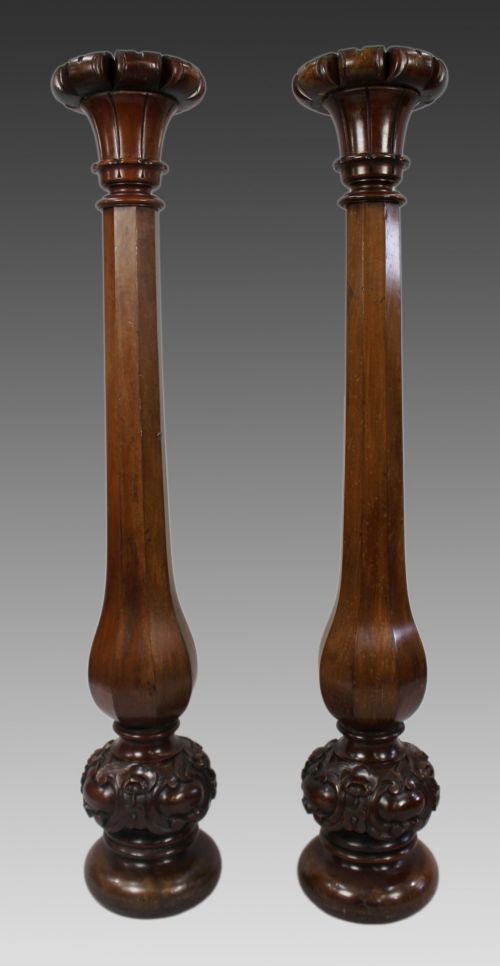
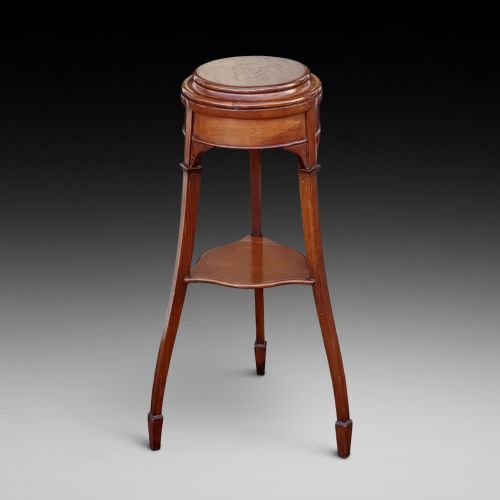
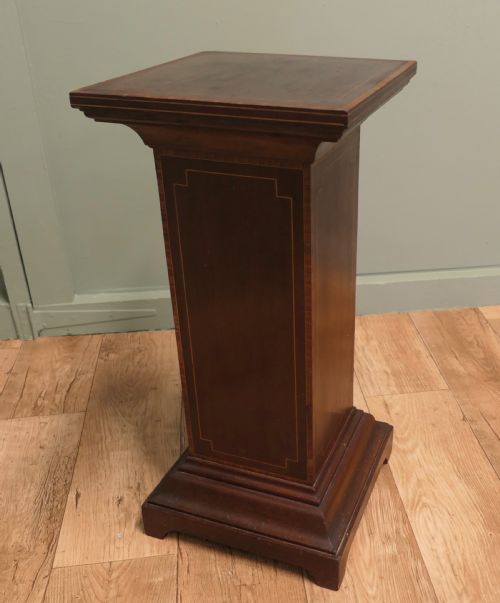
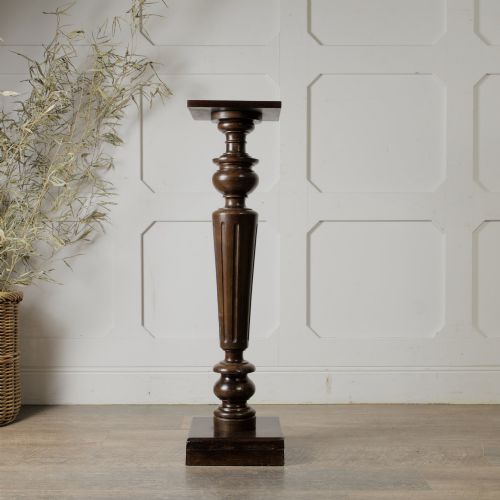
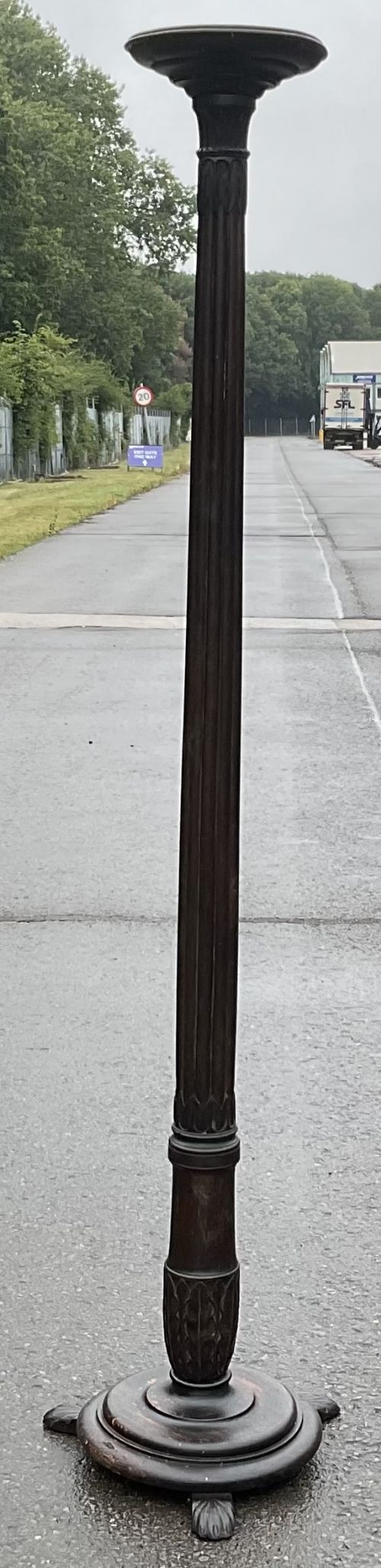
A tall wooden sculpture stand serves as a sturdy vertical platform designed to display busts, figures, or urns. When searching for a tall wooden sculpture stand, collectors encounter diverse forms including classical columns, turned plinths, and slender torchieres.
The pieces on this page span the nineteenth and early twentieth centuries, encompassing Victorian, Edwardian, and Art Deco periods. Makers constructed these supports in varied heights and proportions to anchor heavy sculptural works or delicate decorative objects.
Object designations vary across listings, appearing as pedestals, plinths, columns, and torchieres. Despite different nomenclature, all function primarily to elevate display items above floor level.
Materials and construction
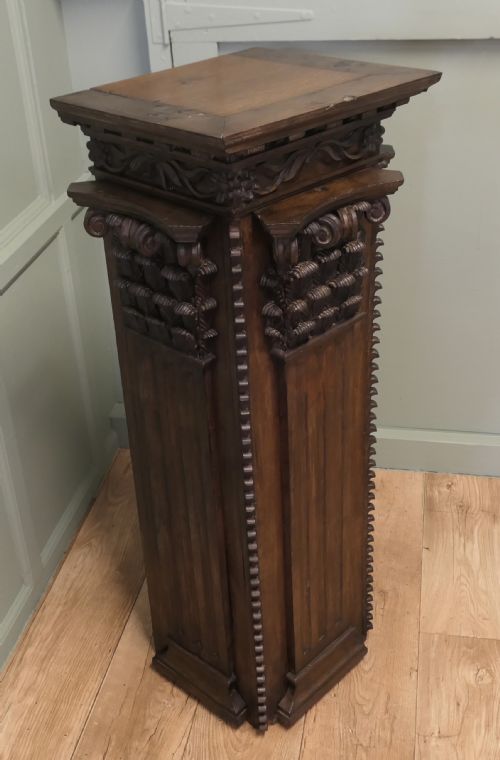
Cabinet makers utilised dense hardwoods such as mahogany, walnut, and oak to ensure structural stability for heavy displays. Timber sections were frequently turned on a lathe or joined with traditional woodworking techniques to form robust cylindrical and square columns.
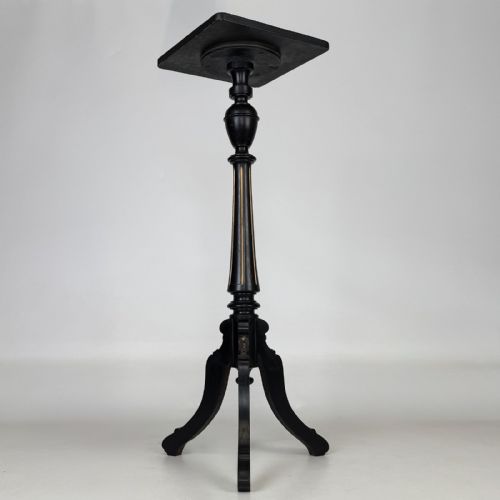
Surface treatments range from clear polish revealing natural grain to ebonised finishes and painted layers simulating marble. Carved wooden ornamentation, including foliage and geometric motifs, adds texture to specific period examples.
Tall Wooden Sculpture Stand Retail Price Guide 2026
Typical asking prices for tall wooden sculpture stand among the pieces listed under this phrase on Sellingantiques today, from the lower quarter to the upper quarter. They describe what is for sale here now, not the wider market.
Current listings feature materials ranging from solid mahogany and oak to stained birch, painted pine, and ebonised wood across Victorian and Art Deco eras.
Assessing quality
Quality in these supports rests upon the integrity of the timber and the precision of the joinery. Solid mahogany or walnut examples with heavy gauge construction offer greater stability than softer pine alternatives.
Carved details reveal the hand of the maker, distinguishing sharply chiselled acanthus leaves or fluting from softer, less defined moulding. Proportional balance between the top plate, shaft, and base determines the visual poise of each piece.
The Tall Wooden Sculpture Stand Glossary
- Torchere
- A tall stand or candlestick holder adapted to support lamps or small sculptures. These slender pieces often feature elevated platforms supported by tripartite or circular bases.
- Plinth
- A heavy rectangular or square block serving as the base for a column, statue, or pedestal. It provides essential weight at the bottom to prevent tipping.
- Ebonised
- Wood treated with a dark stain or chemical process to imitate ebony. This finish gained popularity during the nineteenth century for formal display furniture.
- Column
- A vertical architectural element with a cylindrical shaft, capital, and base. In furniture making, columns serve as the primary structural support for display tops.
- Pedestal
- A free-standing support used to elevate a statue, vase, or bust. Pedestals vary from simple plain shafts to ornate revival designs.
Tall Wooden Sculpture Stand: Frequently Asked Questions
Are these stands stable enough for heavy art?
Solid mahogany and oak examples possess substantial weight and robust joinery designed to bear heavy loads safely. Wide bases provide a secure footprint against accidental bumps.
Lighter pine or painted columns require careful placement on level flooring, particularly when supporting top-heavy marble or bronze sculptures.
How do I date a wooden pedestal?
Dating relies on wood species, tool marks, and stylistic revival periods such as Jacobean or French Renaissance. Nineteenth-century pieces often display hand-turned timber and dense grains.
Twentieth-century examples introduce Art Deco walnut veneers and ebonised finishes that reflect changing interior aesthetics.
Can I use these stands outdoors?
These antique and vintage pieces were constructed for indoor domestic environments using traditional interior glues and finishes. Exposure to moisture and temperature fluctuations damages the wood and degrades painted surfaces.
Keeping them inside preserves the structural integrity of the timber and protects delicate decorative finishes.