




Tall Plant Table
A tall plant table lifts greenery into the light, serving as a slender perch for ferns and urns.
Tall Plant Table
A tall plant table elevates flora to catch the light, doubling as a display surface for ceramics and lamps. When searching this phrase, buyers encounter slender pieces designed to occupy narrow corners or frame doorways without crowding a room.
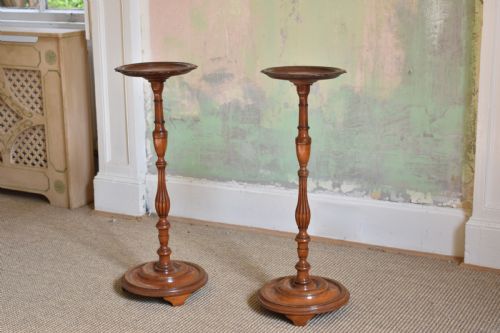
Edwardian and nineteenth-century examples dominate the selection, alongside earlier Georgian candle stands and Chinese export pedestals. These forms range from simple wooden shafts to inlaid satinwood and marble-topped display columns.
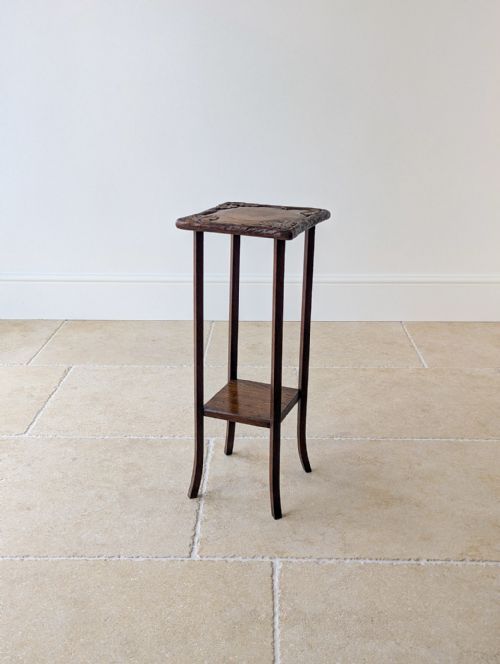
Makers adapted domestic surfaces into dedicated stands, producing tiered plant holders, jardiniere supports, and torchere tables. Oak, mahogany, and walnut appear frequently across these functional household pieces.
How They Were Made
Cabinetmakers constructed these supports using dense hardwoods like mahogany, oak, and walnut, often applying satinwood veneers for decorative contrast. Turned columns and slender legs provided stability for heavy pots without adding visual bulk.
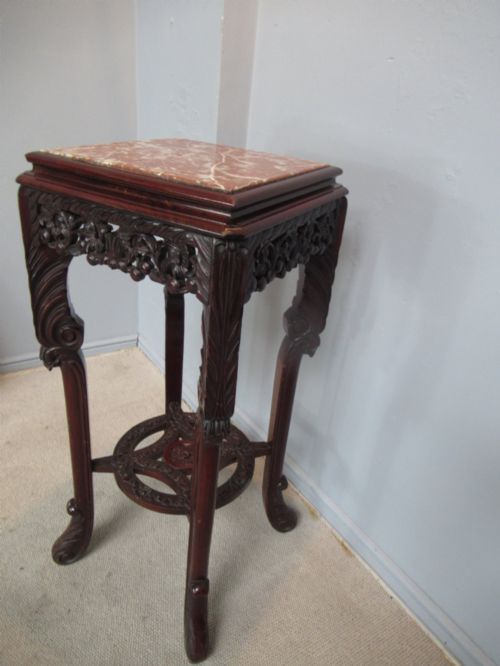
Surface ornamentation involved intricate marquetry inlay, hand-carved detailing, and applied brass fittings. Insets of marble or onyx provided a durable, water-resistant top surface suited to holding damp terracotta pots and vases.
Periods represented span from eighteenth-century Georgian designs through Victorian and Edwardian iterations up to the nineteen twenties.
What Varies in Quality
The refinement of the timber and the crispness of hand-carved or inlaid details distinguish finer examples from standard production pieces. Superior construction ensures the tall frame remains rigid and balanced, even when supporting heavy stone tops or large ceramic vessels.
Provenance and specific stylistic attribution elevate certain pieces, particularly those bearing the marks of known retailers or distinct regional workshops. Original marble inserts and untruncated legs preserve the structural integrity and design proportion intended by the maker.
Hubert Simpson of Kendal·Druce and Co London·Shoolbred·François Linke·Liberty of London
The Tall Plant Table Glossary
- Jardiniere stand
- A tall piece specifically built to hold an ornamental flower pot or basin. These often feature waterproof inserts or galleried tops to contain moisture.
- Torchere
- A slender candlestick stand adapted over time to support lamps or floral displays. The tall, elevated shaft is typically supported by three cabriole or straight legs.
- Marquetry
- The art of applying pieces of veneer to a structure to form decorative patterns. Floral motifs and geometric designs are common on tabletops from the eighteenth and nineteenth centuries.
- Galleried top
- A raised rim surrounding the edge of a table surface to prevent objects from sliding off. This feature is frequently rendered in pierced brass or carved wood.
- Pedestal stand
- A centralized column supporting a small upper platform. This design allows maximum clearance around the base while maintaining a compact footprint.
Tall Plant Table: Frequently Asked Questions
What is a tall plant table used for?
These elevated surfaces hold potted plants, jardiniere bowls, and decorative lamps, bringing greenery and lighting to eye level. They make efficient use of vertical space in tight corners or narrow hallways.
Historically, they also served as torchers to illuminate dark rooms or as pedestals for displaying prized sculptures and vases.
How do I spot an Edwardian plant stand?
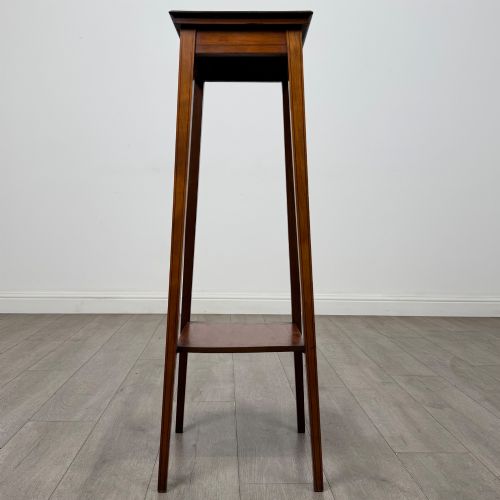
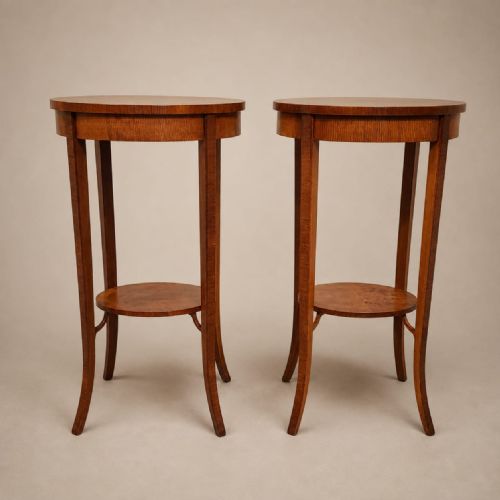
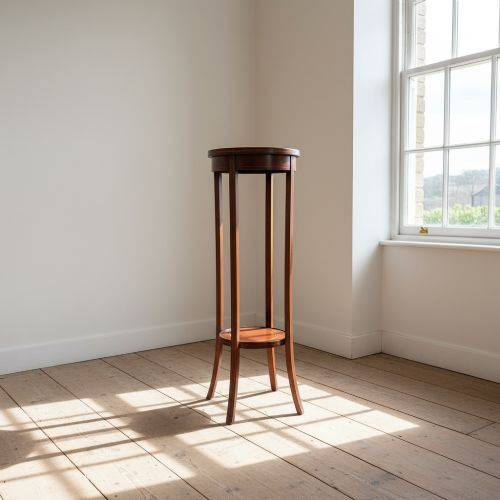
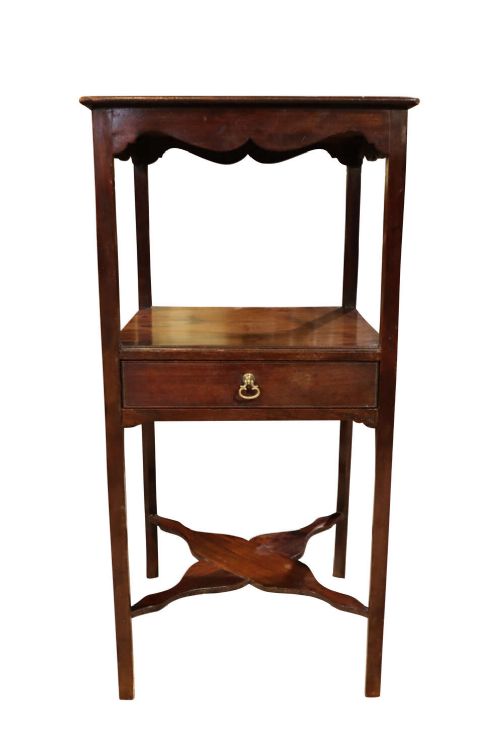
Edwardian pieces often feature lighter woods like satinwood or inlaid mahogany, reflecting a shift away from heavier Victorian aesthetics. Look for delicate stringing, tapered legs, and occasional two-tier constructions dating from around nineteen hundred to nineteen ten.
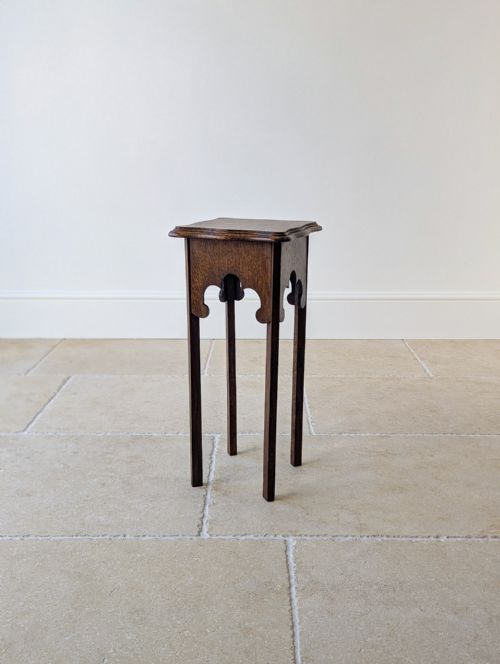
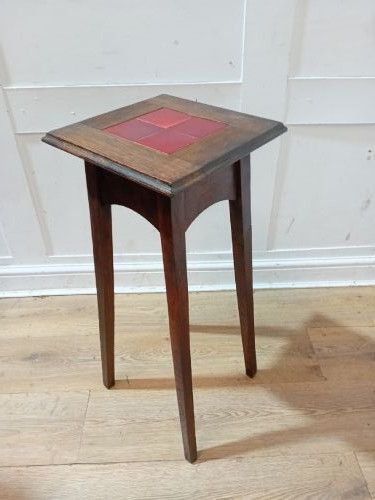
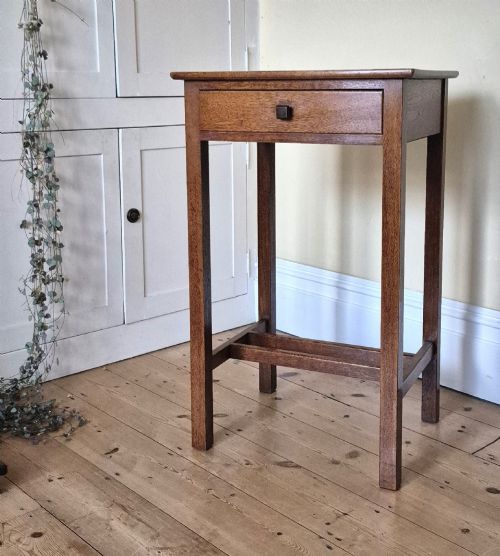
Arts and Crafts examples from the same era favour plain oak with mortise and tenon joinery, prioritising visible craftsmanship over surface decoration.
Are marble tops original to these tables?
Many nineteenth-century plant and vase stands incorporated marble or onyx tops to protect the wood from water damage caused by watering plants. These stone inserts were generally set directly into a recessed wooden frame during initial manufacture.
When examining a piece, check that the marble sits flush and matches the proportions and period style of the wooden base beneath it.
How do I style a plant stand at home?
Pair the height of the table with trailing plants or tall, slender ceramic vessels to maintain balanced proportions in a room. Placing one in an empty corner adds vertical interest without obstructing walkways.
Ensure the weight of the pot matches the stability of the stand, particularly with slender antique pedestals that have narrow footprints.