

Tall Plant Column
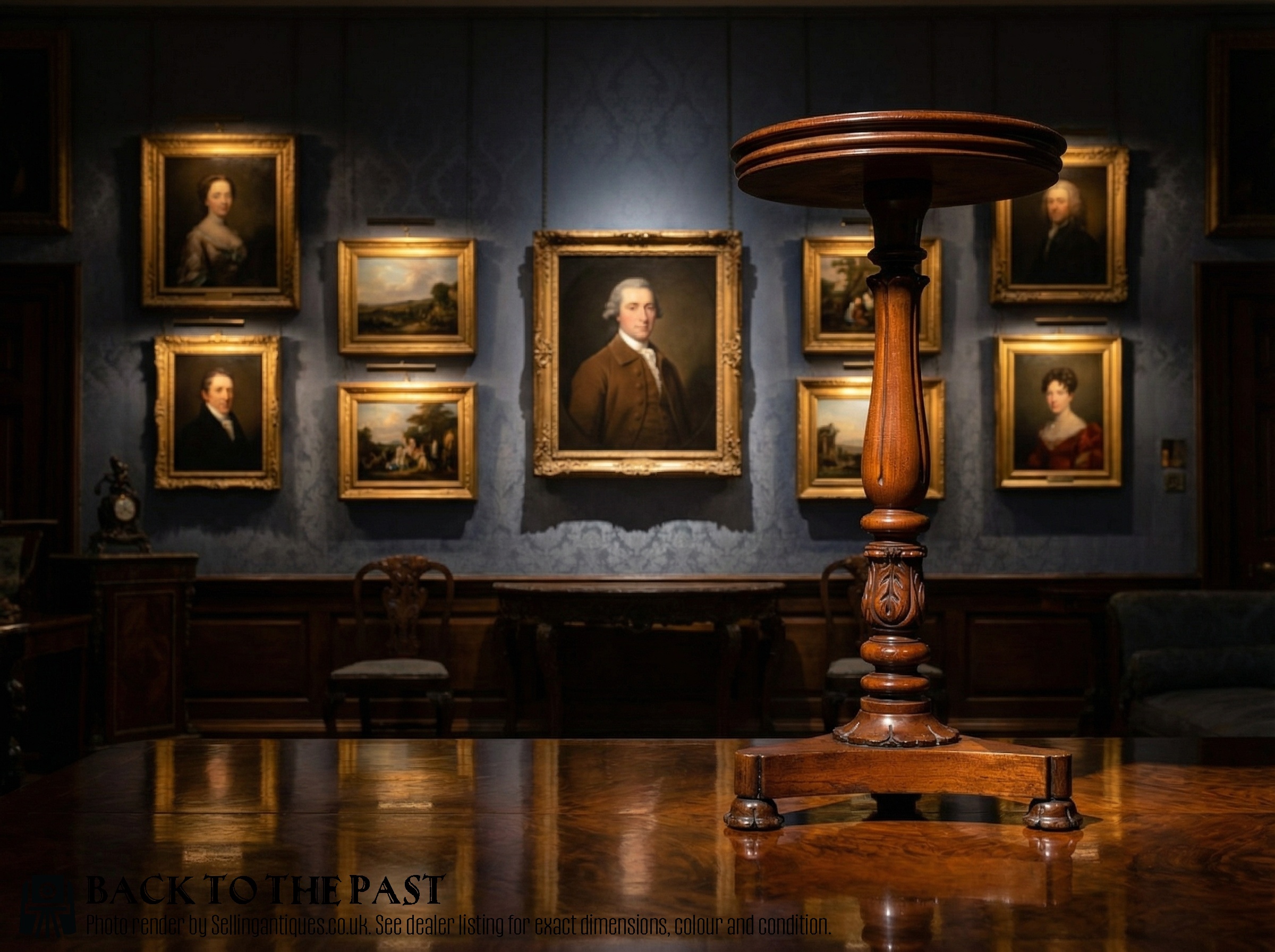
A tall plant column raises a pot or urn to eye level, bringing height and structure to a room.
Tall Plant Column
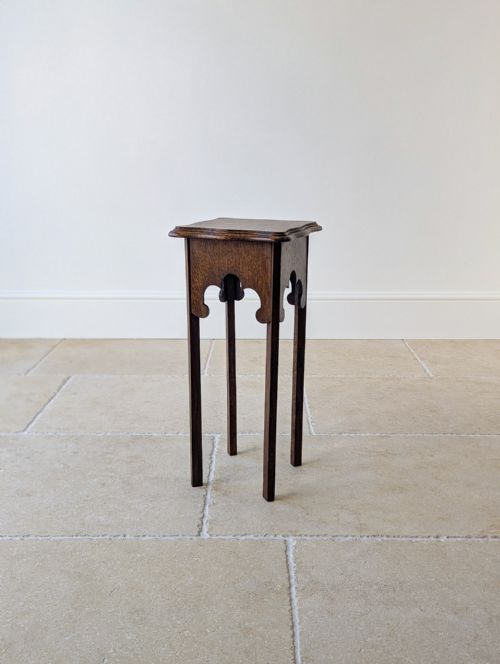
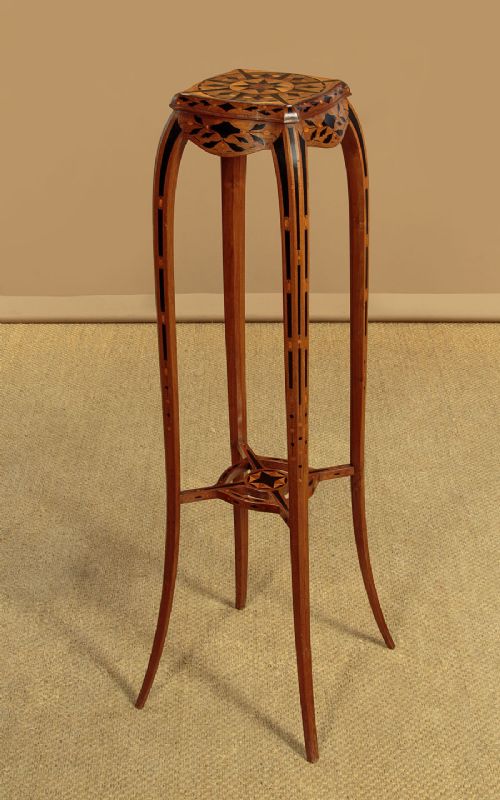
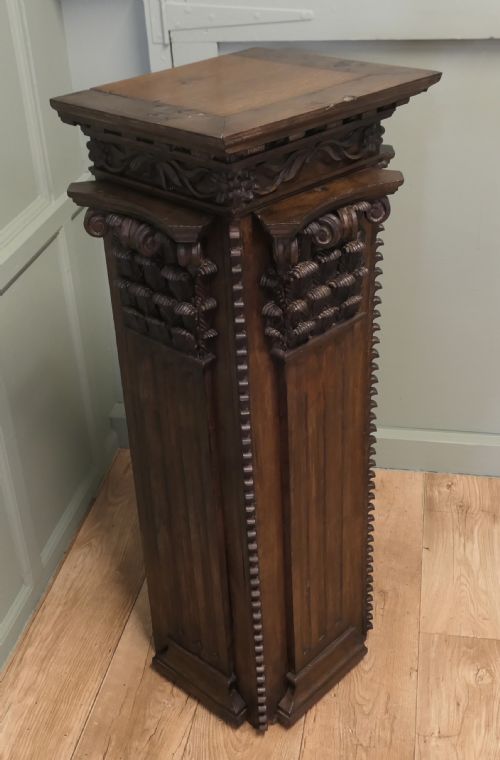
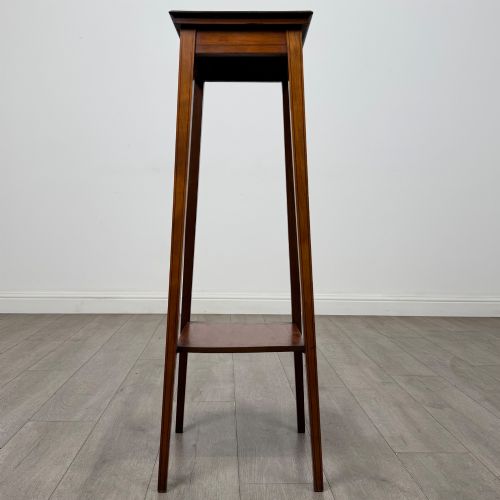
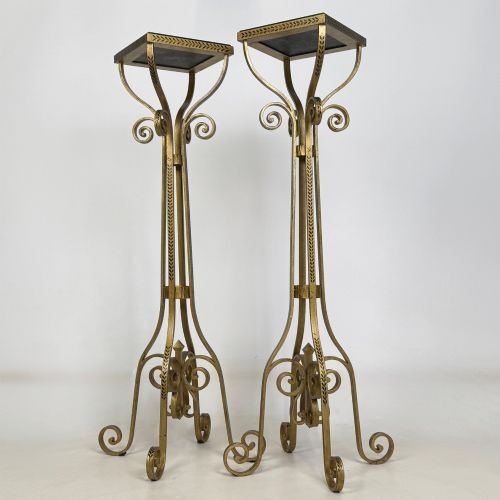
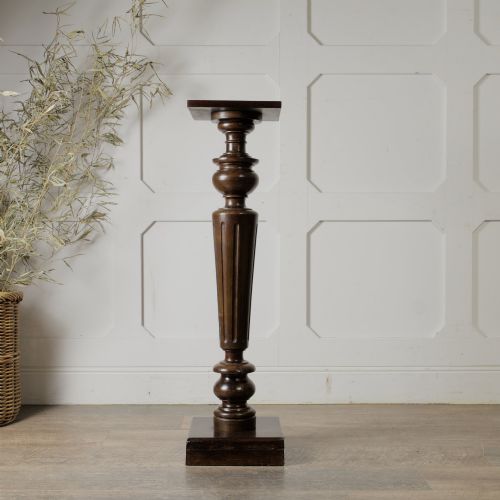
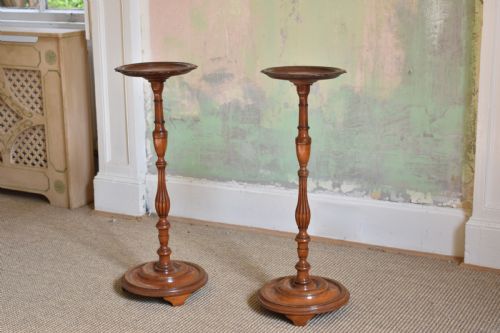
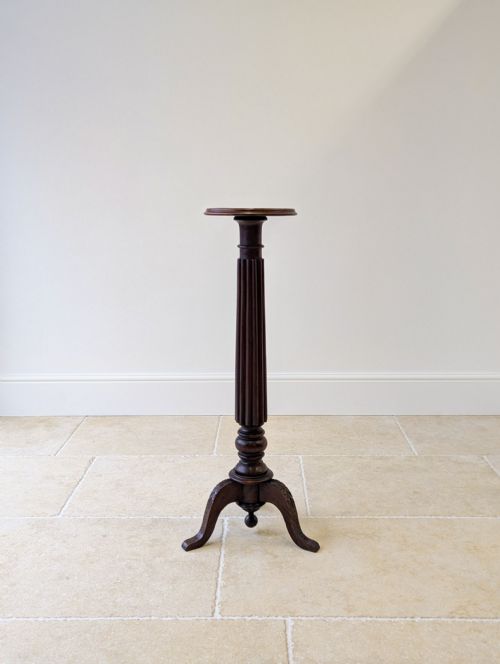
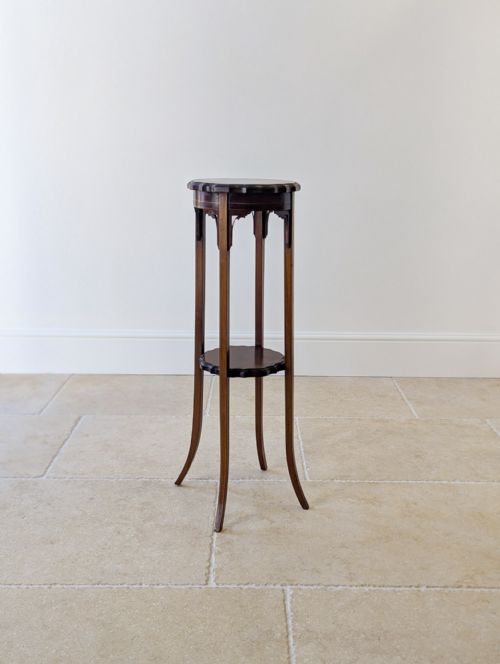
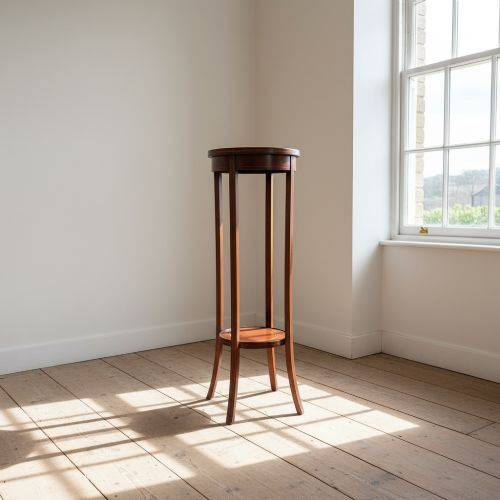
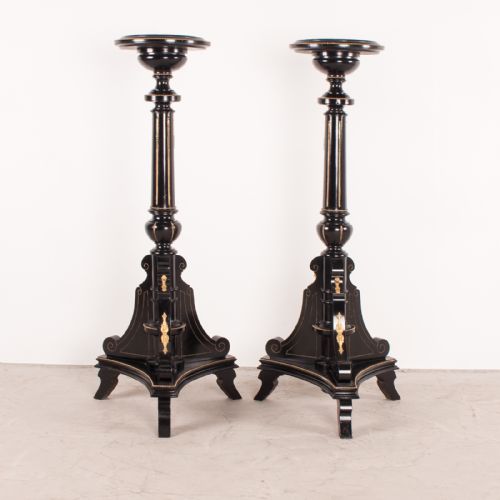
A tall plant column takes many forms across the nineteenth and early twentieth centuries, appearing primarily as plant stands, torcheres, and pedestals. These pieces serve to elevate greenery, vases, or busts within domestic interiors.
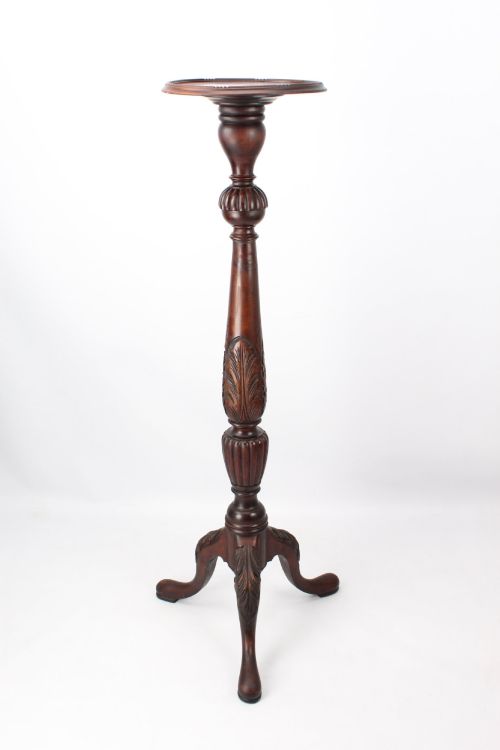
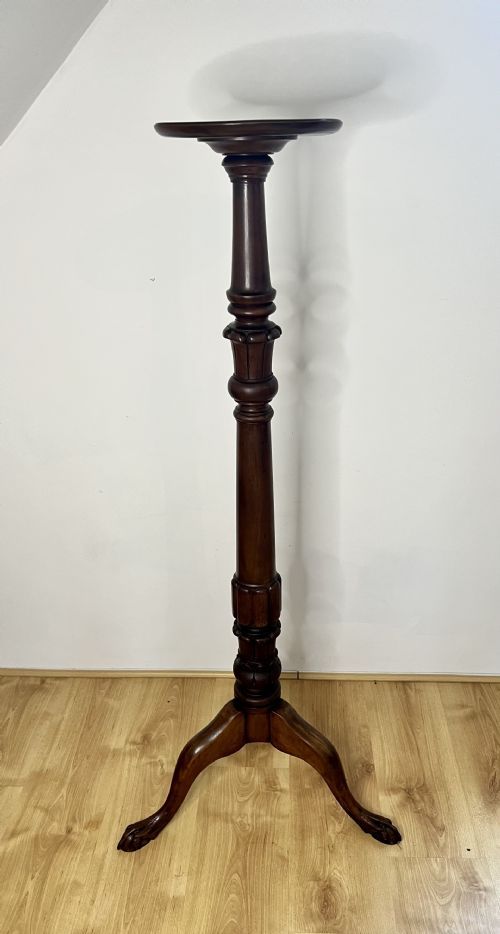
Mahogany and oak examples dominate the available selection, often dating from the Victorian and Edwardian periods. Makers shape these woods into turned columns, barley twist legs, or tripod bases to support heavy jardinieres.
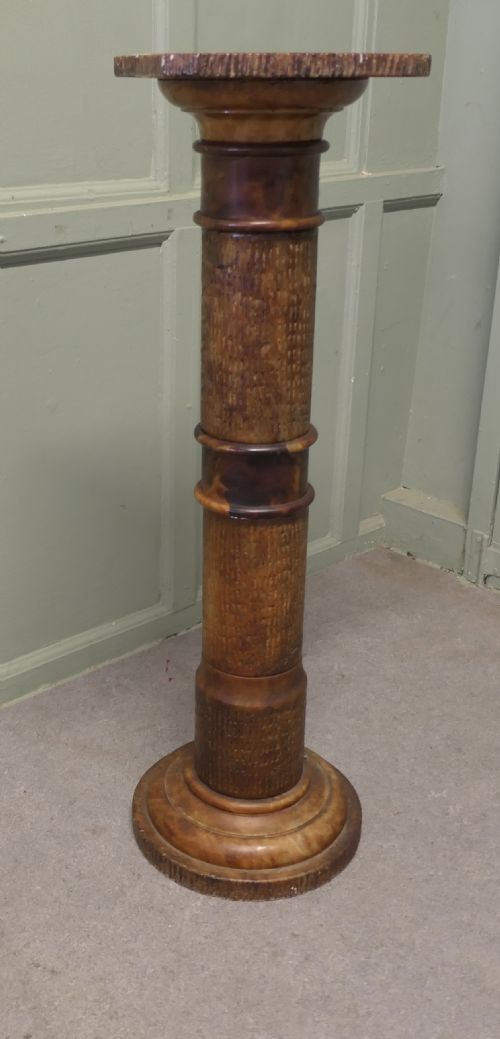
Neoclassical and Georgian Revival styles sit alongside simpler turned designs, reflecting changing domestic tastes for classical ornamentation. Buyers frequently encounter marble-topped variants alongside solid timber columns.
Materials and Construction
Cabinetmakers construct these columns predominantly in mahogany, walnut, and oak, utilising turning lathes to create slender stems and robust plinths. Inlaid satinwood and brass details appear on select Edwardian and Victorian pieces.
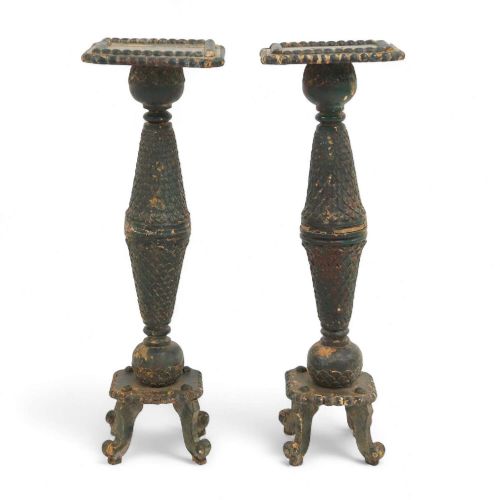
Several columns wear coats of original green paint, refusing to take themselves too seriously as brown furniture.
Craftsmanship and Proportion
Quality rests in the stability of the central shaft and the weight distribution of the base, which must support a heavy urn without tipping. Fine turns, crisp carving on mahogany acanthus leaves, and tight joinery separate standard production pieces from superior examples.
The choice of materials dictates the upper tier of the range, where solid hardwoods, matched veneers like macassar ebony, and genuine marble columns outclass painted plaster or softwood alternatives.
Shoolbred·Burmantofts Art Pottery
The Tall Plant Column Glossary
- Torchere
- A tall, slender stand designed originally to hold a candle or light, now frequently used for plants and busts. These pieces rely on elevated platforms supported by narrow columns.
- Plinth
- A heavy rectangular or square base supporting a column, statue, or plant stand. This architectural element provides essential stability to tall furniture.
- Jardiniere
- An ornamental pot or container for plants, often placed directly onto the top surface of a pedestal. These planters appear in ceramic, metal, and carved wood.
- Tripod base
- A three-legged support system common in nineteenth-century stands. This configuration prevents rocking on uneven floorboards.
Tall Plant Column: Frequently Asked Questions
Where should I place a tall plant column?
Position these columns in corners, empty hallways, or flanking doorways where vertical height draws the eye upward. They work effectively in brighter rooms that benefit from elevated greenery or decorative objects.
Ensure the floor surface is level to maintain stability, particularly with heavy marble or tall wooden torcheres that carry significant top weight.
How do I care for a wooden plant stand?
Protect timber surfaces from moisture by placing waterproof saucers beneath plant pots to prevent water rings and wood rot. Regular dusting with a dry cloth maintains the finish without stripping natural oils.
Apply a mild beeswax periodically to antique mahogany and walnut to nourish the grain and preserve the surface sheen over time.
How do I identify an Edwardian plant stand?
Edwardian examples often feature lighter timbers such as satinwood, subtle string inlay, or simplified neoclassical motifs reflecting early twentieth-century tastes. These pieces tend to look less heavy than their mid-Victorian predecessors.
Construction techniques, such as machine-sawn components alongside hand-finished details, typically point toward the decades surrounding nineteen hundred.