

Tall Pine Cupboard
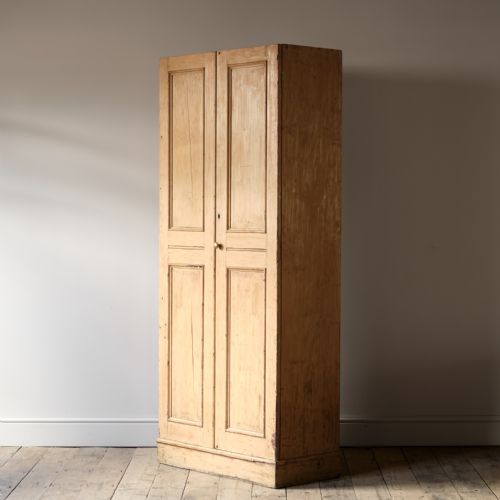
When you search for a tall pine cupboard, you find practical vertical storage built for domestic utility across centuries of country and vernacular traditions.
Tall Pine Cupboard
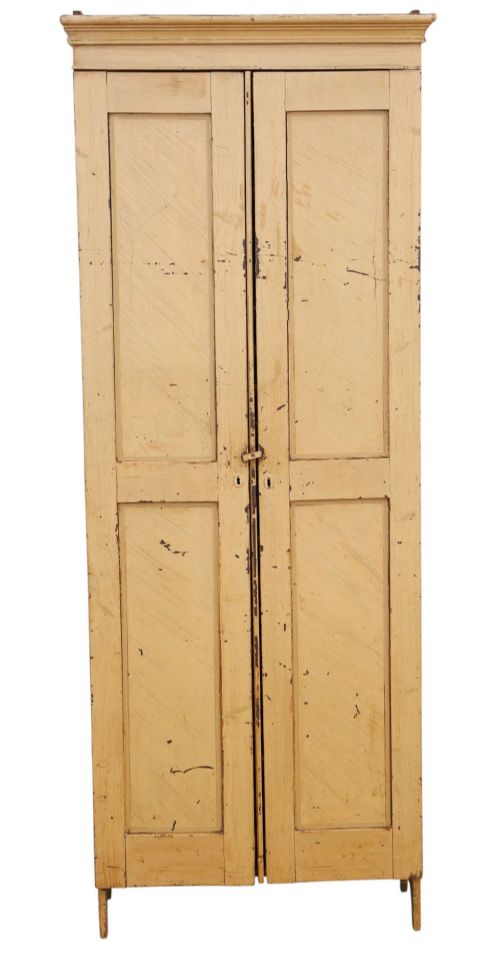
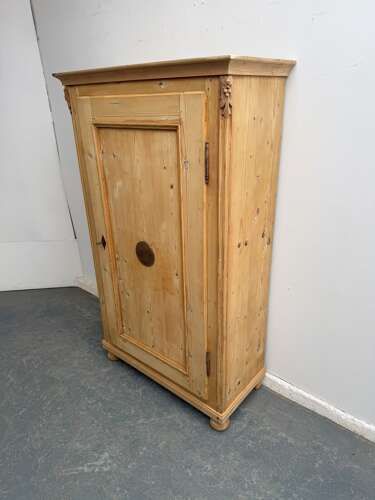
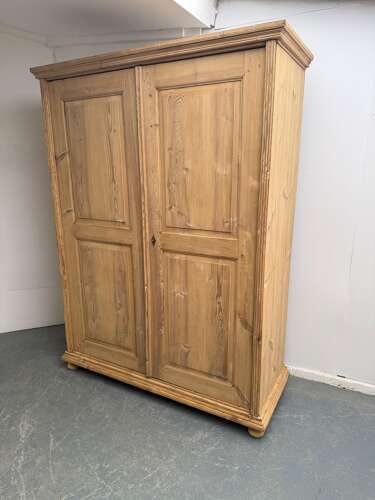
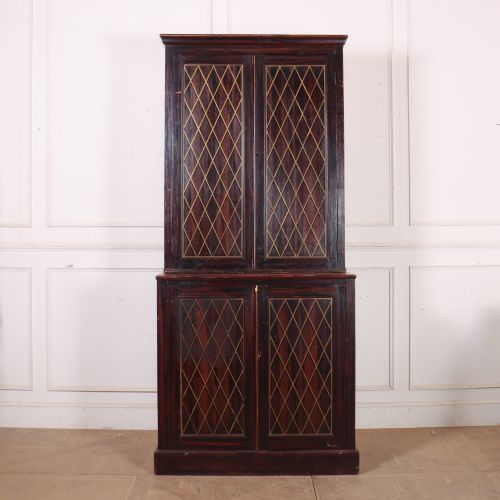
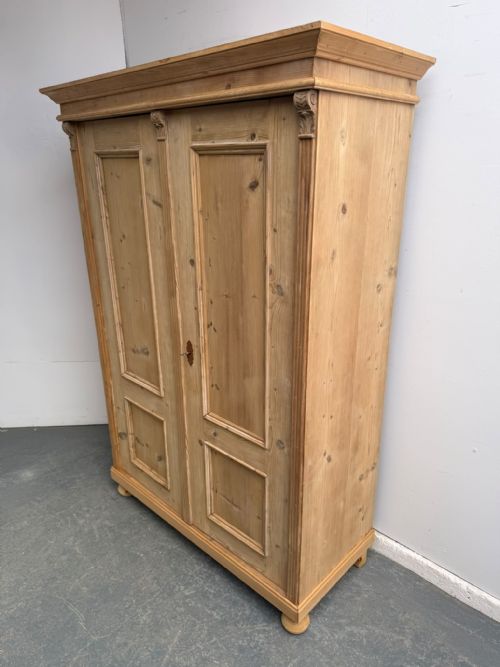
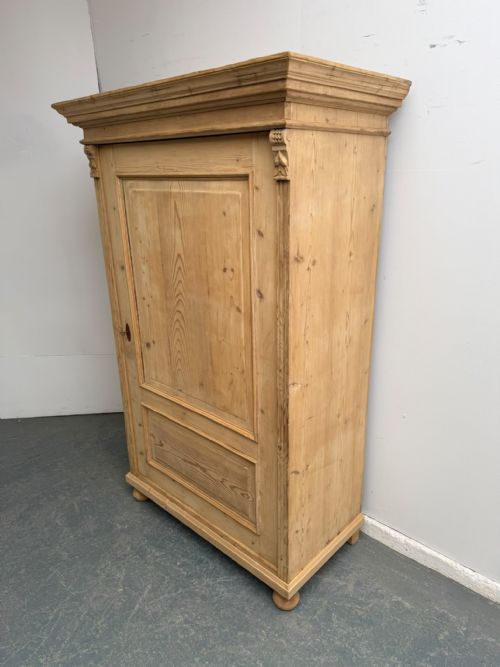
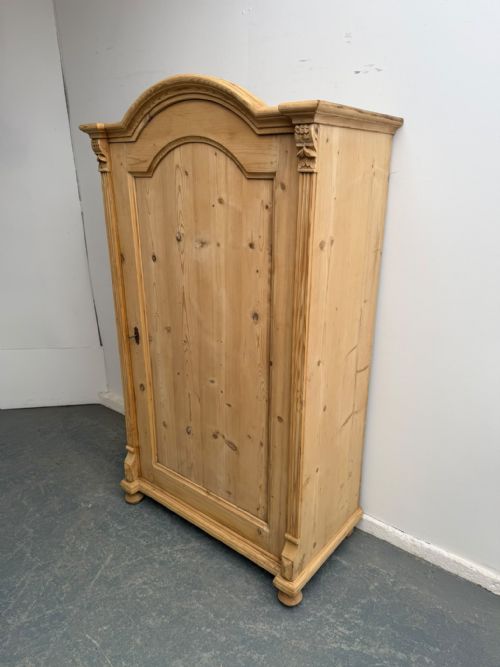
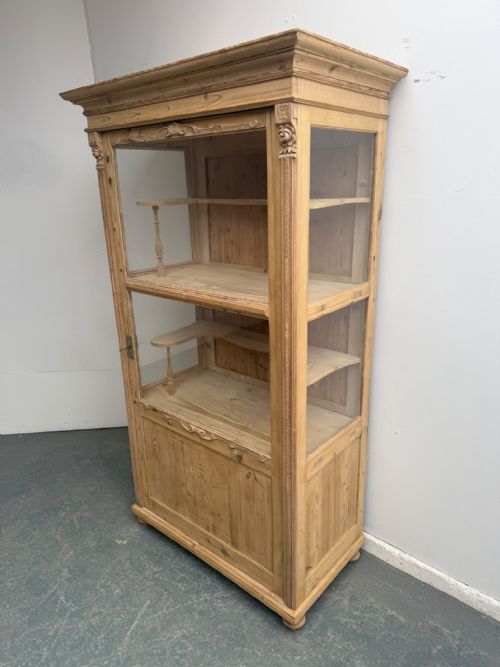
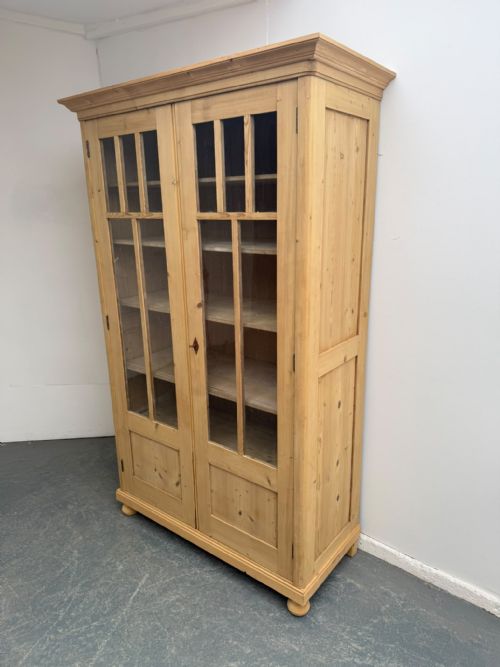
A tall pine cupboard provides vertical storage through various forms including wardrobes, housekeeper's cupboards, larder cupboards, and linen presses. These pieces emerge predominantly from Victorian and 19th-century workshops, alongside earlier Georgian and 18th-century examples.
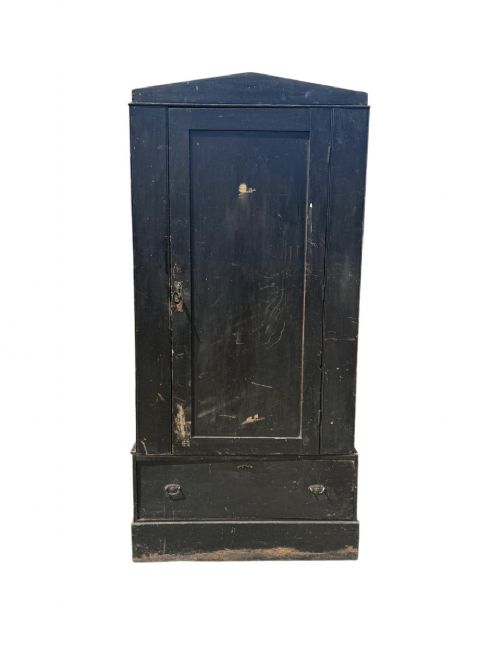
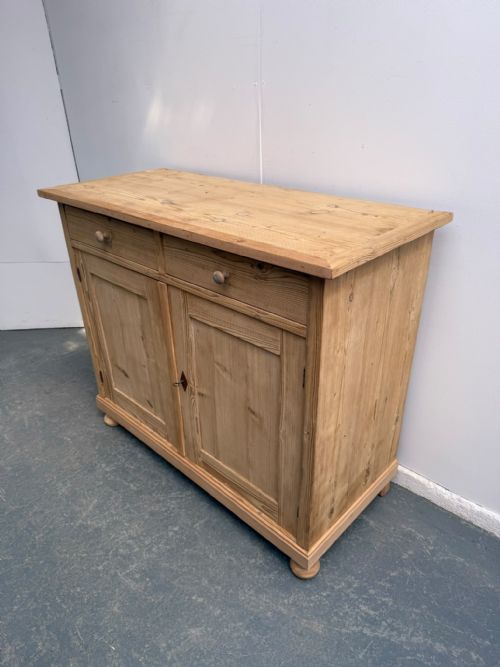
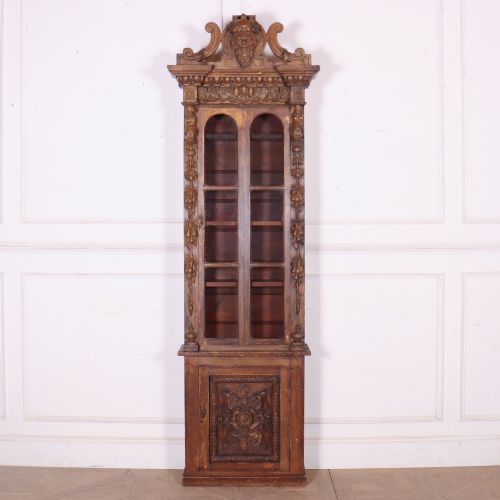
The format ranges from narrow single-door designs to massive multi-door units, frequently incorporating base drawers or display glazing. Buyers most commonly encounter Victorian examples finished in natural wax or historic paint.
Originating across domestic, school, and country environments, these cabinets serve diverse organizational functions. Their scale makes them practical solutions for modern rooms requiring substantial vertical capacity.
How they were made
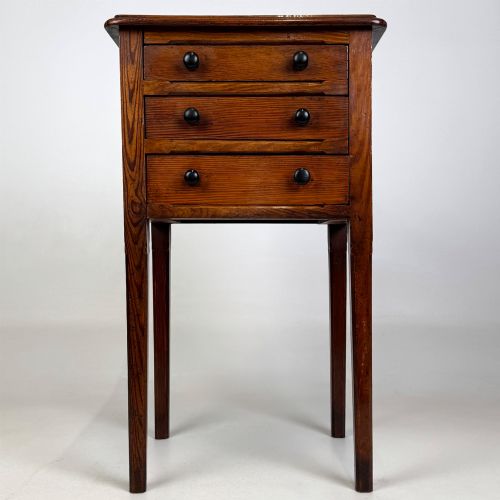
Makers utilised solid pine, occasionally pitch pine, constructed with straightforward joinery suited to functional daily furniture. Iron, brass, and metal hardware such as hinges, handles, and locks secure doors and drawers.
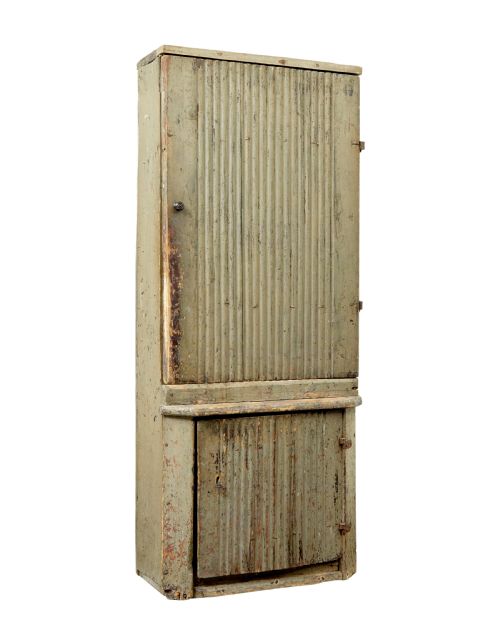
Surfaces receive either traditional wax polish or layers of paint, including cream, grey, and black historical finishes. Many large cupboards and wardrobes incorporate knockdown construction or dismantle into parts for transport.
Some proofing cupboards managed dough fermentation, proving that antique pine can harbour the ghosts of ancient bread.
What varies in quality
Quality rests upon timber selection, proportion, and the preservation of original construction details. Dense grain pine and pitch pine provide greater durability than softer commercial wood.
Proportion defines the visual balance of taller elevations, distinguishing utilitarian workshop builds from refined vernacular pieces. Original hardware, untouched painted surfaces, and functional dismantling systems elevate the standing of individual pieces.
The Tall Pine Cupboard Glossary
- Pitch pine
- A dense, resinous variety of pine offering distinct grain patterns and enhanced structural durability. Makers utilised it for heavier utility furniture and interior cabinetry.
- Housekeeper's cupboard
- A large storage piece traditionally used for linens, dry goods, and household provisions. These units typically combine upper doors with lower banks of drawers.
- Knockdown wardrobe
- A large wardrobe designed to dismantle completely for ease of moving and installation. Such pieces employ peg or bolt systems to secure panels together without permanent glue joints.
- Fielded storage cupboard
- A cabinet featuring raised or recessed central panels within the door frame. This technique adds depth and structural stability to timber doors.
- Gustavian
- A Swedish neoclassical style characterised by pale painted finishes and restrained classical ornamentation. Pieces from this tradition emphasise light colours and simple geometric lines.
Tall Pine Cupboard: Frequently Asked Questions
How do I know if the paint is original?
Original paint finishes show natural wear, layering, and patination consistent with age and domestic use. Modern repainting often lacks the subtle texture and wear patterns found beneath historical coats.
Examine corners, hinges, and protected crevices for evidence of underlying colour sequences. Untouched surfaces retain a chalky or cured depth that fresh modern emulsions cannot replicate.
Can these large cupboards be dismantled for transport?
Many tall cupboards and wardrobes incorporate knockdown construction designed to separate into modular sections. This allows large pieces to navigate tight staircases and doorways.
Check listings for mentions of dismantling capability or knockdown frames. Pegs, screws, and tongue-and-groove joints typically hold these sectional units together safely.
Where were these cupboards originally used?
These storage pieces served domestic spaces including kitchens, larders, bedrooms, and hallways. Institutional settings such as schools and offices also utilised tall formats for stationery and supplies.
Specialist variations like larder cupboards or clock cupboards indicate specific domestic placement. Their robust construction suits active daily environments rather than formal drawing rooms.
How should I care for a waxed pine surface?
Maintain waxed pine by applying natural beeswax periodically to nourish the dry timber and protect the finish. Avoid placing furniture in direct sunlight or near heat sources that cause wood to dry out.
Clean surfaces gently with a soft, dry cloth rather than wet solutions. Regular polishing builds a protective patina over the soft pine grain.