

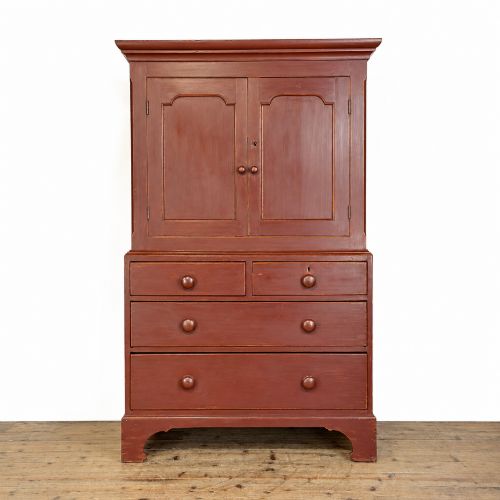
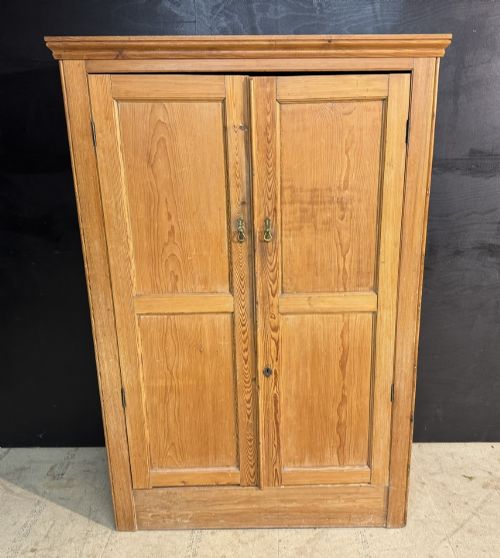
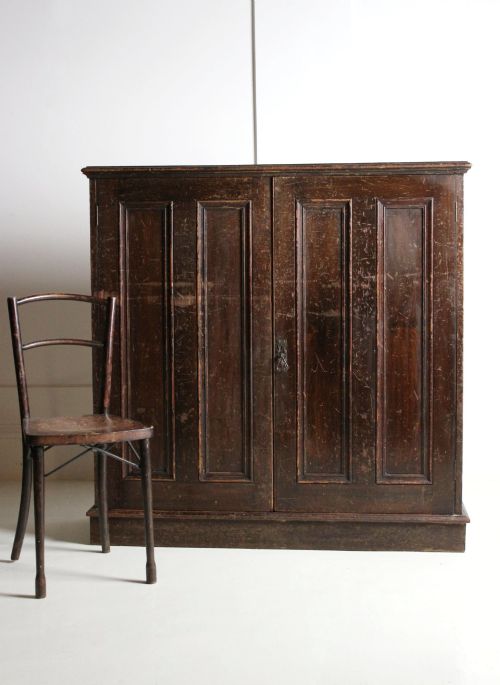
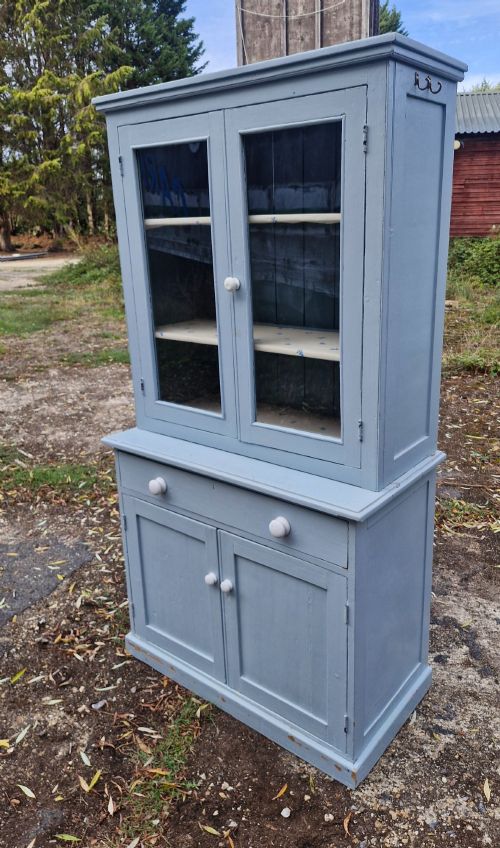

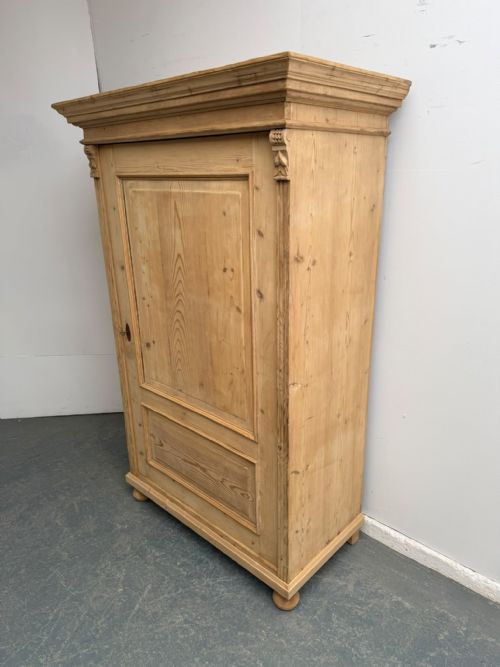


Vintage Pine Pantry Cupboard
A vintage pine pantry cupboard offers honest, utilitarian storage rooted in country workshops and rural homes.
Vintage Pine Pantry Cupboard
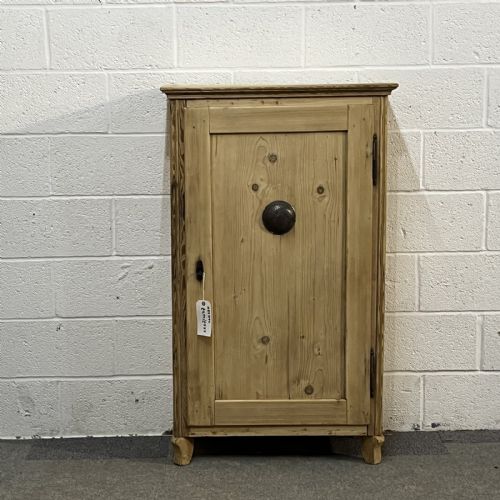
A vintage pine pantry cupboard provides substantial storage for domestic provisions, textiles, and kitchen equipment. These practical utilitarian pieces range from simple single-door storage units to architectural housekeepers cupboards and tall larder cabinets.
The items seen here span several eras, reaching back through the Edwardian and Victorian periods into Georgian and 18th-century workshops. English country furniture sits alongside French, Baltic, East European, and Austro-Hungarian examples.
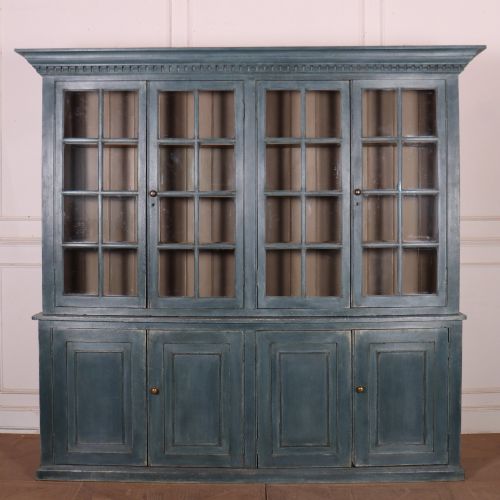
Buyers most frequently encounter robust 19th-century constructions designed for provincial kitchens, sculleries, and farmhouses. These range from low wide cupboards and two-part kitchen units to expansive linen presses and breakfront dressers.
Construction and materials
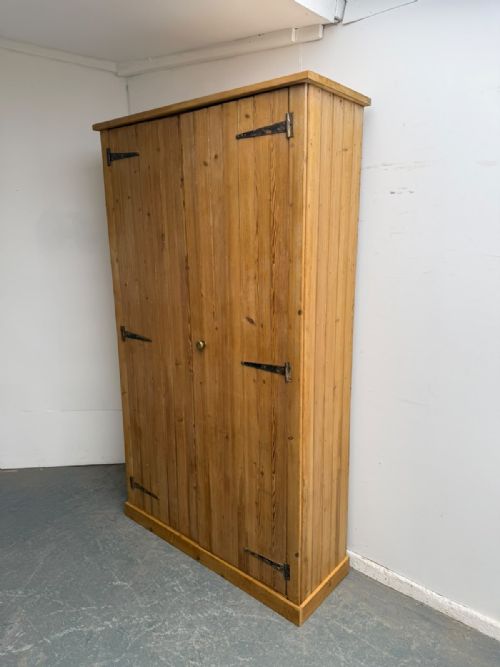
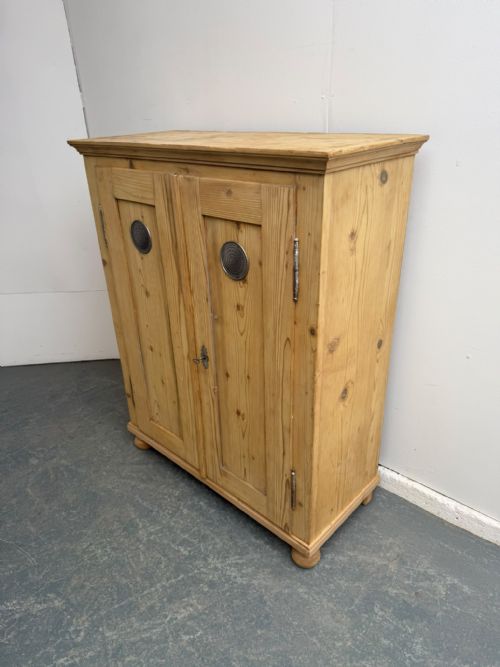
Carpenters built these functional domestic cabinets primarily using solid pine planks, often relying on traditional pegged joinery and simple framing for everyday strength. Iron, brass, and metal hardware such as hinges, latches, and pulls secure the doors and drawers.
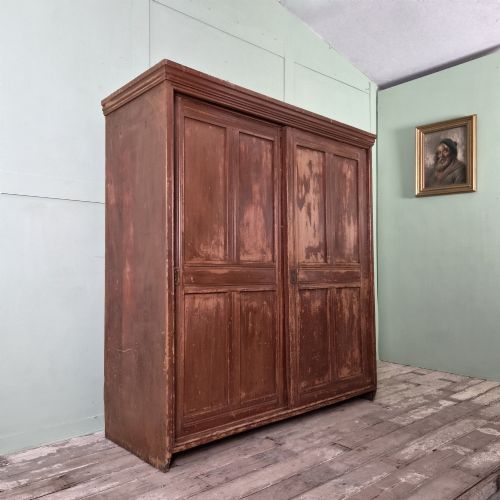
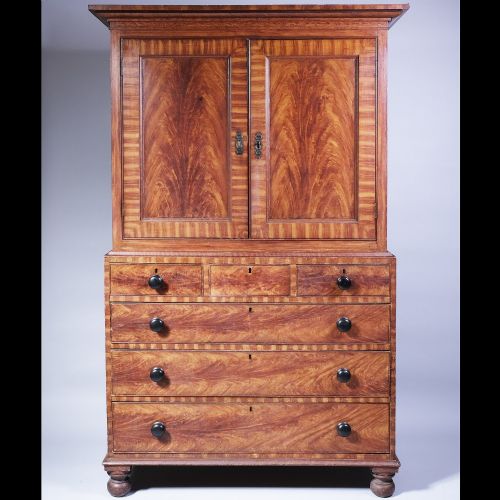
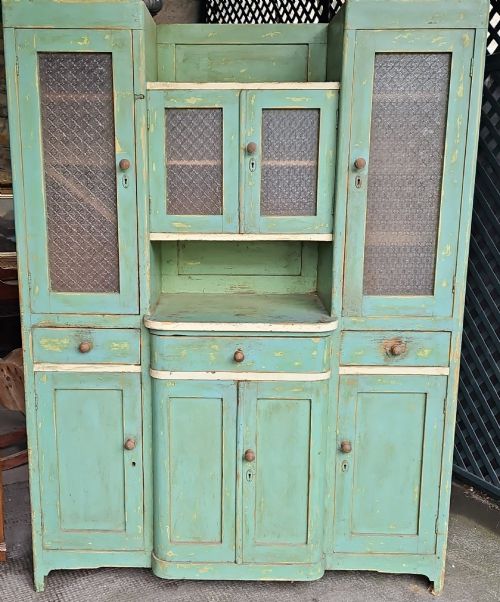
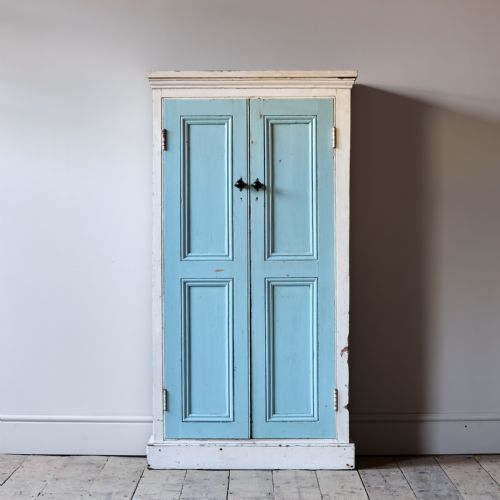
Many examples retain original surface treatments, including scumble paint imitating oak, hand-painted finishes, or simple wax and stain. Some pieces feature glazed or vented doors designed to circulate air for food storage.
Vintage Pine Pantry Cupboard Retail Price Guide 2026
Typical asking prices for vintage pine pantry cupboard among the pieces listed under this phrase on Sellingantiques today, from the lower quarter to the upper quarter. They describe what is for sale here now, not the wider market.
Listings span the 18th, 19th, and early 20th centuries, featuring English, French, Baltic, and Austro-Hungarian regional origins.
Judging the range
Quality separates everyday utilitarian pine from more refined architectural joinery by the integrity of the timber and the retention of original surfaces. Pieces with undisturbed original paint or scumble finishes command greater interest than those repeatedly stripped or altered.
Proportion and scale dictate the success of a piece, from compact single-door skeleton cupboards to grand multi-door school or housekeepers cupboards. Clean lines, well-fitted fielded panels, and minimal later alterations elevate the standing of any country cabinet.
The Vintage Pine Pantry Cupboard Glossary
- Scumble
- A decorative paint technique used to simulate the grain of more expensive hardwoods like oak. This finish was common on nineteenth-century country furniture.
- Fielded panel
- A central wooden panel with bevelled edges designed to fit into a grooved frame. This construction accommodates natural wood movement.
- Housekeepers cupboard
- A tall storage cabinet traditionally used for linens, dry goods, and tableware. These items formed an essential part of large domestic kitchens.
- Larder cupboard
- A tall ventilated cabinet dedicated to food storage. Wire mesh or pierced panels often aided air circulation.
- Skeleton cupboard
- A specialised cabinet featuring open frame doors, sometimes fitted with later mesh or glass. These pieces allowed visibility and ventilation for stored provisions.
Vintage Pine Pantry Cupboard: Frequently Asked Questions
Where were these cupboards used?
These cabinets served in farmhouses, large country houses, and provincial homes for storing food, linens, and domestic utensils.
They found placement in kitchens, pantries, sculleries, and hallways where practical everyday storage was necessary.
How do I care for pine furniture?
Maintain waxed pine surfaces with traditional beeswax to nourish the timber and preserve the natural grain.
Keep these cabinets away from direct heat sources and extreme humidity fluctuations to prevent wood splitting.
What is the difference between a larder and a linen cupboard?
Larder cupboards typically featured ventilation holes, wire mesh, or slatted shelves to keep food cool and fresh.
Linen cupboards focused on enclosed shelving and deep compartments specifically designed to protect textiles from dust.
How do I identify a scumbled finish?
Scumbling involves dragging, combing, or wiping a translucent glaze over a lighter base coat to mimic wood grain.
On nineteenth-century pine, this technique created an affordable faux oak or figured hardwood appearance.