


Light Pine Cabinet
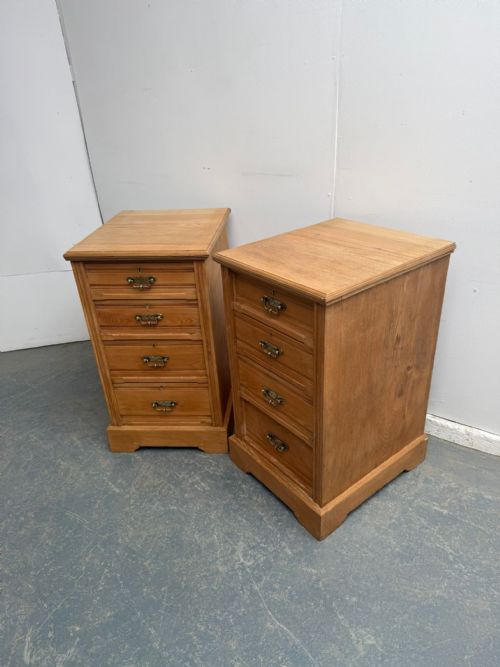
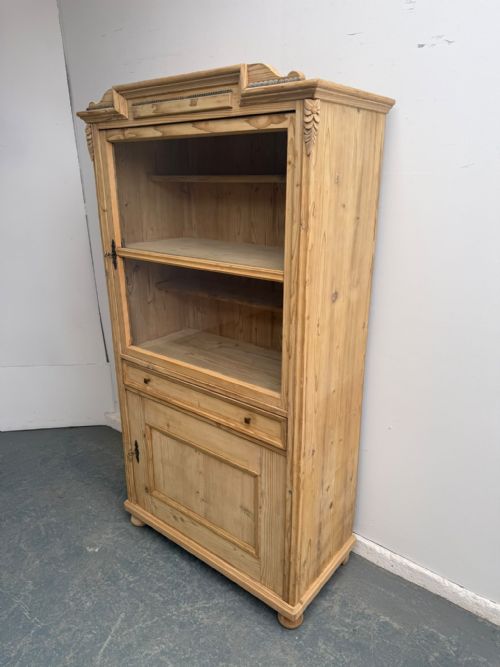
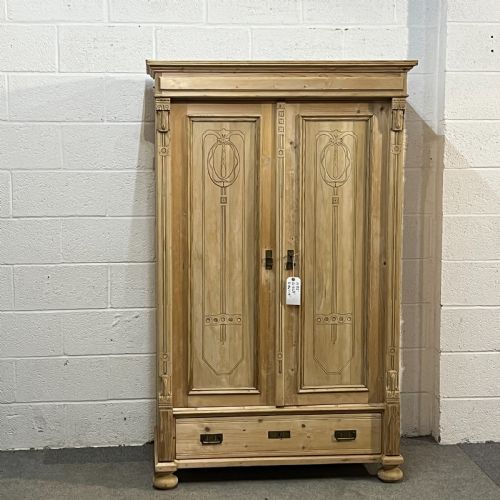
These light pine cabinet pieces offer practical storage with the pale, warm grain character found across Victorian, Edwardian and Georgian examples.
Light Pine Cabinet
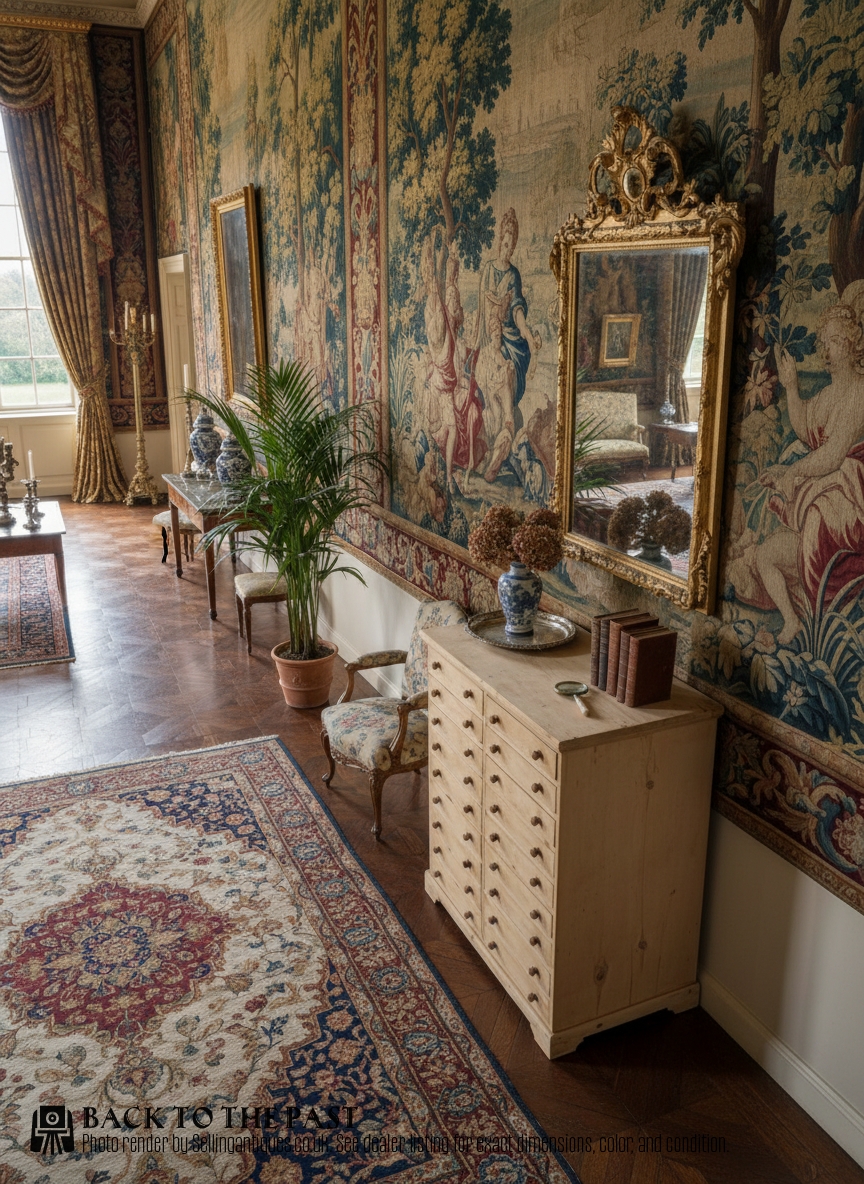
A light pine cabinet search brings up functional storage furniture spanning bedside cabinets, display units, wardrobes and larder cupboards. These pieces originate from periods including the Victorian era, Edwardian period and the 19th Century, showing both plain utilitarian builds and painted finishes.
The version most likely to be met on this page is a domestic bedside or display item in pale softwood, often featuring wax or paint treatments. Alongside these domestic items, buyers encounter larger wardrobe and bookcase forms originating from country houses and workshops.
How they were made
Construction relies primarily on solid pine timbers, occasionally paired with ash, oak or metal fittings such as brass and iron hinges. Surfaces were frequently left bare for waxing or coated in light grey or green paint.
Joinery techniques range from simple country house carpentry to lead light panel glazing and multi-drawer shop fitting construction. Hardware details incorporate ceramic elements and glass panes alongside traditional wooden drawers.
Listings combine pine with ash and oak, incorporating brass, iron, glass and ceramic elements.
What varies in quality
Quality differences lie in the ambition of the design and the integrity of the original hardware, moving from simple rustic washstands to columned bedside cabinets and documented workshop pieces. Finer examples show thoughtful proportion and integrated decorative elements like lead light panels.
The handling of the timber surface also separates pieces, with cleanly waxed softwood grain contrasting against heavy or later painted applications. Original fittings like brass handles and glass panes elevate the standard of a piece.
Maple & Co.
The Light Pine Cabinet Glossary
- Pine
- A softwood timber yielding a pale, straight grain that takes wax and paint finishes readily. It forms the primary structural material for these storage pieces.
- Lead light
- A window or panel construction where small panes of glass are held together with lead cames. This technique appears on upper cabinet doors.
- Chiffonier
- A low sideboard or cabinet featuring drawers and shelving, developed during the 19th Century. Edwardian examples often provide compact storage.
- Waxed
- A surface finish applied to nourish and protect the timber while preserving its natural pale tone. Many pieces are offered in this untreated or waxed state.
Light Pine Cabinet: Frequently Asked Questions
What periods do these cabinets come from?
The listings span the Georgian period, the Victorian era, the Edwardian years and the broader 19th Century. Pieces range from early Victorian display units to 1910 bedside furniture.
Specific dates such as 1900, 1910 and 1920 appear alongside broader century markers, reflecting diverse domestic and workshop origins.
Are these cabinets painted or unpainted?
You will find both bare timber finishes prepared for waxing and examples finished in light grey or light green paint. Many pieces are offered ready for the buyer to wax or paint to personal taste.
Original painted surfaces sit alongside stripped or waxed softwood, reflecting how different pieces were maintained over time.
What types of storage furniture are included?
The selection covers bedside cabinets, display cabinets, wardrobes, larder cupboards, bookcases and collectors' chests of drawers. Smaller items like washstands and multi-drawer shop fittings also feature.
Form varies from compact bedside units to large country house double bookcases and gentleman's wardrobes.
What woods are used besides pine?
While pine serves as the primary material, listings incorporate ash, oak and metal elements like brass, iron and glass. Some pieces combine oak and pine or feature ash drawer construction.
Hardware details may also include ceramic components alongside glass panels and lead light glazing.