
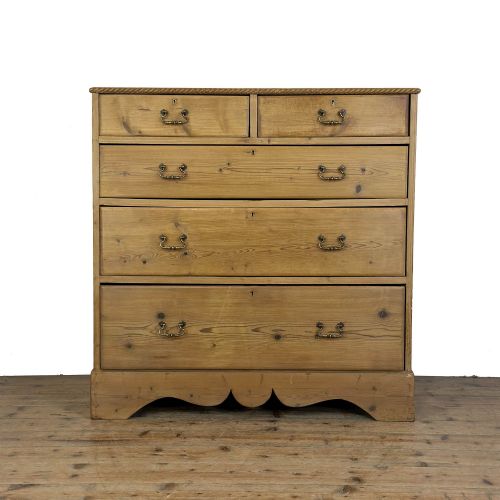
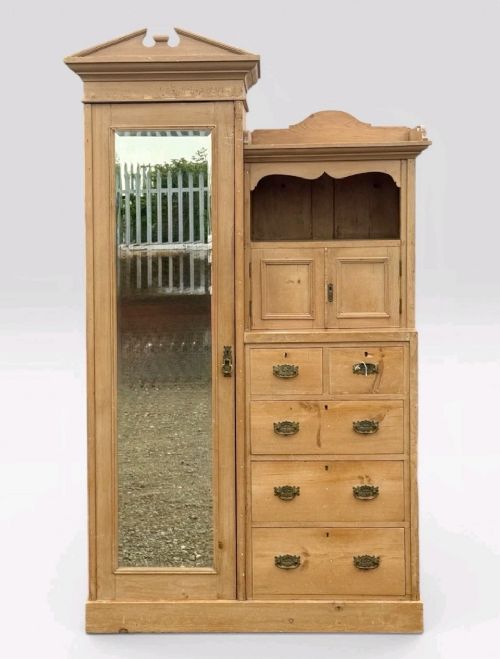


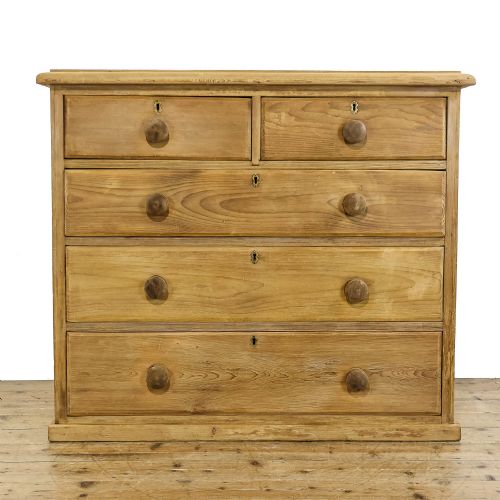
Stripped Pine Chest Drawers
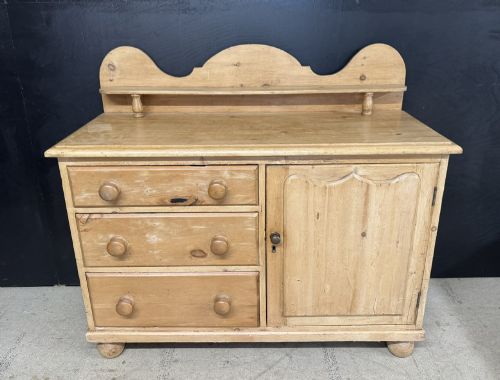
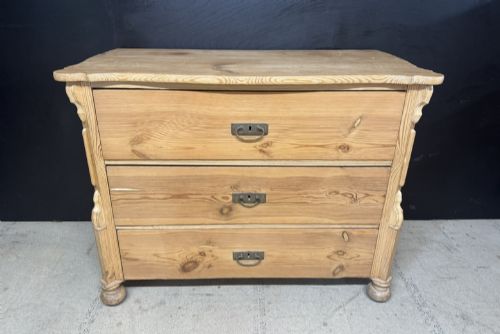
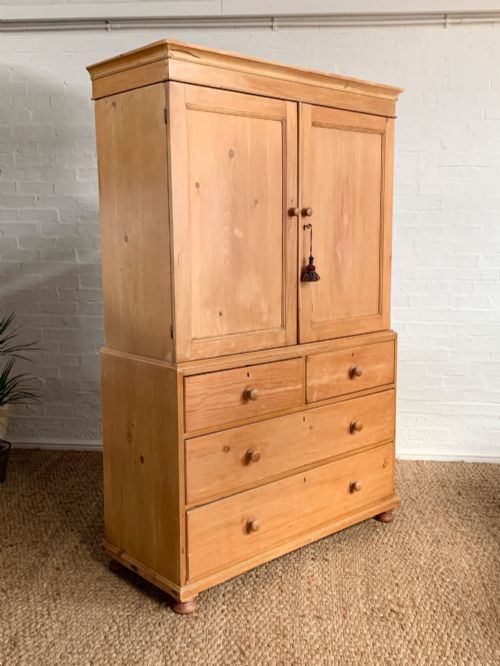
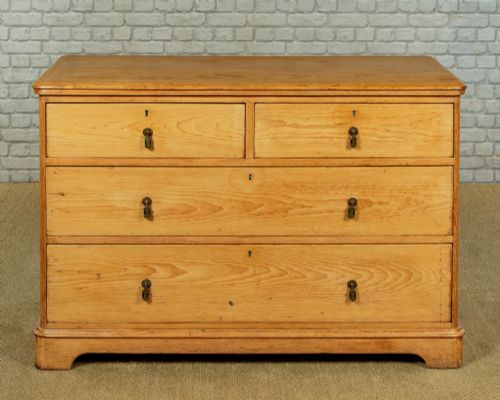
These stripped pine chest drawers bring honest utility and warm grain to a room, sourced from Victorian and later periods.
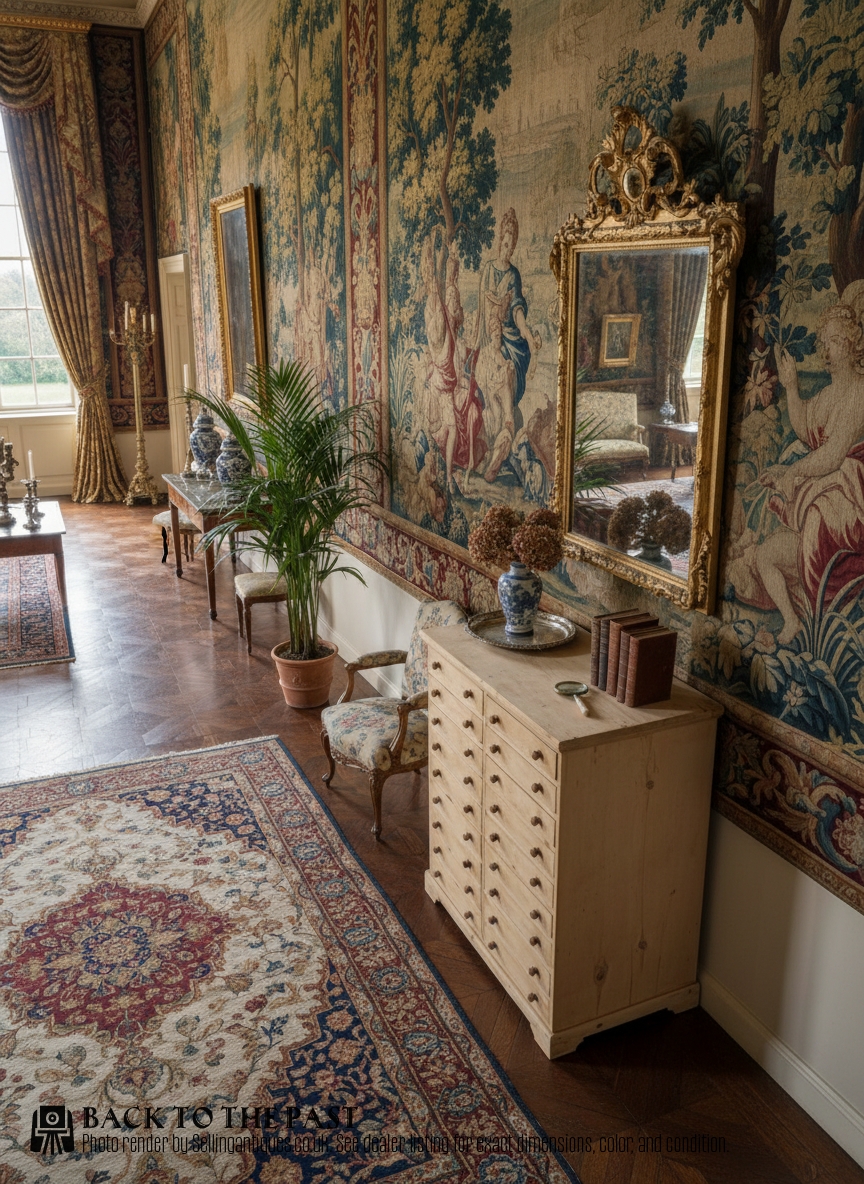
Stripped Pine Chest Drawers
A stripped pine chest drawers search brings up practical timber storage pieces designed for domestic utility. Most examples found here originate from the Victorian period, alongside pieces dated around 1800, 1880, 1900, 1920, and the Edwardian era.
The dominant forms are chest of drawers units, ranging from smaller proportions to large five drawer configurations and tall variations. Other related storage furniture includes dressers, cupboards, wardrobes, and secretaire bureaux.
Makers and builders worked within regional traditions, producing items described through styles such as Victorian Country, Rustic Farmhouse, and Scandinavian Country. These pieces suit modern domestic spaces seeking straightforward wooden storage.
Construction and Materials
Makers constructed these storage items primarily from solid pine timber, utilising the soft wood for both structural carcases and drawer boxes. Surfaces were historically painted or finished before later stripping revealed the natural grain.
Hardware elements incorporate brass, iron, glass, ceramic, and general metal fittings for drawer pulls, handles, and escutcheons. Joinery methods relied on traditional timber joints suitable for domestic utility furniture.
Judging Quality
Proportion and scale distinguish finer examples, particularly where drawer arrangements maintain balanced visual weight across the piece. Timber selection also matters, with tight, clean grain patterns showing greater care by the original maker.
The finish of the stripped surface influences overall character, where a smooth, even tone reveals the underlying timber without losing the aged patina. Intact original hardware, such as brass or ceramic pulls, adds coherence to the construction.
The Stripped Pine Chest Drawers Glossary
- Pine
- A softwood timber utilised extensively for domestic furniture due to its workability and availability. It accepts stripping well to show natural grain.
- Stripped
- A surface treatment where older paint or dark finishes are removed from timber to expose the bare wood underneath. This process highlights the grain and knots.
- Escutcheon
- A protective plate surrounding a keyhole on a drawer or door front. They are typically cast from brass or iron.
- Secretaire
- A desk form featuring a pull-down writing slope concealing small drawers and pigeonholes. It integrates a chest format below the writing surface.
Stripped Pine Chest Drawers: Frequently Asked Questions
What periods do these pieces come from?
The selection spans the Victorian era, the Edwardian period, and surrounding years around 1880, 1900, and 1920. Pieces reflect utilitarian domestic design from these decades.
Construction methods and hardware generally align with the manufacturing standards of nineteenth and early twentieth century workshops.
How were these chests used originally?
Households utilised these drawer units in bedrooms and living spaces for storing garments, linens, and personal possessions. Tall and five-drawer variants maximised vertical storage capacity.
Kitchens and sculleries also housed similar pine storage items for domestic provisions and tableware.
How do I care for stripped pine furniture?
Maintain the wood by applying natural waxes or oils to nourish the dry timber and protect the stripped surface from moisture. Avoid placing furniture in direct sunlight to prevent uneven fading.
Dust regularly with a soft cloth and handle drawer pulls gently to preserve original joints.
Are these chests suitable for modern homes?
The straightforward rustic aesthetic of pine storage fits easily into contemporary bedrooms, hallways, and living rooms. Their neutral wooden tones complement various interior decorating schemes.
Different scales, from small bedside units to large five-drawer chests, accommodate varying room sizes.