


French Pine Cupboard
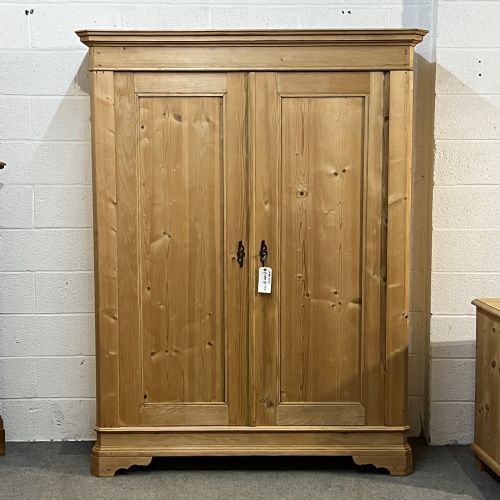
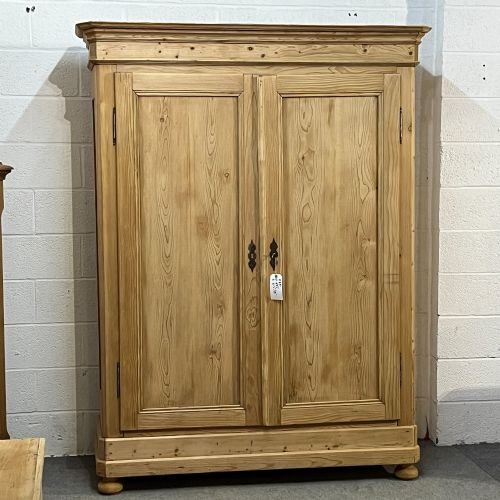
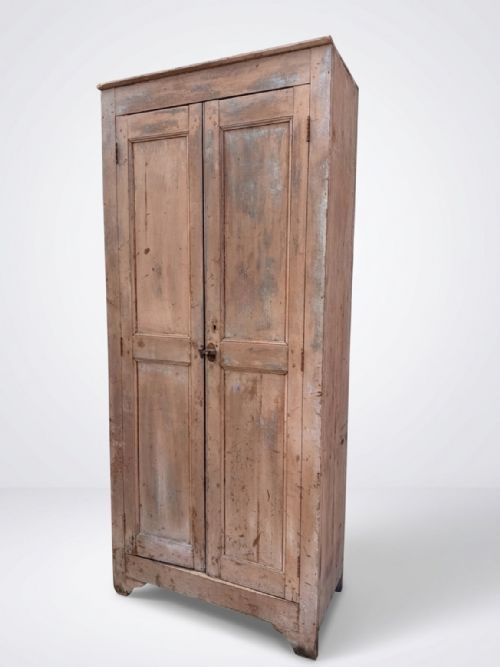
These pieces, known as a french pine cupboard, offer practical storage shaped by provincial utility and enduring timber.
French Pine Cupboard
When searching for a french pine cupboard, a buyer encounters a diverse group of storage furniture spanning several centuries, originating primarily from rural workshops. The selection here leans heavily towards nineteenth-century examples, alongside pieces from the eighteenth century and the Edwardian era.
The forms range widely in scale and purpose, from compact bedside cabinets and bedside pot cupboards to large housekeeper cupboards, larder cupboards, linen presses, and grand double wardrobes. Many pieces reflect provincial styles such as French Provincial, French Country, and rustic country designs.
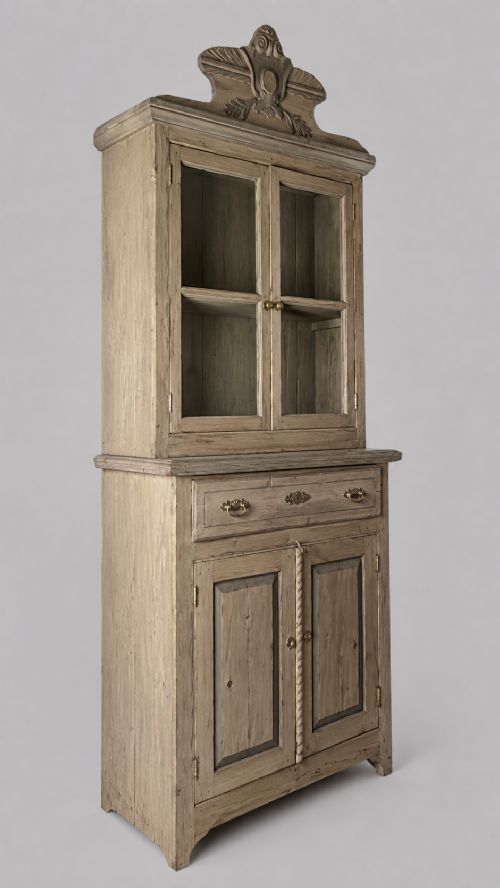
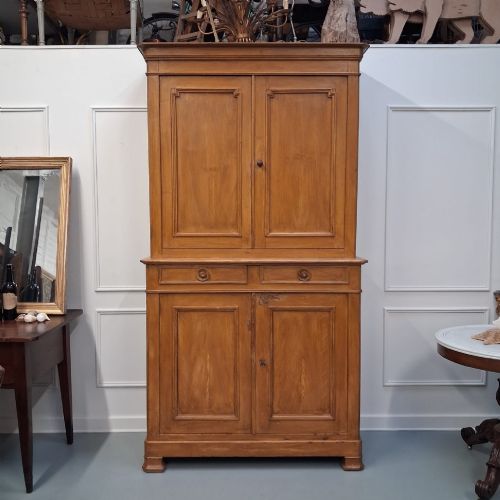
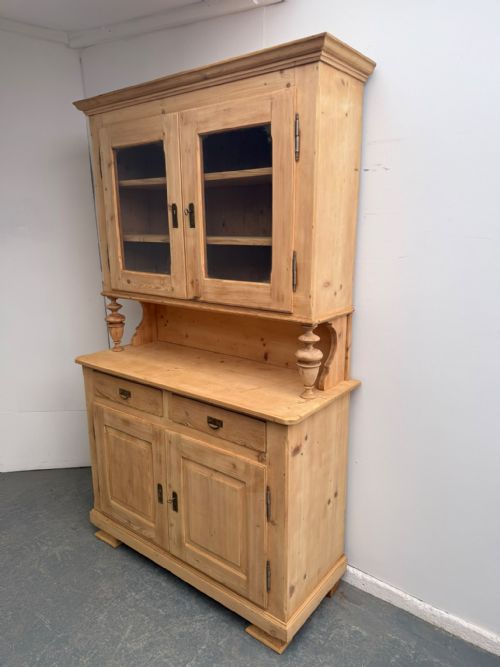
Buyers also find specialised items like confiturier jam cupboards, glazed bookcases, and buffet deux corps units. These items served domestic needs in kitchens, bedrooms, and pantries across France and neighbouring regions.
How they were made
Construction relies primarily on pine and pitch pine timbers, assembled with traditional joinery to withstand daily domestic use. Iron and brass hardware, including hinges, latches, and pulls, provide structural reinforcement and functional operation.
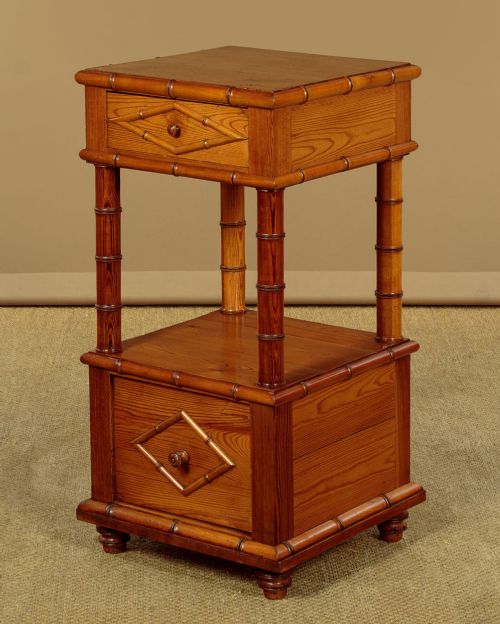
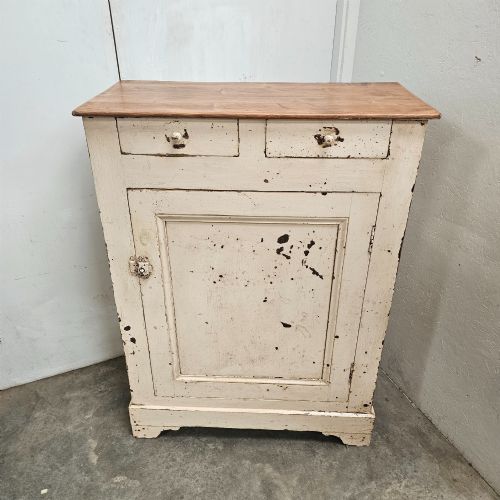
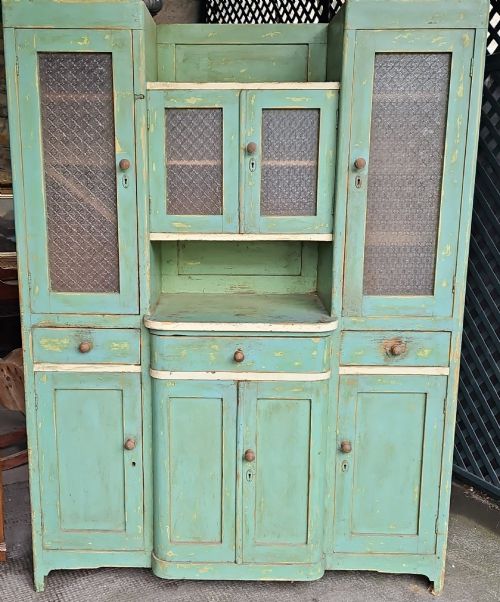
Many surfaces display original paint, painted wood finishes, or applied wax, while other examples feature stripped bare wood or marble tops. Additional materials like glass panels appear in glazed cupboard doors, and faux bamboo turning decorates specific bedside cabinets.
Materials across these listings include pine, pitch pine, iron, brass, glass, marble, and painted wood finishes.
What varies in quality
The integrity of the timber and the preservation of original surfaces largely define the character of each piece. Surviving layers of early paint or honest patination from decades of use elevate an item above plain stripped surfaces.
Proportion and scale also play a role, as smaller bedside cabinets or grander armoires and double wardrobes demonstrate varying degrees of architectural detailing from their respective periods, such as neoclassical influences or provincial carving.
The French Pine Cupboard Glossary
- Confiturier
- A small jam cupboard traditionally used in French provincial homes to store preserves and provisions.
- Buffet deux corps
- A large two-tier storage piece comprising a lower cupboard section topped by a smaller upper cabinet.
- Compactum
- A fitted wardrobe containing a combination of hanging space, drawers, and shelving within a single unit.
- Housekeeper cupboard
- A large storage cabinet designed for household linens, dry goods, and domestic supplies.
- Faux bamboo
- Wood turned and painted to resemble natural bamboo stalks, popular during the late nineteenth century.
French Pine Cupboard: Frequently Asked Questions
What rooms suit a french pine cupboard?
These versatile pieces adapt easily to kitchens, bedrooms, and living spaces for everyday storage.
Larger wardrobes and larder cabinets provide substantial capacity, while smaller bedside tables fit neatly into compact areas.
How do I care for painted pine?
Clean surfaces gently with a soft, dry cloth to preserve original paint layers and historic wax finishes.
Avoid harsh chemical cleaners that might strip or damage the aged patination accumulated over the centuries.
Are these cupboards purely French?
While the majority originate from provincial French workshops, related regional styles like English country and Dutch pieces also appear.
Similar rural carpentry traditions across Europe influenced the construction methods and functional forms of these cabinets.
What is a faux bamboo finish?
This technique involves shaping and painting pine timber to imitate the segmented appearance of natural bamboo.
Cabinet makers used this decorative style on nineteenth-century bedside cabinets and smaller storage pieces.