

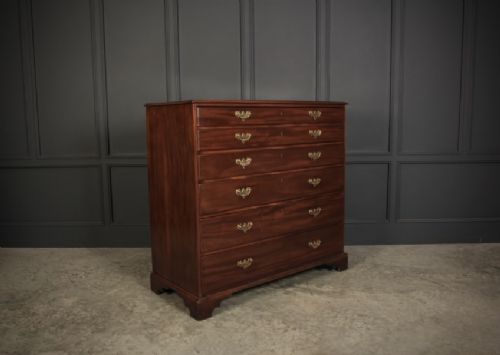


Tall Mahogany Dresser
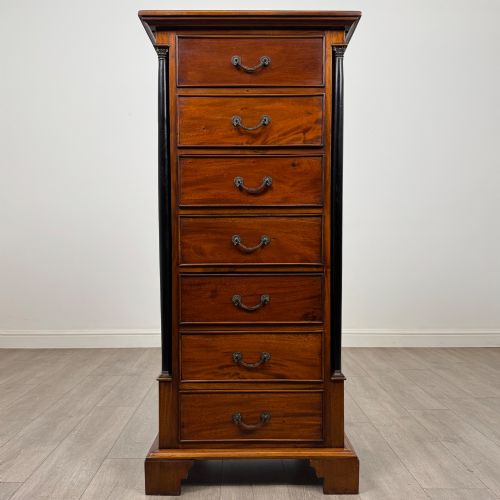
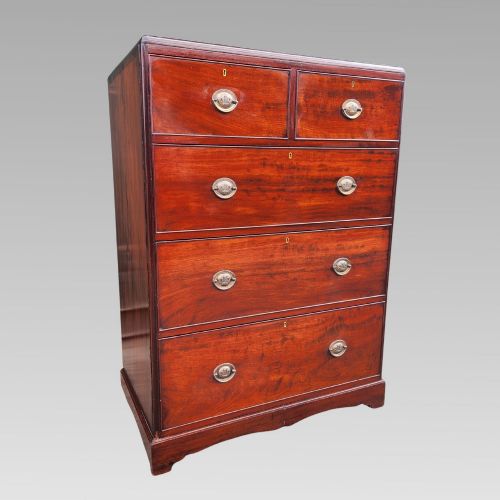
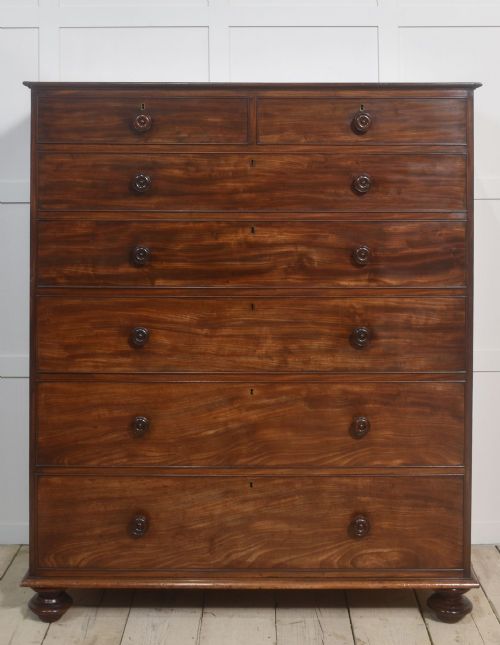
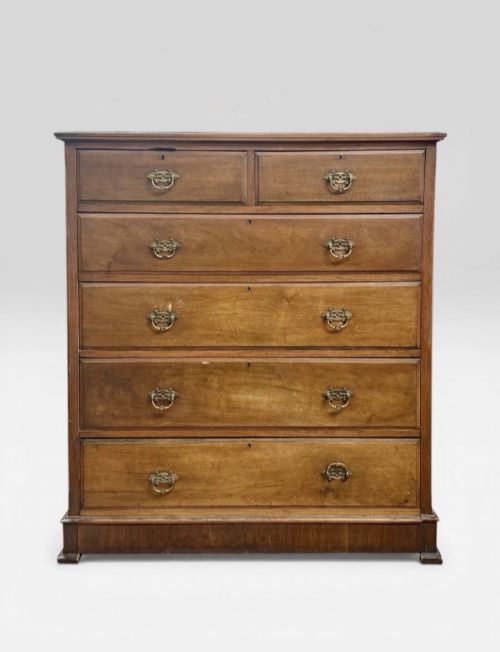
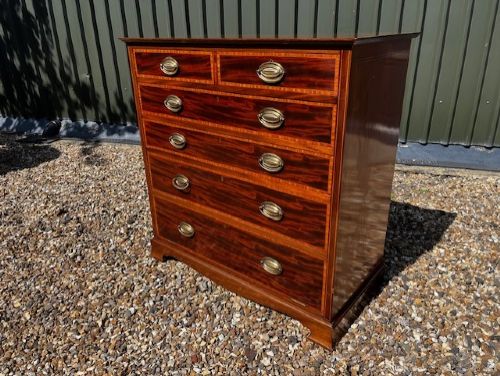
A tall mahogany dresser brings vertical presence and rich wood grain into a room, offering deep storage within a slender footprint.
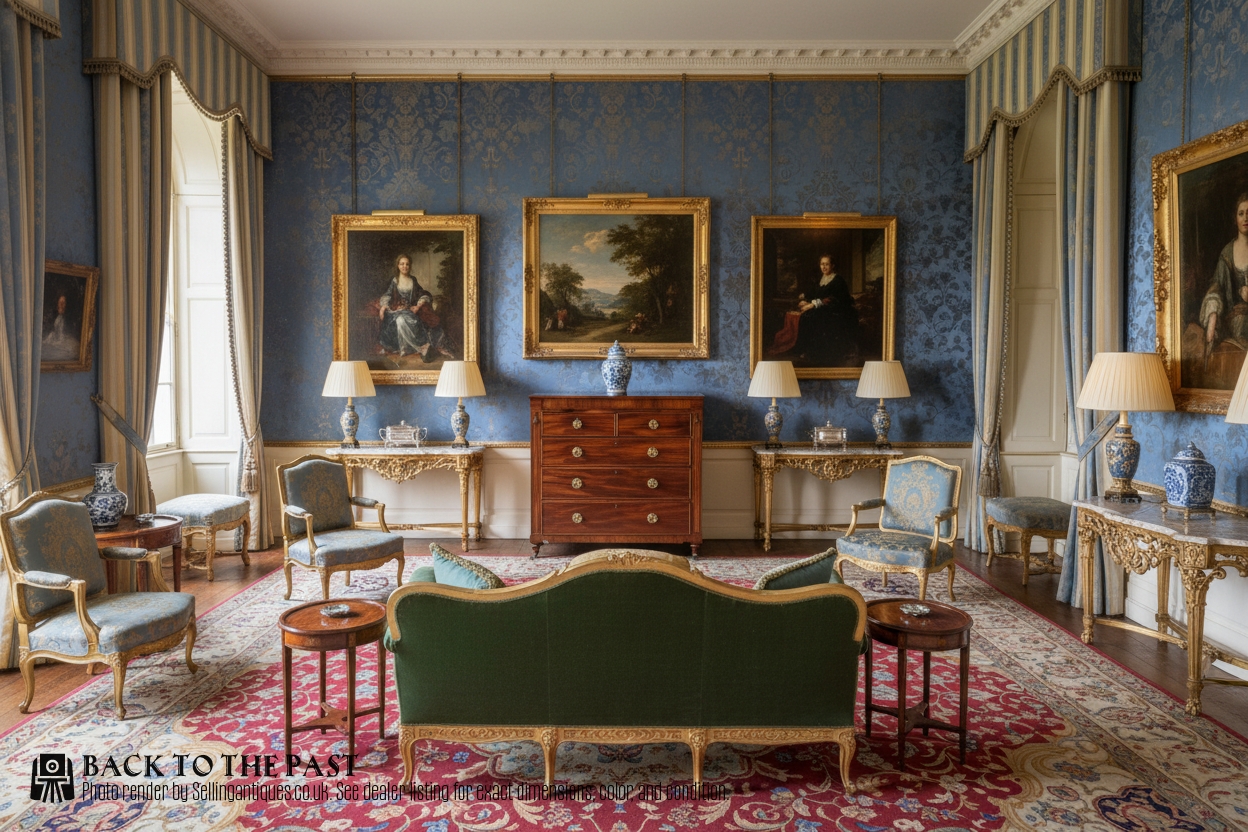
Tall Mahogany Dresser
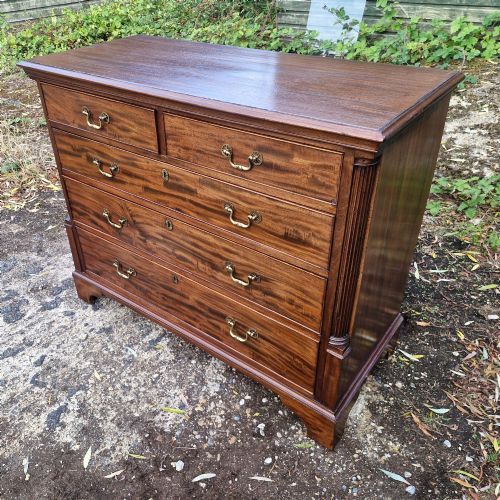
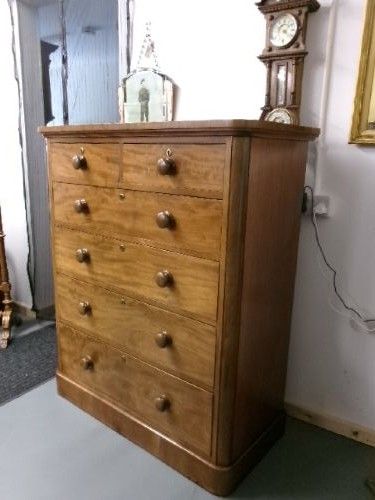
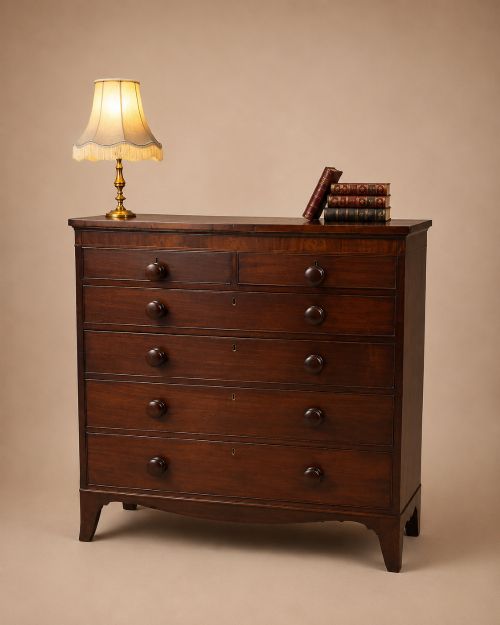
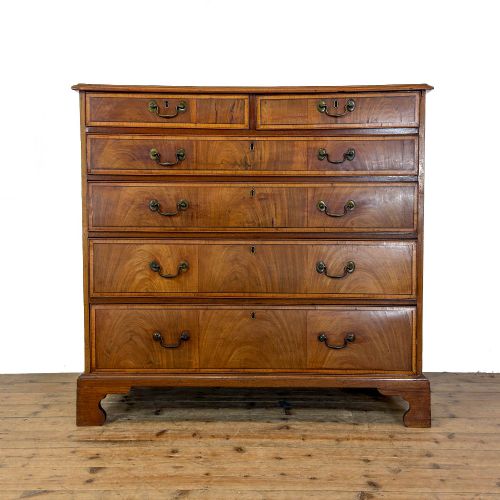
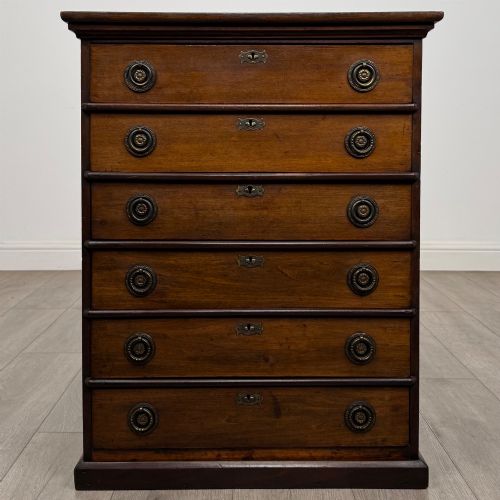
A tall mahogany dresser generally takes the form of a tall chest of drawers, chest-on-chest, or tall-boy, rising higher than standard drawer units to maximise floor space. Buyers searching for a tall mahogany dresser find substantial storage solutions rooted in the eighteenth, nineteenth, and twentieth centuries, spanning periods from George II and George III through to Edwardian and later revival eras.
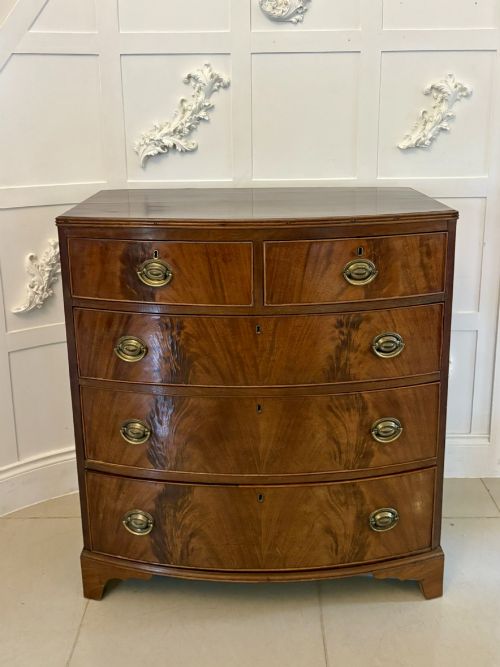
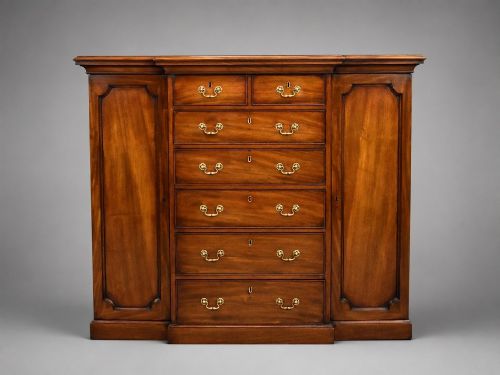
The pieces appearing in these listings encompass narrow chests, bow-fronted designs, and stately tall-boys with multiple tiers of drawers, occasionally combined with bookcases or sideboards. Examples from the Georgian and Victorian periods predominate, alongside Edwardian interpretations that maintain the upright proportions and characteristic timber selection.
Originating from British and occasional continental workshops, these items serve as practical furniture with significant decorative character. The vertical emphasis makes them suitable for bedrooms and dressing spaces requiring considerable capacity without a wide spatial footprint.
Judging quality and proportion
Superior examples distinguish themselves through the selection of highly figured timbers, such as richly grained flame mahogany, matched carefully across the drawer fronts for visual harmony. The crispness of inlaid details, the integration of fine brass hardware, and the subtlety of proportions set finer pieces apart from utilitarian storage.
The integrity of the structural joinery, including the precise fitting of drawers within their carcases and the retention of original backboards and secondary woods, marks the difference between standard production and higher workshop standards.
Tall Mahogany Dresser Retail Price Guide 2026
Typical asking prices for tall mahogany dresser among the pieces listed under this phrase on Sellingantiques today, from the lower quarter to the upper quarter. They describe what is for sale here now, not the wider market.
The documented forms span chests of drawers, sideboards, bookcases, and specialised tall-boys influenced by Georgian and Regency design.
The Tall Mahogany Dresser Glossary
- Flame mahogany
- A veneer cut from timber where the branch meets the trunk, producing a distinctive, flickering flame-like grain pattern that was highly prized by period cabinet makers.
- Bow front
- A convex curved front profile popular on chests and dressers, designed to soften the room's angles while increasing internal drawer capacity.
- Chest-on-chest
- A tall storage unit formed of one chest stacked directly upon a slightly larger lower chest, sometimes referred to as a tall-boy.
- Inlaid
- The technique of embedding contrasting woods or decorative materials into the surface of the mahogany carcase to create geometric or floral patterns.
- Dovetail
- A traditional interlocking joint used at the corners of drawers, valued for its exceptional tensile strength and durability over centuries of use.
Tall Mahogany Dresser: Frequently Asked Questions
What is the difference between a chest-on-chest and a tall chest?
A chest-on-chest consists of two distinct modular sections stacked one on top of the other, allowing easier transport and a stepped vertical profile. A tall chest is typically built as a single continuous carcase containing five or more stacked drawers.
Both forms provide elevated storage, but the chest-on-chest design often incorporates finer proportions and period detailing associated with eighteenth-century craftsmanship.
How do I care for mahogany furniture at home?
Keep mahogany pieces away from direct sunlight and strong heat sources to prevent the wood from drying out and the veneer from lifting. Dust regularly with a soft, dry cloth and apply occasional natural wax to nourish the grain.
Avoid using silicone-based sprays, which can build up over time and dull the natural lustre of the polished timber.
How can I tell a Georgian piece from a later revival?
Georgian pieces generally exhibit hand-cut dovetails, older secondary timbers like oak or pine inside, and construction methods specific to eighteenth-century workshops. Revival pieces made during the Edwardian era or later often feature machine-prepared elements and different interior woods.
Examining the backboards, drawer linings, and lock mechanisms provides clear clues regarding the true age of the carcase.
Where were tall mahogany chests typically used?
These tall units were designed primarily for bedrooms and dressing rooms to store folded garments, linens, and personal accessories within a compact footprint. Their vertical orientation made them practical for rooms with limited wall space.
Gentlemen's rooms and grand bedchambers frequently housed these pieces to accommodate extensive wardrobes.