
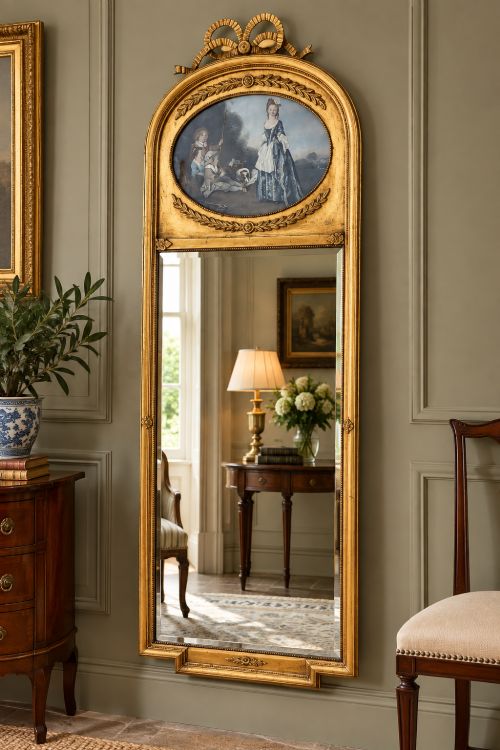
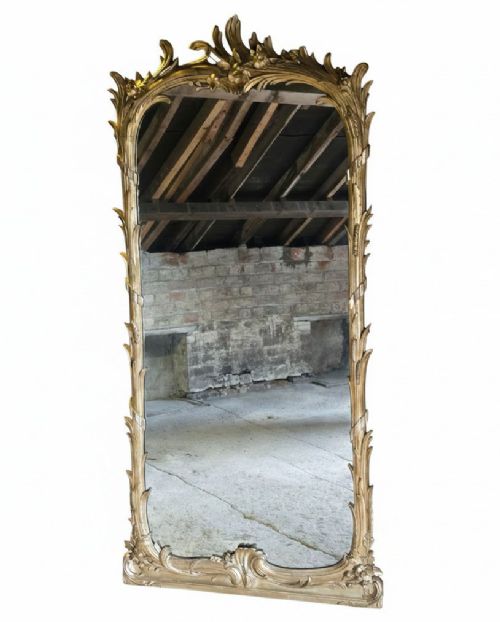
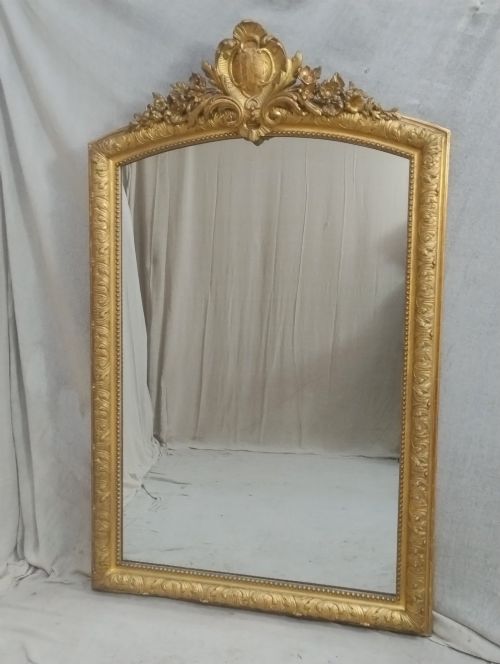
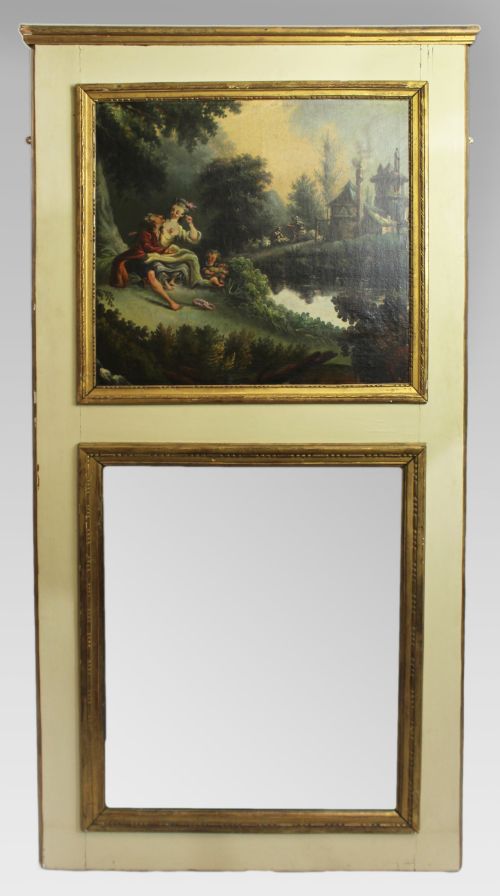
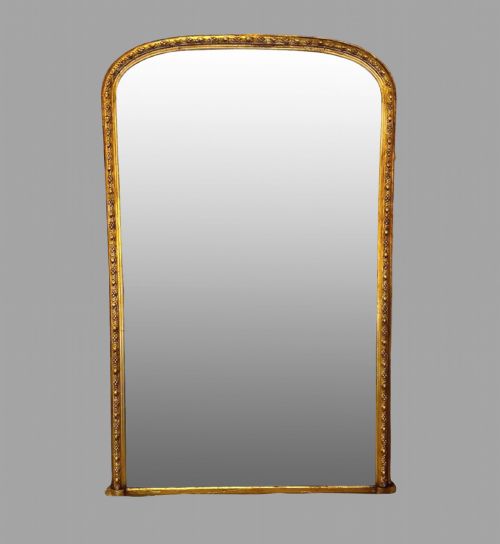
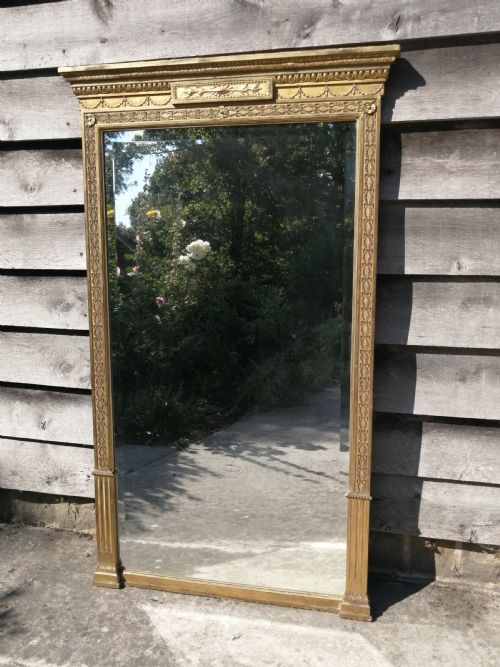
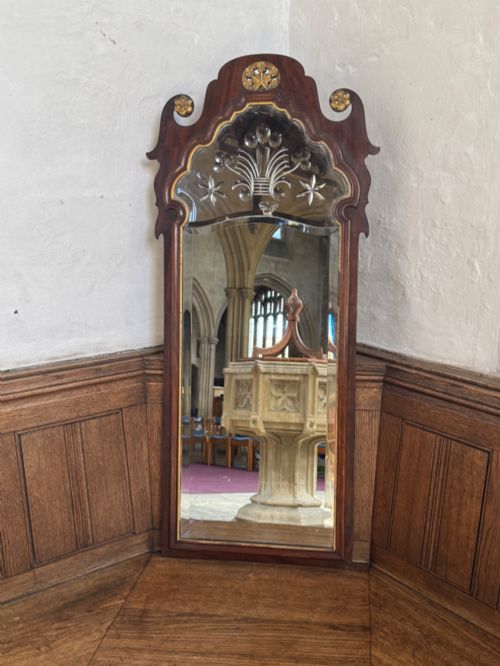
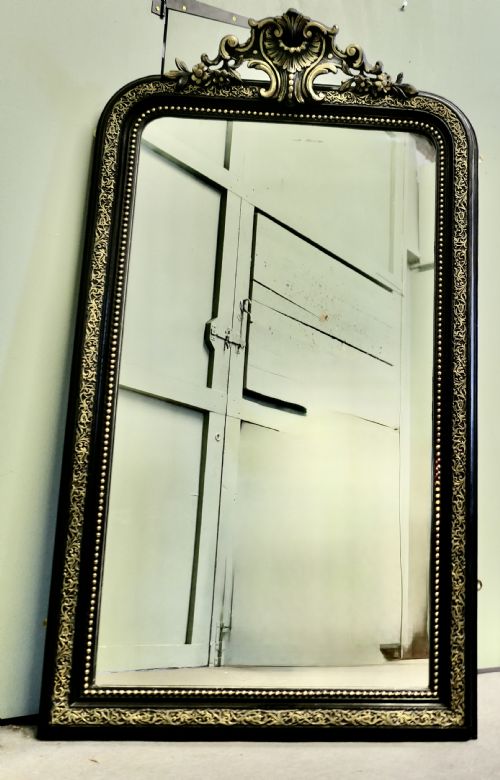
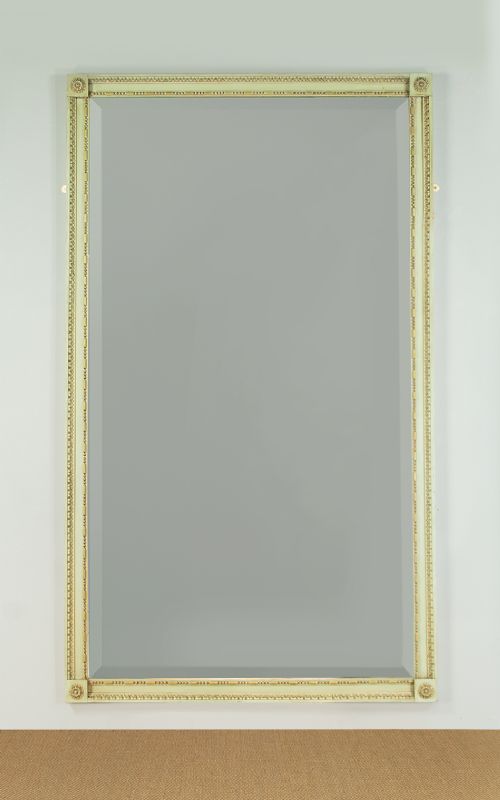
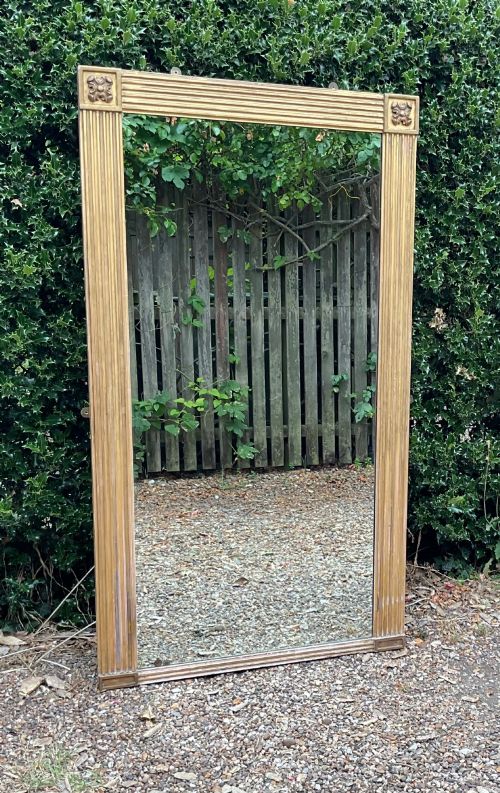
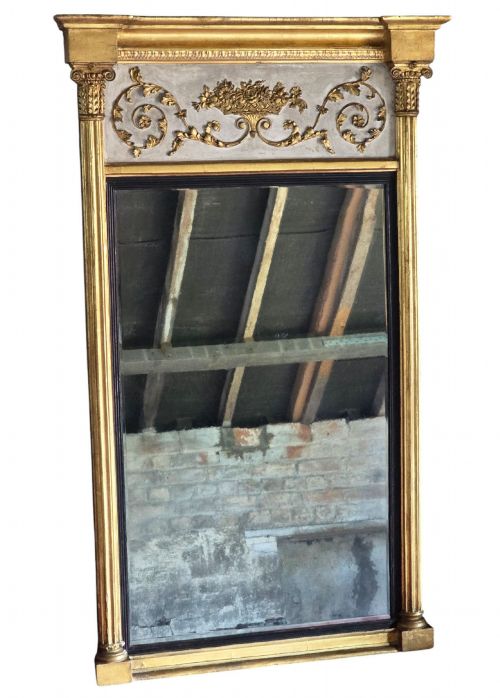
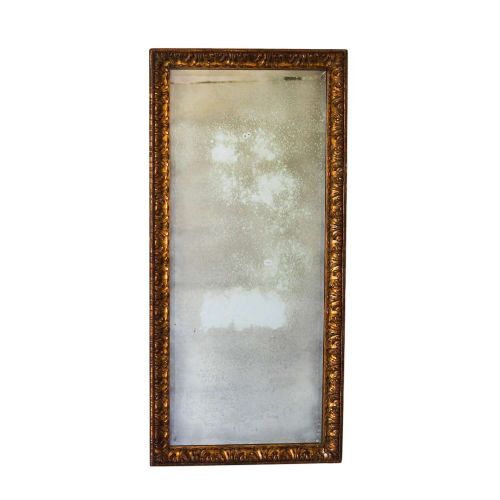
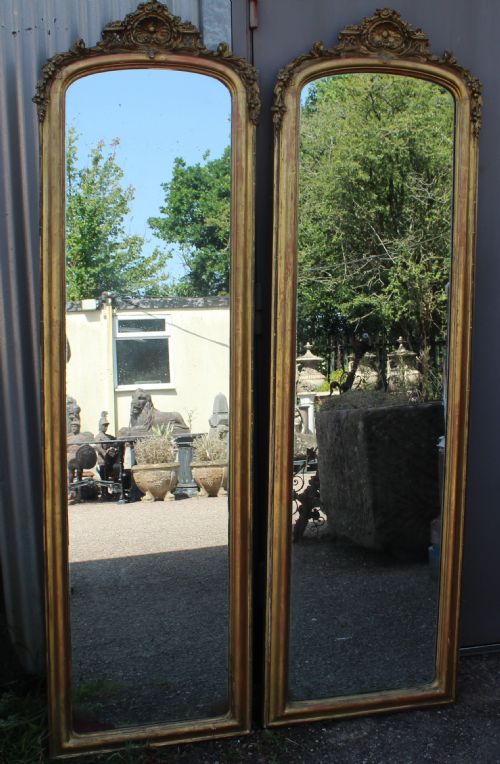
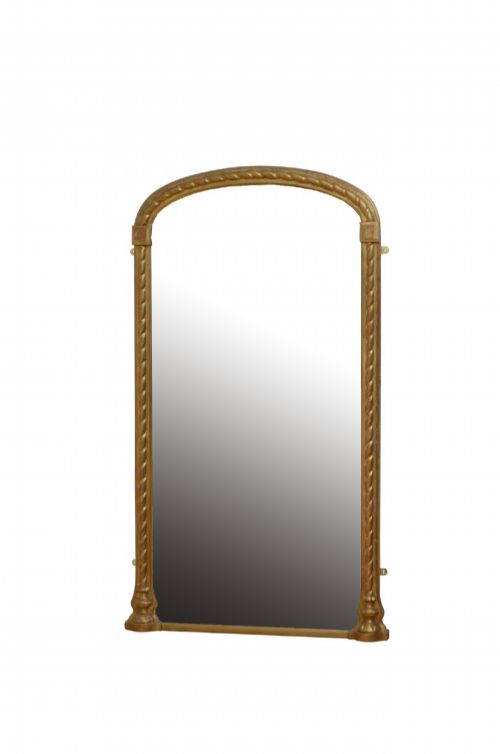
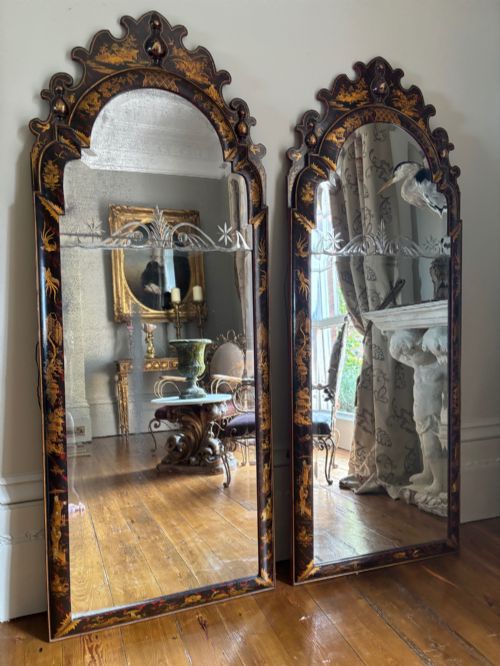
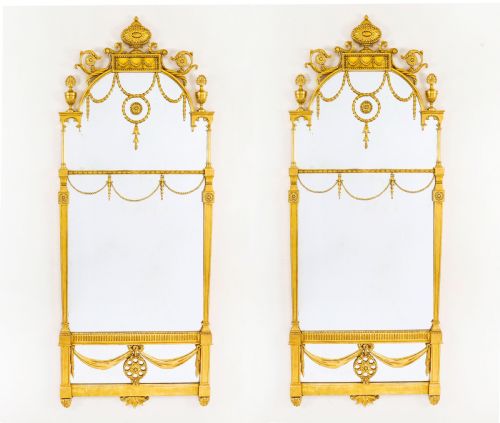
Tall Gilt Pier Mirror
A tall gilt pier mirror brings vertical reach and gilded reflection to a room, hung between windows or above console tables.
Tall Gilt Pier Mirror
A tall gilt pier mirror is designed to sit on the narrow wall space between windows, often stretching upwards to draw in natural light. These vertical looking glasses serve both functional dressing purposes and decorative architectural roles within a room.
You will frequently encounter nineteenth-century examples on this page, alongside earlier Georgian iterations and later revival pieces. The forms range from simple arched frames to elaborate French trumeaux incorporating pastoral oil paintings.
Originating in grand domestic spaces, these tall mirrors utilise gilded wood and gesso to create commanding visual statements. The survival of original glass plates and period frames defines the core of what is available.
How they were made
Makers constructed the structural frames from timber such as pine or oak, then applied layers of gesso to build up intricate surface ornamentation. Skilled artisans carved decorative motifs directly into the medium before applying gold leaf or liquid gilt.
The reflective surfaces consist of traditional silvered glass or older mercury glass plates, held securely within the rebated wooden frames. Many items retain original backboards and hand-beveled glass showing subtle age-related distortions.
Listings span the eighteenth, nineteenth, and early twentieth centuries, featuring French, English, and Italian origins in giltwood, gesso, and painted wood.
What varies in quality
The crispness of the carved gesso and the depth of the gilding separate standard production from superior craftsmanship. Finer pieces display sharply defined details in architectural cornices, rope carvings, or revival motifs without blurring.
The integrity of the original glass plate contributes significantly to the character of the object. Surviving mercury plates or early mirror glass with natural oxidation hold higher interest than later modern replacements.
The Tall Gilt Pier Mirror Glossary
- Pier glass
- A tall mirror specifically proportioned to hang on the narrow pier of wall between two windows. These plates amplify daylight across the interior.
- Trumeau mirror
- A decorative wall mirror combined with an upper panel containing an oil painting or carved relief. French versions frequently employ this format.
- Gesso
- A plaster-like mixture applied to wood frames to create a smooth surface for carving and gilding. This material allows for intricate relief decoration.
- Mercury glass
- An early type of mirror plate produced by pouring a mercury-tin amalgam behind double-walled glass. This technique creates a distinctive mottled reflection.
- Parcel gilt
- A finishing method where only specific raised portions of a frame are gilded while the rest remains painted or exposed wood.
Tall Gilt Pier Mirror: Frequently Asked Questions
Where should I hang a tall gilt pier mirror?
These mirrors suit narrow wall spaces between tall windows or above console tables where their vertical proportions draw the eye upward.
Placing them opposite a window helps maximise natural light distribution across the room.
Are original mirror plates common?
Many surviving examples retain their original glass plates, often showing light foxing and age spots that evidence their history.
Some pieces feature mercury glass, which provides a softer, deeper reflection than modern mirror plates.
How do I distinguish between periods?
Georgian and Regency examples typically feature restrained neoclassical lines or carved giltwood details, whereas later Victorian iterations often embrace heavier proportions and revival styles.
Construction methods, backboards, and fastener types also offer clues to the exact date of manufacture.
Can these mirrors stand on the floor?
Certain taller formats function as leaner mirrors, resting against the wall rather than hanging from structural brackets.
Checking the weight and frame construction ensures safe placement whether wall-mounted or resting on the floor.