







Tall French Pier Glass
A tall french pier glass brings vertical elegance to domestic spaces, traditionally hung between windows to bounce light across the room.
Tall French Pier Glass
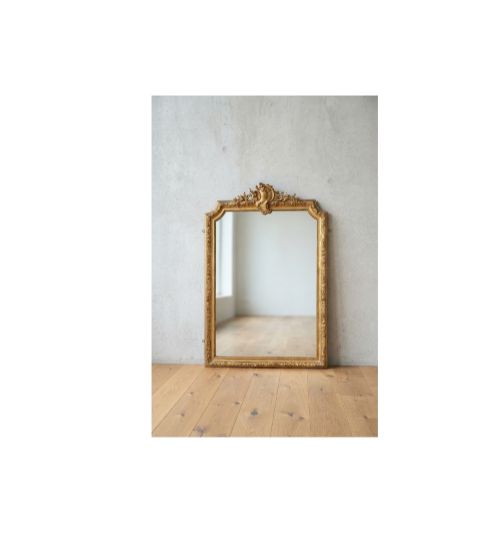
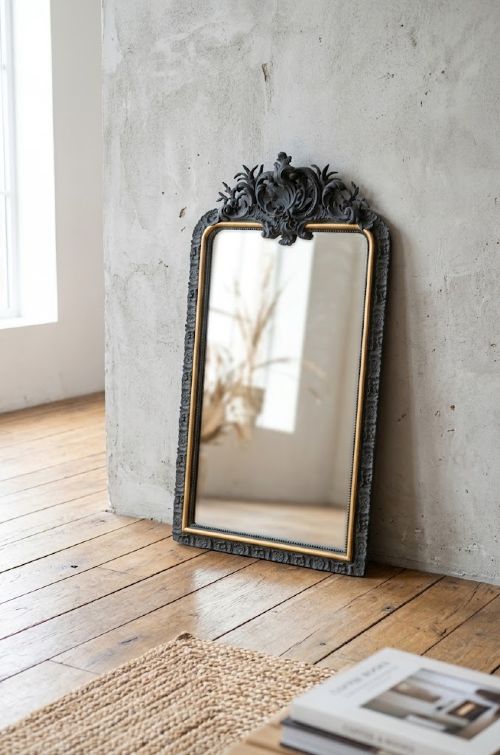
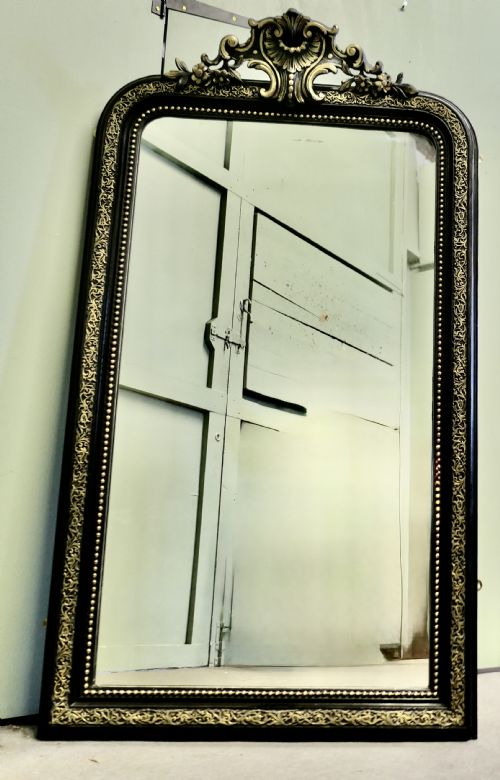
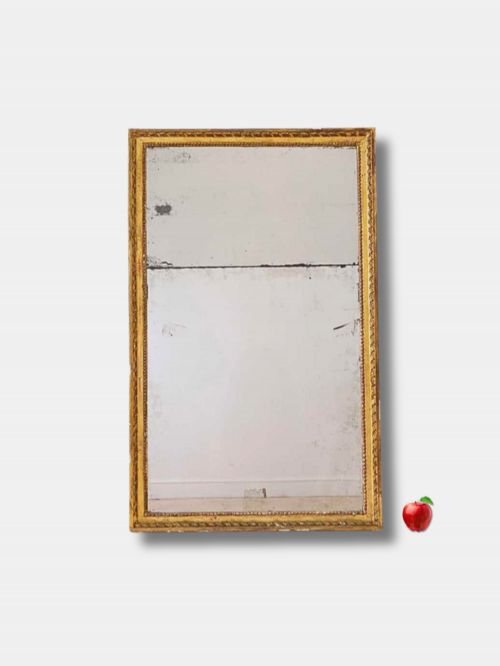
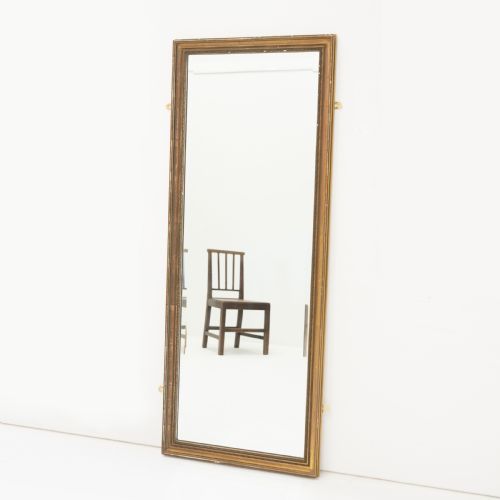
A tall french pier glass is a vertical looking glass designed specifically for the architectural wall space between two windows. These mirrors stretch upward significantly, often reaching heights well over one and a half metres to command the vertical plane of a room.
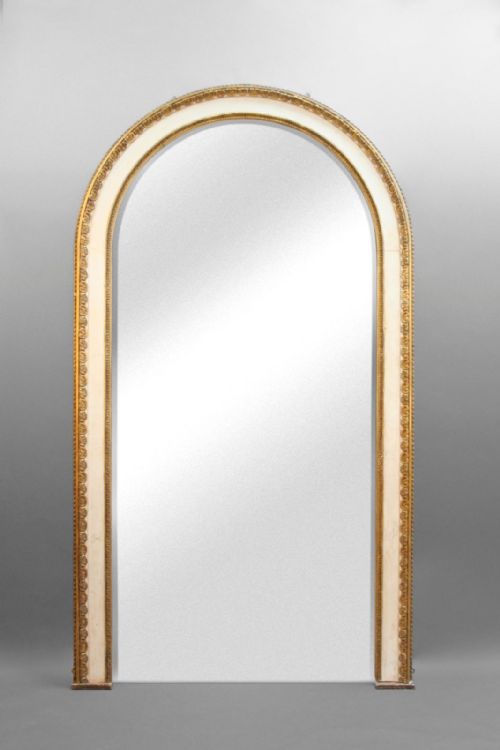
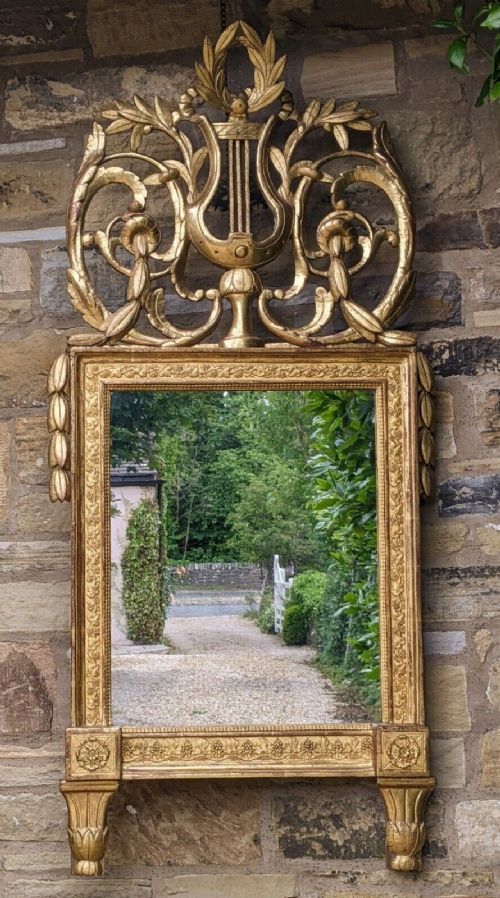
The pieces gathered here span several distinct periods, most notably the nineteenth century alongside eighteenth-century examples and early twentieth-century interpretations. Forms range from simple rectangular frames to elaborate trumeau panels and combinations incorporating console tables.
Most examples originate from French workshops, embracing styles such as Louis XVI, Empire, Rococo Revival, and Napoleon III. Buyers seeking this phrase typically encounter heavily gilded wooden frames, painted finishes, and occasional mahogany structures.
Materials and construction
The foundational frames are constructed from solid woods including mahogany and carved timber, upon which gesso is applied to build up crisp decorative relief details. Craftsmen then finish these surfaces using gold leaf, silver gilt, or applied paint to achieve the characteristic opulent sheen.
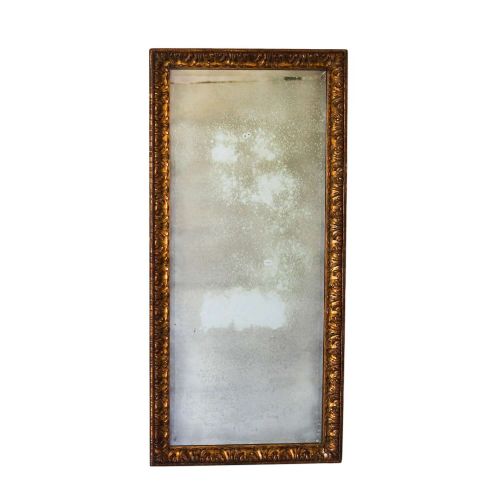
Mirrored glass plates form the visual heart of these objects, with older examples frequently utilising original mercury glass or featuring distressed, aged plates with genuine foxing. Specialised techniques such as eglomise are also present, incorporating reverse-painted glass panels into the upper sections of the frame.
Tall French Pier Glass Retail Price Guide 2026
Typical asking prices for tall french pier glass among the pieces listed under this phrase on Sellingantiques today, from the lower quarter to the upper quarter. They describe what is for sale here now, not the wider market.
Several mirrors arrive accompanied by their original console tables, proving that nineteenth-century French decorators truly understood the value of matching furniture.
Assessing quality in execution
The standard of a tall french pier glass rests in the depth and sharpness of the hand-carved gesso ornamentation upon the wooden frame. Superior examples display crisp architectural moulding and finely rendered floral or classical motifs rather than soft, mass-produced cast decoration.
The preservation of the original reflective plate heavily influences the character of the piece, particularly where authentic mercury backing or hand-silvered glass survives intact. Structural integrity of the tall wooden carcass and the stability of the original gilding further separate standard interpretations from exceptional works.
The Tall French Pier Glass Glossary
- Pier glass
- A tall mirror designed to hang on the narrow wall pier between windows. These mirrors reflect natural light deeper into traditional reception rooms.
- Trumeau
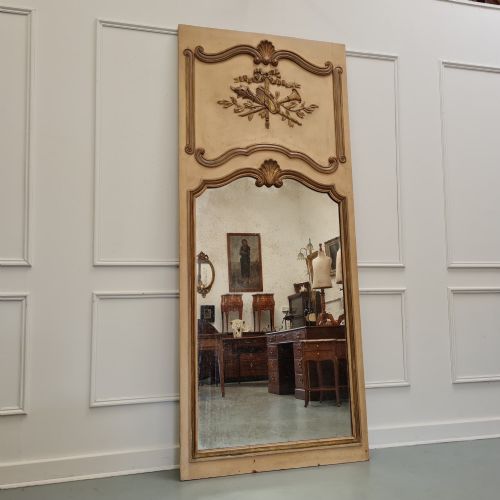
- A decorative wall panel that incorporates a painted scene or wood carving alongside a mirror plate. This style became immensely popular in refined Parisian interiors.
- Gesso
- A plaster-like mixture applied to wood frames to create a smooth surface for gilding. Skilled artisans carved intricate relief patterns directly into this hardened layer.
- Eglomise
- A technique involving cold painting and gilding on the reverse side of glass. This process produces a rich, reflective panel often positioned above the main mirror glass.
- Mercury glass
- An early form of mirrored glass created by pouring a mercury-tin amalgam behind the glass plate. It yields a distinctive, softly mottled reflection.
Tall French Pier Glass: Frequently Asked Questions
Where should I hang a tall french pier glass?
These mirrors were originally conceived for the narrow wall space between two windows to amplify natural daylight. Placing one in a hallway or above a console table achieves a similar balancing effect in modern rooms.
Because of their substantial height, secure wall anchoring into solid masonry or studwork is essential to support the heavy wooden frame safely.
What is the difference between a pier glass and a trumeau mirror?
A standard pier glass focuses primarily on the tall reflecting plate within an ornate frame, designed specifically for architectural wall spaces. A trumeau mirror specifically includes an integrated decorative panel above or beside the glass, often featuring oil paintings or carved wood motifs.
Both forms share French origins and impressive vertical proportions suited to period interiors.
How do I care for antique mercury glass?
Original mirror plates require gentle maintenance using a soft, dry microfiber cloth to remove dust. Avoid harsh modern chemical cleaners that can seep behind the glass and damage the fragile historic backing.
Allowing the natural aged patina and minor foxing to remain preserves both the historic integrity and the visual charm of the mirror.
Can these mirrors stand on the floor?
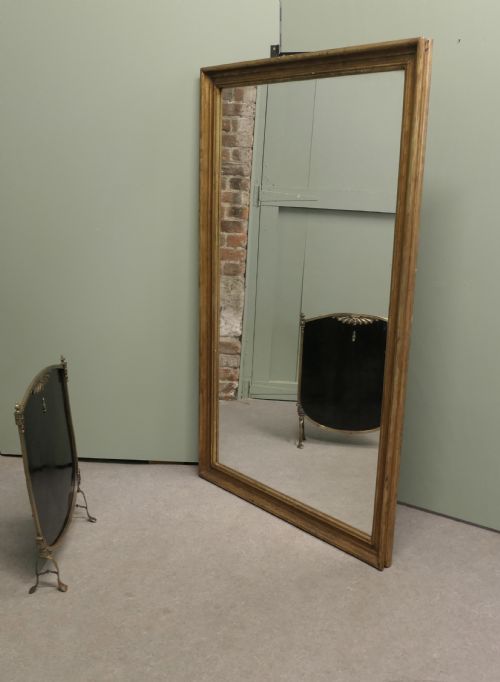
While many examples were designed to hang upon the wall, particularly those paired with console tables, certain taller variations function effectively as floor-standing dressing mirrors. Checking the reverse of the frame for original hanging brackets clarifies whether the piece requires wall support.
Floor placement offers a relaxed interior arrangement while maintaining the grand vertical scale of the room.