


Carved Overmantel Glass
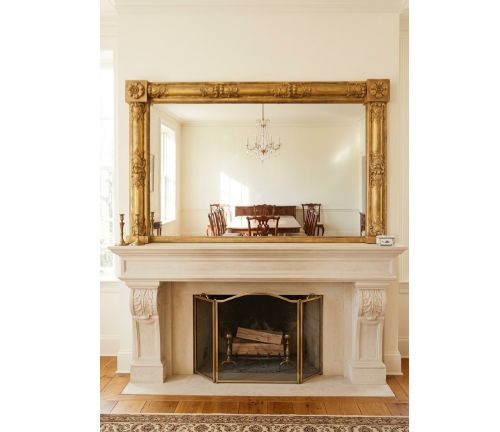
A carved overmantel glass brings scale and reflected light to a room, sitting naturally above a fireplace with period presence.
Carved Overmantel Glass
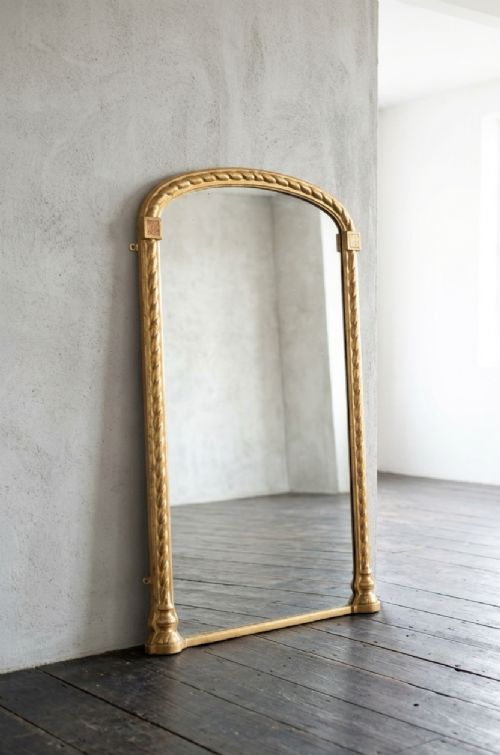
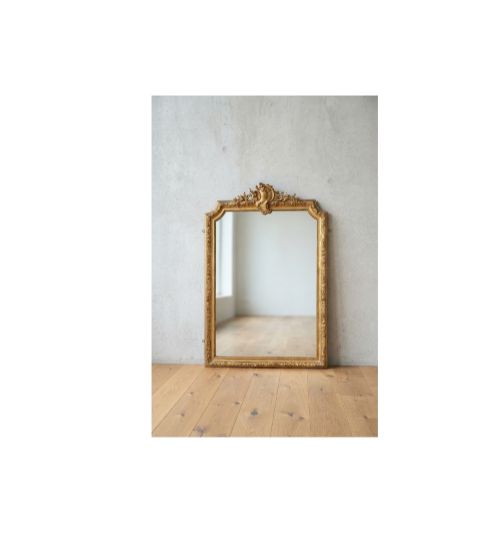
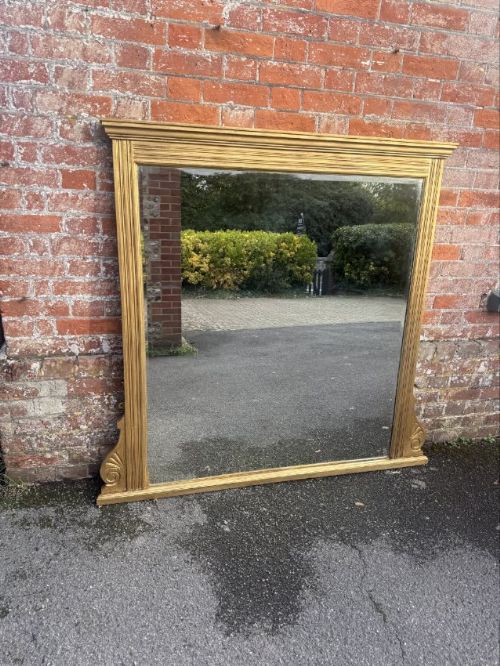
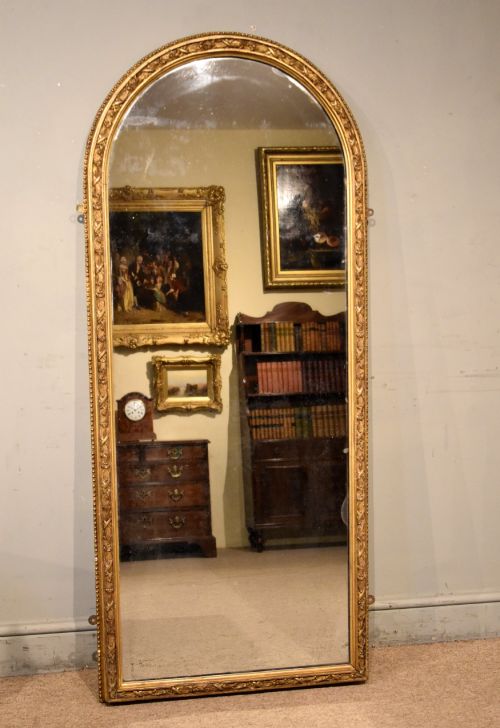
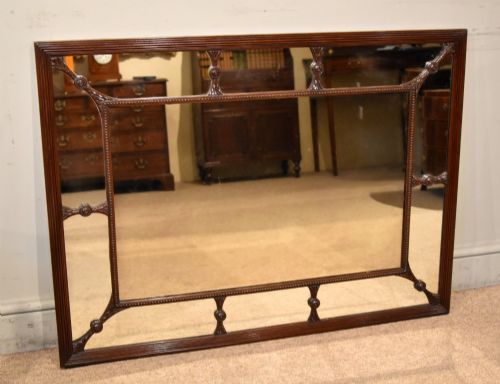
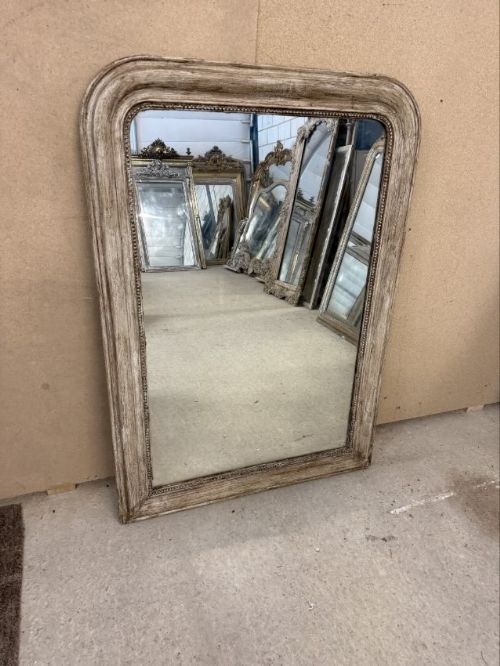
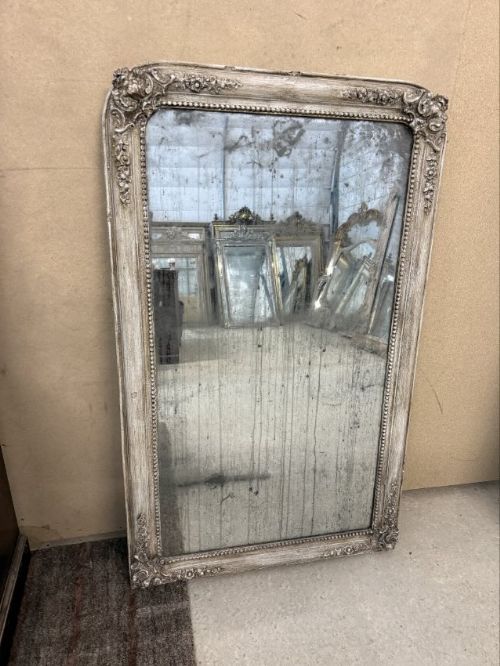
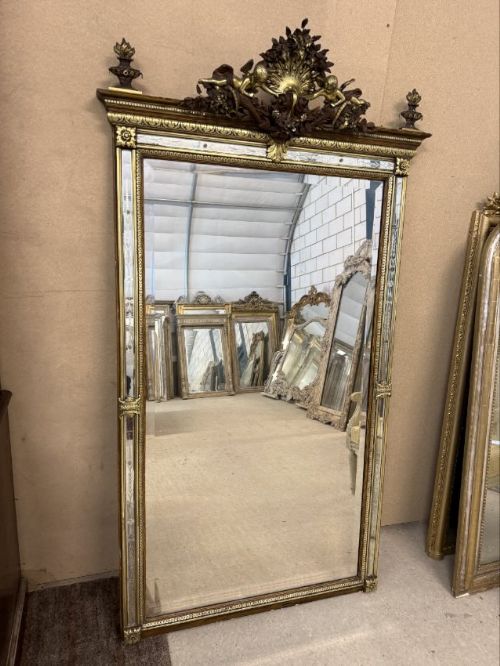
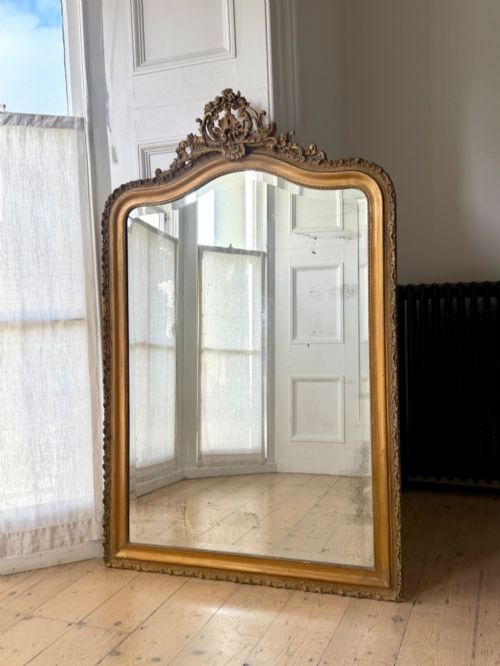
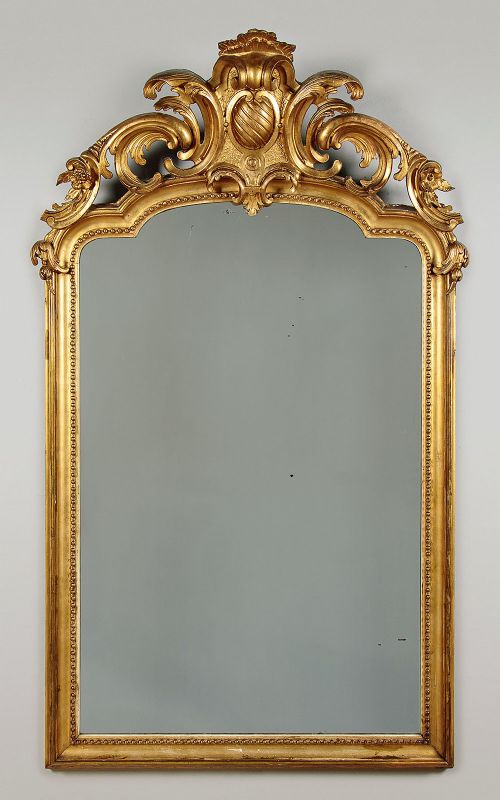
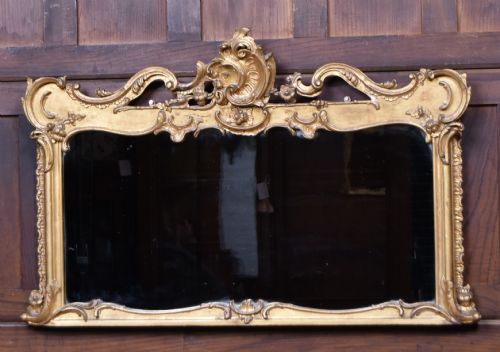
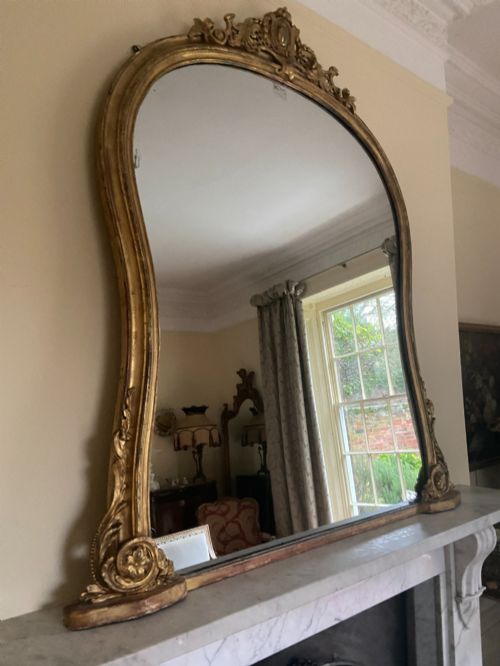
A carved overmantel glass is a large mirror designed to mount above a fireplace mantel, reflecting light across a reception room. When you examine a carved overmantel glass on this page, you encounter grand architectural forms and ornate crests intended to anchor the chimney breast.
The selection draws heavily on nineteenth-century examples, spanning English country house proportions and French salon aesthetics. Makers deployed arched tops, rectangular plates, and elaborate crests to command attention in high-ceilinged interiors.
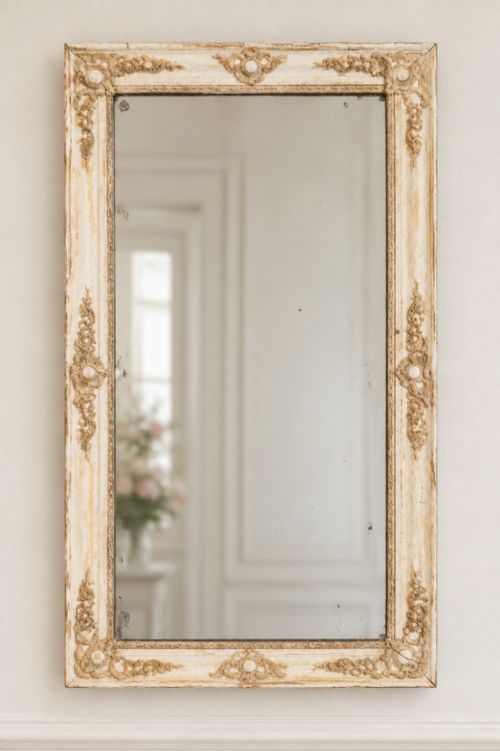
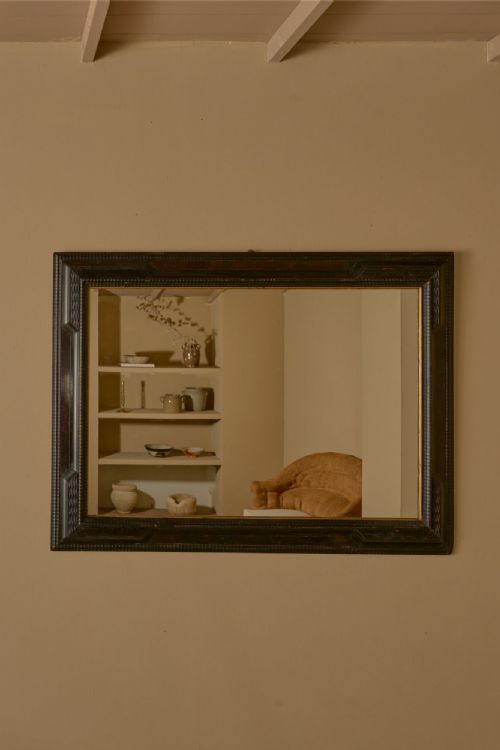
Variations run from giltwood pier mirrors to robust oak frames and painted Louis Philippe designs. Each piece reflects the interior taste of its decade, balancing decorative carvings with practical domestic utility.
How they were made
Carvers shaped frames from timber such as oak, mahogany, or softwoods before applying layers of gesso to build up intricate relief details. Artisans then applied gold leaf, silver, or paint directly onto the prepared surface.
Mirror plates were produced by hand, resulting in characteristics like foxing or mercury backing that show age. Frames utilised traditional joinery, securing heavy glass within timber rebate structures designed to support the weight.
Carved Overmantel Glass Retail Price Guide 2026
Typical asking prices for carved overmantel glass among the pieces listed under this phrase on Sellingantiques today, from the lower quarter to the upper quarter. They describe what is for sale here now, not the wider market.
Listings feature nineteenth-century French and English pieces utilising giltwood, gesso, and original mirror glass across various revival styles.
What varies in quality
Quality rests in the crispness of the wood carving and the depth of the gesso relief work on the crest and frame. Superior examples display sharp hand-chiseled details rather than soft, mass-produced composition ornament.
The preservation of the original mirror plate and the integrity of the gilding dictate the overall character of the piece. Untouched surfaces retain a warmth that heavy restoration or modern reglazing diminishes.
Arsène Rochette of Versailles
The Carved Overmantel Glass Glossary
- Overmantel mirror
- A large mirror specifically proportioned to hang above a fireplace mantelpiece. These pieces often feature horizontal or arched formats designed to span the width of the hearth.
- Gesso
- A plaster-like mixture applied to wood frames to create a smooth surface for gilding or painting. Artisans carved intricate decorative motifs directly into this dried compound.
- Foxing
- Small dark spots and speckles that develop within the silvering of antique mirror glass over time. This chemical ageing process creates a distinctive mottled appearance.
- Pier glass
- A tall mirror designed to fit on the wall space between windows. They share similar decorative framing techniques with overmantel mirrors.
- Mercury glass
- Mirror plates manufactured using a tin-amalgam process popular before the mid-nineteenth century. This technique yields a deep, warm reflection distinct from modern silver nitrate mirrors.
Carved Overmantel Glass: Frequently Asked Questions
How do I hang a heavy overmantel mirror safely?
Secure the frame directly into wall studs using heavy-duty brackets rated for the weight of the timber and glass. Distribute the load evenly across multiple fixing points to ensure stability.
Consult a professional installer if the wall construction is lath and plaster or masonry. Proper anchoring protects both the antique frame and the surrounding wall.
What is the difference between an overmantel and a pier mirror?
Overmantel mirrors are traditionally wider and built to sit horizontally above a fireplace. Pier mirrors are taller and narrower, designed for the wall space between windows.
Both types utilise decorative carved frames, but their original domestic placement dictated their differing proportions.
How should I clean antique mirror glass?
Wipe the glass gently with a soft, lint-free cloth lightly dampened with distilled water. Avoid harsh chemical cleaners that can seep behind the frame and damage the original backing.
Keep moisture away from the edges of the plate and the wooden rebate to prevent further degradation of the silvering.
How do I date a nineteenth-century carved mirror?
Examine the style of the crest, the composition of the frame, and the backboards for clues. Regency and Victorian pieces often show distinct decorative motifs and construction methods.
Look at the characteristics of the mirror plate itself, noting whether the glass shows original mercury backing or later replacement.