

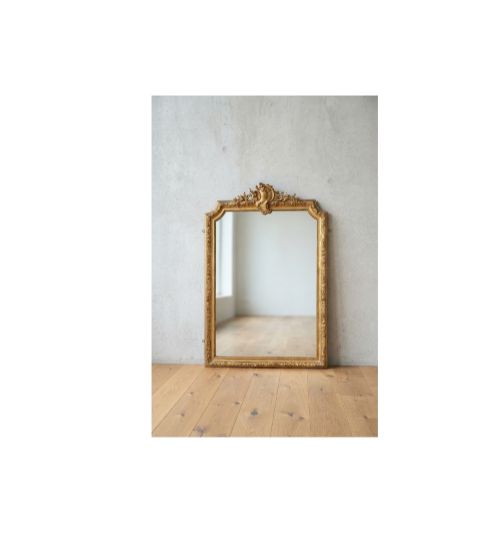
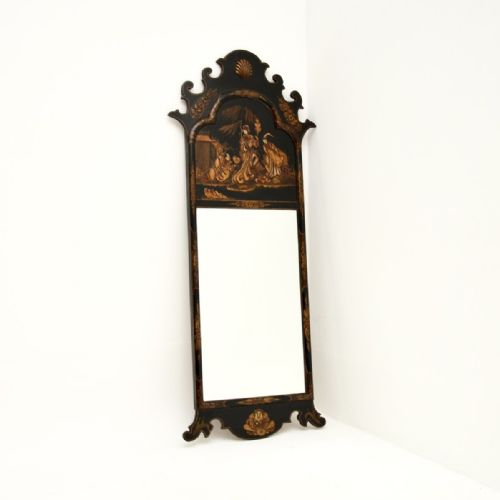
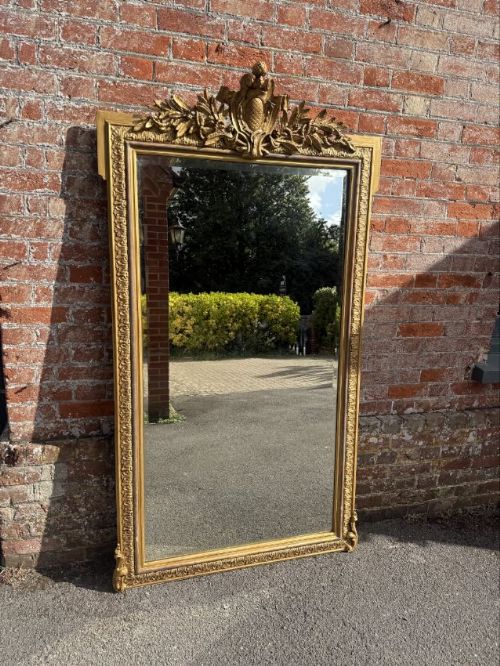
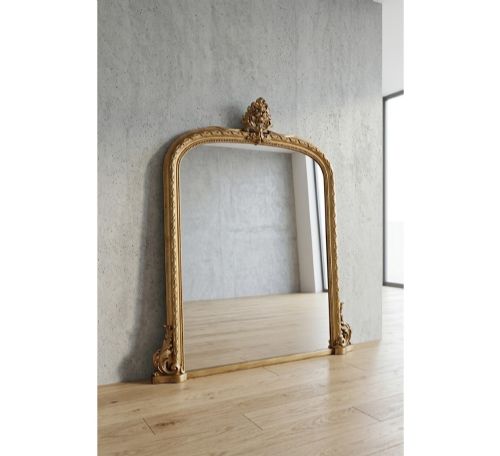
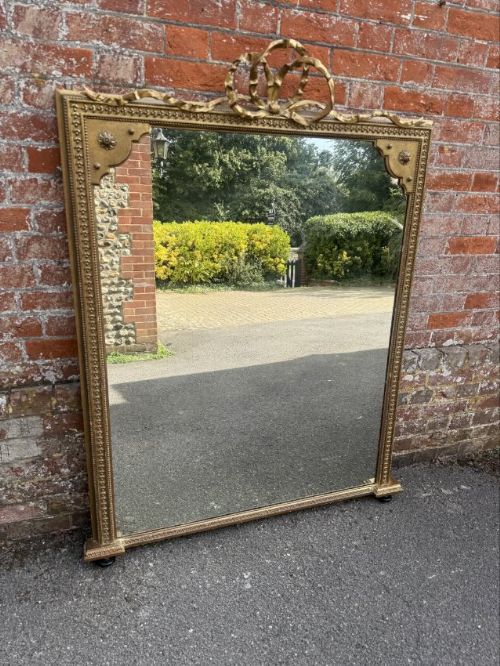
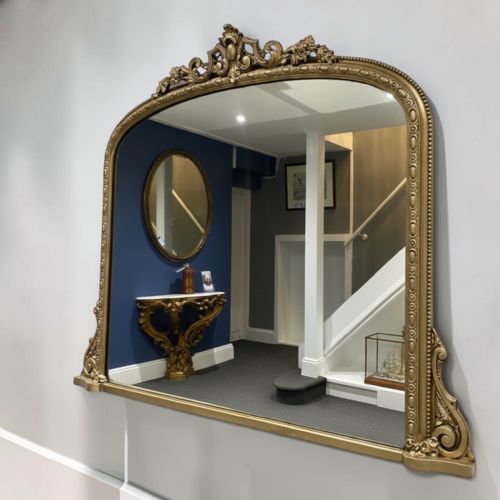
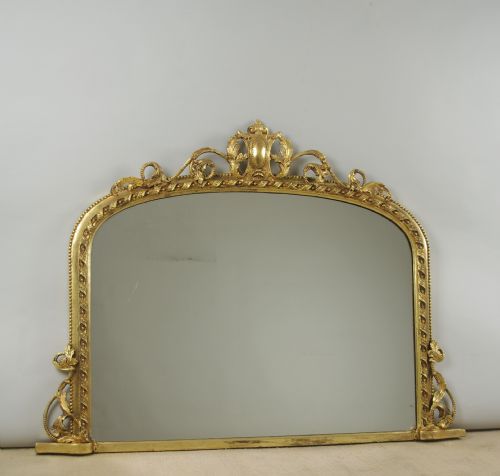
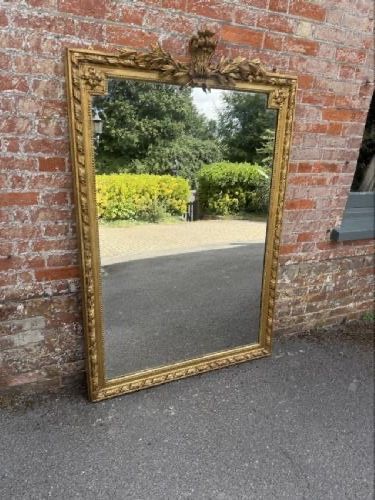

Traditional Gilt Crest Mirror
A traditional gilt crest mirror brings warmth and reflective depth to a room, drawing the eye upwards with its ornate upper carving.
Traditional Gilt Crest Mirror
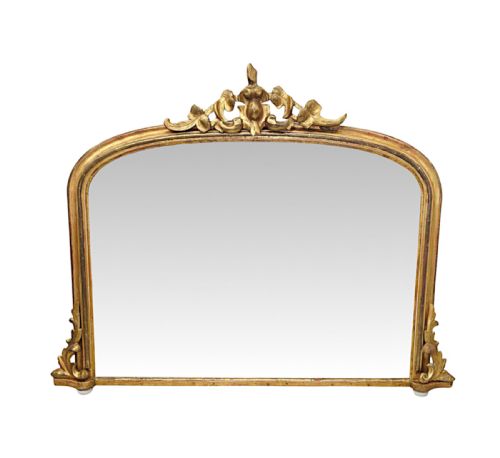
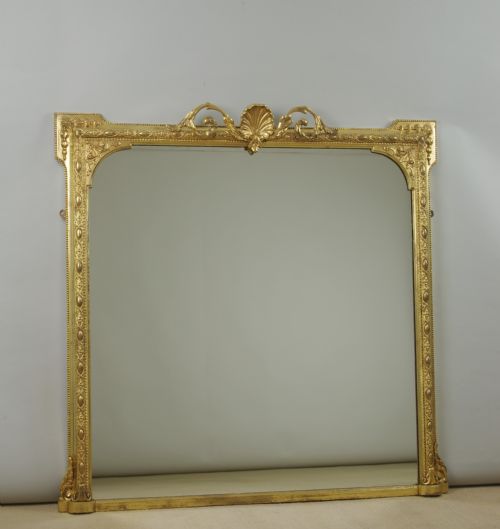
A traditional gilt crest mirror functions primarily as a statement wall hanging or an overmantel piece, designed to anchor a room and bounce natural light around the space. These mirrors originate from periods spanning the Georgian era through the Victorian epoch and into the early twentieth century.
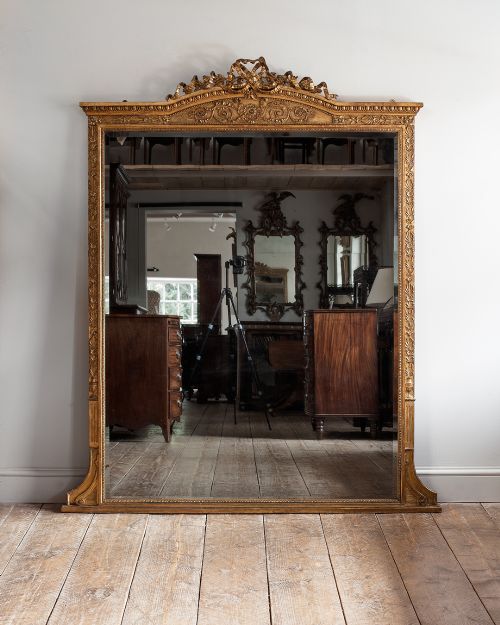
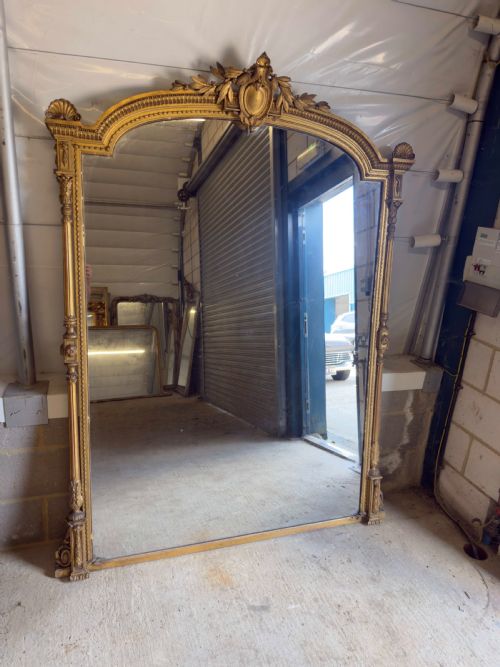
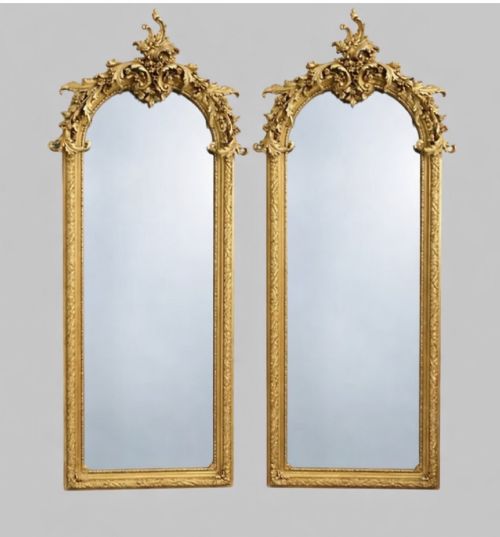
The version most commonly encountered on this page is the large nineteenth-century overmantel mirror featuring an arched top and an elaborate gilded crest. Alongside these, buyers frequently find pier mirrors, pier glasses, and smaller wall-mounted formats reflecting French Rococo Revival or Georgian revival styles.
Framed formats range from neat proportions suitable for narrower walls to very large wall mirrors intended to dominate a chimney breast. Makers applied giltwood, gesso, and painted finishes over wood bases, resulting in substantial decorative objects with notable historical presence.
How they were made
Craftsmen built the underlying carcass from timber such as pine, mahogany, or walnut, shaping structural elements to support heavy glass plates. Wood framing provided the stability required for large wall and overmantel pieces.
Ornate crests and surface decoration relied heavily on moulded gesso or carved wood, built up in relief before receiving layers of gold leaf, composition metal, or liquid gilt. This technique created the reflective, metallic sheen characteristic of the style.
Traditional Gilt Crest Mirror Retail Price Guide 2026
Typical asking prices for traditional gilt crest mirror among the pieces listed under this phrase on Sellingantiques today, from the lower quarter to the upper quarter. They describe what is for sale here now, not the wider market.
Some mirrors wear their history openly, retaining old foxed glass that reflects the room with a charmingly softened, dreamlike haze.
What varies in quality
The crispness of the carved wood and the depth of the gesso moulding dictate much of the visual merit, distinguishing pieces with sharply defined scrolls and foliage from softer, more generalised castings. Original gilding retains a warmer patina compared to later, flat re-gilding efforts.
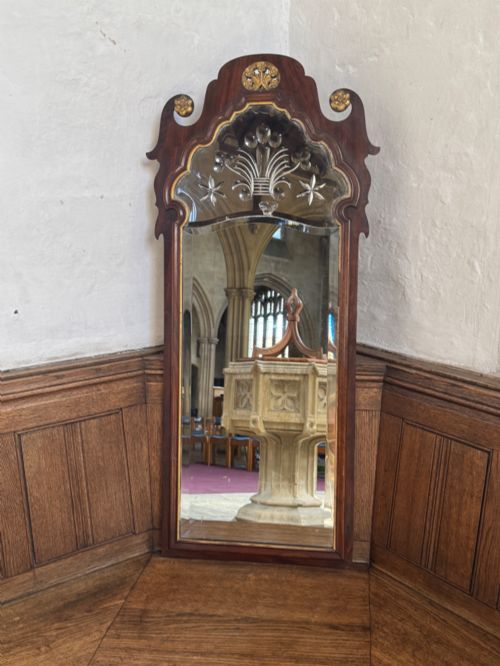
The retention of original mirror plates, whether flat, bevelled, or featuring reverse cut details, adds considerable character and authenticity. Heavier timber frames with sound structural joinery indicate superior baseline construction from the outset.
The Traditional Gilt Crest Mirror Glossary
- Giltwood
- Wood that has been coated with gold leaf or metal leaf. This surface treatment provides a durable and luminous finish.
- Gesso
- A plaster-like mixture applied to wood frames and carved or moulded into intricate decorative motifs before gilding. It forms the raised ornamentation on many antique frames.
- Overmantel mirror
- A large mirror specifically designed to hang above a fireplace mantelpiece. These pieces often feature arched tops to fit architectural chimney spaces.
- Pier mirror
- A tall, narrow mirror traditionally hung on the pier of wall space between two windows. They reflect light into darker interior corners.
- Composition
- A mouldable mixture of whiting, resin, glue, and oil pressed into metal dies to form decorative ornaments. Makers used it as a cost-effective alternative to hand-carving.
Traditional Gilt Crest Mirror: Frequently Asked Questions
How do I hang a heavy overmantel mirror?
These heavy wooden and gesso frames require secure fixing directly into wall studs or masonry using substantial brackets. Professional installation ensures the weight is safely distributed across the wall structure.
Position the mirror at a height that reflects eye-level sightlines or upper architectural details, balancing the piece comfortably above a fireplace or sideboard.
How do I clean an antique gilt mirror?
Dust the carved frame gently with a soft, dry brush to avoid disturbing fragile gesso and gold leaf surfaces. Moisture and modern chemical cleaners can permanently strip historic gilding.
Clean the glass plate sparingly with a mild glass cleaner applied to a cloth rather than sprayed directly, preventing liquid from seeping behind the antique silvering.
Are these mirrors original to the periods listed?
The listings encompass items built during specific historical eras such as the Victorian period and the nineteenth century, alongside later revival pieces produced in the early twentieth century. Construction techniques, wood types, and wear patterns help confirm the age of each frame.
Some pieces incorporate later surface treatments or replaced mirror plates while retaining their historic wooden carcasses and carved crests.
What is the difference between pier mirrors and overmantel mirrors?
Pier mirrors are traditionally taller and narrower, shaped to fit the specific wall space between windows. They maximise available daylight in nineteenth-century drawing rooms.
Overmantel mirrors are broader horizontal or arched pieces built to span the width of a fireplace mantel. Their proportions relate directly to domestic hearth architecture.