


Tall Floor Mirror
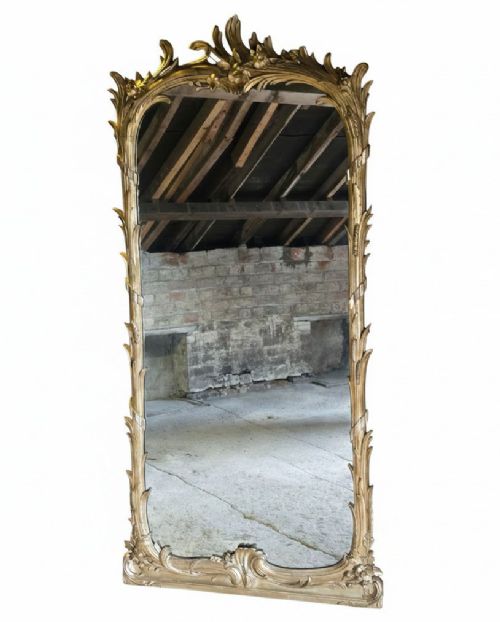
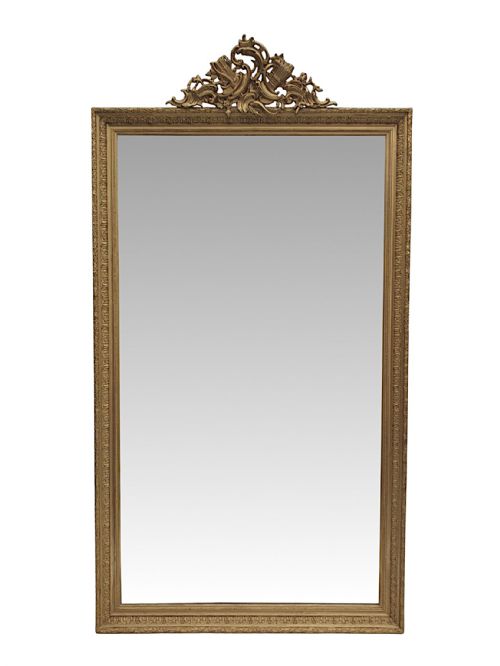
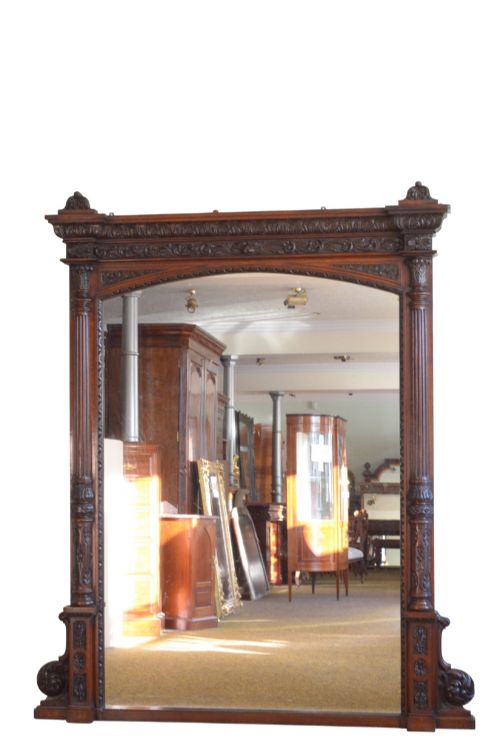
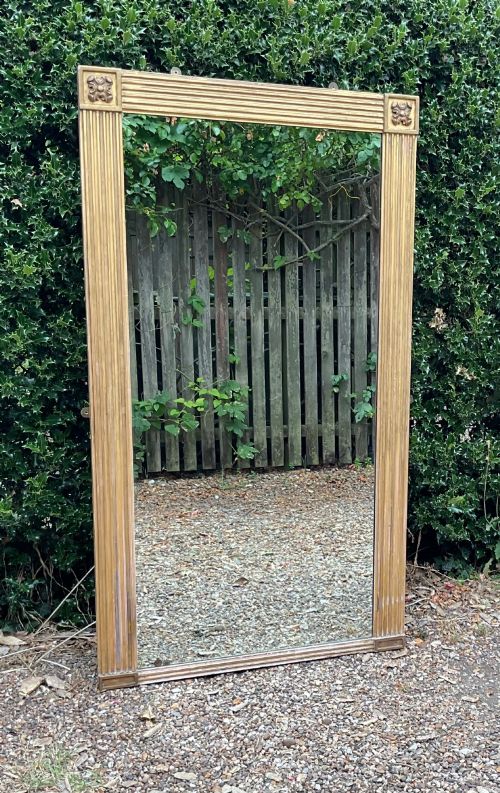
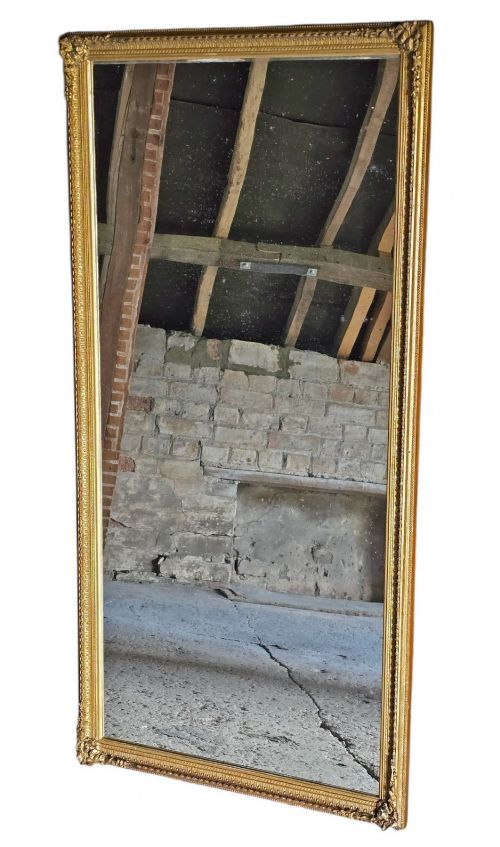
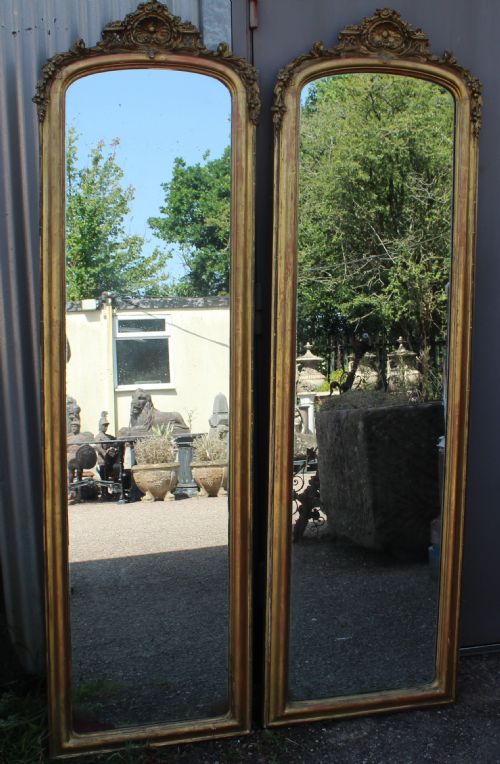
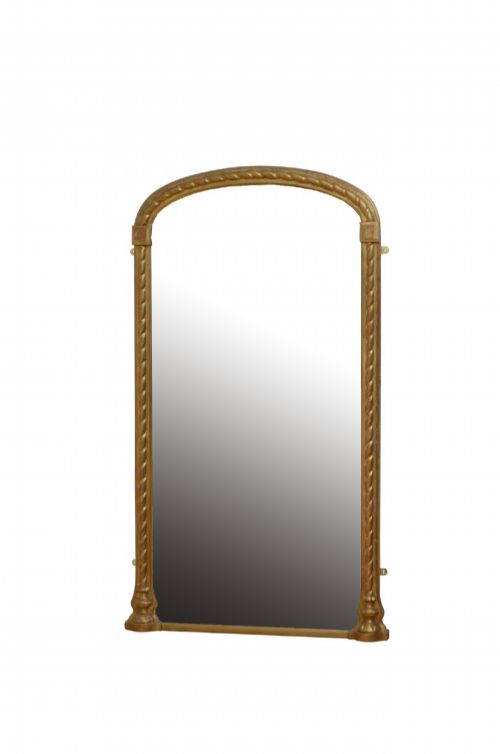
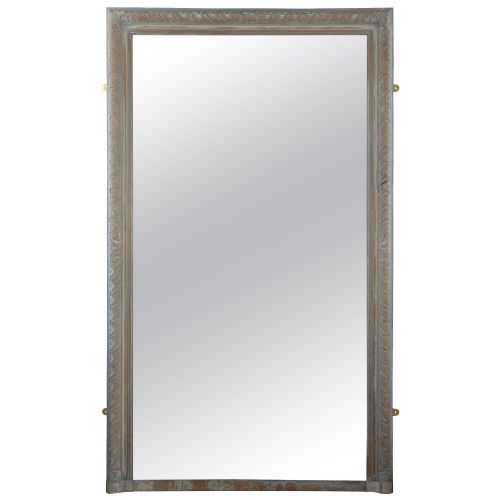
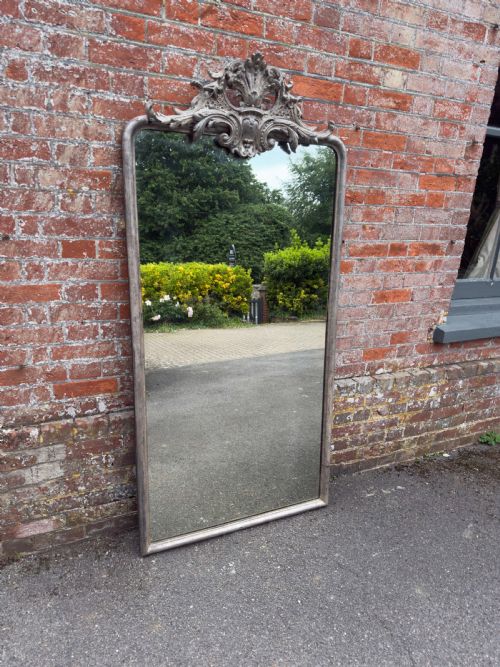
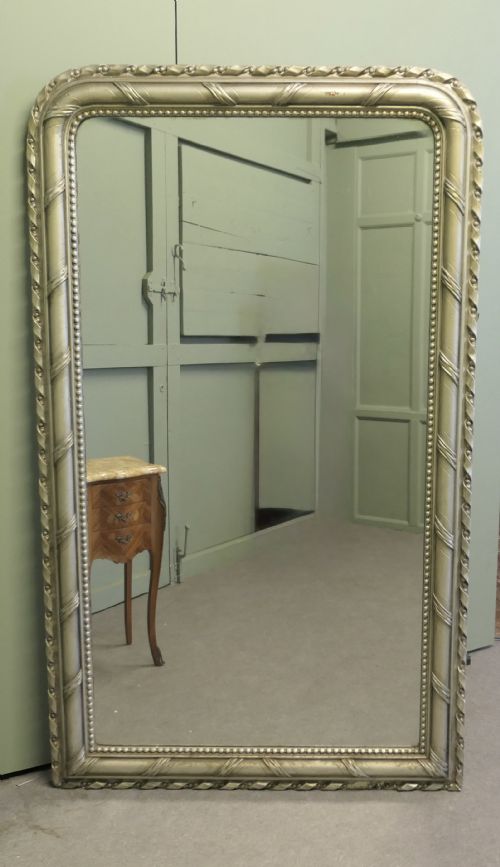
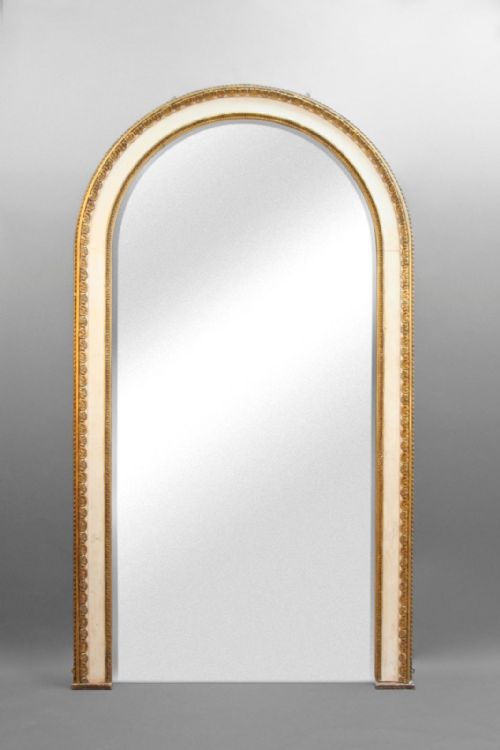
These tall floor mirror examples bring vertical scale and reflected light into a room, spanning Victorian, Regency, and French styles.
Tall Floor Mirror
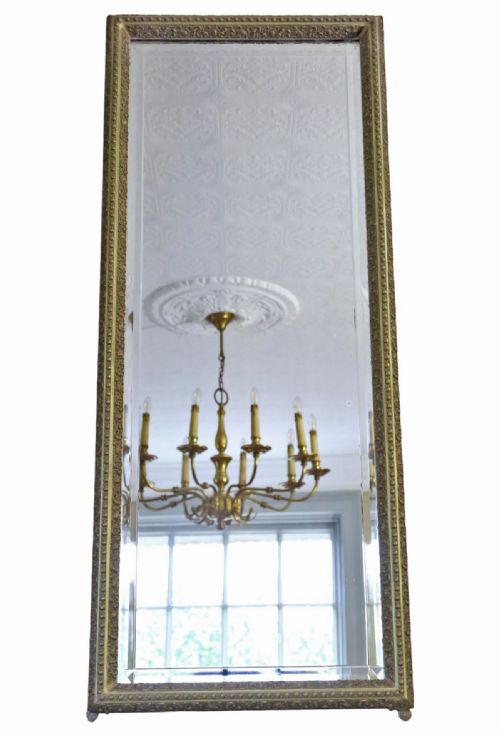
A tall floor mirror stands vertically to show a full-length reflection, frequently taking the form of a leaner mirror, a cheval mirror on a frame, or a pier mirror designed for narrow wall spaces. These pieces serve practical dressing and decorative purposes, amplifying natural light within a room.
The selections span the nineteenth century into the twentieth century, encompassing Victorian, Regency, Edwardian, and Art Deco periods alongside French Louis Philippe and Rococo Revival designs. Buyers encounter wall mirrors, overmantels adapted for leaning, and freestanding dressing glasses.
Many items originate from English and French workshops, utilising substantial timber frames or ornate gilt surfaces. Forms range from simple rectangular floor standing boards to grand architectural arched top pier glasses.
How they were made
Frames rely on timber construction such as solid mahogany, oak, walnut, and carved wood, providing structural support for heavy glass panels. Giltwood and gesso finishes introduce decorative sheen, applied over wood bases using gold leaf or paint.
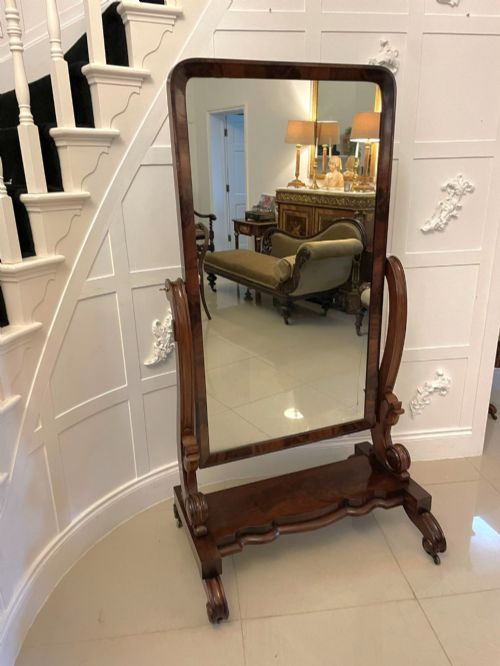
Cheval mirrors incorporate brass hardware including sabots, castors, and pivot pivots to allow angular adjustment. Carved details feature rope moulding, scrollwork, and floral motifs shaped directly into the wooden framework.
One listed cheval dressing mirror originates directly from a gentlemen's outfitters.
What varies in quality
The depth and clarity of the original glass plate distinguish standard examples from finer works, alongside the crispness of the hand-carved wood or gesso ornamentation. Heavier timber frames with robust structural joinery hold up better under the weight of large vertical glass.
Original matching hardware, such as period brass castors and sabots on cheval stands, indicates a higher degree of preservation. The finesse of the gilding and the integrity of the underlying gesso layers separate ordinary frames from statement decorative pieces.
The Tall Floor Mirror Glossary
- Cheval mirror
- A freestanding full-length mirror hung in a frame that allows it to swing. This form often includes a pivoting mechanism supported by four legs.
- Leaner mirror
- A large wall mirror designed to rest against a vertical surface without fixing brackets. These tall plates rely on their substantial base and weight for stability.
- Pier glass
- A tall mirror specifically constructed to hang on the narrow wall space between windows. They frequently match console tables placed below.
- Gesso
- A plaster-like material applied to wood frames to create a smooth surface for gilding or painting. Artisans carve intricate relief patterns directly into this compound.
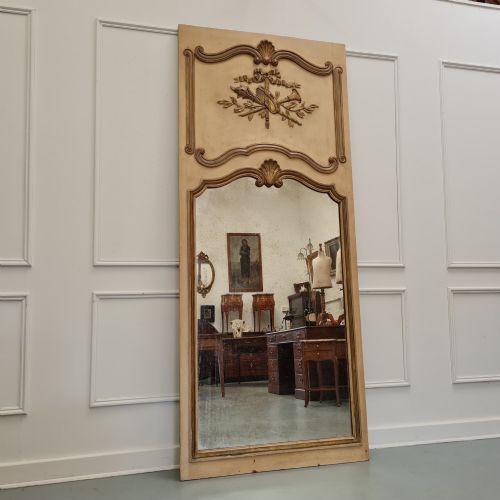
- Trumeau mirror
- A decorative mirror incorporating a painted panel or artwork above the glass plate. These French pieces integrate architectural woodwork into the wall decoration.
Tall Floor Mirror: Frequently Asked Questions
Where should a tall floor mirror go?
These large mirrors suit hallways, bedrooms, and reception rooms where vertical height enhances the proportions of the space. Placing them opposite windows maximises the diffusion of daylight across the interior.
Leaner versions require stable flooring and proper wall positioning to ensure safety, while cheval designs occupy floor space independently without wall attachment.
How do I identify a cheval mirror?
A cheval mirror stands on its own four-legged frame, utilising side pivots that enable the glass plate to tilt back and forth. Nineteenth-century examples often feature mahogany or walnut woodwork with brass fittings.
Originating as dressing mirrors, these pieces provide adjustable full-length viewing angles suitable for dressing areas.
What is a pier mirror?
A pier mirror is a tall, narrow glass designed to hang on the wall space between two windows, known as the pier. These pieces date across the Victorian and Regency eras, often featuring giltwood frames.
They were traditionally paired with matching console tables to create a symmetrical decorative scheme in formal reception rooms.
How do I care for antique mirror glass?
Antique glass often displays foxing, silver loss, and age spots that evidence its nineteenth-century or early twentieth-century origin. Cleaning requires gentle wiping with a soft cloth and mild solution, avoiding harsh chemical ammonia sprays.
Frames made of giltwood or painted gesso need dry dusting to protect the delicate surface layers from moisture damage.