



Tall Bronze Candle Holders
These tall bronze candle holders bring substantial weight and height to a room, ranging from Victorian prickets to Art Deco floor torcheres.
Tall Bronze Candle Holders
When you search for tall bronze candle holders, you are looking at substantial lighting pieces designed to elevate candles above table level. These objects serve both practical illumination and architectural presence within a room.
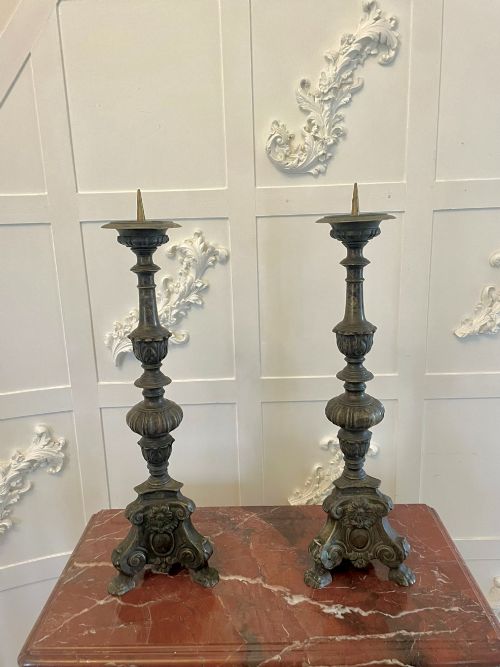
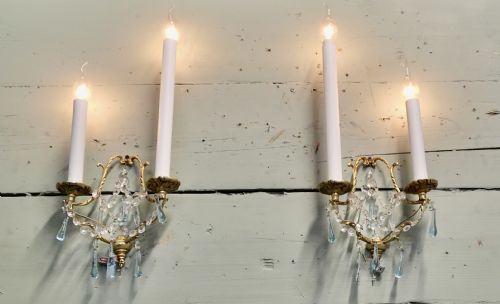
The pieces appearing on this page span several distinct periods, including Victorian, Regency, and Art Deco. You will encounter forms such as pricket sticks, wall sconces, multi-branch candelabras, and upright floor torcheres.
Origins stretch from nineteenth-century English workshops to French chateaux and Japanese foundries. Many examples incorporate related metals or glass elements, combining bronze with brass, gilt highlights, and cut crystal.
How they were made
Foundries produced these items using traditional metal casting techniques suited to the period. Bronze and brass components were cast in sections and joined, allowing for intricate sculptural details on stems and bases.
Finishing methods varied from patination to gilding, creating surfaces that range from deep dark metal to bright gilt bronze. Elements such as pricket spikes or bobeche drip pans were integrated to hold taper candles securely.
Tall Bronze Candle Holders Retail Price Guide 2026
Typical asking prices for tall bronze candle holders among the pieces listed under this phrase on Sellingantiques today, from the lower quarter to the upper quarter. They describe what is for sale here now, not the wider market.
One determined pair of nineteenth-century candle holders takes the form of sculpted dogs standing at attention.
What varies in quality
The distinction between standard production and finer pieces lies in the crispness of the casting and the depth of the chasing. Superior examples display sharp relief on decorative motifs and careful hand-finishing of the metal surface.
Weight and stability also differentiate the range, as heavier cast components and well-balanced bases indicate superior construction. The integrity of the original patina or gilding contributes significantly to the visual merit of each piece.
Auguste Cain
The Tall Bronze Candle Holders Glossary
- Pricket
- A candlestick featuring a vertical spike at the top designed to impale the base of a candle. This form is frequently seen on church and Gothic Revival candlesticks.
- Torchere
- A tall standing floor candle holder designed to support a single light source or a cluster. These pieces often feature slender shafts rising from heavy weighted bases.
- Gilt Bronze
- Metal that has been treated with a thin layer of gold or gold-coloured finish. This technique creates a bright, reflective surface that was popular in Regency and nineteenth-century French pieces.
- Candelabra
- A branched candle holder designed to support multiple tapers from a single central stem. They range from tabletop versions to large floor-standing sculptures.
- Patinated Bronze
- Metal that has undergone a chemical treatment or natural ageing process to produce a specific surface colour and tone. This finish protects the bronze while giving it a subdued, darker appearance.
Tall Bronze Candle Holders: Frequently Asked Questions
How do I clean tall bronze candle holders?
Dust the metal gently with a soft dry cloth to remove everyday particle buildup. Avoid harsh chemical polishes that can strip away historic patination or delicate gilding.
If wax accumulates on the bobeche or nozzle, soften it cautiously with warm water rather than scraping the metal surface with sharp implements.
What is the difference between a candlestick and a candelabra?
A candlestick is designed to hold a single candle upright on a central shaft. They are typically straightforward in profile, though they can feature elaborate sculptural bases.
A candelabra incorporates multiple branches extending from a main stem to hold several candles simultaneously. These pieces generally occupy a larger visual space in a room.
How can I tell a Victorian piece from a later reproduction?
Examine the construction methods and the wear patterns on the underside of the base. Nineteenth-century examples often show seamed bronze casting and natural oxidation appropriate to their age.
Look for consistency in the period style, such as the heavy ornamentation typical of Victorian Gothic Revival designs compared to cleaner Art Deco lines.