

Tall Brass Lighting
Tall brass lighting offers elevation and warmth to a room, bringing together heavy cast metals, slender columns, and period illumination from the eighteenth century onwards.
Tall Brass Lighting
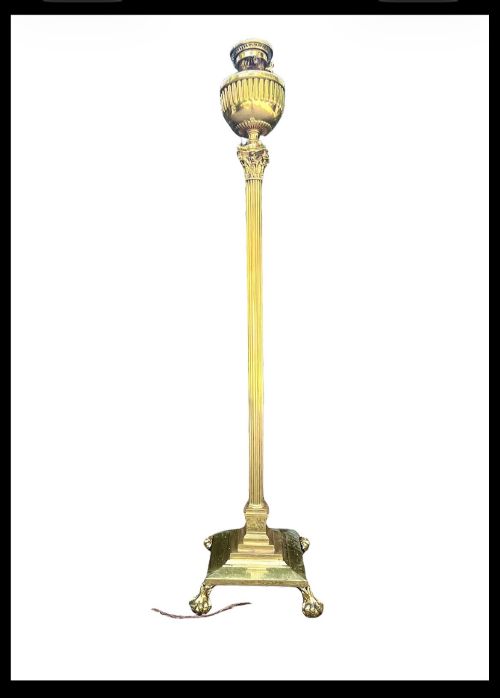
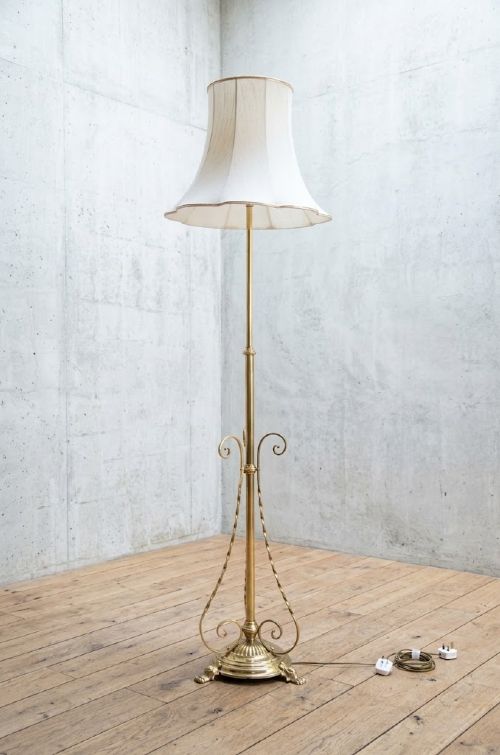
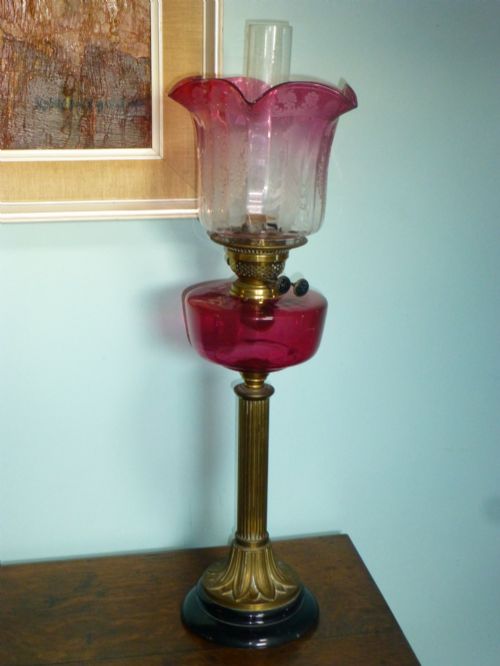
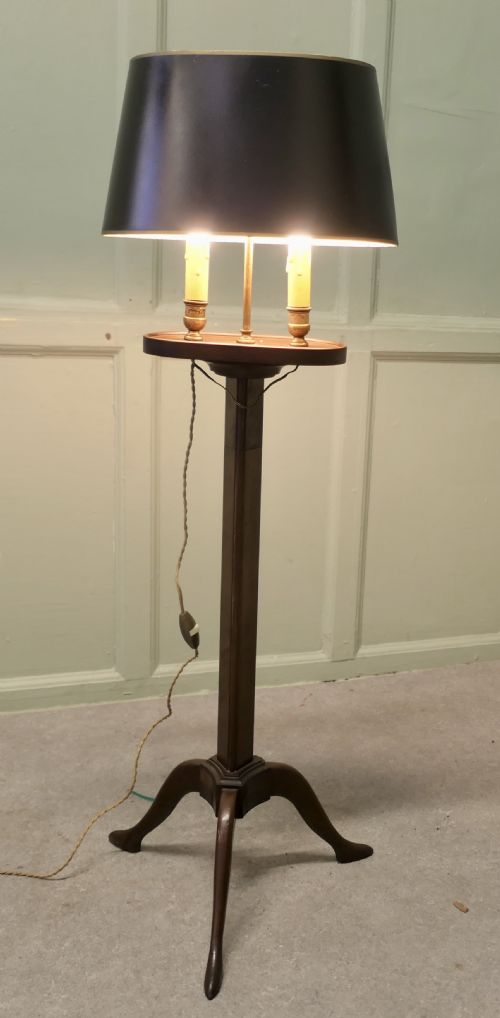
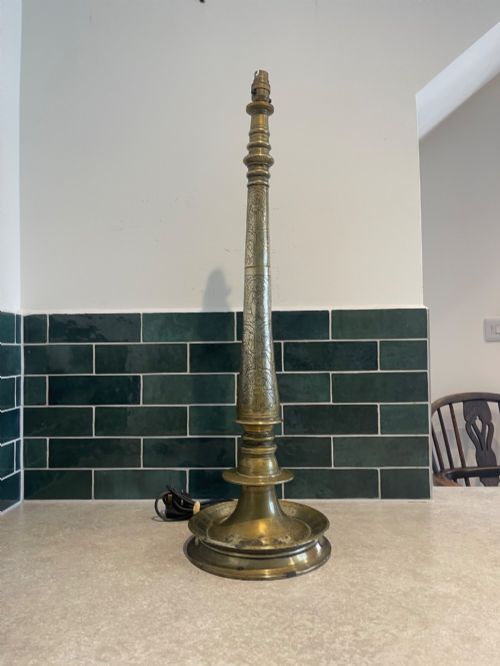
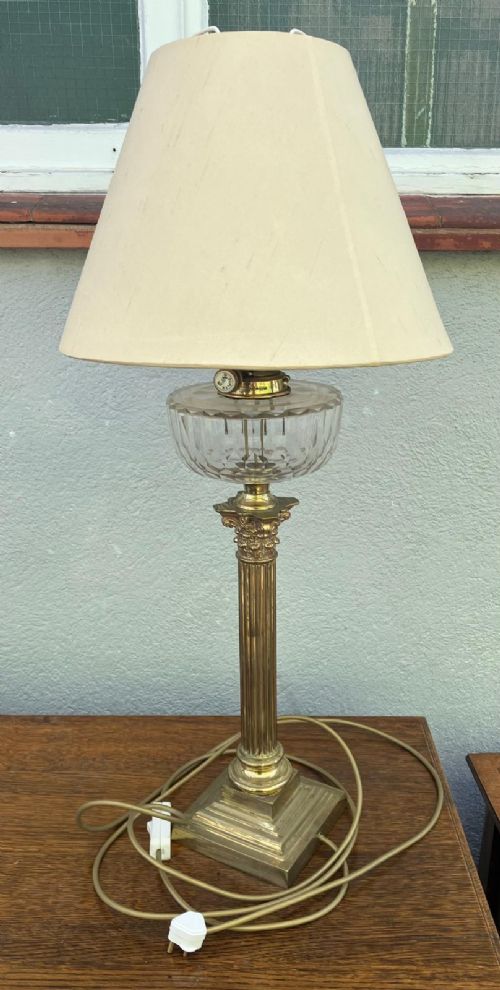
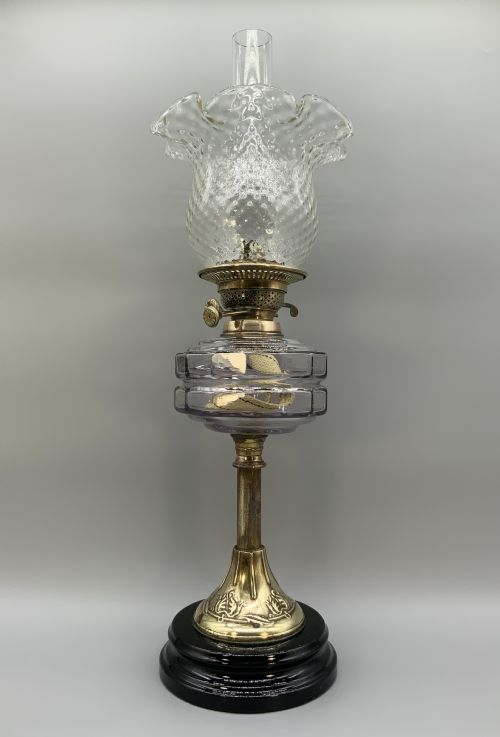
Tall brass lighting encompasses vertical forms designed to illuminate interiors, most frequently appearing as floor lamps, standard lamps, heavy church candlesticks, and tall table lamps. These pieces originate from various periods including the Victorian, Edwardian, and Art Nouveau eras, alongside eighteenth-century examples.
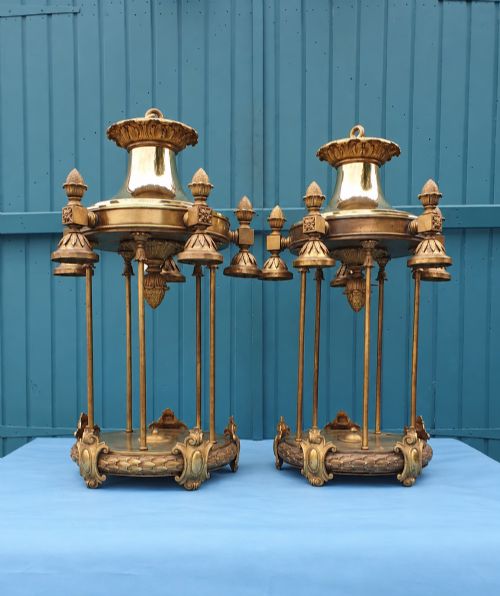
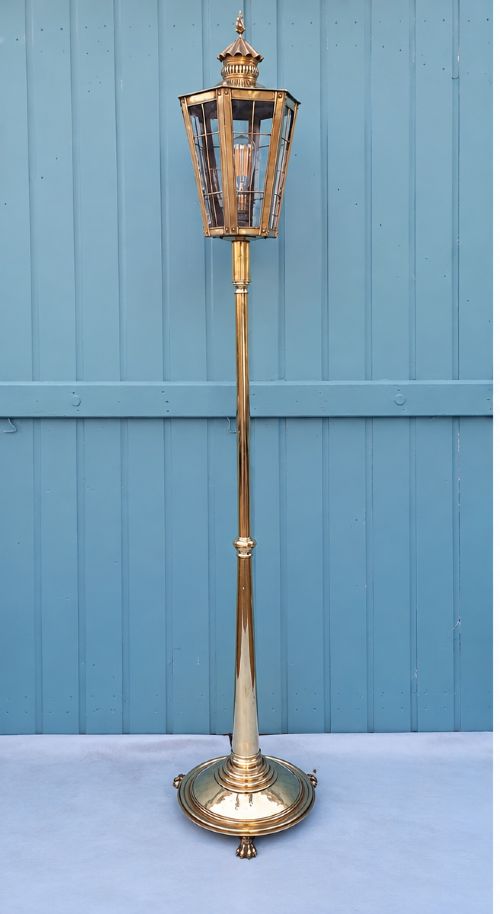
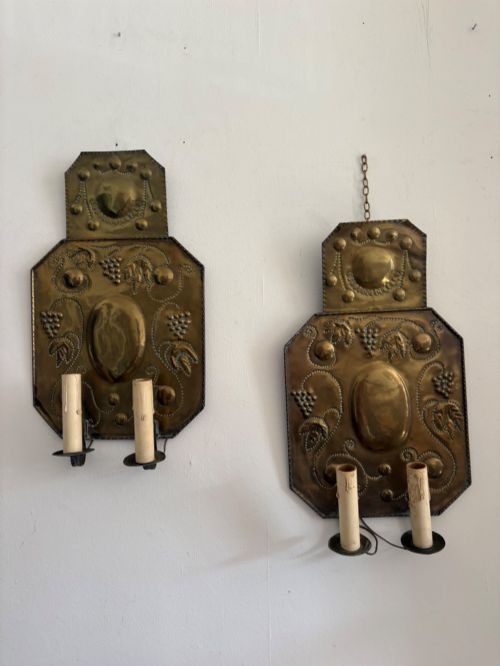
The selection on this page ranges from utilitarian column candlesticks and adjustable reading lamps to decorative floor lanterns and multi-branch wall sconces. English, French, Dutch, and Indian workshops all contribute distinct regional variations in proportion and ornamentation to these lighting formats.
Materials and construction methods
Makers utilised brass, cast brass, and bronze as the primary structural materials, often combining them with glass, hand-blown shades, fabric, and ceramic elements. Repoussé work, open twists, and seamed bronze techniques appear regularly across the inventory.
Many structural components are assembled in sections, utilising threaded rods or heavy cast bases to support extended heights safely. Surface decoration relies on hammered detailing, applied patination, and turned column shafts rather than added coatings.
Tall Brass Lighting Retail Price Guide 2026
Typical asking prices for tall brass lighting among the pieces listed under this phrase on Sellingantiques today, from the lower quarter to the upper quarter. They describe what is for sale here now, not the wider market.
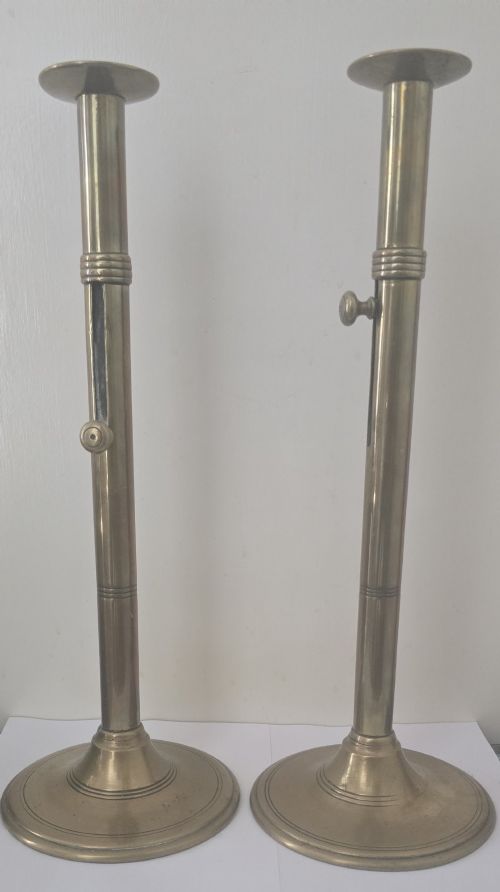
Some nineteenth-century candlesticks include side ejectors designed to pop out stubborn leftover wax stubs with a discreet thumb push.
Distinctions in quality
Quality rests on the weight of the casting and the crispness of the chased or turned details on columns and bases. Thicker brass gauge and substantial bronze components indicate superior manufacture over lighter, pressed alternatives.
Integrity of proportion and originality of components dictate the standing of a piece. Examples retaining original mechanisms, such as height adjustment stems or side ejectors, hold greater fidelity to their period of origin.
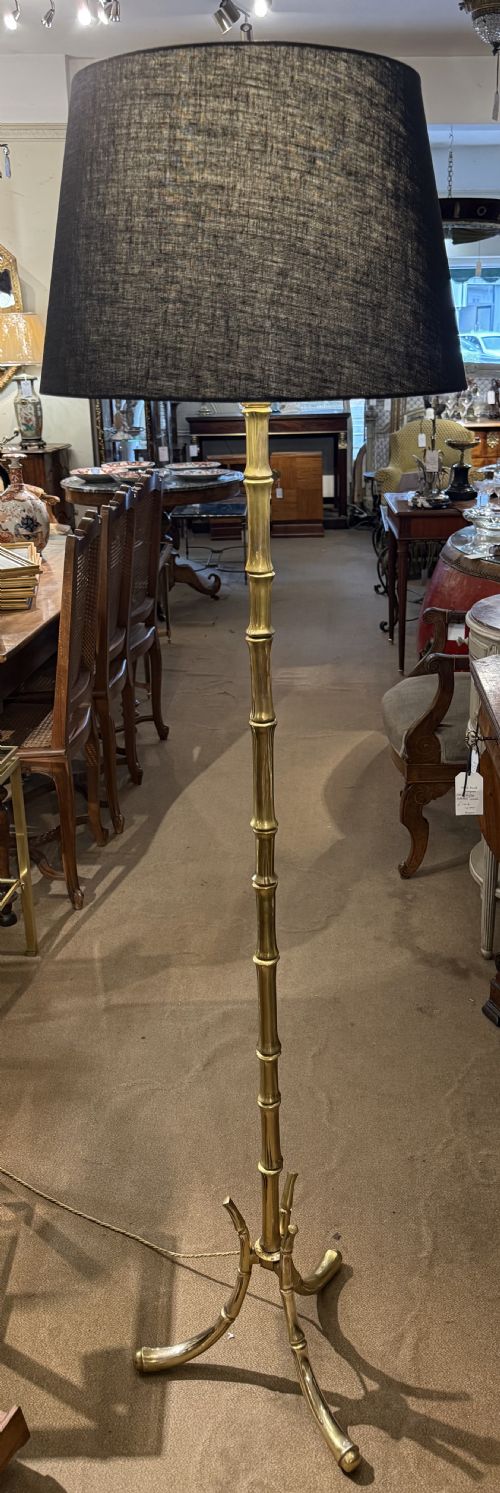
Maison Bagues
The Tall Brass Lighting Glossary
- Pricket candlestick
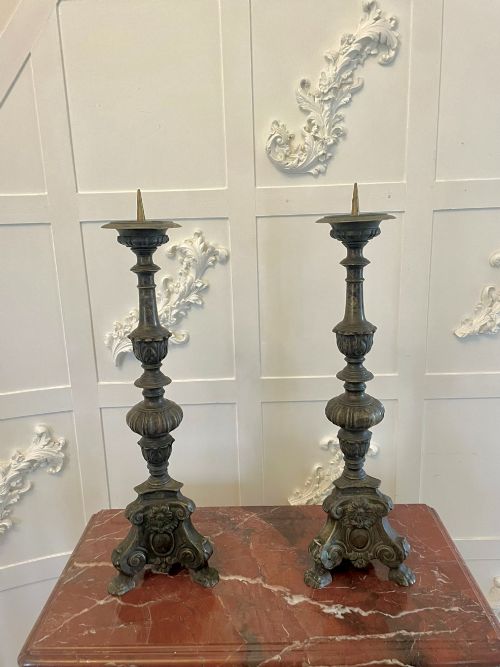
- A candle holder featuring a sharp metal spike at the centre to secure the base of a candle. These are commonly found on ecclesiastical and larger ceremonial lighting.
- Standard lamp
- A British term for a floor-standing lamp designed to provide ambient room illumination. They often incorporate heavy weighted bases to support extended vertical shafts.
- Repoussé
- A metalworking technique where the metal is hammered from the reverse side to form a raised design in relief. This creates textured surface patterns on wall sconces and vessels.
- Corinthian column
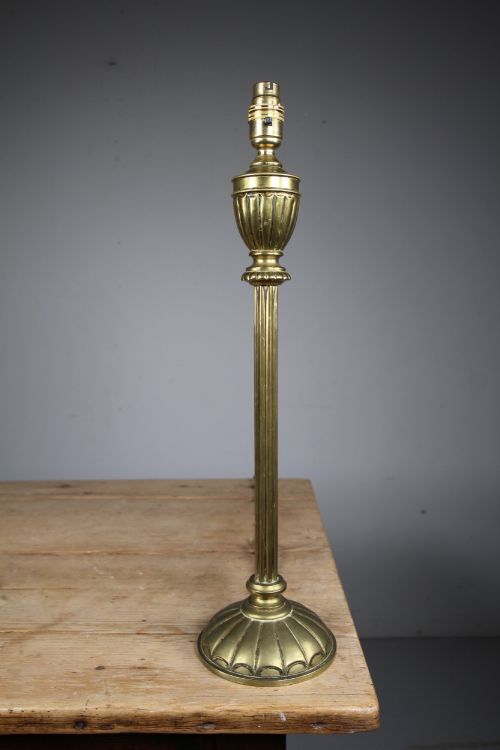
- A classical architectural column style featuring ornate capital decoration filled with acanthus leaves. This motif is frequently adapted for the shafts of heavy brass table and floor lamps.
Tall Brass Lighting: Frequently Asked Questions
How do I safely rewire an antique brass lamp?
Older lamps frequently require modern wiring to meet current safety standards while preserving original sockets and switch mechanisms where possible. Professional rewiring ensures the internal cord passes safely through weighted bases and narrow stems without damaging historical components.
Retaining the original brass casing and patina during the rewiring process maintains the visual integrity of the piece. Qualified electricians can modernise the internal circuits while keeping external fittings untouched.
What is the difference between a standard lamp and a floor lamp?
In British terminology, a standard lamp traditionally refers to a heavy, tall vertical wooden or metal post designed to stand on the floor and hold a large lampshade. Floor lamp is often used interchangeably today, though historical pieces may reflect distinct manufacturing periods.
Both forms utilise weighted bases to prevent tipping over when fitted with heavy fabric shades or extended arms. Examining the weight distribution helps identify the original function of the stem.
How do I date a brass candlestick?
Dating relies on manufacturing methods such as casting seams, base construction, and stylistic motifs drawn from Georgian, Victorian, or Edwardian design periods. Earlier pieces often display heavier cast brass construction with distinct wear patterns around the base and socket.
Foot styles, push-up ejector mechanisms, and assembly screw types provide further chronological clues. Comparing the patina and weight against documented examples helps confirm the era.
Can church candlesticks be converted into lamps?
Ecclesiastical pricket candlesticks are frequently adapted to hold electrical components or tall candles for domestic interiors. The conversion process generally involves securing a candle tube or fitting wiring through the central shaft.
Purists often prefer keeping pricket candlesticks in their original state with large candles, while others appreciate the scale they bring as converted floor lighting. Reversible adaptations preserve the underlying metalwork.