




Claw Foot Lamps
Claw foot lamps bring together functional lighting and sculptural animal supports, uniting brass columns, bronze figures and timber tables.
Claw Foot Lamps
When you search for claw foot lamps, you encounter a mix of standard floor lamps, adjustable oil lamps, and side or occasional tables that incorporate paw or claw supports. The selection spans the nineteenth century, Victorian, and Edwardian periods, alongside later twentieth-century interpretations.
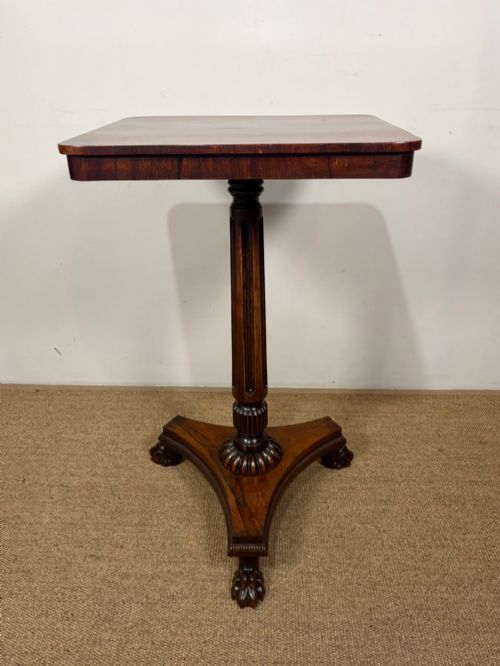
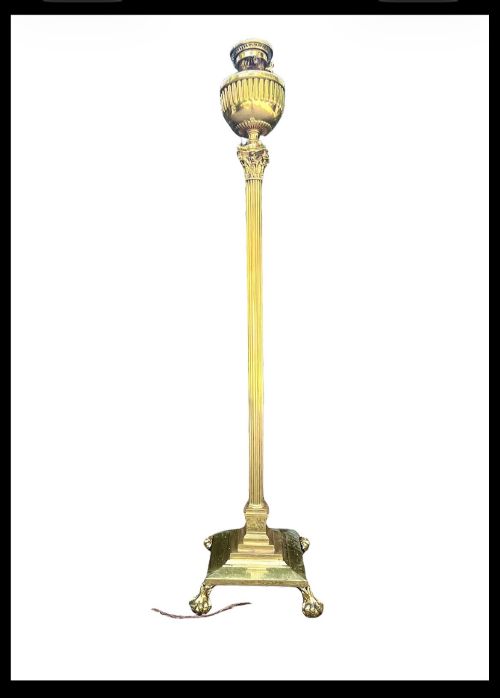
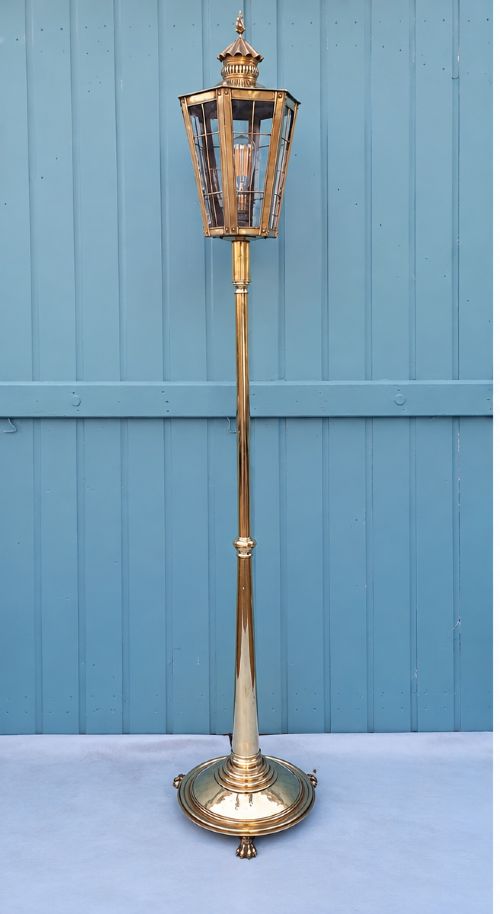
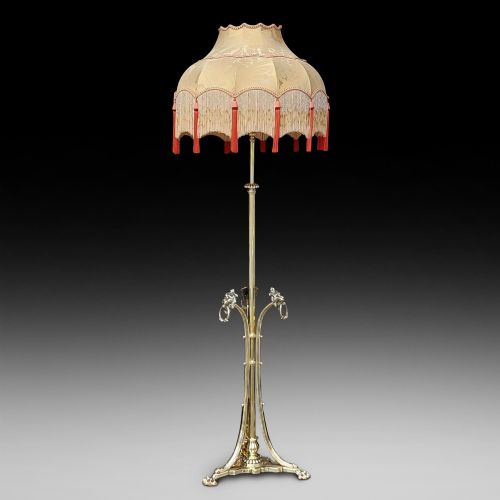
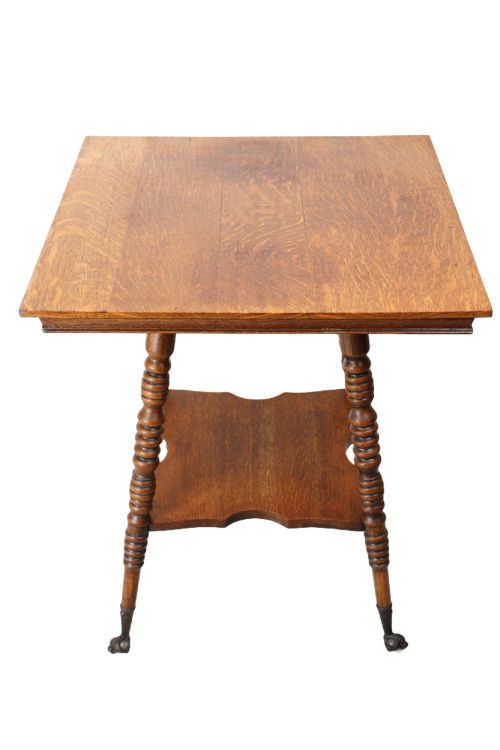
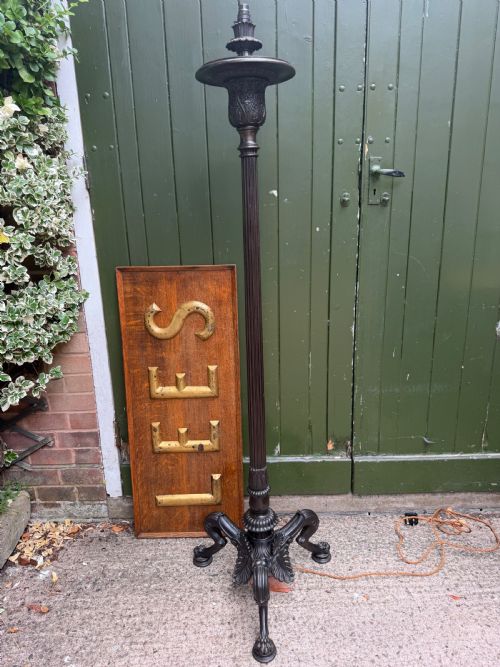
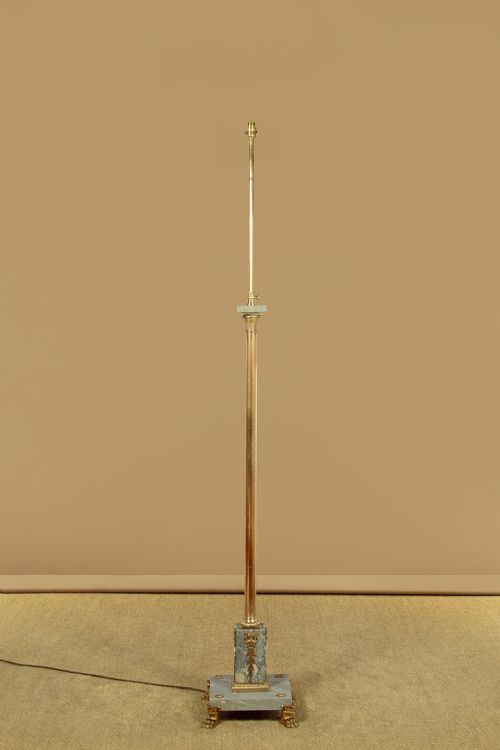
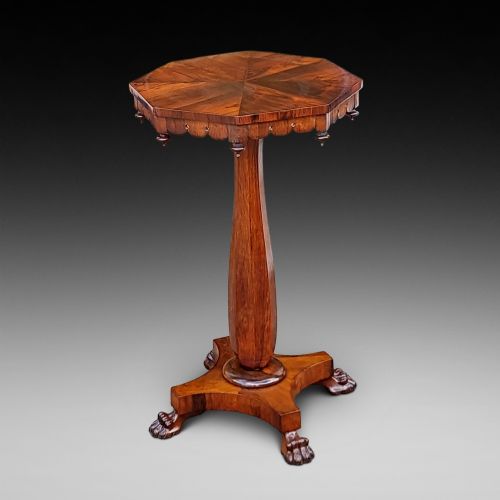
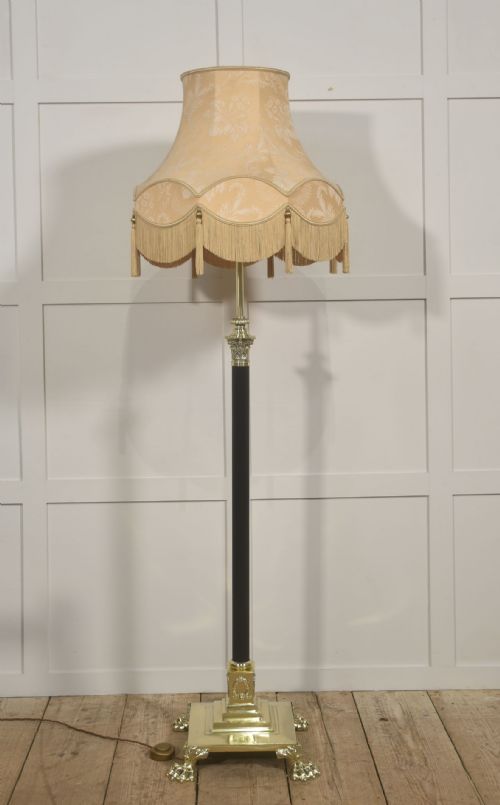
Floor and standard lamps frequently utilise brass, copper, or cast iron columns raised on detailed animal feet. Alternatively, occasional and side tables in mahogany, walnut, and oak stand upon similar carved or cast supports.
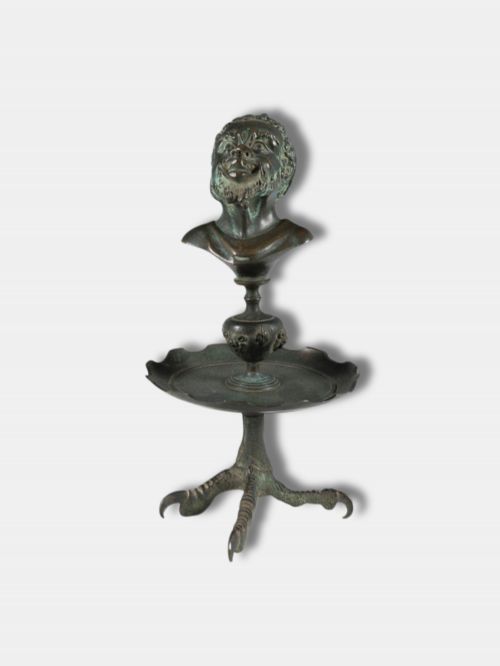
The aesthetic draws heavily on Victorian, Neoclassical, and French Empire traditions. Examples range from simple brass columns to elaborate Italian bronze designs featuring figural elements.
Materials and construction
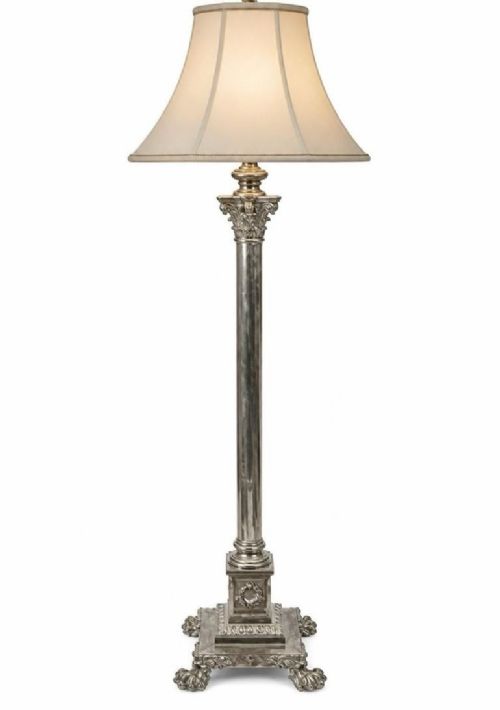
Metals form the structural backbone of standard lamps, with cast brass, bronze, patinated iron, and silver plating shaping columns, reservoirs, and bases. Artisans cast these metals to render the fine detail of claws and paws.
Timbers such as mahogany, walnut, oak, and rosewood define the occasional and side tables found among these pieces. Cabinet makers utilised veneers like burr walnut alongside solid woods to create inlaid and tray tops.
Claw Foot Lamps Retail Price Guide 2026
Typical asking prices for claw foot lamps among the pieces listed under this phrase on Sellingantiques today, from the lower quarter to the upper quarter. They describe what is for sale here now, not the wider market.
A satyr's bust occasionally keeps watch from an eagle's claw.
Assessing quality
Quality rests upon the crispness of the casting in metal elements and the precision of the carving in wooden supports. Finer examples display sharply defined talons or fur on the feet and substantial weight in the bases.
The choice of secondary materials, such as heavy marble tops on tables or intact cranberry glass reservoirs on oil lamps, elevates the standard of a piece. Original adjustable mechanisms and patinated finishes further distinguish superior specimens.
S & H Jewell London
The Claw Foot Lamps Glossary
- Standard lamp
- A tall floor lamp designed to stand independently in a room. These pieces often feature telescopic stems for height adjustment.
- Occasional table
- A small, movable table used for light domestic purposes. Examples in this category frequently incorporate claw feet beneath timber pillars.
- Patination
- The surface sheen and colour developed by age and use on metal or wood. This natural ageing process alters raw materials over decades.
- Neoclassical
- A style inspired by classical antiquity prevalent in the eighteenth and nineteenth centuries. Pieces from this movement often utilise strict geometric columns and classical motifs.
Claw Foot Lamps: Frequently Asked Questions
What periods do these lamps come from?
The pieces span the nineteenth century through to the early twentieth century, encompassing Victorian, Edwardian, and later revival styles. Dates range from the 1800s up to the 1930s.
Maker practices and aesthetic preferences shifted across these decades, moving from heavy classical bronze and brass standard lamps toward lighter oak and walnut occasional tables.
How were standard lamps originally powered?
Early examples functioned as oil lamps, utilising metal reservoirs and glass chimneys to burn fuel before homes were widely electrified. Many of these standard lamps have since been converted for modern electrical use.
Alongside oil lamps, heavy brass and bronze floor standards were built to accommodate heavy fittings, while smaller table lamps utilised porcelain or metal bodies.
Are the table supports solid wood?
Tables incorporate a mix of solid timbers and applied veneers, depending on the piece and period. Oak, mahogany, and walnut appear frequently in both solid forms and veneered surfaces.
Finer occasional tables often feature decorative veneers like burr walnut on their tops, paired with carved wooden legs ending in paw or claw feet.
How do I distinguish between styles?
Victorian and Edwardian pieces often display ornate brass work, Corinthian columns, or heavy turned timber. Revival styles look back to Georgian, Regency, or French Empire design vocabulary.
Examining the metal casting, wood choice, and overall proportion helps reveal the specific design era of each item.