

Tabletop Miniature Chest
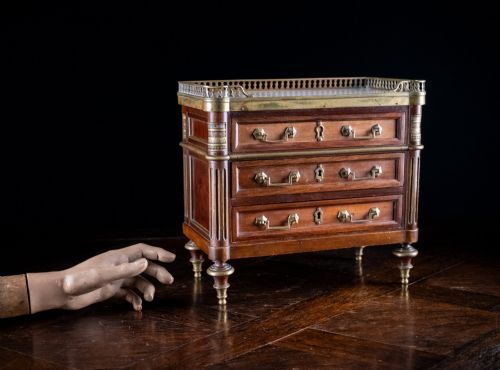
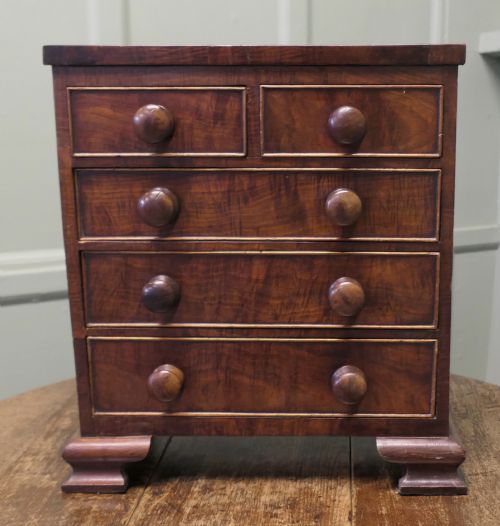
A tabletop miniature chest offers the presence of full-scale cabinetwork scaled down for domestic display or training.
Tabletop Miniature Chest
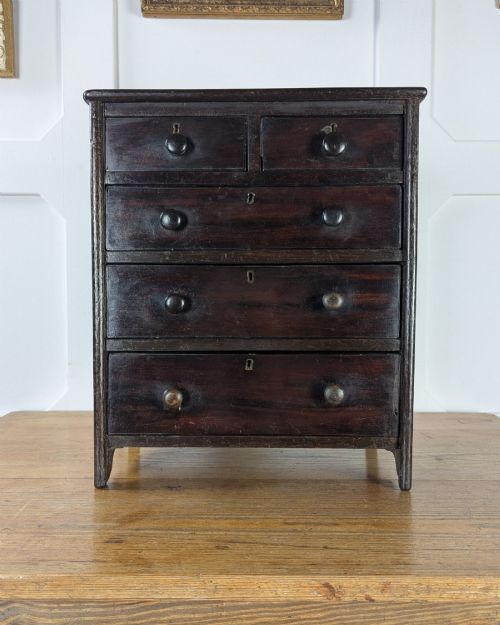
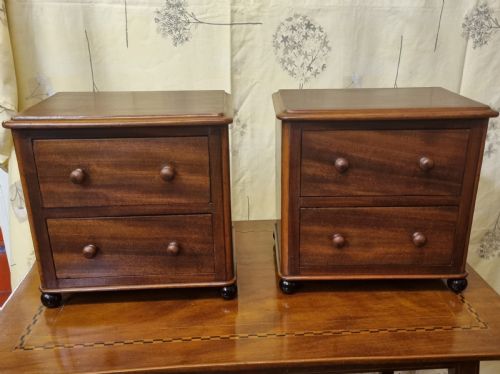
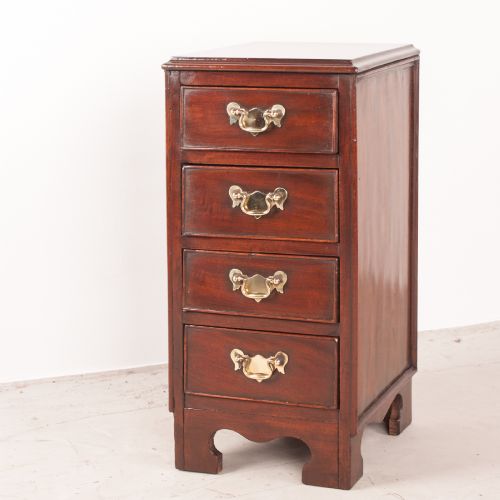
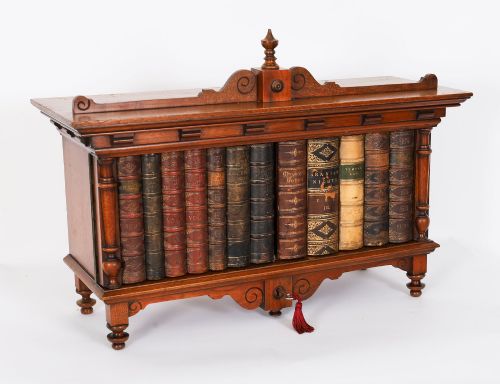
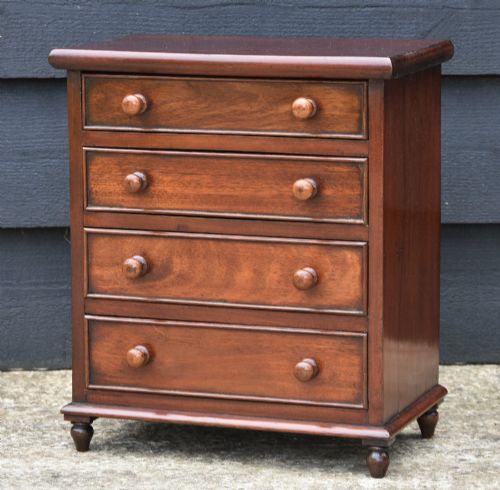
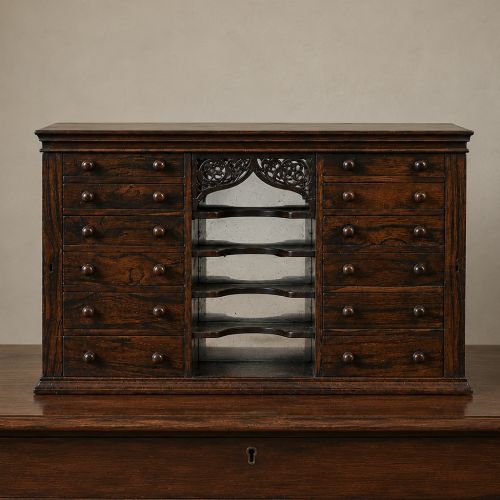
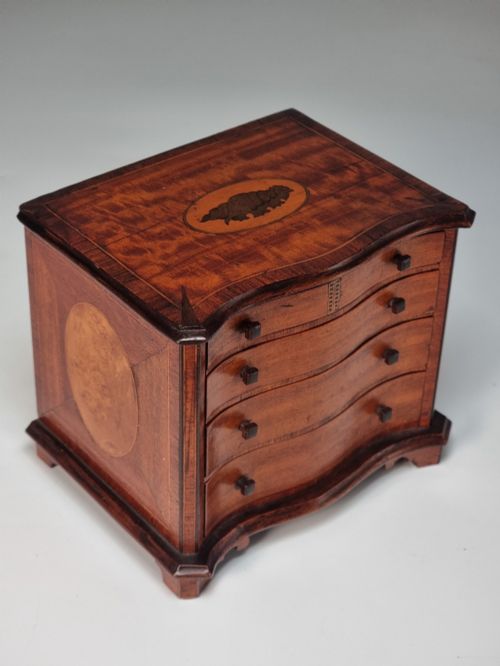
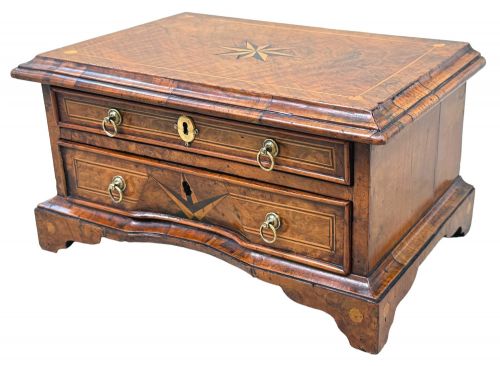
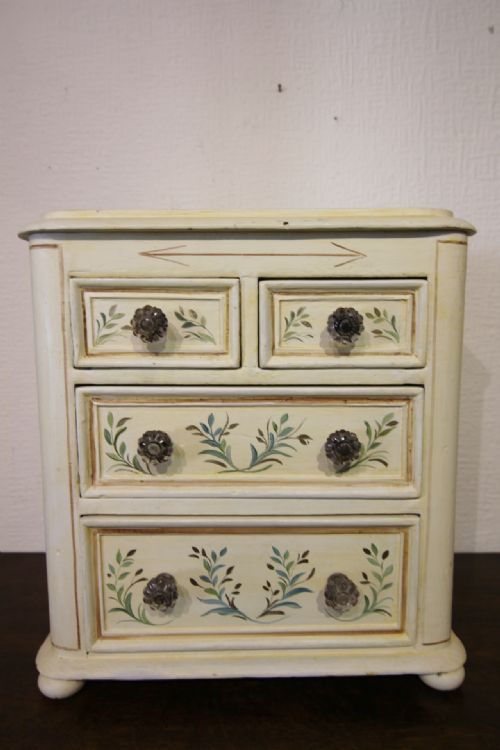
A tabletop miniature chest brings domestic storage furniture down to a scale suited for desks, side tables and cabinets. When you search for a tabletop miniature chest, you meet pieces originating from the eighteenth, nineteenth and early twentieth centuries, spanning periods from Georgian and Regency to Victorian and Edwardian.
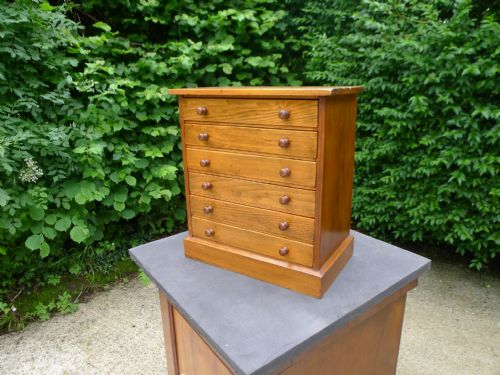
The forms seen here include miniature chests of drawers, apprentice pieces, collector cabinets, spice drawers and table cabinets. Mahogany, walnut, oak and pine dominate the structural woods, often complemented by rosewood, satinwood, fruitwood and elm.
Makers produced these smaller works as merchant samples, journeyman pieces, or specialised storage for jewellery, specimens and documents. Their compact proportions disguise the rigorous joinery and timber selection mirrored in larger furniture of the same eras.
How they were made
Cabinetmakers constructed these small chests using solid hardwoods like mahogany, walnut and oak, alongside fruitwood and pine. Timber selection involved dense grains and figured veneers such as burr walnut, rosewood and satinwood to create visual depth across modest drawer fronts and surfaces.
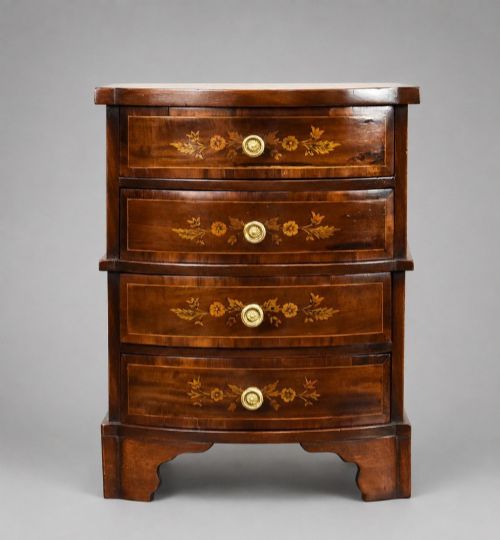
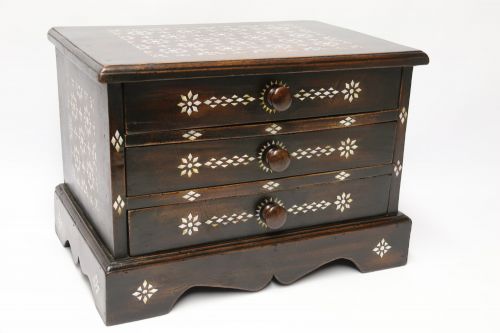
Joinery techniques mirrored full-sized case furniture, utilising dovetail joints for drawer construction and finely fitted panels for carcasses. Surface enrichment relied on natural polishes, marquetry inlay, bronze mounts and occasional painted finishes rather than heavy ornamentation.
One tiny elm box pretends to be a full-sized chest of drawers, complete with a secret compartment for your most valuable secrets.
What varies in quality
The distinction between standard utility items and finer examples rests on timber choice and the precision of the joinery. Figured veneers, well-matched wood grains, and cleanly cut dovetails mark out pieces where the maker invested careful time.
Fittings and secondary details separate ordinary boxes from accomplished cabinetwork. Original brass hardware, functioning locks with keys, and well-fitted secret drawers or mirrored compartments indicate a higher tier of original commission.
A. F. Lloyd, Bideford
The Tabletop Miniature Chest Glossary
- Apprentice piece
- A small item demonstrating a craftsman's skill to gain master status in a guild. These miniature chests often display advanced joinery.
- Collector cabinet
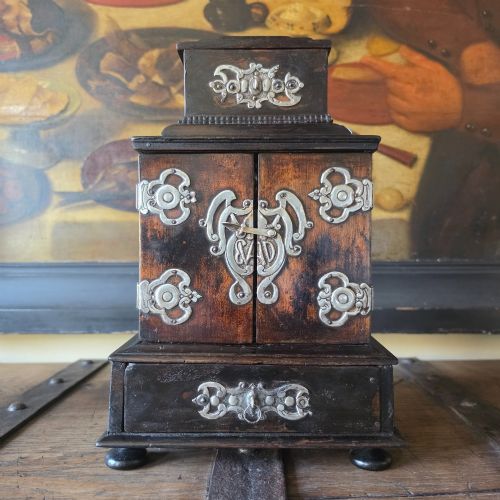
- A specialised piece containing multiple shallow drawers designed for organising small specimens, coins or trinkets. They frequently feature locking doors enclosing the internal banks of drawers.
- Marquetry
- The art of applying pieces of veneer to a structure to form decorative patterns and pictures. It appears on drawer fronts and tops of select Edwardian and continental pieces.
- Wellington chest
- A tall, slender chest characterised by a hinged locking stile that secures all drawers simultaneously. Named after the Duke, this form occasionally appears at miniature scale with a mirrored interior.
- Spice drawers
- Small compartmented storage units intended originally for culinary stores. They present as multi-drawer tabletop banks in oak, fruitwood or pine.
Tabletop Miniature Chest: Frequently Asked Questions
What were tabletop miniature chests used for?
These small chests served multiple domestic and professional purposes depending on their internal layout. Many held valuable trinkets, jewellery or personal documents.
Others functioned as specimen or coin cabinets for collectors, while multi-drawer configurations stored spices or medical equipment.
How do I date a miniature chest?
Dating relies on identifying the primary wood species, construction methods, and stylistic cues shared with full-sized furniture of the period. Georgian and eighteenth-century examples often utilise oak or walnut with hand-cut dovetails.
Victorian and later nineteenth-century pieces frequently employ mahogany or stained pine, while Edwardian versions introduce satinwood and distinct marquetry.
Are these apprentice pieces?
Some miniature chests are traditionally regarded as apprentice pieces created by woodworkers demonstrating mastery of their trade. However, many others were commercially produced for domestic tabletop use as jewellery storage or collector cabinets.
Both categories display authentic period joinery and scaling.
How should I care for antique wood?
Keep antique wooden chests away from direct sunlight and heat sources to prevent timber from drying and veneers from lifting. Maintaining stable room humidity preserves the finish and structural integrity.
Apply a microcrystalline wax sparingly when the surface requires cleaning, avoiding modern silicone polishes.