

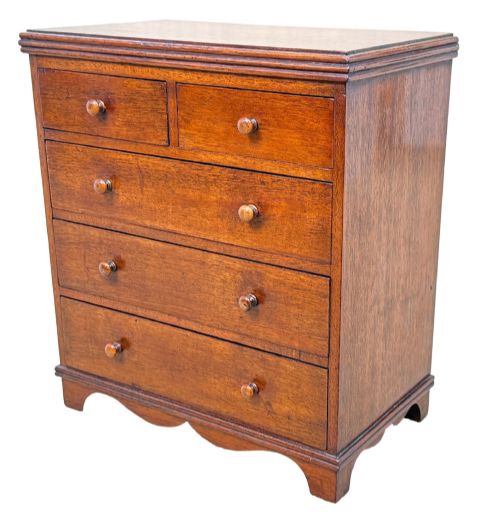
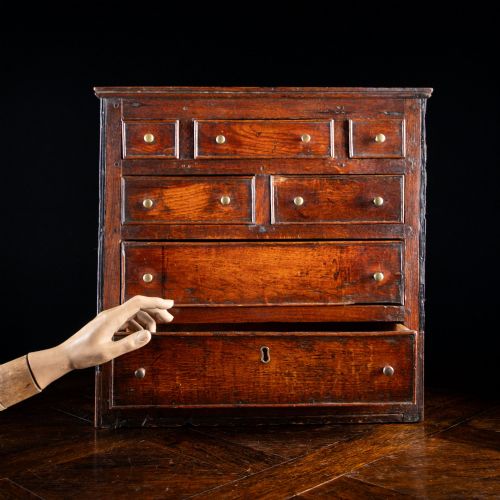
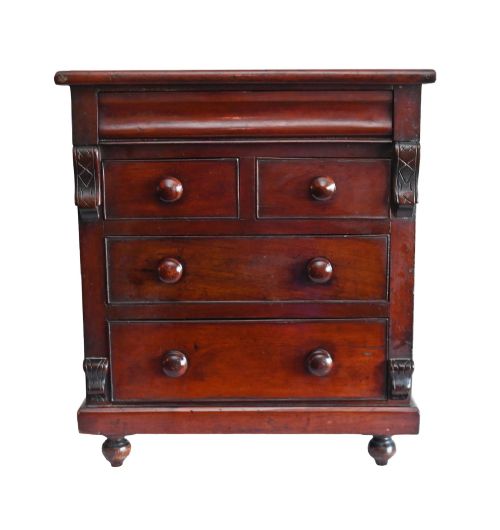

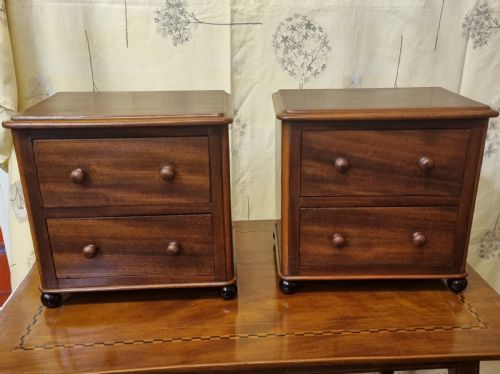
Tabletop Cabinet with Drawers
These tabletop cabinet with drawers pieces offer neat desk storage and display, bringing period character and compact utility to any room.
Tabletop Cabinet with Drawers
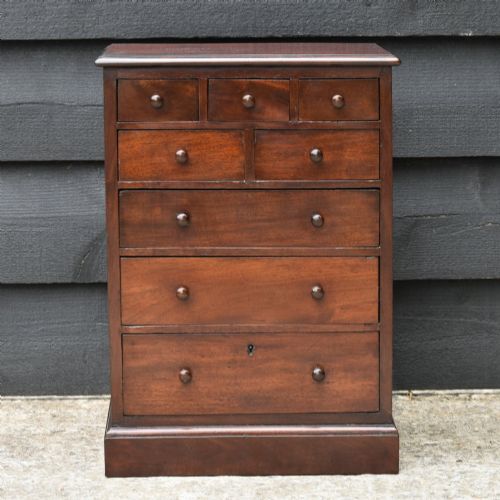
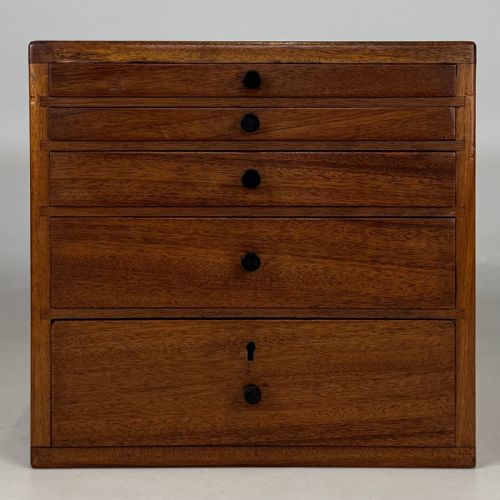
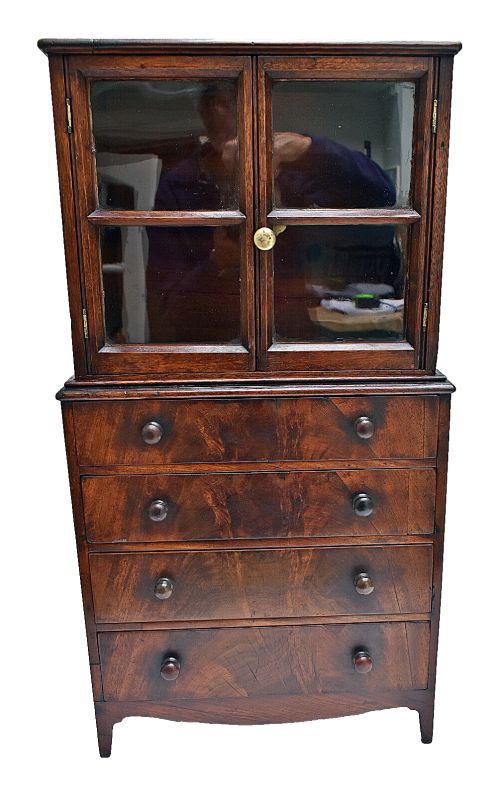
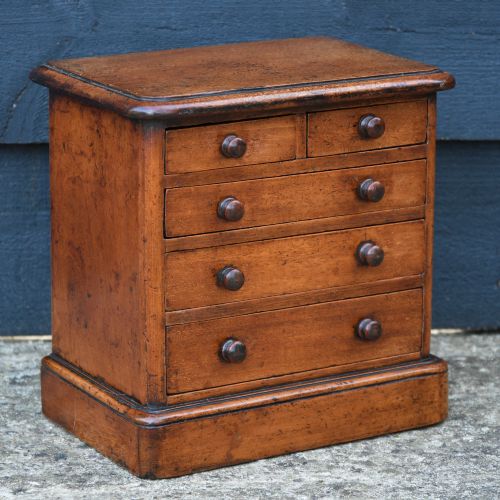
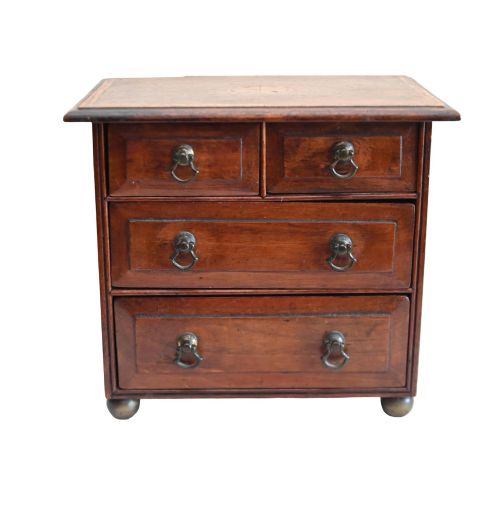
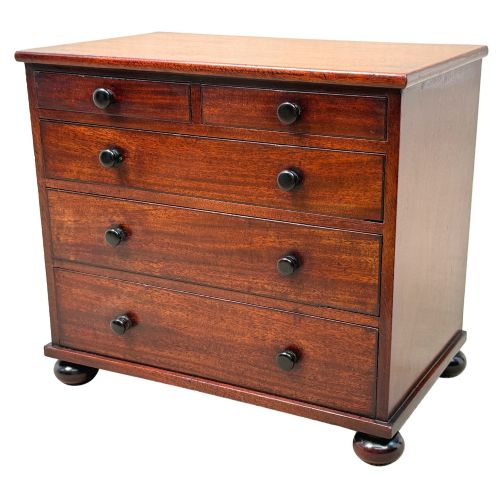
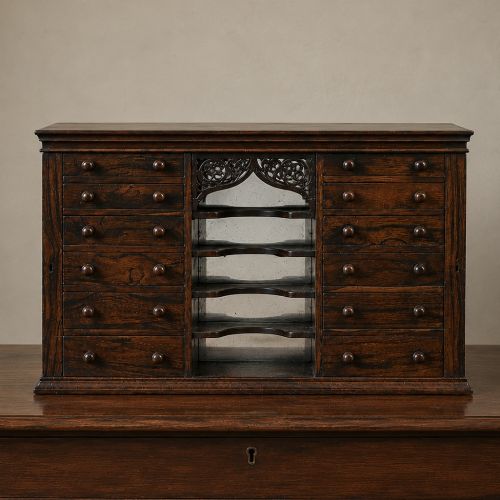
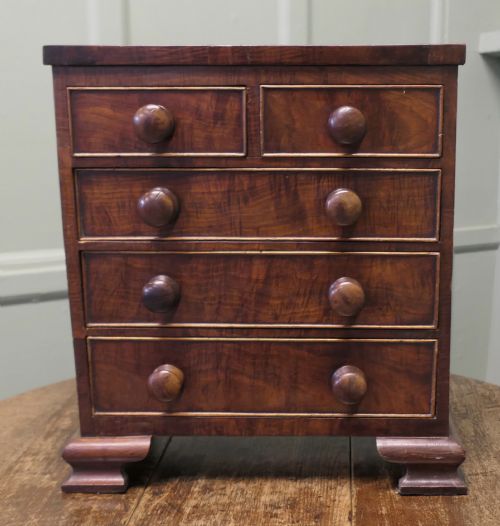
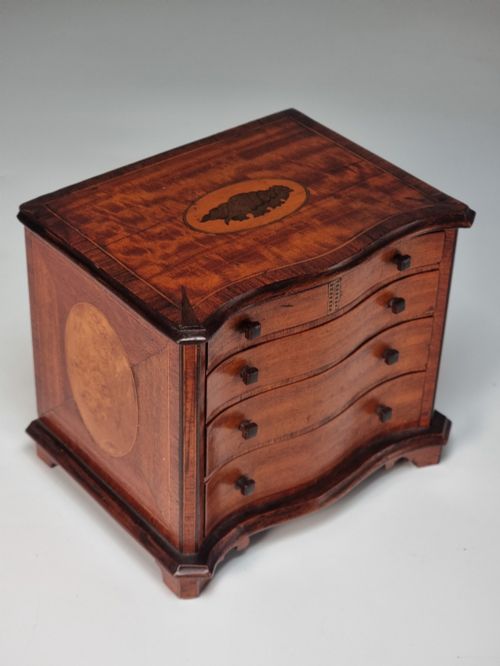
A tabletop cabinet with drawers brings compact storage and display into daily use, drawing from centuries of miniature furniture making. When searching for a tabletop cabinet with drawers, expect to encounter forms ranging from miniature chests of drawers and kneehole desks to countertop display units and specialised humidors.
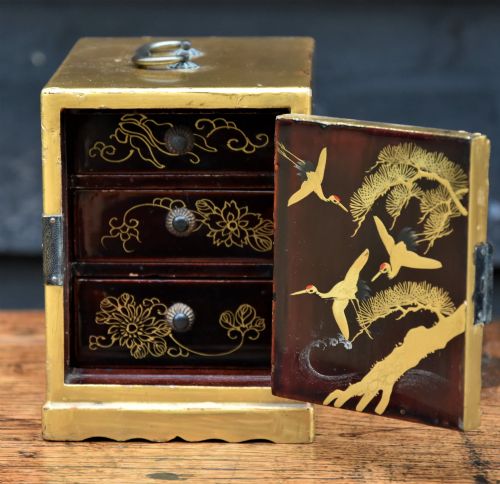
The pieces on this page span the eighteenth, nineteenth, and early twentieth centuries, capturing Georgian, Victorian, Edwardian, and industrial utility styles alongside Japanese Meiji examples. Oak and mahogany dominate the selection, accompanied by burr elm, walnut, and pine.
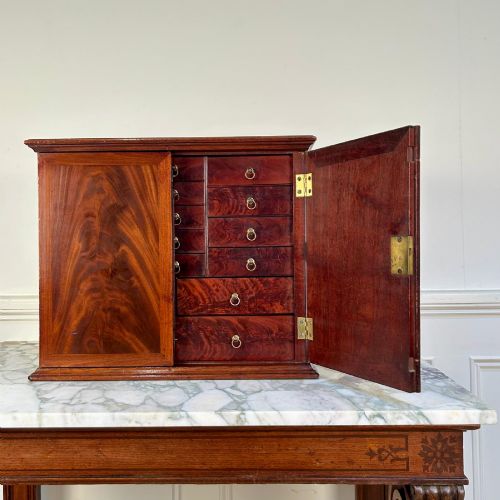
Miniature chests and banks of drawers serve as the most common encounter for buyers seeking this form, often retaining functional brass handles, locks, or secret compartments. Each variation reflects the domestic and commercial storage needs of its respective period.
Materials and construction
Cabinet makers constructed these pieces using dense hardwoods like mahogany and oak, frequently employing burr elm or walnut veneers for decorative surfaces. These durable timbers provided the structural stability needed for small scale joinery and repeated drawer operation.
Tabletop Cabinet with Drawers Retail Price Guide 2026
Typical asking prices for tabletop cabinet with drawers among the pieces listed under this phrase on Sellingantiques today, from the lower quarter to the upper quarter. They describe what is for sale here now, not the wider market.
Several miniature chests hide secret compartments within their frames, ready to shelter your smallest and most closely guarded desktop secrets.
Assessing quality
Quality rests in the precision of the drawer fit and the choice of timber figure, where selected mahogany or burr elm veneers elevate a straightforward box into a refined collector piece. Superior examples display thoughtful proportions and harmonious grain matching across multiple drawer fronts.
Original hardware, working locks with keys, and subtle details like secret compartments or bronze animal decorations separate standard utilitarian containers from exceptional workshop productions. The integrity of the original polish and the tightness of the corner joints further indicate the level of care invested by the maker.
The Tabletop Cabinet with Drawers Glossary
- Miniature Furniture
- Scale models or apprentice pieces made to demonstrate skill or serve functional desktop roles. These items replicate full size furniture forms in miniature proportions.
- Kneehole Desk
- A small desk featuring a central recess for the legs flanked by banks of small drawers. Georgian examples often present this form in oak or mahogany.
- Collectors Cabinet
- A specialised piece designed to house small specimens, coins, or curiosities within multiple shallow drawers. These often include locking doors to secure valuable contents.
- Humidor
- A specialised cabinet or box designed to store cigars at proper humidity levels. Burr elm versions from the twentieth century represent this functional type.
- Apprentice Piece
- An item created by a trainee woodworker to demonstrate mastery of joinery techniques before entering a guild. These often take the form of miniature chests of drawers.
Tabletop Cabinet with Drawers: Frequently Asked Questions
What were tabletop cabinets used for?
These pieces served varied domestic and commercial purposes, from storing personal letters and jewellery to housing apothecary supplies, coins, or cigars.
Their compact size allowed them to sit conveniently on desks, counters, or tables for immediate access to small valuables.
How do I date a wooden miniature chest?
Dating relies on observing timber choices, handle styles, and construction methods characteristic of specific periods like the Georgian or Victorian eras.
Hand-cut dovetails, specific brass handle designs, and secondary woods inside the drawers provide reliable clues to the decade of manufacture.
Are tabletop drawers secure?
Many period examples include functioning locks with keys or clever hidden compartments designed to secure confidential papers and small valuables.
While intended for light security rather than heavy protection, these locking mechanisms remain a charming and practical feature on surviving pieces.
Where should I place one at home?
Their modest proportions make them versatile additions to desks, sideboards, hallways, or living room tables where they add texture and storage.
Keep them away from direct heat sources and strong sunlight to protect the aged wood surfaces and natural veneers.