
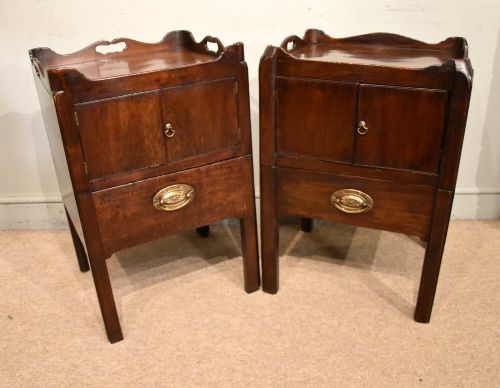
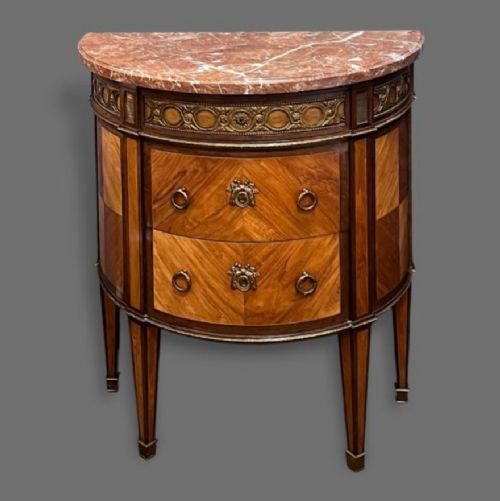
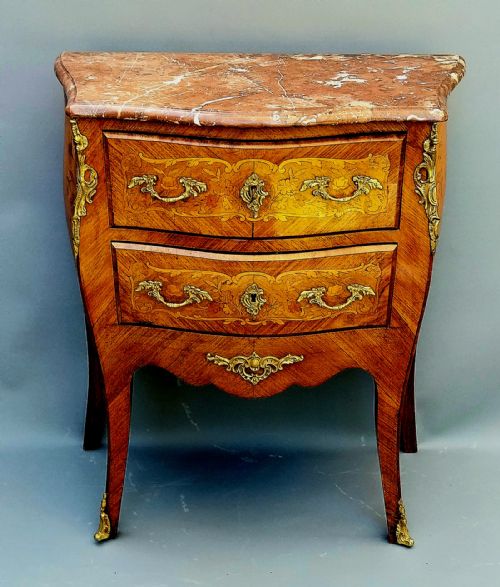
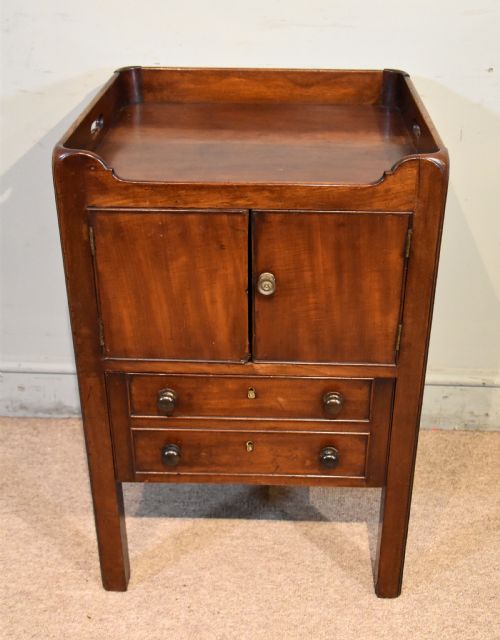
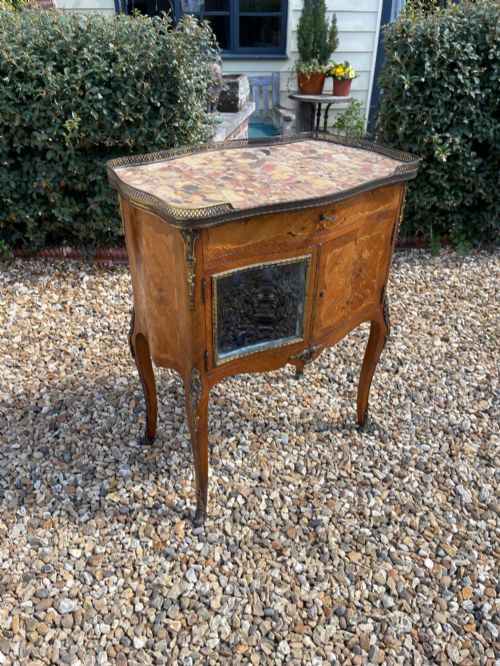


Table Top Storage Cabinet
Table top storage cabinet options combine compact desk height convenience with period craftsmanship, offering collectors and organisers a practical way to store small belongings.
Table Top Storage Cabinet
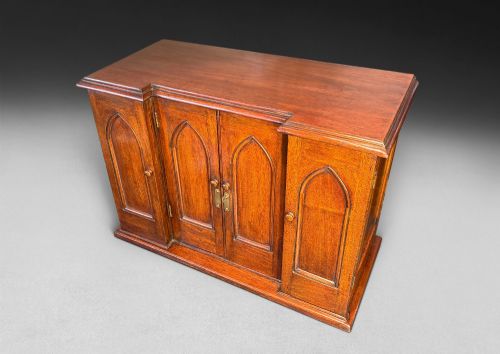
A table top storage cabinet serves as a compact chest for papers, jewellery or specimens, designed to sit upon a desk, sideboard or larger chest of drawers. Pieces matching this search phrase emerge predominantly from the nineteenth century and the Edwardian era, spanning oak, mahogany, walnut and elm.
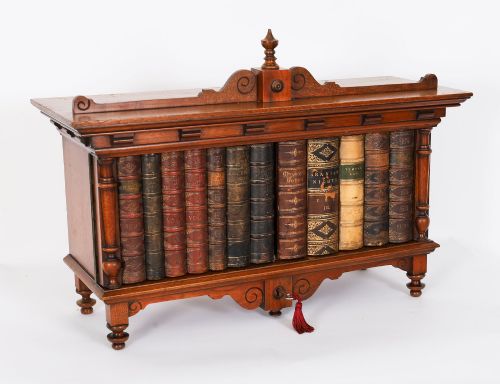
The selection frequently includes specialised collectors cabinets fitted with internal drawers, alongside smaller cupboards and stationary boxes. Georgian and Victorian examples sit alongside Edwardian iterations and pieces showing Asian or continental influence.
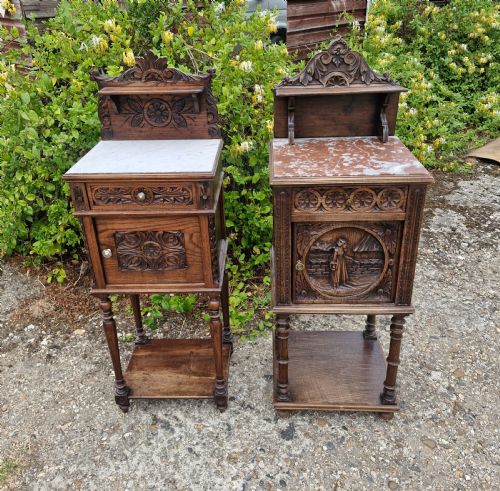
Makers produced these smaller storage pieces to keep precious items secure and close at hand in principal rooms of the house. They range from utilitarian desktop boxes to heavily carved Gothic revival and inlaid display pieces.
Materials and Construction
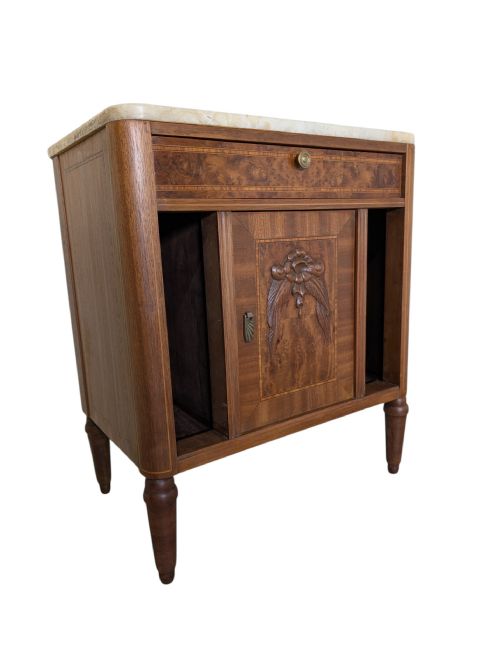
Cabinet makers utilised dense timbers such as mahogany, oak and walnut, often applying finer veneers like satinwood or exotic hardwoods to the exterior surfaces. Construction relied on traditional joinery techniques, ensuring the small frames could support internal drawers and heavy stone inserts without warping.
Decoration often involved brass handles, hinges and lock escutcheons, alongside inlaid parquetry, marquetry or carved motifs in styles ranging from Gothic revival to French Louis forms. Some iterations incorporated marble tops or bronze animal decoration to elevate their status on a desktop.
Listings for this phrase feature pieces in mahogany, oak, walnut, satinwood and elm, spanning the eighteenth to the early twentieth century.
Assessment of Quality
Quality reveals itself in the selection of timber grain, the precision of internal drawer dovetails and the integrity of the original hardware. Superior examples display seamless veneer matching, tight joints and well-fitted locks that operate smoothly after generations of use.
Lesser pieces may exhibit replaced fittings, unsympathetic repairs or poorly executed secondary timbers hidden away on the back panels. The presence of specialist additions, such as intricate bronze mounts or fine parquetry, separates standard utilitarian boxes from high grade cabinet work.
The Table Top Storage Cabinet Glossary
- Collectors Cabinet
- A specialised small cabinet fitted with multiple shallow drawers designed to hold coins, shells, minerals or other small specimens. These pieces typically feature secure locking doors to protect valuable collections.
- Parquetry
- A geometric mosaic of wood pieces used for decorative veneer on cabinet surfaces. Craftsmen arranged contrasting timbers to create repeating patterns across the top and sides.
- Marquetry
- The art of applying pieces of veneer to a structure to form decorative pictures or ornamental designs. This technique frequently appears on French and Georgian furniture.
- Ormolu
- Gilded bronze ornamentation applied to furniture mounts, feet and key escutcheons. It adds bright metallic contrast to dark cabinet timbers.
- Dovetail
- A joint formed by interlocking wedge-shaped fingers of wood, used extensively in drawer construction. It provides exceptional tensile strength without requiring metal fasteners.
Table Top Storage Cabinet: Frequently Asked Questions
What were table top cabinets used for?
These compact pieces provided secure storage for precious personal items, stationery, letters and small collections of specimens or jewellery upon a desk or table.
Owners kept them in studies, drawing rooms and bedrooms to maintain order among valuable belongings without occupying floor space.
How do I identify a Victorian cabinet?
Victorian examples often feature heavier proportions, dark walnut or mahogany timbers, and revivalist decorative motifs including Gothic carvings or elaborate brass hardware.
Construction methods during this era transitioned from hand joinery to early mechanised production, visible in the uniformity of internal drawer components.
Where should I place a table top cabinet?
They sit securely on sturdy surfaces such as sideboards, desks, chests of drawers or large tables where their proportions can be fully appreciated.
Keep them away from direct heat sources and strong sunlight to prevent the timber veneers from drying out or fading over time.
What is the difference between oak and mahogany cabinets?
Oak pieces often display prominent grain patterns and lend themselves to earlier vernacular, Arts and Crafts or Gothic revival designs.
Mahogany offers a smoother, reddish-brown surface favoured for formal Georgian and Victorian furniture, frequently paired with fine inlay or brass fittings.