



Table Top Dressing Glass
When you search for a table top dressing glass, you are seeking the portable mirrors and fitted glass containers that defined the dressing table.
Table Top Dressing Glass
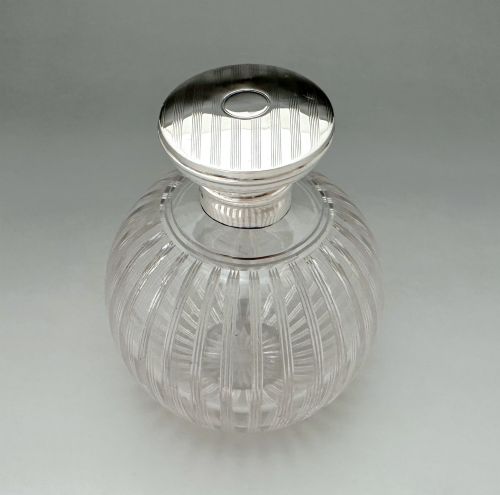
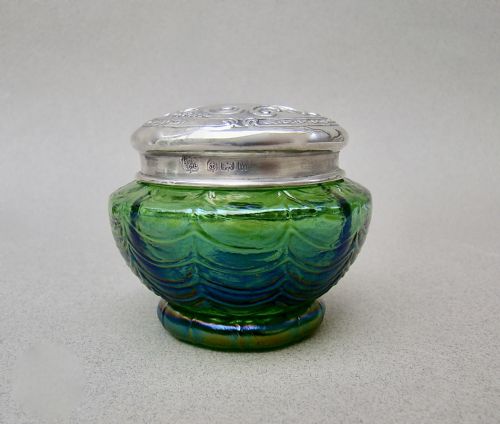
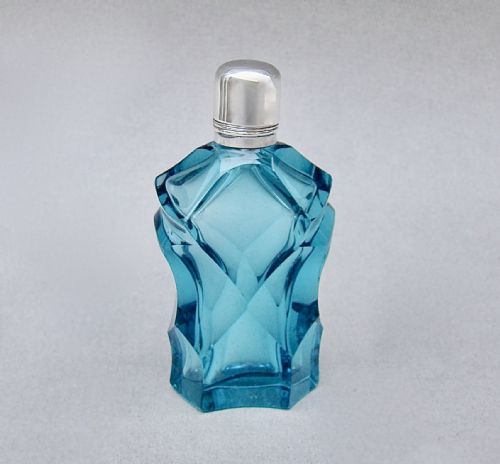
A table top dressing glass encompasses both swing mirrors set upon small cabinets and the myriad small glass containers used for perfumes, creams and powders. These pieces span from the Victorian and Edwardian eras into the Art Deco period, capturing changing domestic habits of the nineteenth and twentieth centuries.
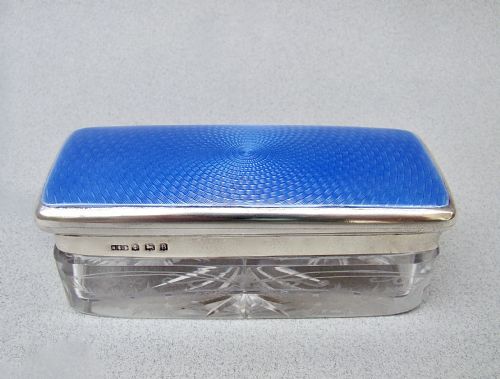
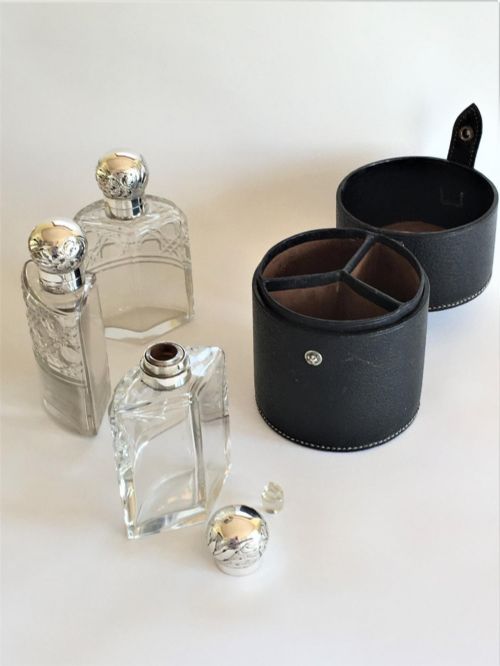
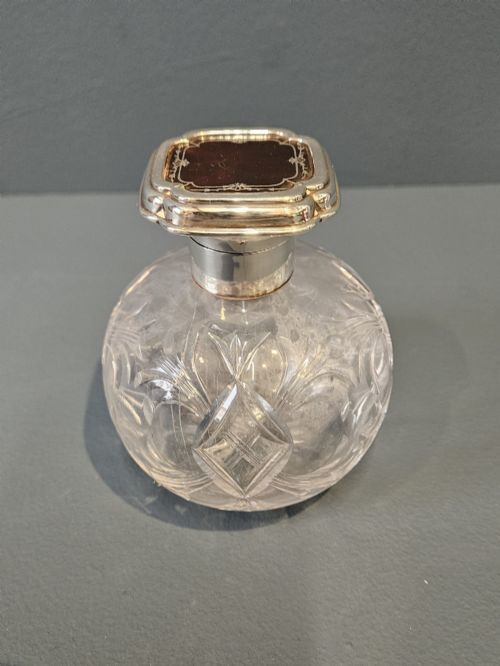
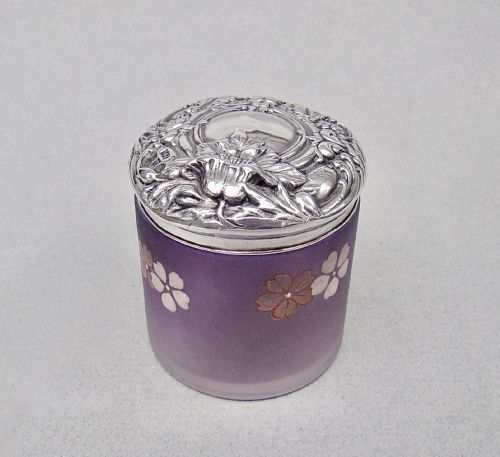
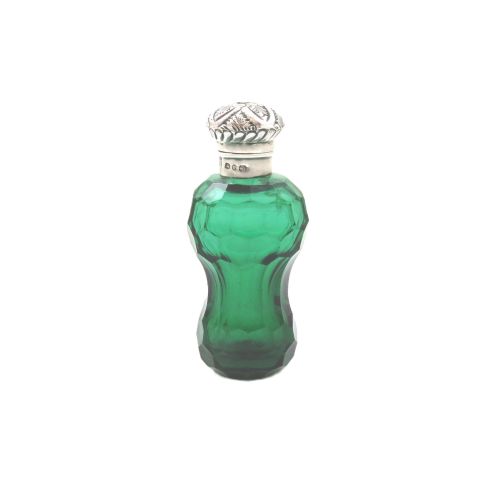
You will frequently meet silver-mounted cut glass jars, enamel-topped scent bottles and mahogany-framed swing mirrors across these listings. They range from modest single scent bottles bearing Birmingham hallmarks to substantial inlaid cheval mirrors and multi-piece dressing sets.
How They Were Made
Makers combined heavy cast sterling silver with blown, moulded, cut and crystal glass to form durable containers and mirror frames. Glass bodies often featured deep hobnail cutting, slicing or frosting to catch the light on a dressing surface.
Lids and mounts incorporated hand-beaten or engine-turned sterling silver, frequently finished with colourful guilloché enamel or inset with genuine tortoiseshell. Timber frames for the mirrors utilised dense hardwoods such as mahogany, rosewood and burr walnut, joined with traditional cabinet-making techniques.
Listings feature sterling silver, brass, mahogany, and cut crystal alongside colourful enamelled glass.
What Varies in Quality
The weight and depth of the cut glass establish the foundational calibre of any jar or scent bottle, where thicker walls and crisper facets denote superior manufacturing. Silver mounts demonstrate quality through the clarity of the assay office hallmarks, the thickness of the metal used for the lids, and the precision of any engine-turned patterns.
In regard to mirrors and boxes, the richness of the timber grain, the originality of the mirror plate, and the finesse of any inlaid details distinguish finer specimens from standard production pieces. Enamel work further elevates a piece when the coloured glass glaze remains entirely smooth and free from chipping.
A. J. Pepper & Co·Henry Clifford Davis·Henry Perkins·Adie Brothers Ltd·Barnsley & Co·Jonathan Douglas·Baccarat
The Table Top Dressing Glass Glossary
- Guilloché enamel
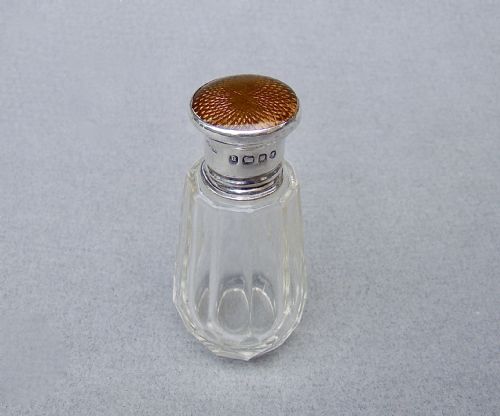
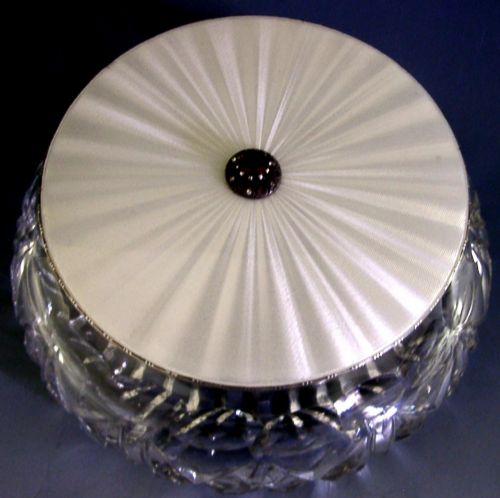
- A decorative technique where intricate geometric patterns are mechanically engraved into metal before being coated with translucent coloured enamel. This finish appears frequently on Art Deco dressing table jars and scent bottles.
- Hobnail cut
- A sharp, faceted geometric pattern cut into the surface of glassware, resembling the iron nails used on heavy boots. It maximises light refraction on Victorian and Edwardian scent bottles.
- Cheval mirror
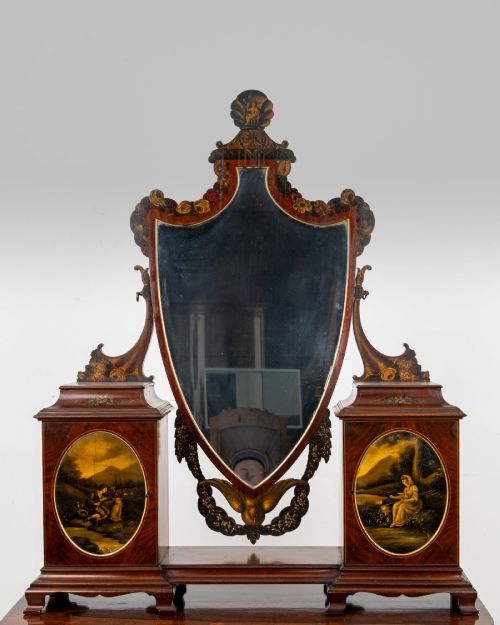
- A freestanding mirror supported on a frame with four legs, scaled down for tabletop use in this context. It allows the glass to swing freely to adjust the angle of reflection.
- Bristol green
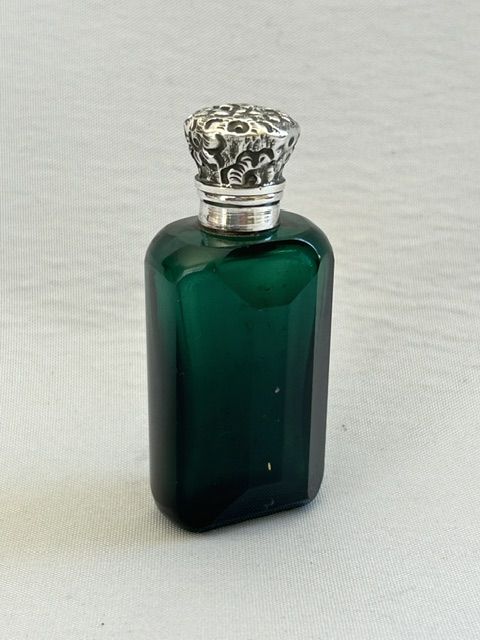
- A deep, vibrant shade of green glass traditionally produced in English glassworks during the eighteenth and nineteenth centuries. It is frequently seen on Victorian scent bottles.
Table Top Dressing Glass: Frequently Asked Questions
What is a dressing glass?
A dressing glass is a portable mirror designed to sit atop a dressing table, chest of drawers, or vanity unit. They usually feature an adjustable swing mirror mounted within a wooden or metal frame.
Many period examples also incorporate small drawers or jewellery compartments beneath the glass itself. They formed an essential component of historical bedroom furniture before fitted wall mirrors became common.
How do I date silver mounts?
British silver mounts carry hallmarks that indicate the specific assay office, the standard of silver, and a date letter corresponding to the exact year of manufacture. You can cross-reference these stamped letters with historical assay office records.
The style of the script and the shape of the shield surrounding the letter help narrow down the decade when the marks appear worn.
What were vanity jars used for?
Vanity jars held cold creams, face powders, pins, and small cosmetic items on the Victorian or Edwardian dressing table. Their heavy glass bodies kept contents secure while the decorative silver or enamel lids added a refined touch to the room.
Matching sets were often displayed openly on mirrored trays alongside complementary perfume bottles and hairbrushes.
How do I care for antique glass?
Wash antique glass and silver pieces by hand using warm water and a mild detergent, avoiding harsh scrubbing brushes that might scratch the surface. Keep silver polish away from glass bodies and enamel insets to prevent chemical staining.
Store wooden mirror frames away from direct sunlight and severe temperature fluctuations to protect the timber and veneer.