
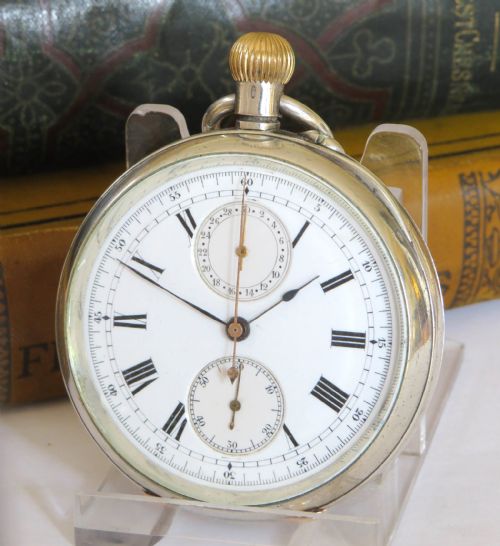
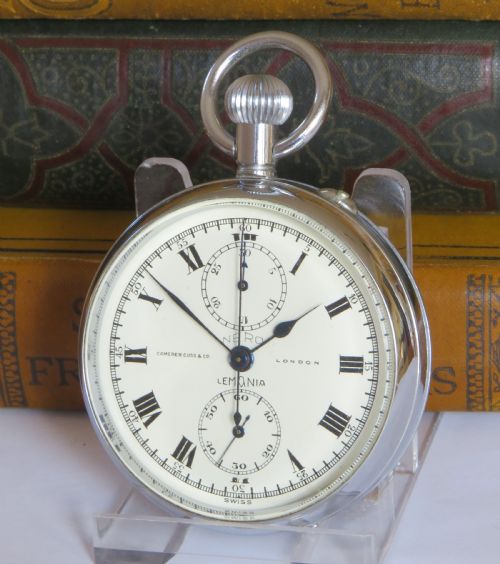
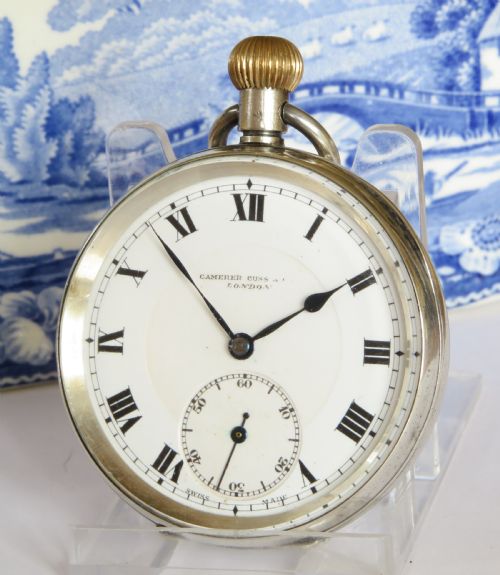
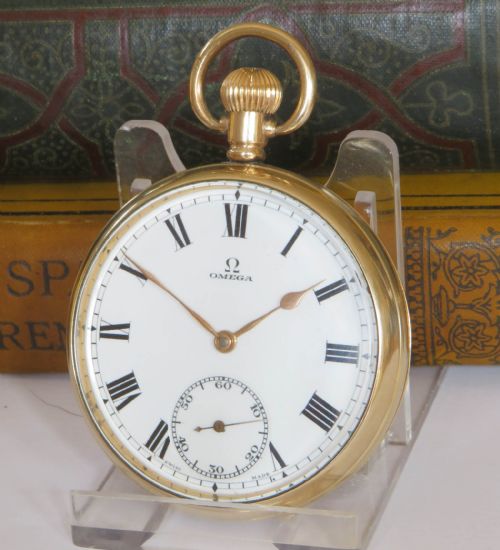
Swiss Open Face Watch
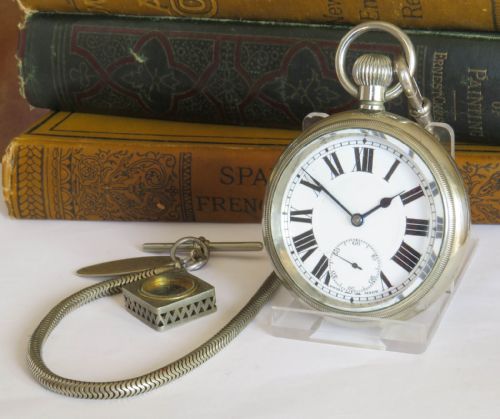
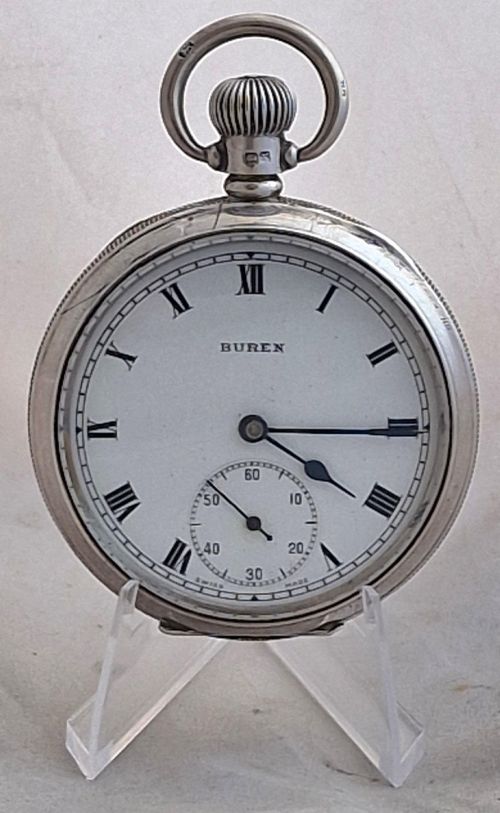
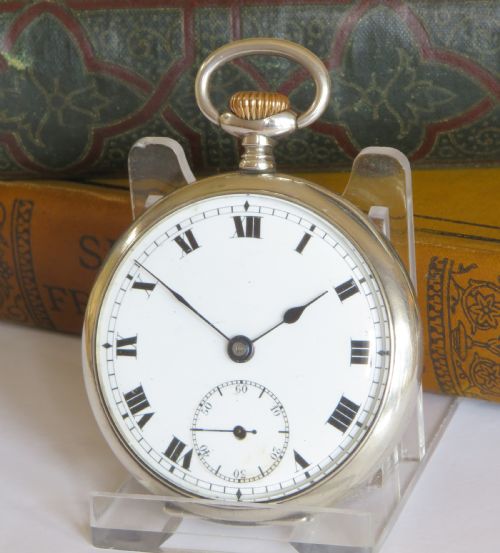
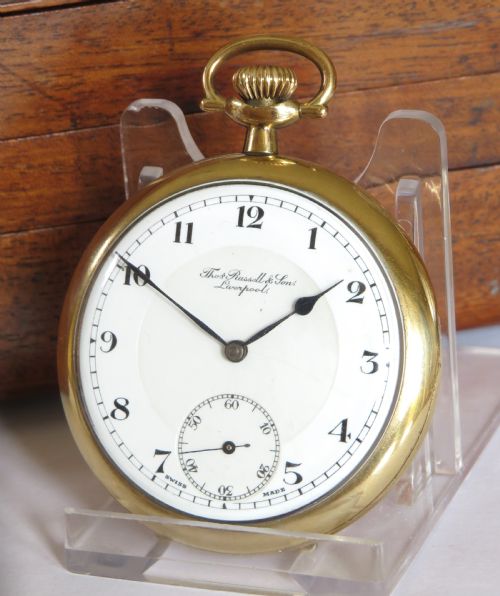
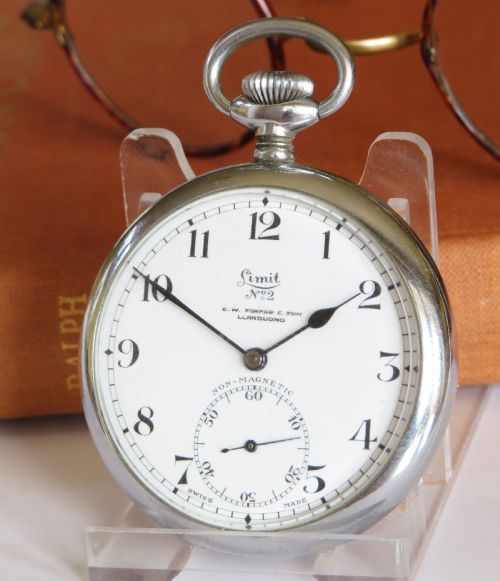
A swiss open face watch offers mechanical timekeeping with a clean dial, providing a classic pocket piece that suits daily carry.
Materials and Construction
Cases utilise a range of metals including silver, gold plate, brass, steel, gun metal and chrome, paired with glass crystals over enamelled dials. The underlying movements rely on precision brass gear trains and steel springs housed within protective outer shells.
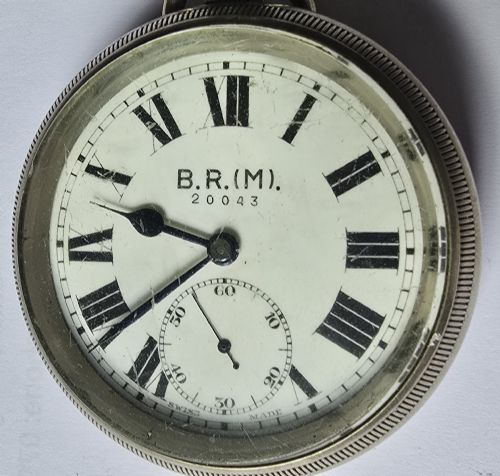
Makers integrated stem winding mechanisms alongside specialised eight-day movements, chronographs and railway-grade specifications. These constructions balanced robust daily utility with mechanical reliability.
Judging Quality
Quality rests upon the refinement of the internal movement, the reputation of the maker and the condition of the enamelled dial. Higher tiers feature complex chronograph functions or multi-day power reserves engineered by established Swiss houses.
The choice of case material also dictates the grade, with solid silver and gold-plated housings sitting above standard chrome or base metal versions. Preserved original chains and boxes add distinct provenance to individual pieces.
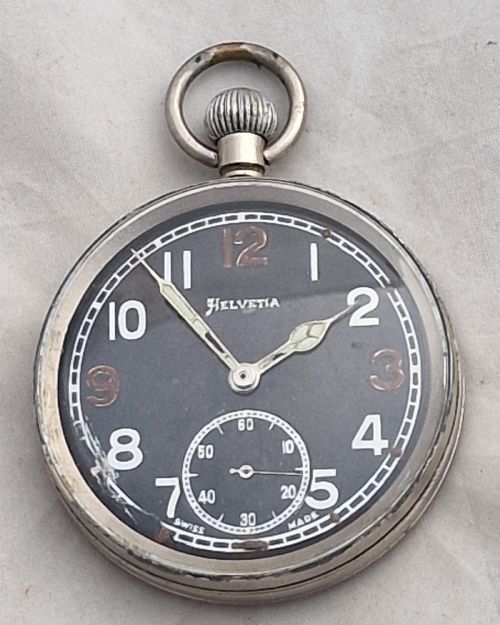
Styles represented include Art Deco, Edwardian, Victorian, and various military specifications.
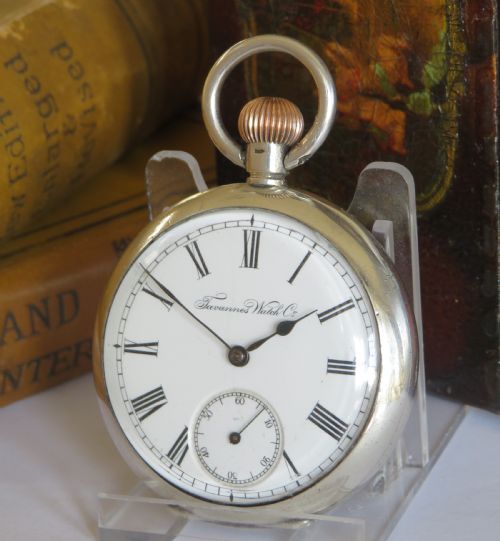
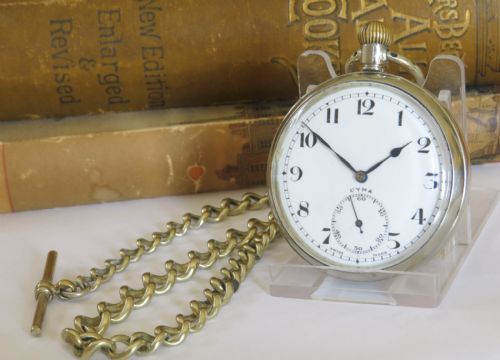
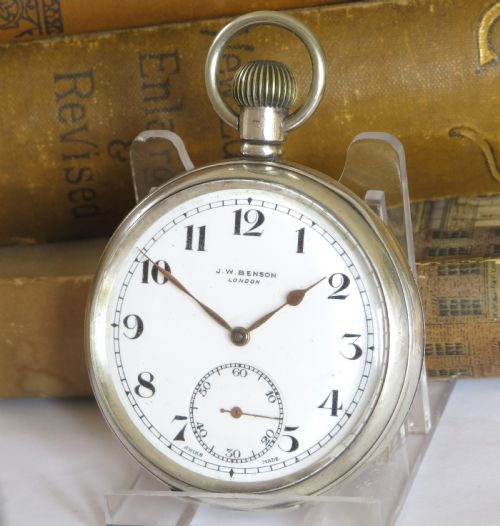
Buren·Helvetia·Guinand·Nero Lemania·Camerer Cuss·Omega·Record·Limit Revue·Thomas Russell and Son·Tavannes·Cyma·Octava·Revue·Minerva·Paxus·Bravingtons·Stauffer·H Samuel·Zenith·Hebdomas·Dennison·Kays·Elkington·Vertex·J W Benson
The Swiss Open Face Watch Glossary
- Open face
- A pocket watch design without a hinged front cover, leaving the dial visible at all times. This style allows quick reading of the time.
- Albert
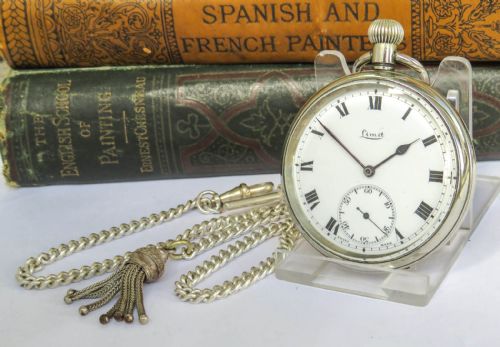
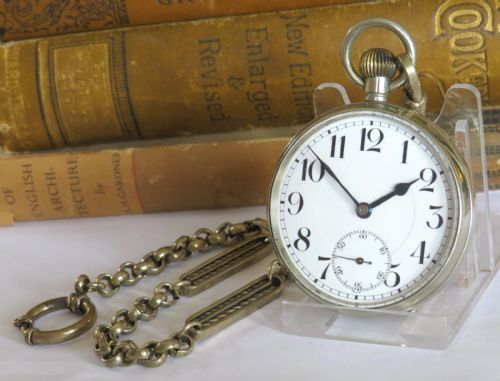
- A chain attached to a pocket watch, designed to secure the timepiece to a waistcoat or belt. These chains often feature connected fobs or medallions.
- Chronograph
- A watch with a stopwatch function alongside standard timekeeping. Such pieces include independent sweep hands controlled via pushers.
- Stem winding
- A mechanism that allows the mainspring to be wound using the crown at the top of the case. This replaced earlier key-wound systems.
- Enamel
- A glassy substance fused to the dial surface under high heat, providing a smooth white ground for painted numerals. It offers lasting resistance to fading.
Swiss Open Face Watch: Frequently Asked Questions
How were these watches worn originally?
Owners typically secured the piece to a waistcoat buttonhole using an albert chain, slipping the watch itself into the front pocket. The open face design allowed the wearer to check the hour instantly without flipping open a protective lid.
In military or railway contexts, watches were often secured in specialised uniform pockets or leather pouches. This ensured the timepiece remained accessible while performing duties.
How do I know the age of a watch?
Dating relies on hallmarks stamped into the metal case, serial numbers inscribed on the movement, and stylistic details of the dial and hands. Swiss makers often registered specific movement designs across distinct decades.
Comparing the maker's mark and any accompanying railway or military inscriptions provides further chronological markers. Archive records for major houses help narrow the production year.
Can I wear a pocket watch daily?
These mechanical pieces function well for regular wear provided they receive sensible care and periodic servicing by a watchmaker. Keeping the watch in a dedicated pocket prevents accidental impacts.
Avoid exposing vintage movements to moisture, magnetic fields, or heavy shocks. Pairing the piece with a secure albert chain safeguards it against drops.