
Enamel Dial Timepiece
An enamel dial timepiece brings mechanical precision and a luminous white face together on a desk or inside a waistcoat pocket.
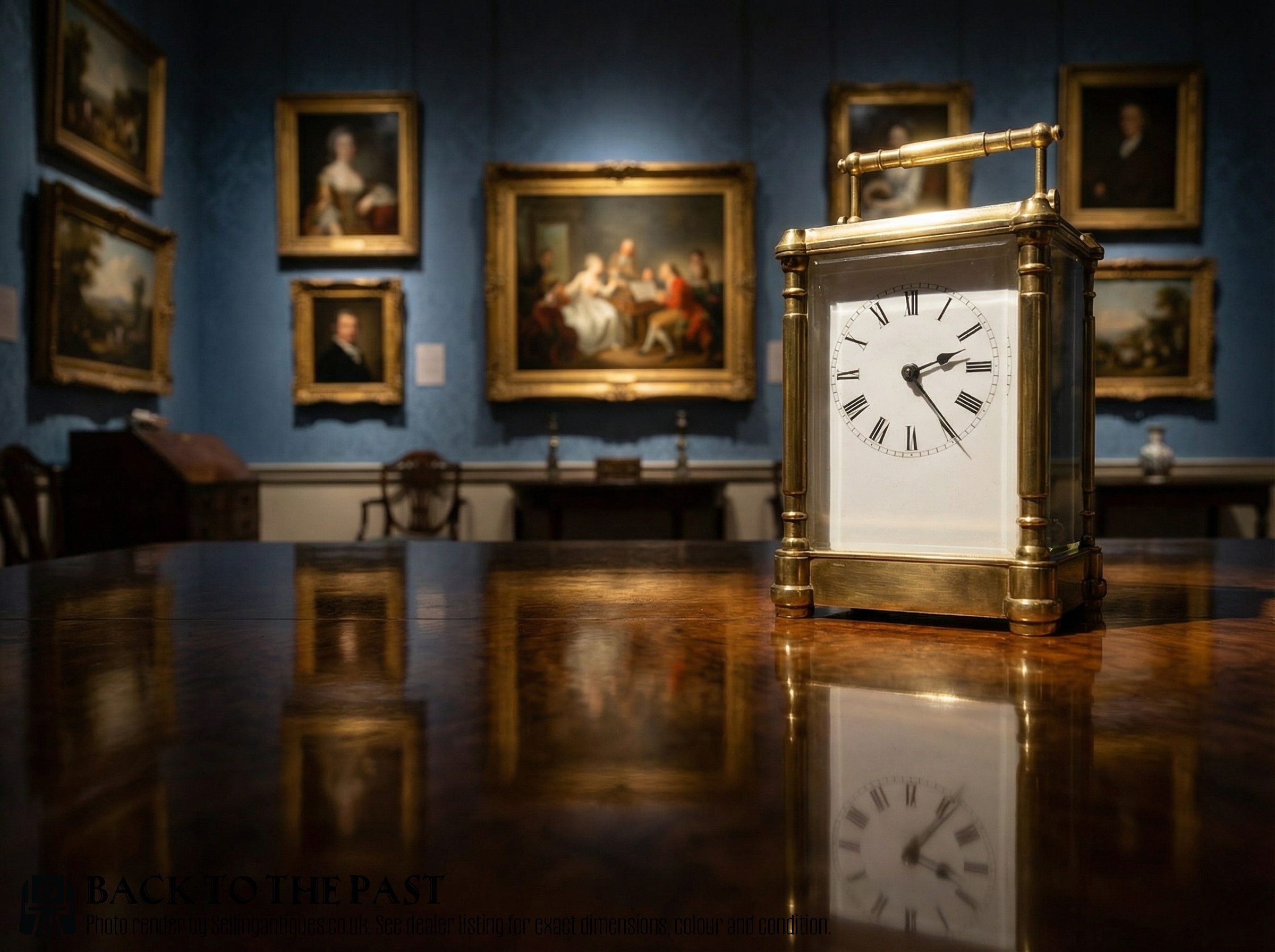
Identifying an enamel dial timepiece
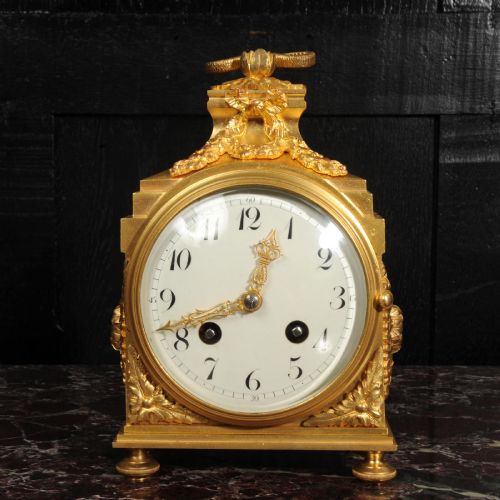
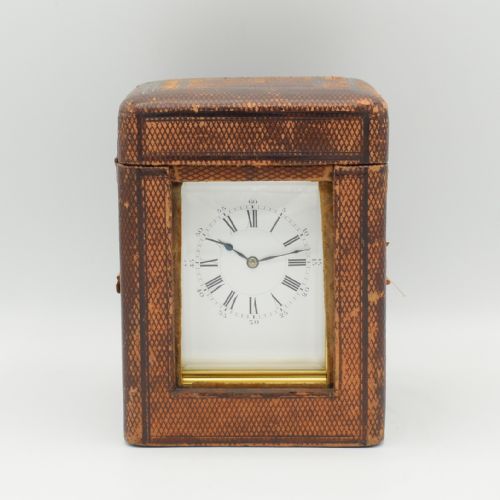
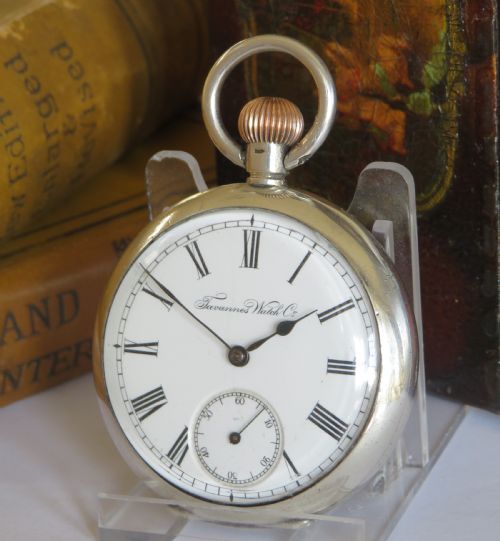
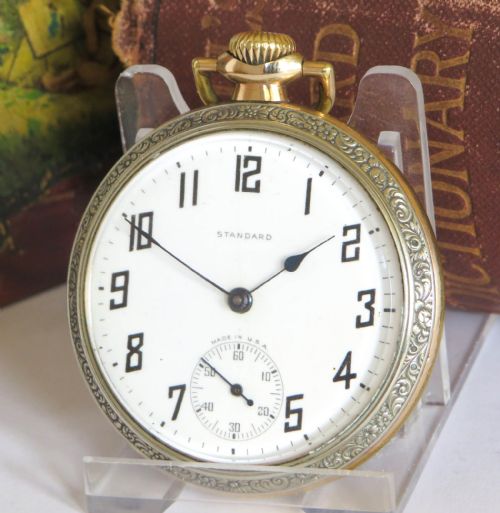
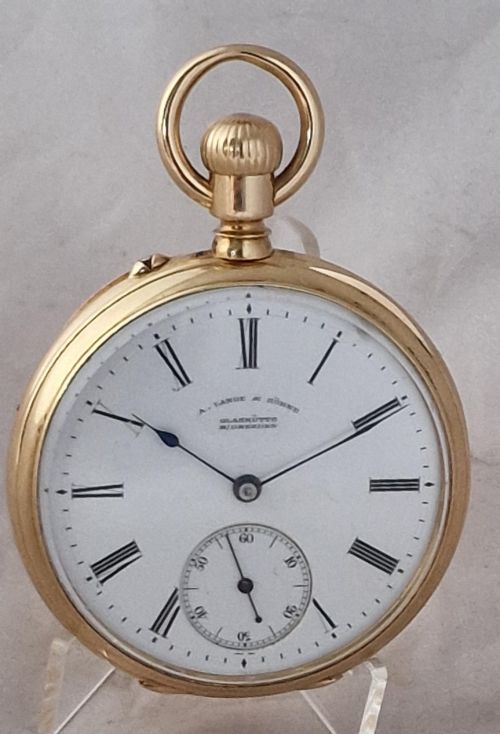
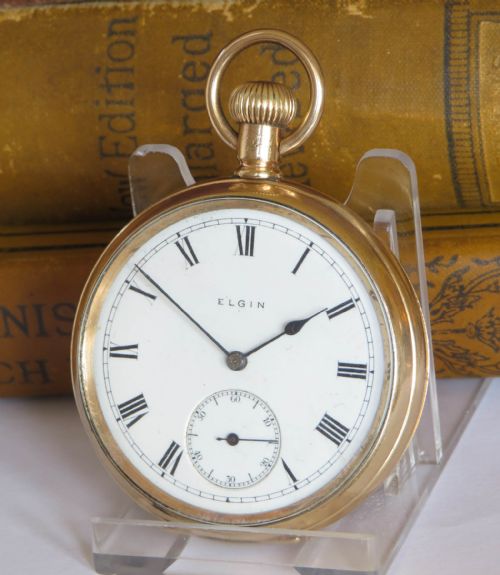
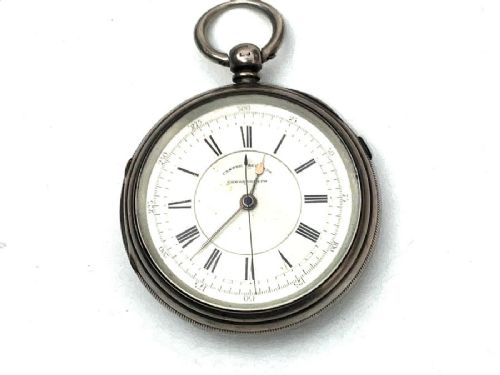
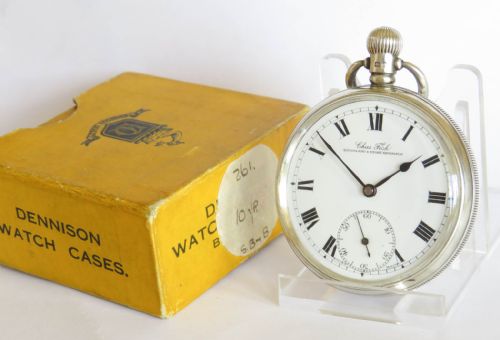
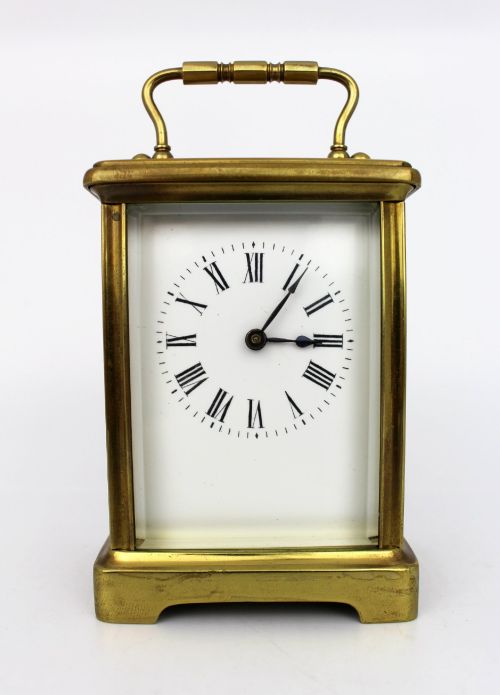
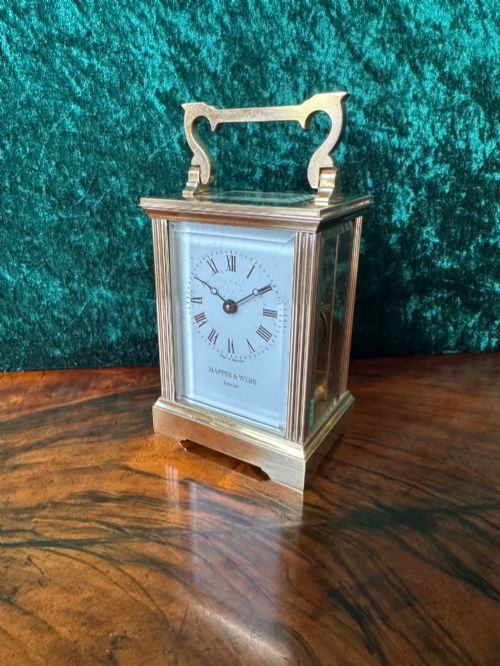
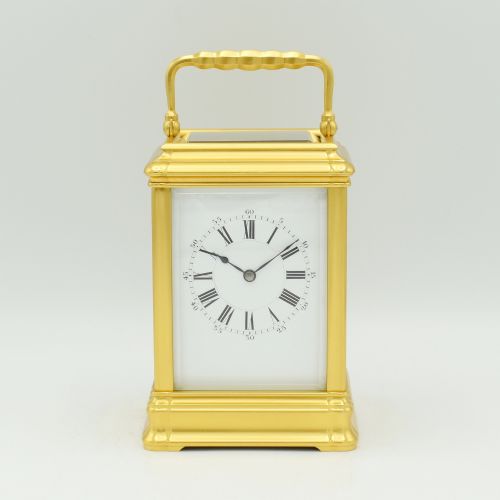
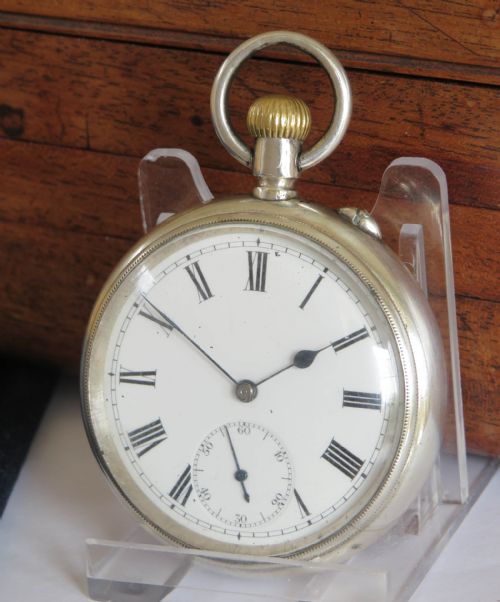
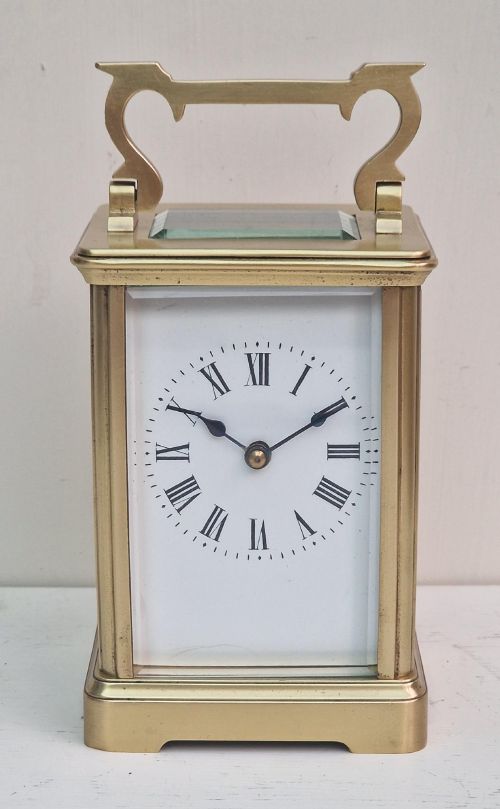
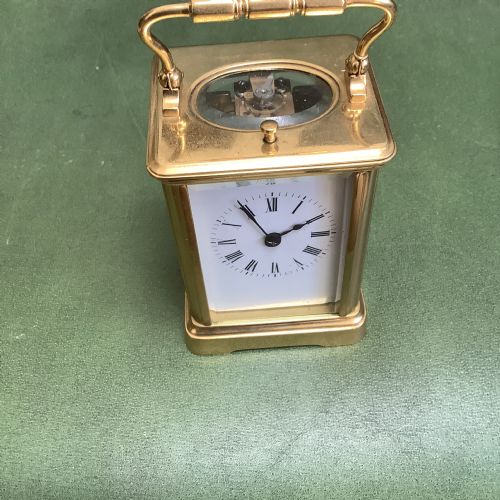
An enamel dial timepiece is a functional clock or pocket watch featuring a fused glass face designed to display the hours clearly. When searching for an enamel dial timepiece, buyers encounter both portable pocket watches and portable mantle clocks.
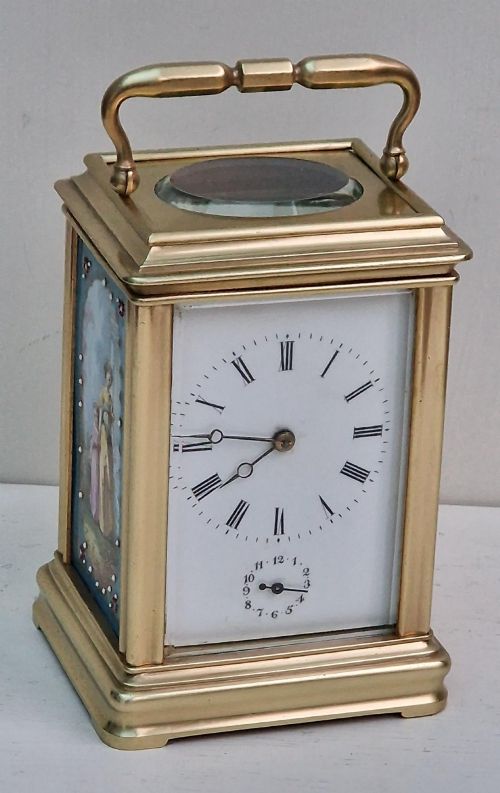
The pieces on offer span the nineteenth century through the early twentieth century, taking the form of Swiss and American pocket watches alongside French carriage clocks. These items originate from Victorian and early twentieth-century workshops.
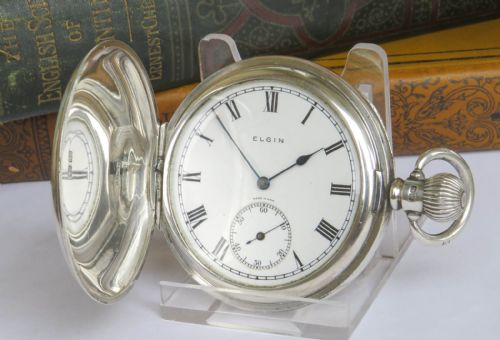
Pocket watches from this selection include Swiss and Elgin examples, whilst the clock category is dominated by French carriage clocks. Such objects serve as both daily instruments and decorative items.
Materials and construction
Makers constructed the housings of these objects using brass, silver, gold filled metal, and glass. The movements rely on steel components fitted within solid metal frames.
The dials themselves are formed from vitreous enamel or standard enamel, created by fusing powdered glass to a metal base under high heat. This process produces a smooth, glossy, and durable surface that resists tarnishing over decades of use.
Retail Price Guide 2026
Typical UK retail prices for enamel dial timepiece, calculated from the Sellingantiques database of over a million retail prices indexed since 2003. This retail price guide relies exclusively on Sellingantiques data; no external sources or auction records are used, so the figures do not describe the wider market.
One listed pocket watch carries an Ottoman military crest alongside a Cyrillic inscription, hinting at a long journey across borders.
Distinctions in quality
Quality in these pieces rests upon the crispness of the enamel face and the finish of the metal case. Fine examples exhibit unblemished white enamel dials with sharp numerals, avoiding hairline fractures or chips around the winding holes.
The distinction between standard production and superior work appears in the precision of the exterior housing. Solid brass or silver cases with clean, unpolished decorative details stand apart from simpler mass-produced alternatives.
Alfred Hollinge·Elgin
The Enamel Dial Timepiece Glossary
- Timepiece
- A clock or watch that measures and indicates time without striking the hours on a bell or gong. This term strictly applies to movements built solely for timekeeping.
- Carriage clock
- A small, spring-driven clock designed for travel, typically fitted with a carrying handle and glass panels in a brass frame. French makers popularised this form during the nineteenth century.
- Vitreous enamel
- A material made by fusing powdered glass to a metallic substrate at high temperatures. It provides a permanent, glossy finish that maintains its colour indefinitely.
- Gold filled
- A manufacturing method where a layer of gold is mechanically bonded to a base metal core. This provides the appearance and durability of solid gold at a lower weight.
Frequently Asked Questions
What is an enamel dial timepiece?
An enamel dial timepiece is a clock or pocket watch featuring a fused glass face designed for clear time reading. These objects date primarily from the nineteenth and early twentieth centuries.
They combine metal casework, such as brass or silver, with durable white enamel faces that resist fading and wear over generations.
How do I wind a carriage clock?
Most carriage clocks require a dedicated winding key inserted into square arbors located on the underside or backplate of the movement. Turning the key clockwise tensions the mainspring.
Care must be taken not to overwind the mechanism, stopping the moment resistance is felt to protect the internal springs.
How do I date a pocket watch?
Dating a pocket watch involves examining serial numbers stamped on the movement and comparing them against maker records. Case hallmarks and style cues provide additional chronological context.
Swiss and American makers often registered production years meticulously, allowing collectors to pinpoint the exact decade of manufacture.
How should I clean the glass?
Cleaning the glass panels on a clock requires a soft microfiber cloth and a mild glass cleaning solution. The liquid should be sprayed onto the cloth rather than directly onto the clock to prevent moisture ingress.
Harsh chemical solvents must be avoided to protect antique brass frames and delicate enamel surrounds from accidental damage.