
Swiss Mechanical Wrist Watch
A swiss mechanical wrist watch brings precision timekeeping and mid-century design to the wrist, offering lasting mechanical appeal for everyday wear.
Swiss Mechanical Wrist Watch
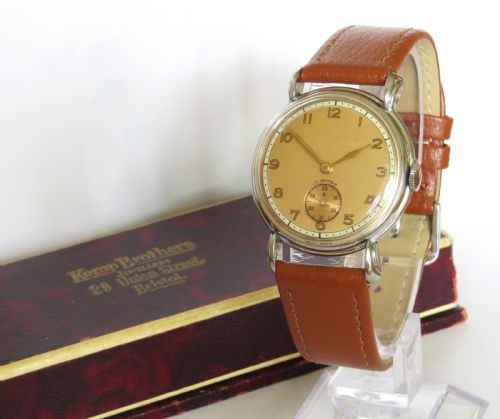
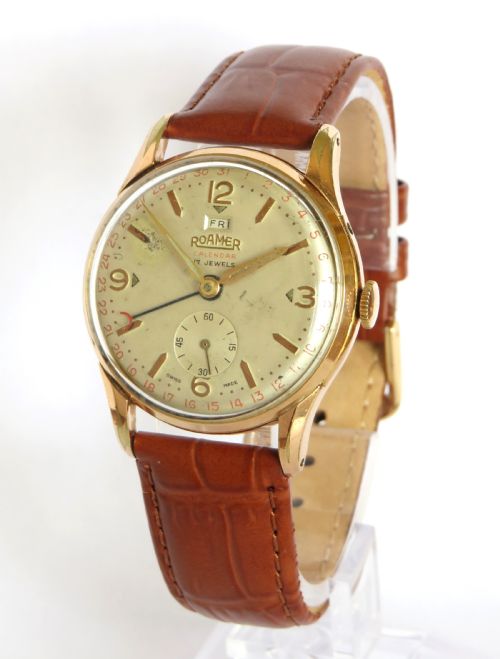
A swiss mechanical wrist watch represents decades of horological heritage, spanning periods from the 1920s through the 1960s with a strong concentration of mid-century examples. When collectors search for a swiss mechanical wrist watch, they encounter diverse styles such as Art Deco and Mid-Century Modernist designs alongside classic dress and calendar models. These timepieces take the form of traditional wristwatches and wrist watches housed in various case designs.
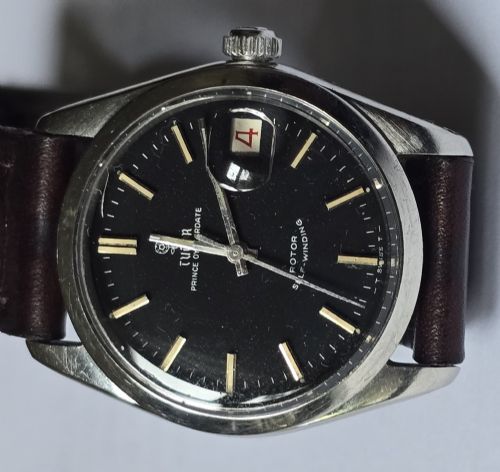
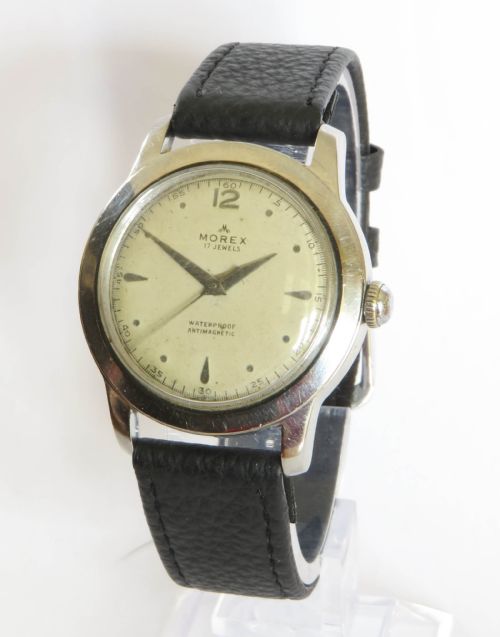
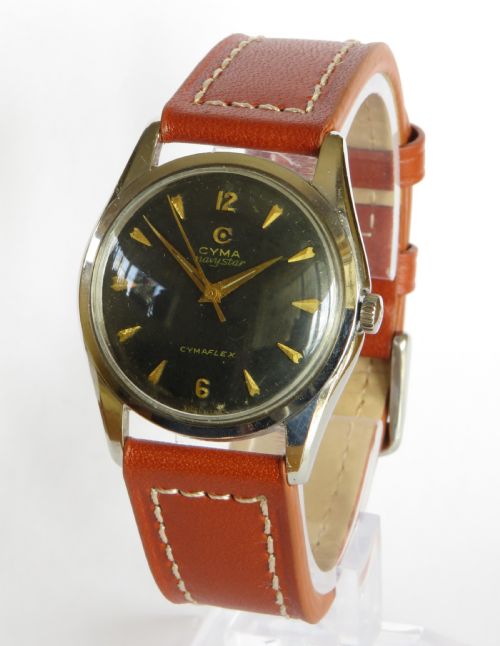
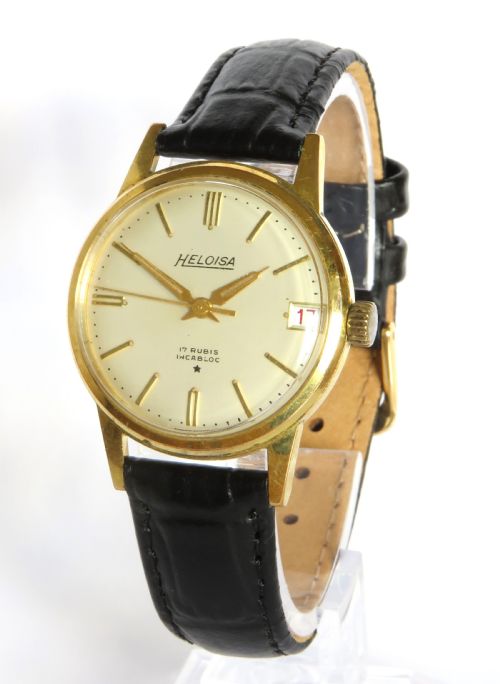
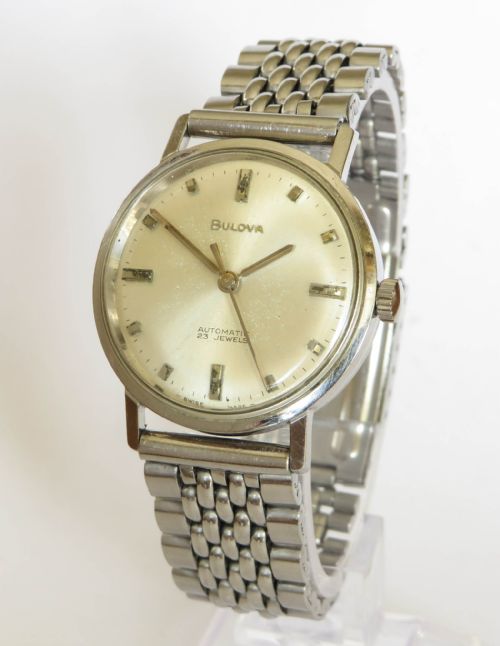
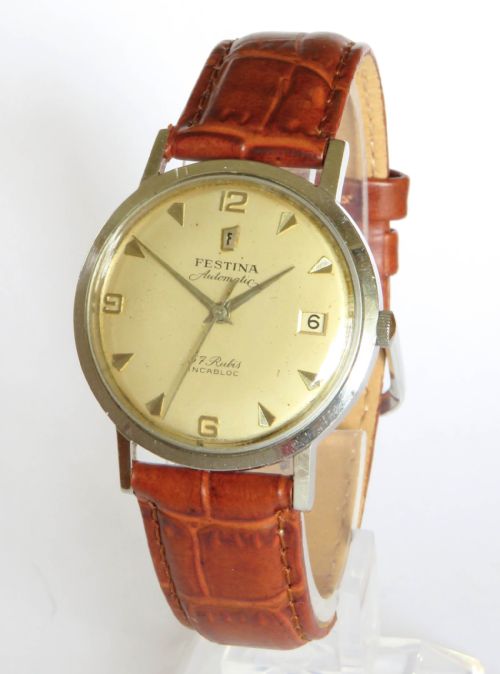
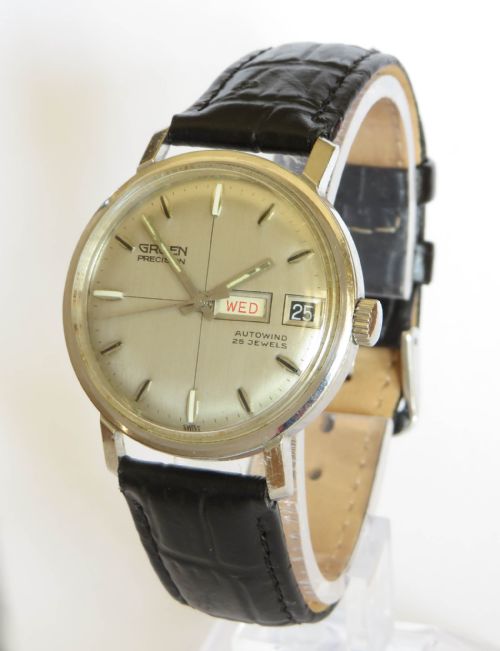
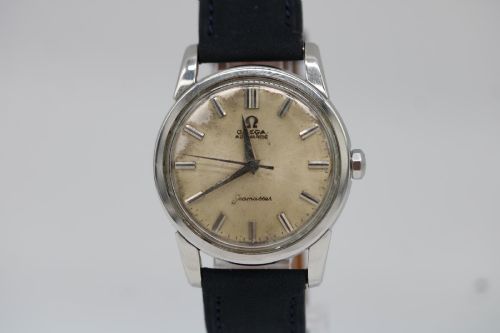
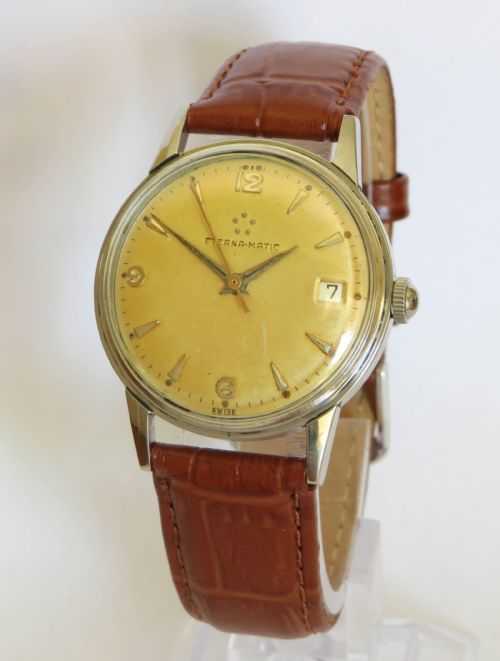
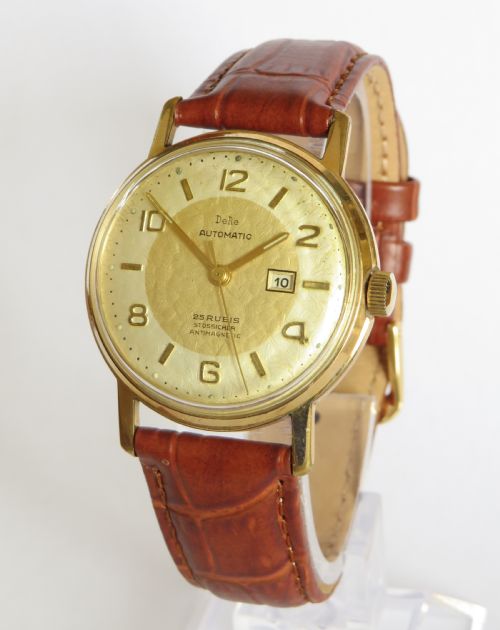
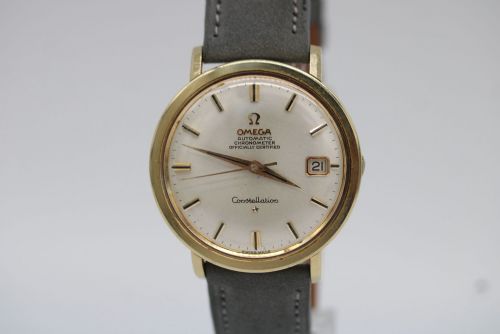
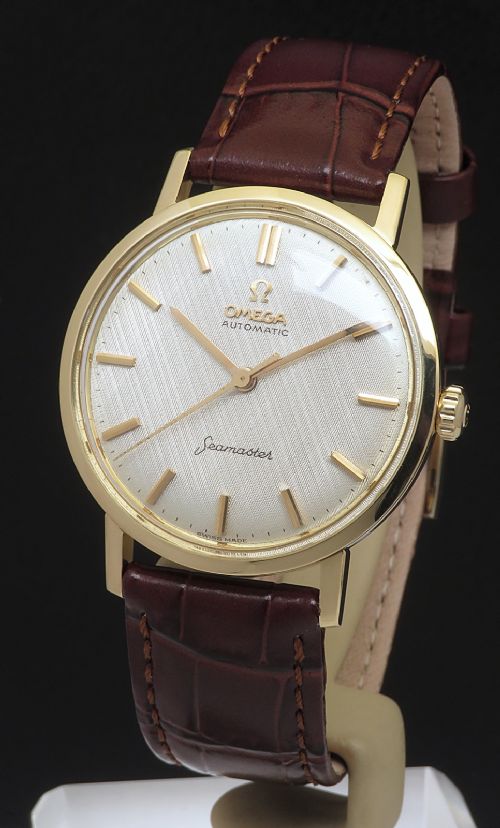
The pieces on this page lean heavily toward gents vintage models from the 1950s and 1960s, produced by notable Swiss houses and fitted with manual wind or automatic movements. Buyers will find watches ranging from simple three-hand displays to chronographs and date models like the Seamaster and Oysterdate. Stainless steel and gold-plated cases dominate the selection, complemented by leather straps and original metal elements.
Materials and Construction
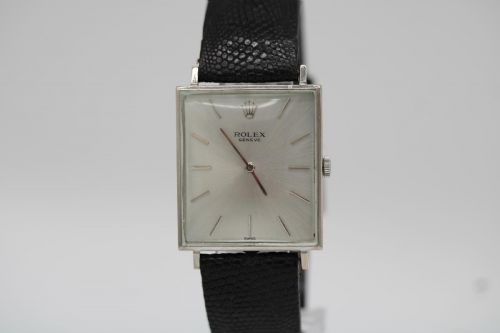
Casework utilises stainless steel, chrome, gold plate, and solid 18ct white gold, protecting intricate internal movements governed by gears and springs. Dials are shielded by acrylic, acrylic glass, or glass crystals that cover printed markers and patinated surfaces.
Movements rely on mechanical gear trains driven by mainsprings, tensioned either by hand winding or automatic rotor systems. Straps fashioned from leather secure the watch cases to the wrist, often finished with matching metal buckles.
The listings span five distinct decades from the 1920s to the 1960s, showcasing stainless steel and gold-plated cases alongside leather straps.
Distinctions in Quality
The calibre of the internal movement dictates much of the horological standing, with specialised chronograph mechanisms and chronometer-grade calibres sitting above standard time-only winders. Finely finished components and adjusted movements reflect higher tiers of Swiss manufacturing.
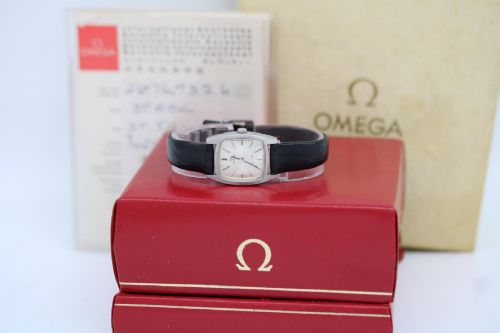
Case materials and original factory elements elevate certain examples, particularly those utilising solid precious metals like 18ct white gold compared to gold plating. The survival of original signed components, boxes, and papers further separates exceptional collector pieces from standard survivors.
Tudor·Montilier·Cyma·Bulova·Festina·Gruen·Omega·Eterna Matic·Roamer·Rolex·Longines·Avia·Venus·Primula·Marvin·Tissot·Gloriosa·Rotary·Enicar·Prefect·Wittnauer·Dogma Prima
The Swiss Mechanical Wrist Watch Glossary
- Calibre
- The specific internal movement design and model number created by a watch manufacturer. This designation identifies the exact mechanical architecture powering the timepiece.
- Chronograph
- A watch equipped with a stopwatch function alongside regular timekeeping displays. Independent sub-dials track elapsed seconds and minutes.
- Chronometer
- A high-precision mechanical watch that has passed rigorous accuracy tests conducted by an official observatory. These movements maintain exact time across varying temperatures and positions.
- Automatic
- A self-winding mechanical movement that uses a weighted rotor to tension the mainspring from the natural motion of the wearer's wrist.
- Acrylic Glass
- A lightweight, shatter-resistant plastic material used for watch crystals during the mid-century period. It can be easily polished to remove surface scuffs.
Swiss Mechanical Wrist Watch: Frequently Asked Questions
How do I wind a manual watch?
Rotate the crown clockwise between your thumb and forefinger until you feel gentle resistance. Stop immediately to avoid over-tensioning the mainspring.
Wind the watch at roughly the same time each day to maintain consistent tension and accurate timekeeping.
Can I wear these watches daily?
Many vintage pieces handle regular wear well, provided they receive routine servicing by a watchmaker. Keep them away from strong magnetic fields and moisture unless specified as water-resistant.
Pairing a sturdy leather strap ensures comfort and security throughout the working day.
How do I read date models?
Date windows display the calendar day through a small aperture cut into the dial, sometimes magnified by a crystal lens. Calendar movements automatically advance the date at midnight.
Avoid manually setting the date while the hands rest near midnight to prevent damage to the gear change mechanism.