
Swiss Mechanical Timepiece
A swiss mechanical timepiece is an instrument driven by gears and springs rather than batteries, offering precise craftsmanship that collectors wear daily.
Swiss Mechanical Timepiece
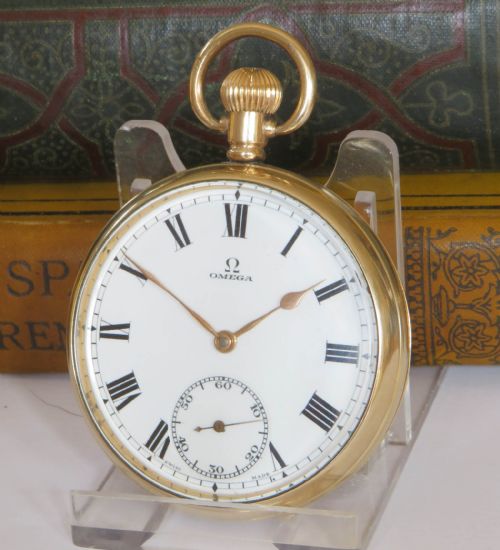
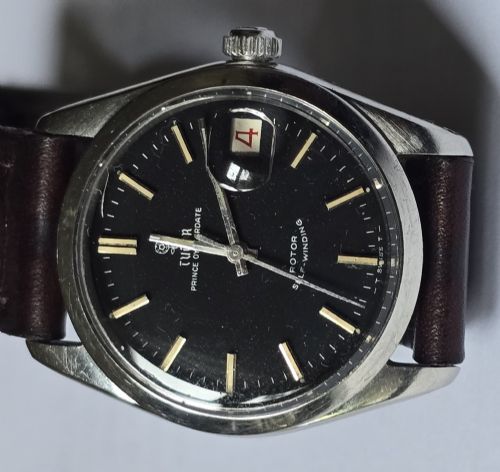
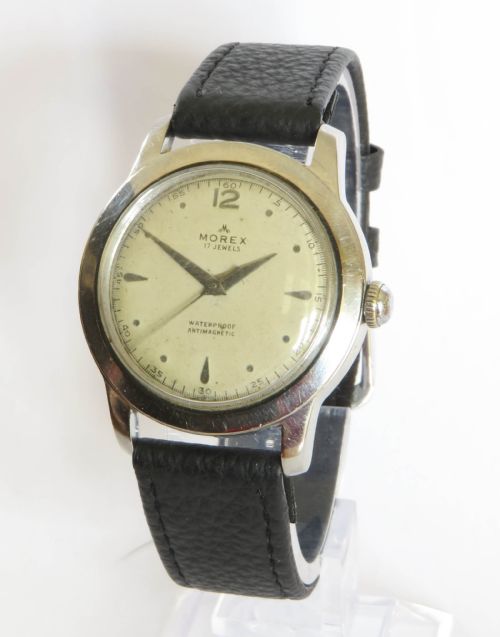
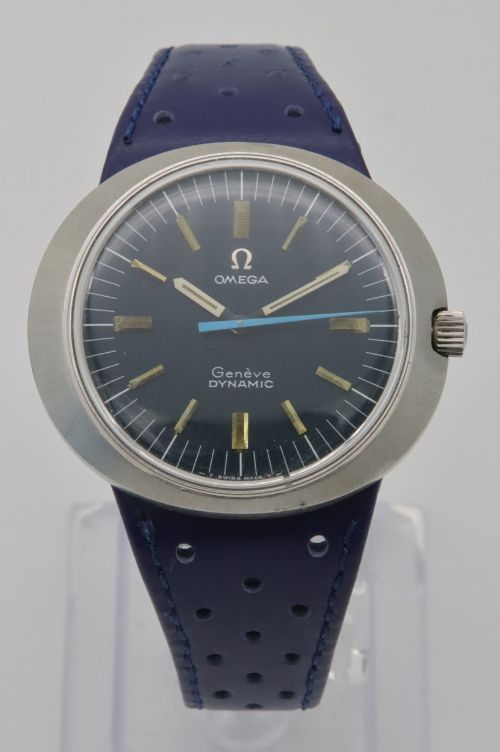
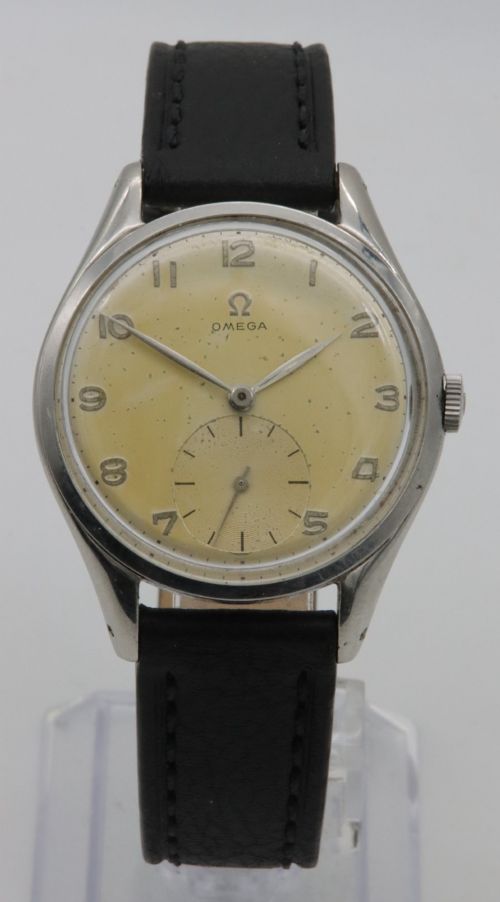
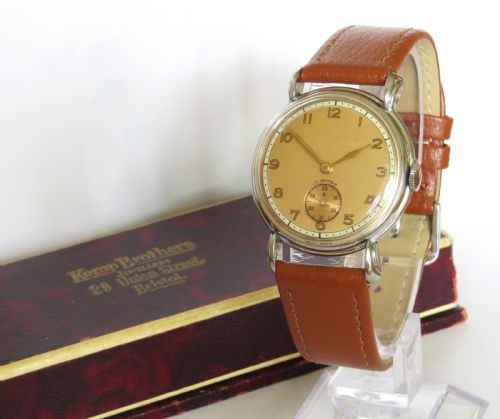
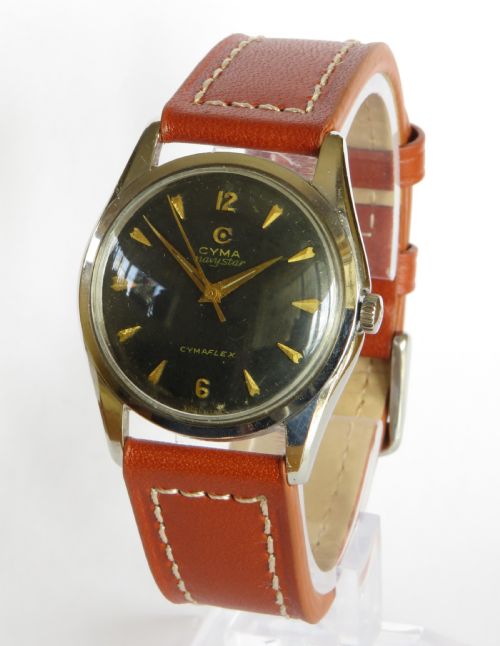
When buyers search for a swiss mechanical timepiece, they encounter wristwatches, pocket watches, and clocks originating from periods spanning the Victorian era through the 1970s.
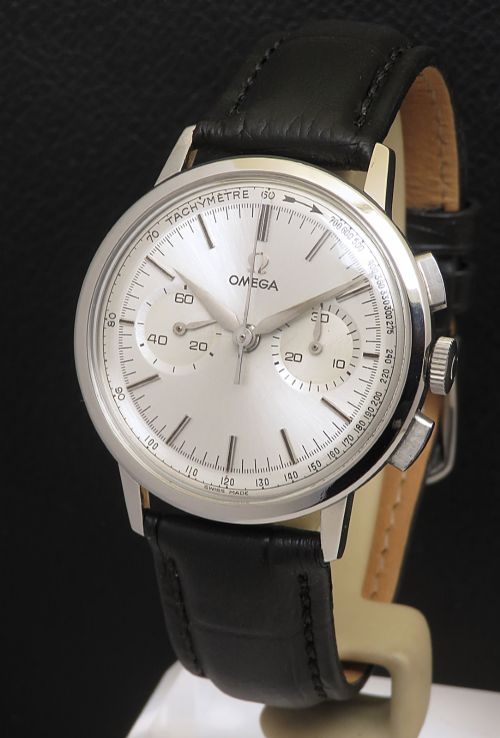
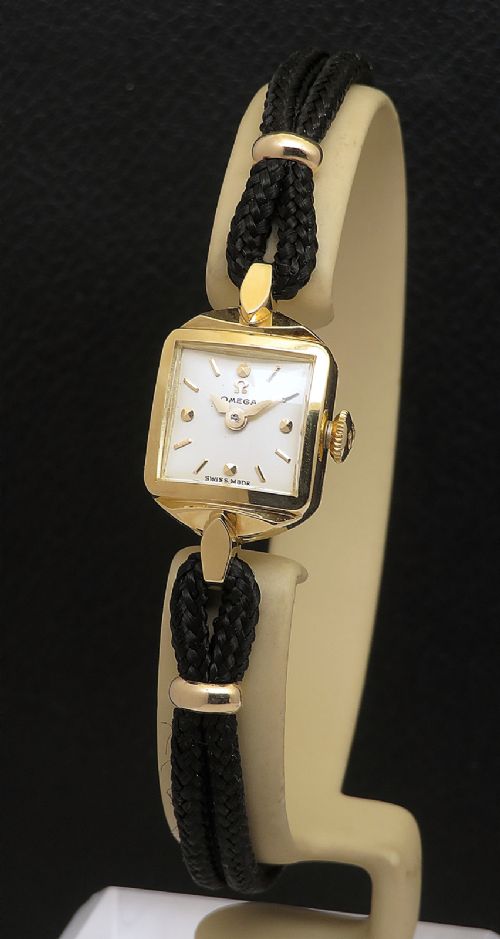
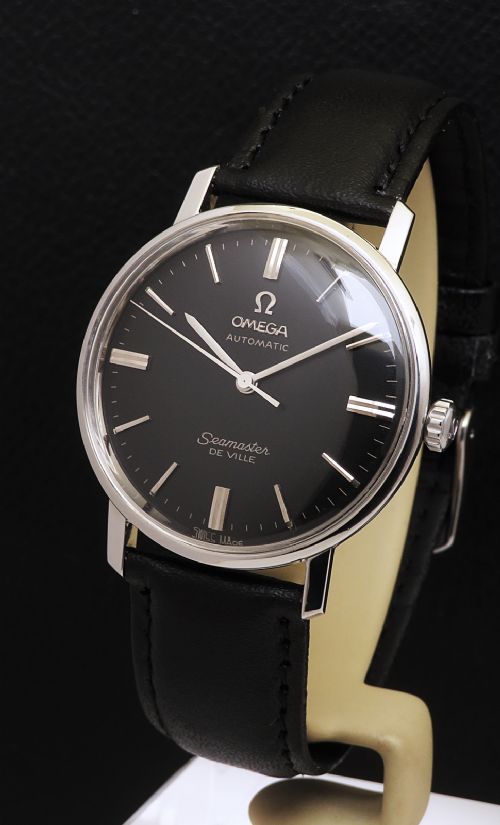
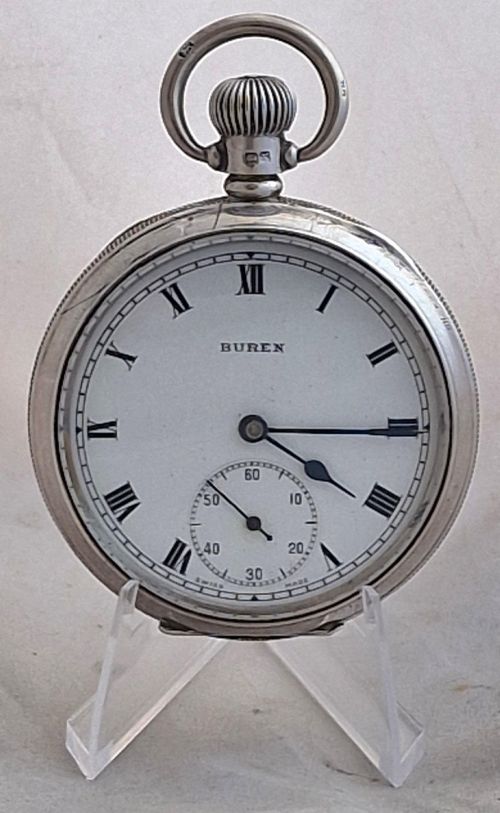
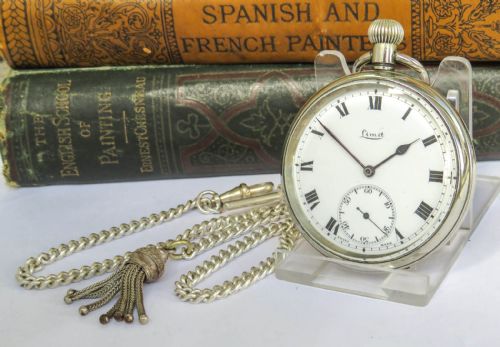
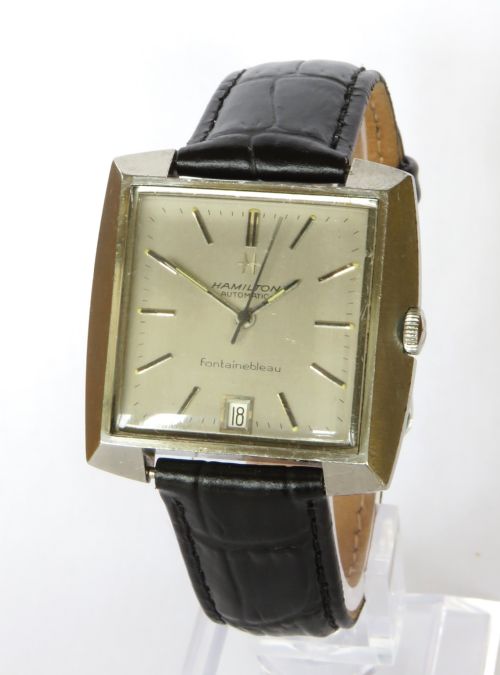
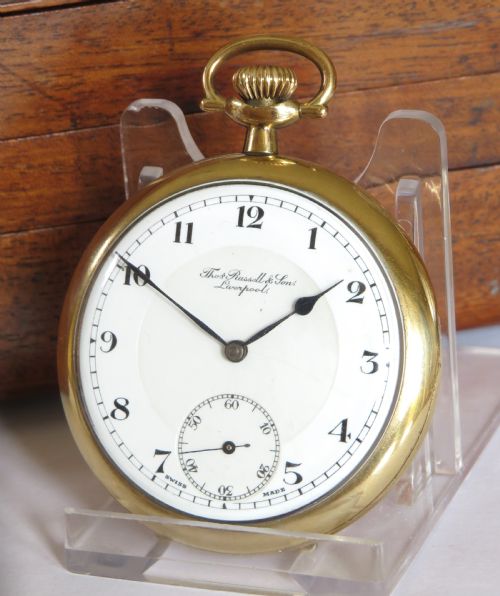
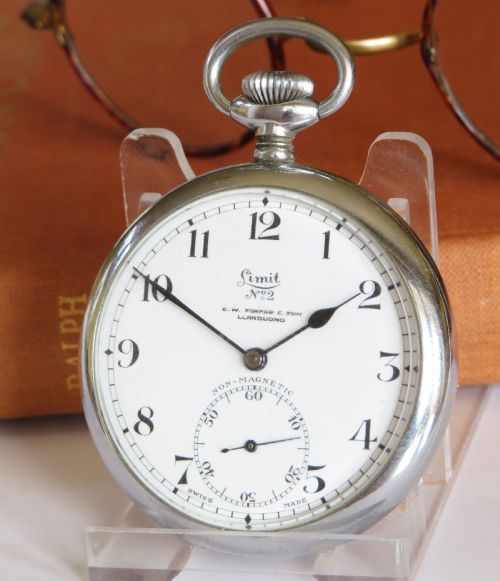
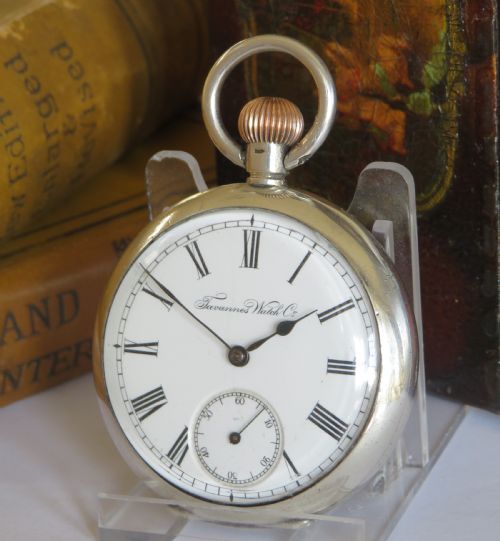
The wristwatches include automatic calendar models, chronographs, and cocktail watches, while pocket watches range from open face designs to full hunter silver cases.
Omega, Tudor, and Eterna wristwatches alongside pocket watches by Buren and Tavannes represent the most common forms met on this page.
Materials and construction
Cases utilise metals such as stainless steel, solid gold, gold plate, brass, and silver, paired with glass or acrylic crystals protecting the dial.
Movements rely on complex brass gear trains, jewelled bearings, and manual wind or automatic self-winding mechanisms operated by internal springs.
Factors of quality
Quality rests in the precision of the calibre, the complexity of functions like chronographs or automatic bumpers, and the integrity of the original dial and case.
Solid precious metal construction and original manufacturer components elevate certain examples above standard plated models.
Omega·Tudor·Buren·Hamilton·Bulova·Eterna·Longines·Gruen
The Swiss Mechanical Timepiece Glossary
- Calibre
- The specific internal movement design and model created by the manufacturer. It identifies the mechanical architecture housed inside the case.
- Chronograph
- A watch equipped with a stopwatch function alongside the standard time display. Independent sweep hands measure elapsed intervals.
- Automatic
- A self-winding movement that uses a weighted rotor to wind the mainspring from the natural motion of the wearer's wrist.
- Full hunter
- A pocket watch featuring a spring-loaded metal cover that protects the glass dial face from scratches and impacts.
- Bumper
- An early form of automatic movement where the rotor swings back and forth against buffer springs rather than rotating in a full circle.
Swiss Mechanical Timepiece: Frequently Asked Questions
How do I wind a mechanical watch?
Turn the crown clockwise between your thumb and forefinger until you feel gentle resistance. Stop immediately to avoid over tensioning the internal mainspring.
For automatic models, normal daily wrist movement keeps the spring wound, though manual initial winding may be needed if the watch has stopped completely.
Can I wear my vintage watch daily?
Many vintage wristwatches from the mid-century period suit regular daily wear provided they receive proper mechanical servicing and care. Older models lack modern water resistance seals and require protection from moisture and heavy impacts.
Keep antique pocket watches in dedicated waistcoat pockets or secure protective pouches when carrying them away from home.
What is the difference between a wrist watch and pocket watch?
Wristwatches attach to the arm with leather straps or metal bracelets for immediate time reading during active daily movement. Pocket watches utilise chains or fobs to secure them inside clothing pockets for formal or traditional wear.
Both formats share similar internal Swiss mechanical gear trains and escapement assemblies.
How do I date my timepiece?
Examine the style of the dial, case materials, and typography alongside any serial numbers stamped on the internal movement or case back. Reference records match these movement numbers to specific manufacturing years.
Design motifs such as Art Deco geometric lines or Mid-Century minimalist markers help narrow down the production decade.