



Swiss Folk Art
When you handle swiss folk art, you touch the tactile history of the Alps through carved wood and painted scenes.
Swiss Folk Art
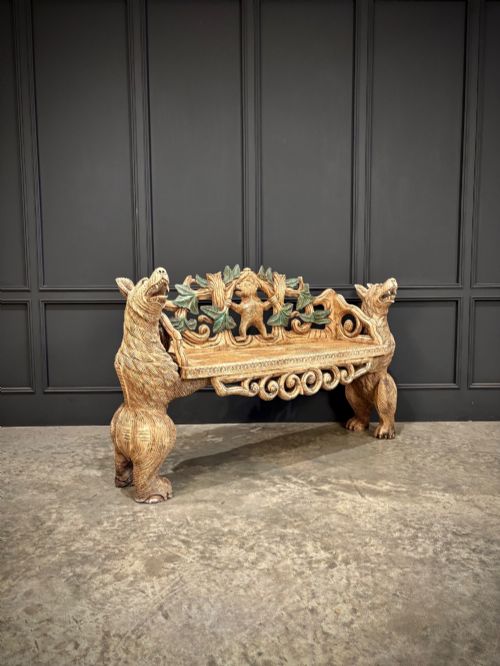
Swiss folk art encompasses carved wooden figures, rustic furniture, and domestic objects created across the nineteenth and early twentieth centuries. These pieces reflect regional alpine traditions, featuring bears, local figures, and rustic seating forms like escabelle chairs.
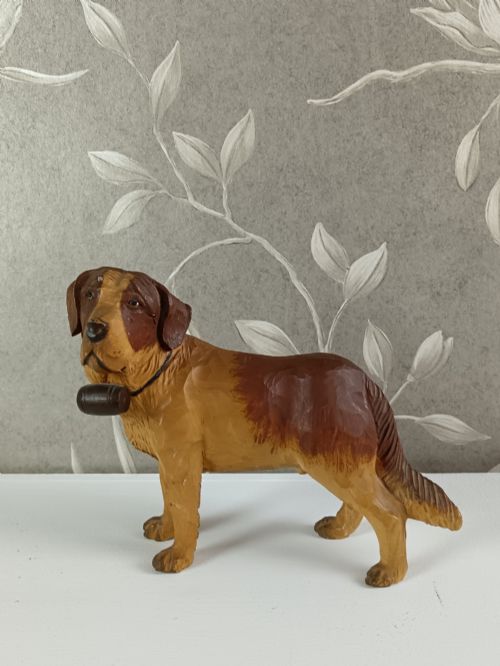
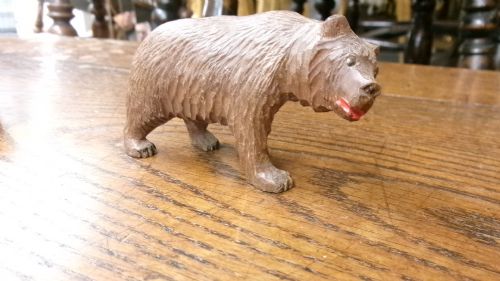
The objects on this page range from small domestic utensils and nutcrackers to large hall stands and seating sets. Animal carvings, particularly bears and Saint Bernard dogs, dominate the visual landscape alongside human figures and folk characters.
Originating largely from mountain workshops and regional carvers, these items served practical household roles or decorated alpine interiors. They bridge utilitarian function and narrative sculpture, capturing the daily life and lore of mountain communities.
Materials and Techniques
Carvers utilised native timbers such as linden wood, limewood, walnut, oak, fruitwood, and yew-wood to fashion these objects. These woods provided the fine grain necessary for intricate hand-carved detailing on figures and furniture.
Makers employed hand chisels and gouges to shape the timber, often finishing surfaces with wax or paint. Details like stud eyes and carved foliage demonstrate the careful manual labour invested in each piece.
Listings feature works in walnut, linden wood, limewood, oak, fruitwood, and yew-wood, spanning the nineteenth century and early twentieth century.
Evaluating Quality
The distinction between ordinary and exceptional carving lies in the depth and animation of the relief or sculptural form. Master carvers captured anatomical realism and expressive character in animal and human subjects alike.
Proportion and structural integrity separate fine furniture and seating from standard utility pieces. Pieces retaining original surface finishes and clear signatures command greater attention from collectors.
The Swiss Folk Art Glossary
- Escabelle chair
- A traditional rustic wooden chair with a solid board back and splayed legs. These form a distinct group within alpine seating.
- Black Forest
- A regional style of wood carving originating in the mountain areas, known for realistic animal sculptures and domestic furniture. Bears and forest motifs are typical of this tradition.
- Linden wood
- A pale, fine-grained timber frequently chosen by carvers for its ease of manipulation and smooth finish. It allows for delicate undercutting in figurative works.
- Nutcracker
- A mechanical tool carved in the shape of figures or animals, designed to crack nuts using lever action. These combine utility with playful sculptural design.
Swiss Folk Art: Frequently Asked Questions
What is swiss folk art?
Swiss folk art comprises hand-carved wooden objects, furniture, and decorative figures originating from alpine regions. These pieces reflect local traditions, landscapes, and rural life.
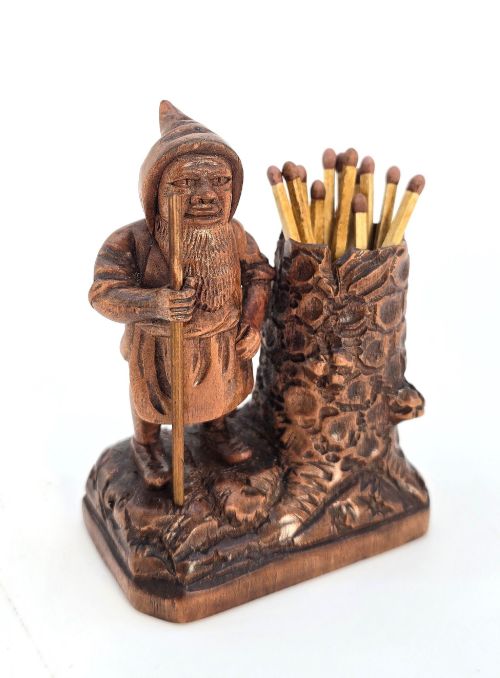
They include domestic items like spoons and match holders alongside larger sculptures and rustic seating.
How were these wooden carvings used?
Many items served daily functions in alpine homes, acting as chairs, hall stands, nutcrackers, or clocks. Others were decorative sculptures placed in interiors to celebrate local folklore and wildlife.
Even utilitarian objects like spoons and match holders received intricate carved decoration.
What woods are common in these pieces?
Carvers relied heavily on regional timbers such as linden wood, limewood, walnut, oak, fruitwood, and yew. These woods offered the workability needed for detailed animal and human figures.
Linden and limewood were particularly favoured for their fine, even grain.
How do I date swiss folk art?
Dating relies on stylistic markers, materials, and occasional signatures or dates carved into the wood. Pieces span the nineteenth century and into the early twentieth century.
Comparing construction methods and subject matter helps establish the period of manufacture.
Where were these items made?
Items were produced in mountain regions and specialised carving centres, notably Brienz and the wider Black Forest area. Local workshops passed down woodworking techniques through generations.
Carvers drew inspiration from the surrounding alpine environment and regional stories.