




Traditional Folk Spoon
These traditional folk spoon examples bring tactile warmth and regional character into a room, offering genuine historical utility through carved treen and display racks.
Traditional Folk Spoon
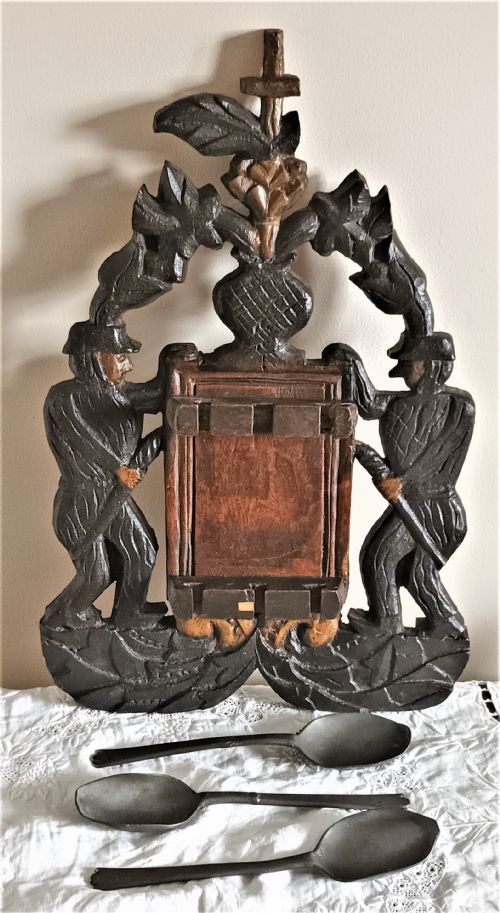
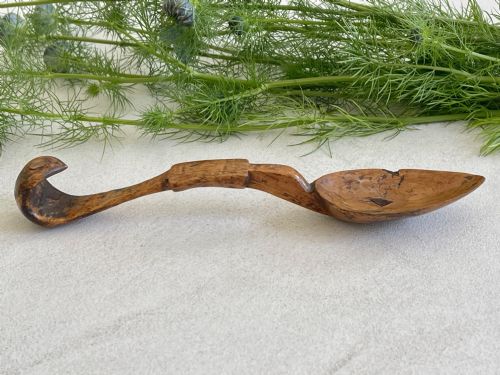
The versions you are most likely to meet on this page include Welsh lovespoons and Georgian oak spoon racks accompanied by pewter trefid spoons. Regional styles span Welsh, Scandinavian, Swiss, Dutch, and Central European folk art traditions.
Materials and construction
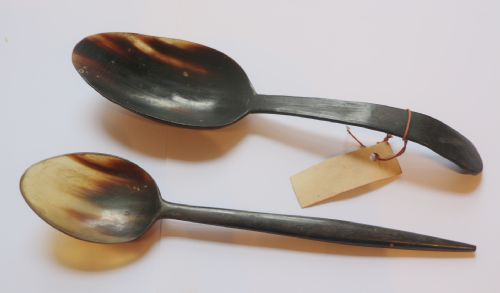
Maker traditions rely heavily on native hardwoods such as oak, fruitwood, sycamore, and yew-wood, shaped through hand carving. Artisans also utilise alternative materials like pewter for utensils, alongside horn and stag horn for specialised spoon forms.
Surface treatment involves wax finishes, polychrome decoration, and engraving to highlight initials, dates, and decorative motifs like vine leaves. Spoon racks incorporate brass or wood fixtures for wall hanging and display.
Some spoons carry hidden hooks, proving that even a humble wooden stirrer needed a proper place to hang around.
Distinctions in quality
Quality separates through the depth and complexity of the hand carving, seen in intricate pierced work and distinct botanical motifs on lovespoons. Well-patinated surfaces resulting from age and handling also elevate an example above simpler items.
Completeness dictates value in display pieces, such as matching spoon racks retaining original pewter trefid spoons. Original painted surfaces and clear, early inscriptions add significant historical weight.
The Traditional Folk Spoon Glossary
- Treen
- Small handmade wooden domestic objects. This term covers items ranging from spoons to bowls carved for everyday household use.
- Trefid Spoon
- An early form of dining spoon featuring a three-lobed terminal handle. These typically appear alongside Georgian oak spoon racks.
- Lovespoon
- A traditionally decorative wooden spoon given as a token of affection. Makers often carved intricate symbols, initials, and dates into the wood.
- Polychrome
- Decorated in multiple colours. This technique appears on specific wax-decorated or painted items within folk art traditions.
Traditional Folk Spoon: Frequently Asked Questions
What is a traditional folk spoon?
These are handmade wooden or horn utensils created across European regions primarily during the eighteenth and nineteenth centuries. They serve as both domestic items and decorative tokens.
Many examples function as lovespoons, bearing carved symbols, dates, and initials, while others form part of matching sets displayed on wall racks.
How were spoon racks used?
Spoon racks provide a wall-mounted storage and display solution for dining utensils in historic domestic settings. They keep pewter or wooden spoons organised and visible.
Many surviving racks come complete with matching sets of pewter trefid spoons, showing how households stored their tableware.
How do I identify a lovespoon?
Lovespoons stand out through elaborate hand-carved details like chained links, intertwined stems, and specific motifs such as vine leaves. Makers often inscribed them with dates and initials.
Unlike dining utensils, these decorative pieces celebrate courtships and betrothals rather than serving food.
What woods were used?
Artisans utilised native hardwoods available in their local regions, including oak, fruitwood, sycamore, and yew-wood. These timbers provide the grain and density needed for fine carving.
Some unusual examples incorporate alternative natural materials like stag horn or cattle horn instead of wood.