



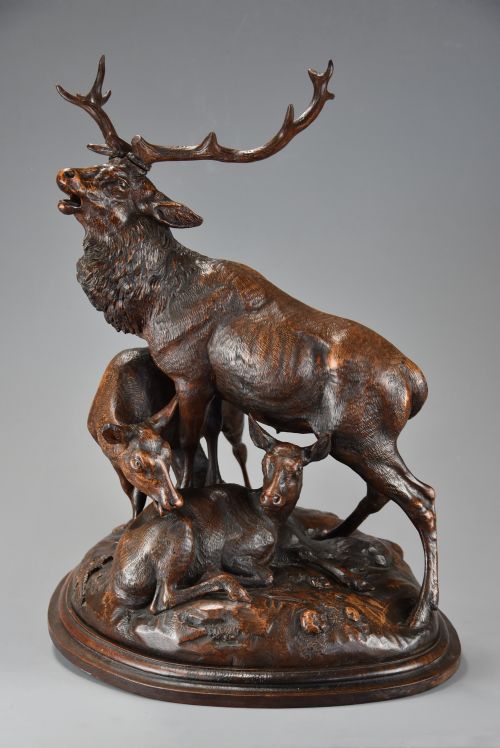


Swiss Carved Wood Animals
Swiss carved wood animals bring the fauna of the Alps indoors through detailed sculpture.

Swiss Carved Wood Animals
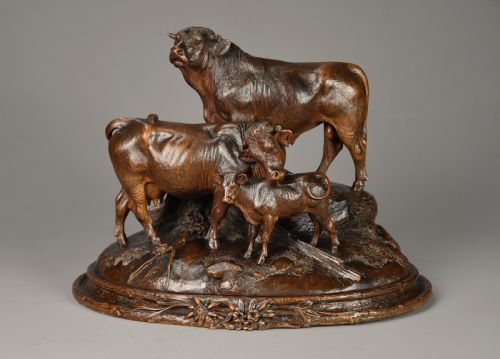
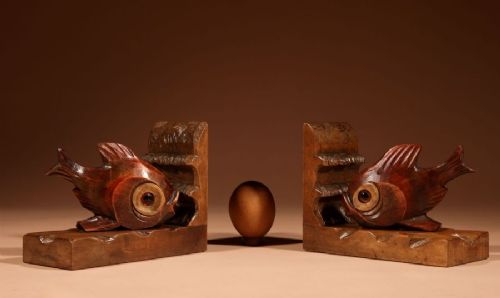
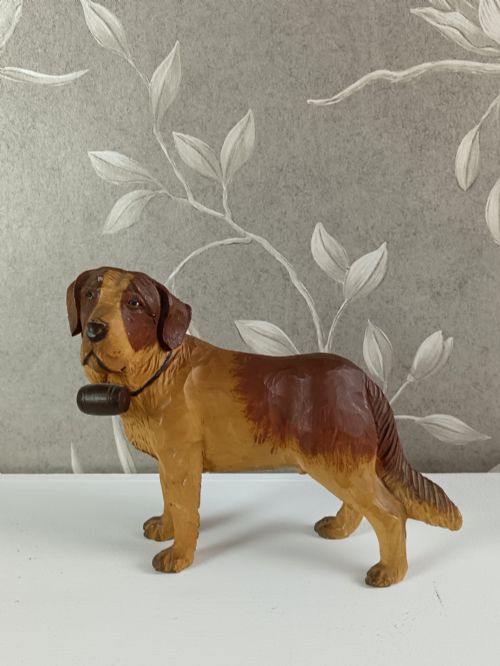
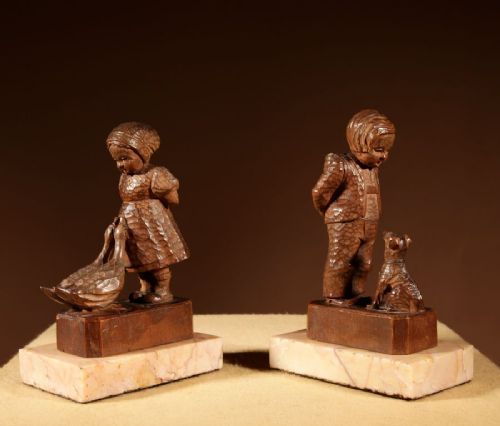
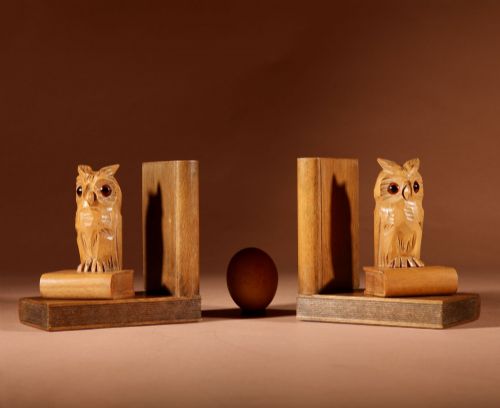
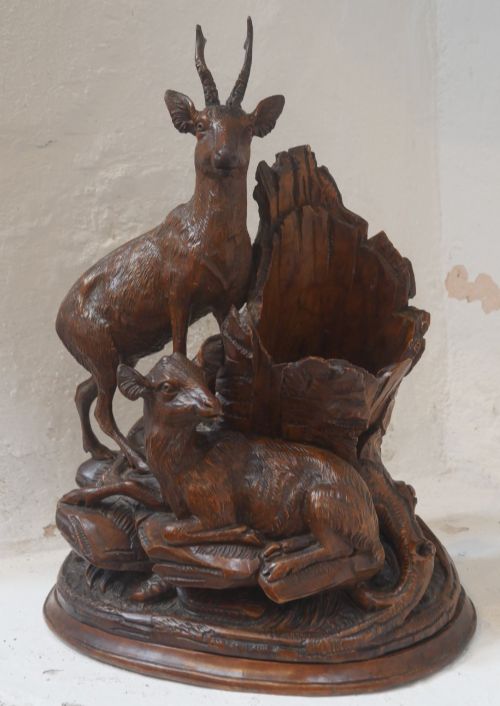
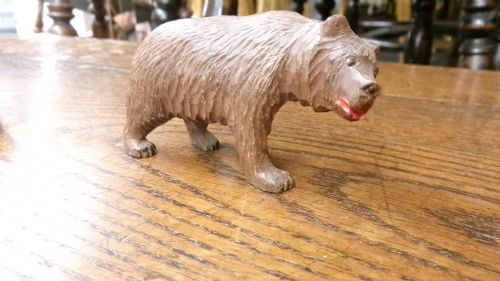
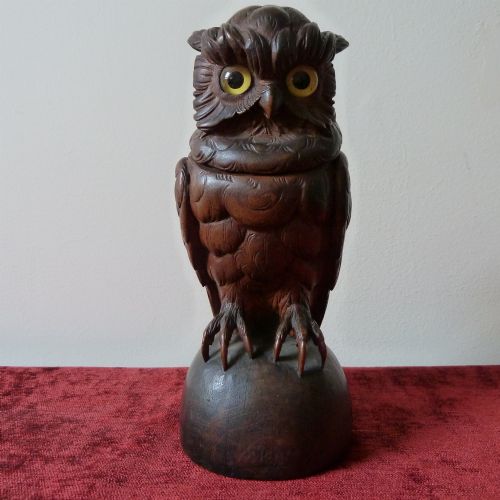
Swiss carved wood animals encompass sculptural representations of wildlife, domestic livestock, and domestic pets rendered within the Black Forest and Alpine Folk Art traditions. Buyers searching this phrase typically encounter bears, cattle, deer, and owls fashioned into standalone figures, bookends, and inkwells.
The objects date from the nineteenth century into the early twentieth century, spanning periods including the Victorian era and the Edwardian period. Formats range from miniature cabinet pieces to large mantel clocks, mirrors, and table lamps.
Materials and technique
Carvers predominantly utilised native timber, specifically linden wood, lime wood, and walnut, selecting fine-grained woods suited to intricate detail work. Some pieces incorporate glass for eyes or metal components for functional items such as inkwells and barometers.
Makers shaped the timber through hand carving, often finishing the surfaces with subtle staining or polishing to highlight the natural grain. Certain works incorporate stud eyes or specific maker stamps to mark individual studio output.
Swiss Carved Wood Animals Retail Price Guide 2026
Typical asking prices for swiss carved wood animals among the pieces listed under this phrase on Sellingantiques today, from the lower quarter to the upper quarter. They describe what is for sale here now, not the wider market.
Current listings feature items in lime wood, linden wood, walnut, and metal across the nineteenth century, Victorian, and Edwardian periods.
Judging quality
Quality rests upon the naturalism of the anatomy and the depth of the carving, distinguishing fluent lifelike musculature from stiff or generic execution. Master carvers captured movement, texture in fur, and character in the expressions of animals.
Scale and ambition separate standard decorative objects from monumental sculptures or complex multi-figure groups. Condition also matters, particularly the preservation of protruding elements like antlers, ears, and paws.
J Huggler
The Swiss Carved Wood Animals Glossary
- Black Forest
- A regional style of wood carving originating in Central Europe, known for realistic depictions of animals and foliage. These works often take the form of practical furnishings like bookends, clocks, and inkwells.
- Alpine Folk Art
- A traditional decorative style reflecting rural mountain culture and domestic craft. Pieces within this tradition focus on local livestock and wildlife.
- Linden Wood
- A pale timber commonly utilised by nineteenth-century carvers for its soft texture and even grain. This wood allows for deep, precise cuts without splitting.
- Desk Tidy
- A functional desk accessory, often incorporating compartments for pens or ink alongside carved animal figures. These items combined utility with decorative appeal in Victorian studies.
- Study
- A detailed artistic rendering of a natural subject, created to capture accurate form and posture. In wood carving, these studies often depict deer, bears, or dogs.
Swiss Carved Wood Animals: Frequently Asked Questions
What animals are most common?
Bears, cattle, deer, and owls appear with the highest frequency across these antique carvings. Carvers also produced dogs, cats, goats, and foxes.
Domestic livestock and forest wildlife reflect the traditional subjects favoured by Swiss and regional carvers during the nineteenth century.
How were these carvings used?
Many pieces served a practical function in the home or office, operating as bookends, inkwells, desk tidies, barometers, and clocks. Others functioned purely as decorative sculptures.
Practical items integrated carved animals directly into utilitarian objects, such as bears supporting bookend brackets or cats positioned on boots.
How do I date a carving?
Dating relies on stylistic markers, material choices, and period contexts spanning the nineteenth century through the early twentieth century. Victorian and Edwardian examples often show specific regional traits.
Makers' marks or stamps, such as those associated with J Huggler, help place individual sculptures within specific workshop timelines.