

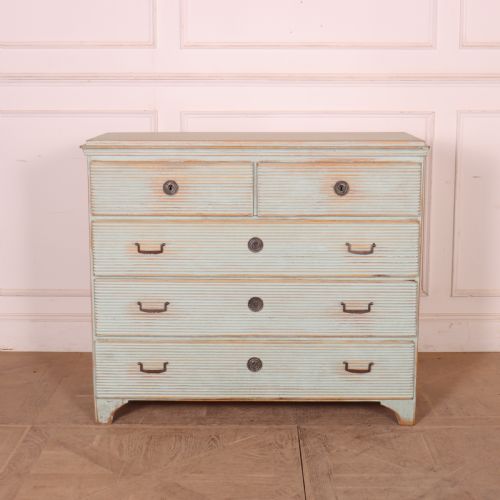


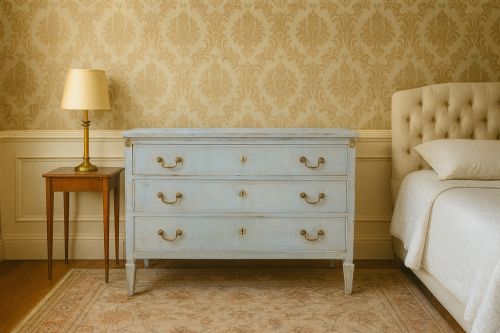

Swedish Pine Chest
A swedish pine chest brings robust utility and calm northern design into a room, offering practical storage wrapped in centuries of craftsmanship.
Swedish Pine Chest
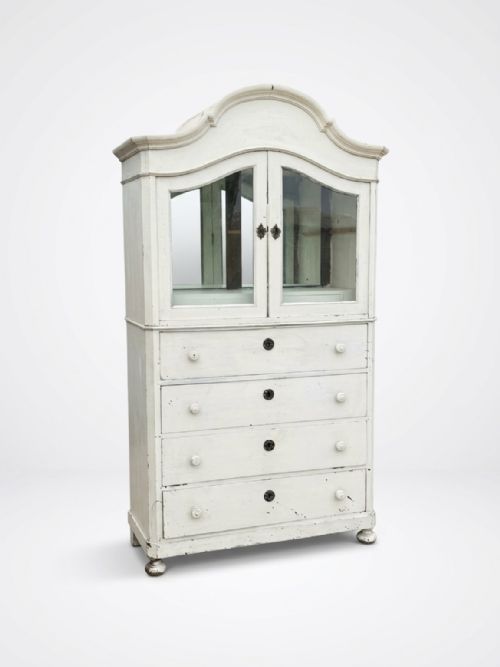
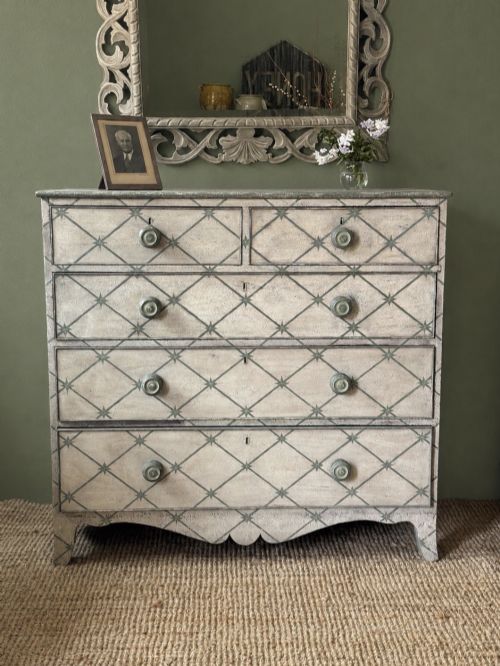
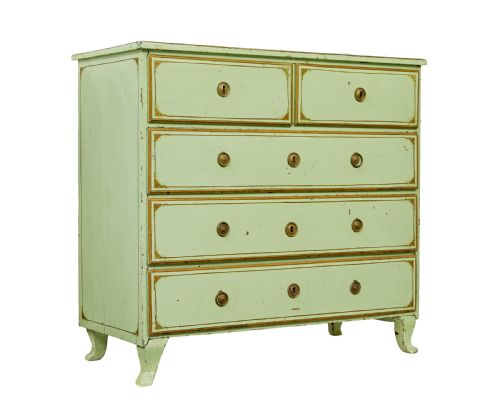
When you search for a swedish pine chest, you encounter storage forms spanning simple blanket boxes and marriage chests to serpentine commodes and drawer units. These pieces originate primarily from the eighteenth and nineteenth centuries, reflecting rural domestic life as well as neoclassical tastes.
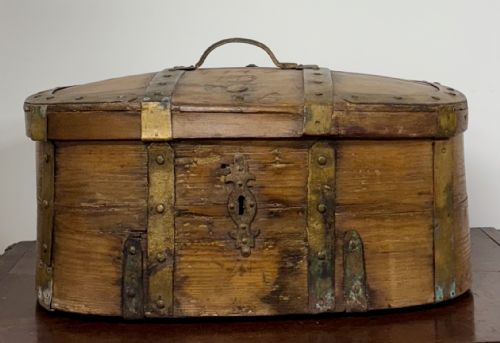
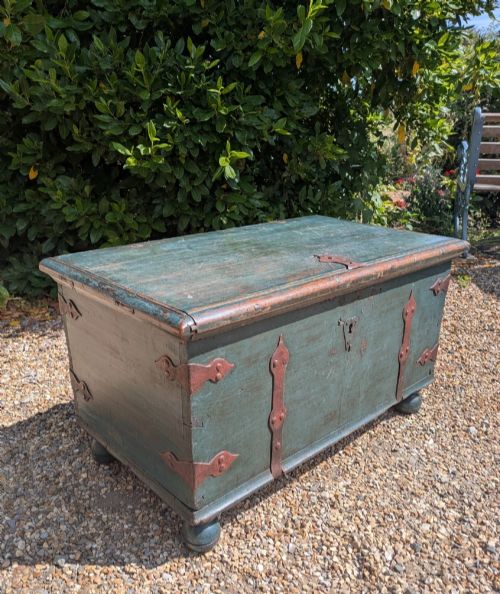
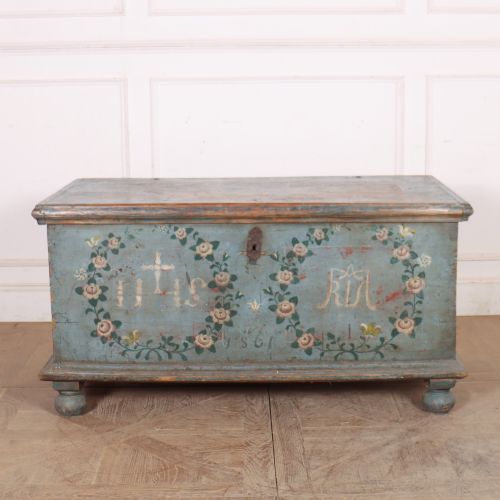
The version you are most likely to meet on this page is a nineteenth-century painted pine chest or strong box, often finished with hand-painted details or folk art motifs. These domestic containers served essential storage functions in Scandinavian homes before finding favour as decorative interior furnishings.
How they were made
Makers utilised native pine as the primary structural timber, shaping boards with hand tools to build robust carcasses and dovetailed corners. Surfaces were frequently treated with layers of paint, ranging from simple green and black finishes to simulated birch and elaborate folk art decoration.
Hardware played a functional and decorative role, with blacksmiths providing hand-forged iron strapwork, hinges, and locks. Brass details occasionally appeared on finer neoclassical commodes, contrasting with the rustic timber and painted surfaces.
Several strong boxes still feature their original heavy iron locks, waiting for a key that vanished generations ago.
What varies in quality
The distinction between standard domestic items and exceptional pieces rests upon the survival of original painted surfaces and decorative finishes. Pieces retaining untouched folk art motifs or early neoclassical paint schemes command greater interest than those stripped to bare wood or heavily refinished.
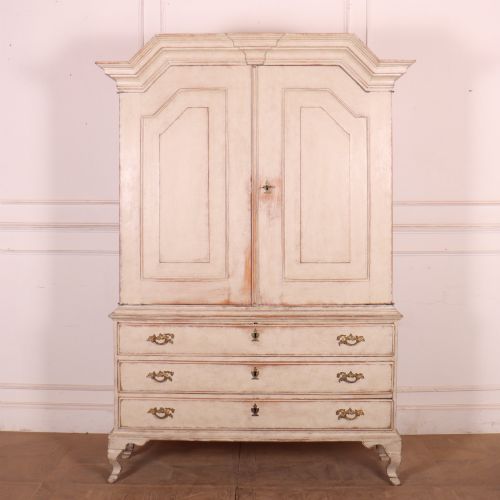
Structural complexity also defines the tier of a piece, separating straightforward plank trunks from sophisticated case furniture with serpentine fronts, fluted drawer details, or bonnet tops. The quality of hand-forged ironwork and the precision of joinery further distinguish regional vernacular work from finer urban workshop production.
Gemla Fabrikers
The Swedish Pine Chest Glossary
- Pine
- A softwood native to northern forests, utilised extensively for Scandinavian furniture due to its availability and workability. It accepts paint finishes readily and forms a durable carcass for domestic storage.
- Strapwork
- Heavy iron bands applied across the exterior of trunks and strong boxes to reinforce corners and joints. These forged elements provide both structural security and decorative contrast.
- Commode
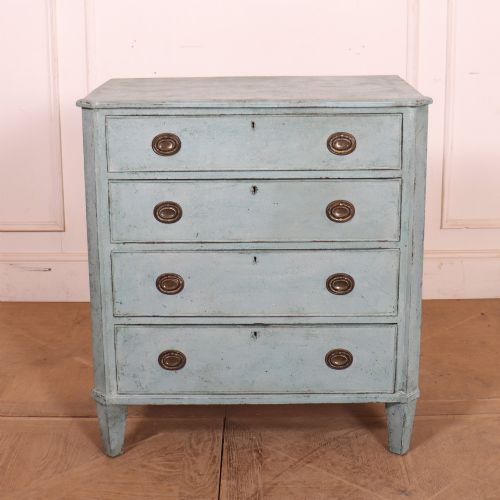
- A low chest of drawers or cabinet originating in continental fashion and adapted within Swedish neoclassical and Gustavian design. These pieces often feature shaped fronts and refined painted decoration.
- Marriage chest
- A specific form of storage box traditionally commissioned or decorated to mark a wedding, frequently inscribed with dates and initials. These pieces often display the most elaborate folk art painting.
- Gustavian
- The Swedish neoclassical style developed during the reign of Gustav III, drawing inspiration from French Louis XVI design. It is characterised by restrained ornamentation, fluted details, and pale painted surfaces.
Swedish Pine Chest: Frequently Asked Questions
What is a swedish pine chest used for?
These pieces served as heavy-duty domestic storage for textiles, blankets, and personal valuables in traditional Scandinavian households. Today, they function as practical living room or bedroom storage that doubles as a strong decorative surface.
Their robust construction makes them suitable for holding everyday items while introducing rustic texture or neoclassical form into contemporary interiors.
How do I date a swedish pine chest?
Dating relies on observing construction methods, hardware styles, and the evolution of painted finishes across the eighteenth and nineteenth centuries. Earlier examples often feature hand-forged iron strapwork and deep dovetailing, while later Victorian-era pieces show more standardised joinery.
Painted surfaces also provide clues, as folk art motifs and neoclassical Gustavian details align with specific decades of Scandinavian design history.
What is a marriage chest?
A marriage chest is a specialised storage box gifted or commissioned to celebrate a wedding, often featuring painted initials and specific dates from the eighteenth or nineteenth century. These items frequently display the highest level of folk art decoration on the page.
Families used them to store the bride's dowry linens and textiles, making them treasured heirlooms passed down through generations.
How do I care for painted pine furniture?
Preserving these pieces requires keeping them away from direct sunlight and maintaining stable indoor humidity to protect the aged timber and historic paint layers. Dusting gently with a dry cloth is sufficient for routine maintenance.
Avoid using harsh modern cleaning chemicals or excessive moisture, which can damage original painted finishes and ironwork.