


Swedish Pine Cabinet
A swedish pine cabinet brings functional storage with distinct regional character into a room, offering practical utility alongside traditional Scandinavian craftsmanship.
Swedish Pine Cabinet
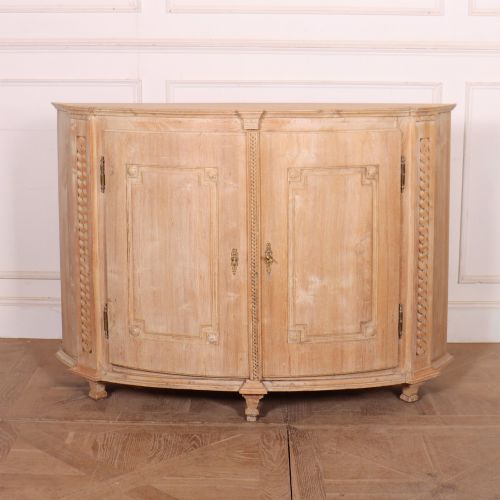
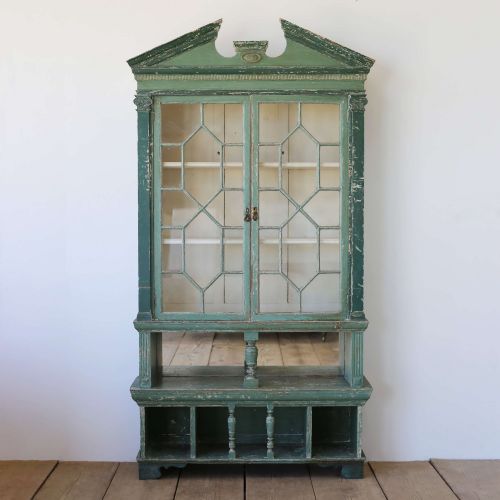
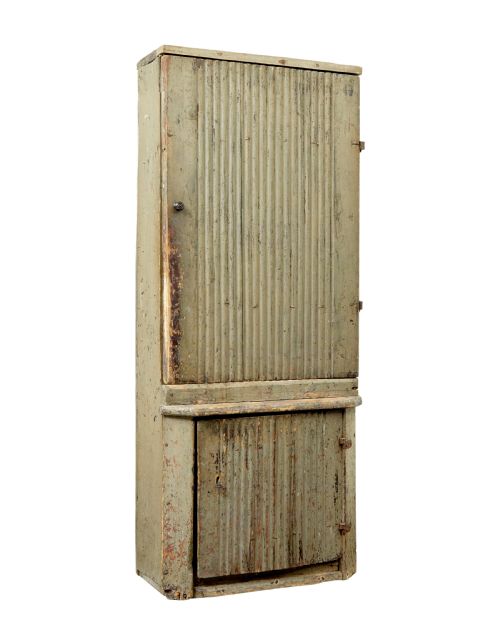
A swedish pine cabinet encompasses a range of domestic storage forms spanning the eighteenth century through to the early twentieth century. These pieces originate from Scandinavian domestic settings, including country houses, farmhouses, and regional dwellings.
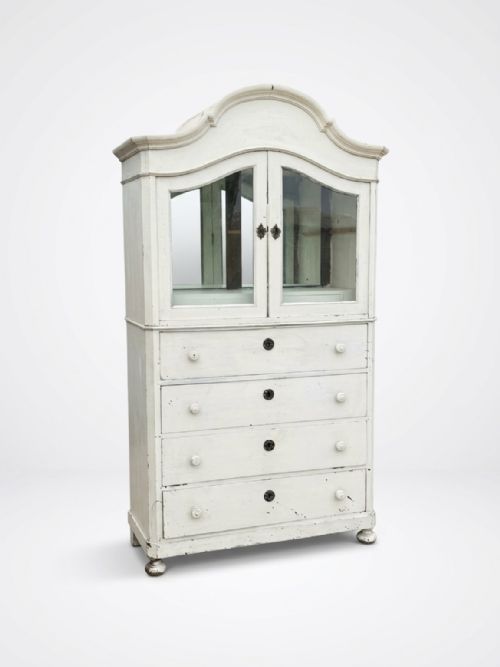
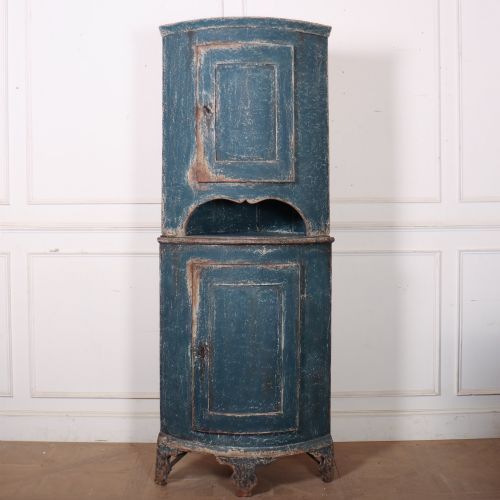
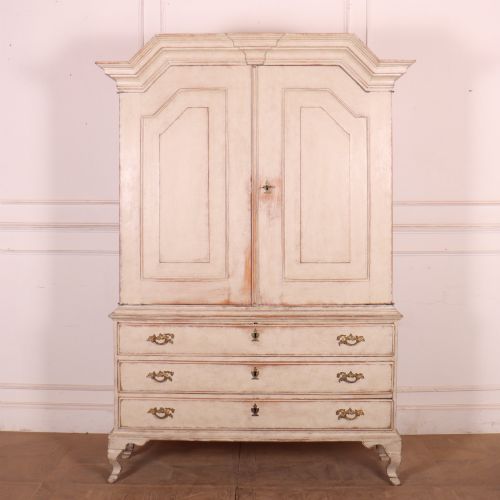
The most common formats encountered on this page include tall linen cupboards, corner cupboards, wall-mounted units, and double-door storage pieces. Regional makers produced these items in various proportions, from narrow wall cabinets to substantial kitchen cupboards and armoires.
Stylistic influences range from Scandinavian Baroque and Gustavian elegance to rustic folk art and country traditions. Pieces frequently combine everyday softwood construction with surface decoration developed in northern European workshops.
Materials and Construction
Constructed primarily from native pine and softwood, these cabinets utilise solid timber boards joined with traditional carpentry techniques suited to locally available materials. Iron and brass hardware such as hinges, latches, and key escutcheons provide functional reinforcement and closure.
Surface treatments define much of the construction character, employing paint, mineral paint, or layered decorative schemes. Many surviving examples retain original painted finishes, scraped surfaces, or traditional ragwork decoration applied over the bare timber.
Listings feature items dated across the eighteenth, nineteenth, and early twentieth centuries, utilising pine, painted wood, iron, and brass.
Evaluation of Quality
Quality in these pieces rests upon the integrity of the original timber construction and the survival of authentic surface finishes. Cabinets retaining untouched early paint layers or traditional scraped decoration stand apart from later repainted examples.
Proportion and decorative detail also distinguish individual pieces, with Gustavian models exhibiting refined classical restraint while folk art examples demonstrate distinct regional carving and hand-painted motifs.
The Swedish Pine Cabinet Glossary
- Gustavian
- The Swedish neoclassical style spanning the late eighteenth and early nineteenth centuries, characterised by restrained classical symmetry, muted painted finishes, and understated fluting or carving.
- Ragwork
- A decorative painting technique where rags or cloths are used to apply or manipulate colour on a surface, creating mottled or textured patterns popular in Scandinavian folk furniture.
- Bonnet top
- A curved or arched upper pediment structure found on tall cabinets and cupboards, often associated with eighteenth and nineteenth-century case furniture.
- Softwood
- Timber derived from conifers such as pine, utilised extensively in Scandinavian cabinet making due to regional availability and workability.
- Commode
- A low piece of furniture featuring drawers or doors, used for storage in domestic interiors.
Swedish Pine Cabinet: Frequently Asked Questions
What is a swedish pine cabinet?
A swedish pine cabinet is a piece of domestic storage furniture made in Sweden using native softwood timber. These items range from wall-mounted cupboards to large linen presses and kitchen storage units.
Most examples date from the eighteenth, nineteenth, or early twentieth centuries. They often feature painted surfaces reflecting regional Scandinavian design traditions.
How do I identify a gustavian cabinet?
Gustavian cabinets typically display lighter, neoclassical proportions inspired by French styles of the Louis XVI period but interpreted with Swedish restraint. Look for straight tapered legs, subtle fluting, and pale monochrome or muted painted finishes.
These pieces date from the late eighteenth century onwards and often lack heavy ornamentation in favour of balanced, symmetrical lines.
How should I care for a painted pine cabinet?
Keep painted pine cabinets away from direct sunlight and heat sources to prevent the timber from warping and the paint layers from drying out or flaking. Maintain a stable indoor humidity level.
Dust gently with a dry, soft cloth and avoid chemical cleaning agents or abrasive polishes that might damage historical painted surfaces.
What is ragwork paint?
Ragwork paint is a decorative surface finish where cloths or rags dab, wipe, or roll wet paint over a base coat. This method creates mottled, clouded, or textured visual effects on wooden furniture.
Cabinet makers in Scandinavia utilised this technique to add depth and pattern to plain pine surfaces without expensive graining tools.