



Rustic Wood Island
A rustic wood island brings working history into a kitchen through timber prep tables, robust butchers blocks and repurposed workbenches.
Rustic Wood Island
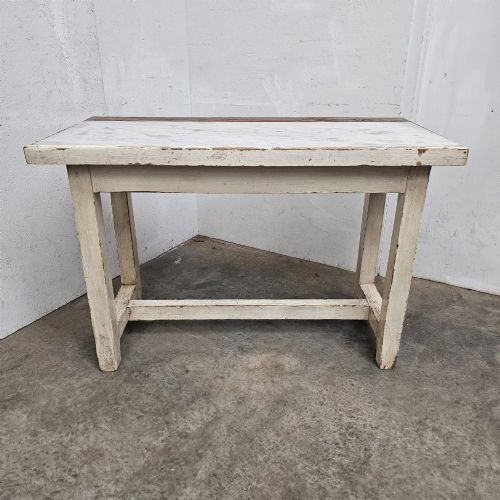
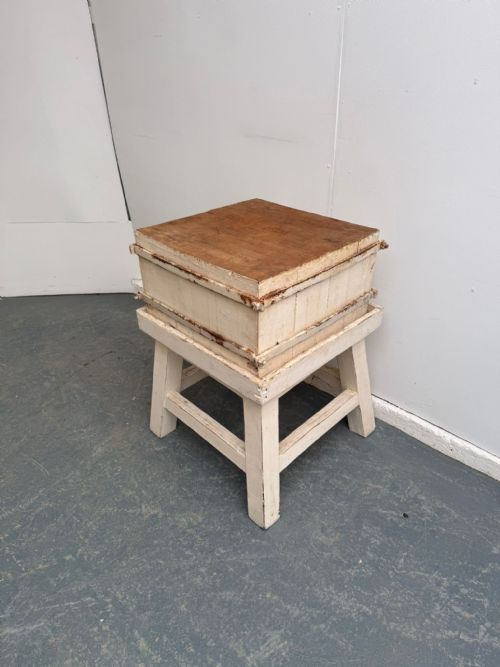
A rustic wood island serves as the hard-working centre of a kitchen, taking the form of prep tables, butchers blocks, drapers tables and workbenches. These pieces emerge from periods spanning the Victorian era through the early twentieth century, carrying the marks of daily utility.
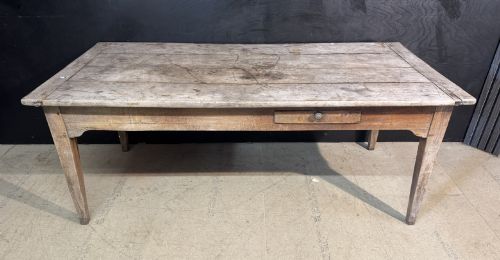
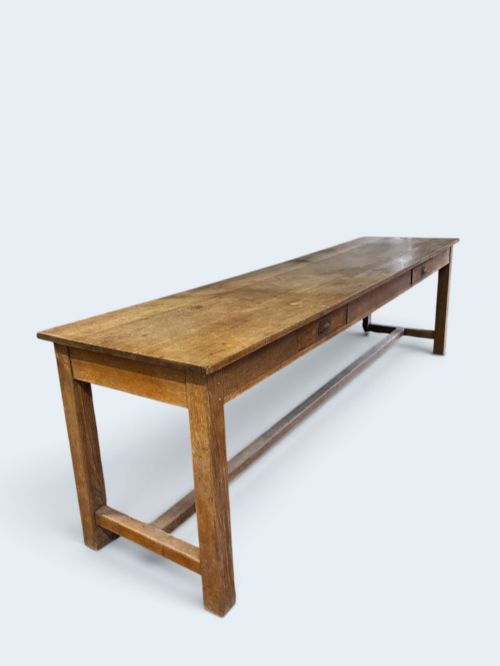
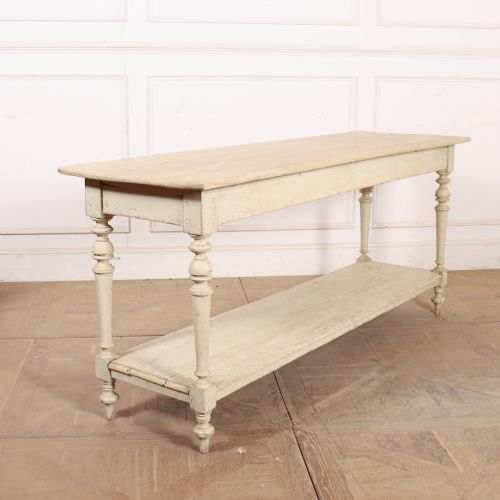
You will most frequently meet French and Swedish examples on this page, often fashioned as painted pot-shelf serving tables, primitive workbenches or bleached oak drapers tables. They combine heavy wooden tops with functional lower shelves, drawers and occasionally integrated vices.
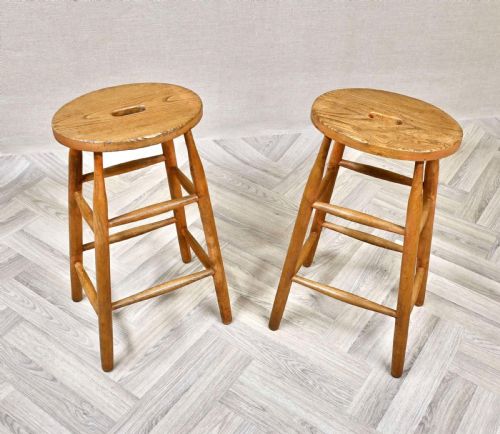
Alongside the primary tables, the selection includes high stools and bar stools designed for practical seating around the work surface. Each piece shows the honest construction of country houses, artisans' workshops and provincial kitchens.
Construction and materials
Makers relied on durable native hardwoods such as oak, elm, beech and pine to withstand heavy daily preparation work. These timbers were joined using robust methods suited to utility furniture that needed to endure constant pressure and movement.
Surfaces often feature thick marble inserts for pastry work, or solid timber chopping blocks mounted on sturdy stands. Iron and brass components, including vices and hardware brackets, provide mechanical strength to the working benches.
Many pieces display layers of original paint, from white finishes to worn colours that reveal the history of the timber underneath. Bleached oak and untreated pine show the natural grain developed through decades of scrubbing and use.
One French artisan workbench arrives complete with its original working vice, ready to clamp down on dinner preparations.
Evaluating quality and character
Quality rests in the integrity of the original timber structure and the honesty of the wear. Pieces that retain their working vices, original pot-shelves or authentic painted surfaces hold greater integrity than those stripped or altered.
The thickness and density of the working top dictate the character of the piece, with dense oak and end-grain blocks showing superior substance. Proportion and scale also matter, as substantial country house tables balance heavy bases with well-proportioned heights.
Trussant & Cie
The Rustic Wood Island Glossary
- Butchers block
- A heavy, thick wooden block designed for meat preparation and chopping. These items often feature end-grain surfaces to absorb the impact of cleavers and knives.
- Drapers table
- A long, narrow utility table historically used in textile shops for measuring cloth. Their generous length and lower shelves make them ideal kitchen preparation surfaces.
- Workbench
- A heavy carpenter or artisan table fitted with a working vice and sturdy legs. In a kitchen, these provide robust prep space with authentic mechanical details.
- Pot-shelf
- An open lower tier built into a serving table or workbench. This shelf historically stored heavy pots, pans and kitchen crocks within easy reach.
- Charcuterie prep table
- A specialised table often featuring a marble top inset into wood. The stone surface provided a cool area for working with meats and pastry.
Rustic Wood Island: Frequently Asked Questions
How do I use a workbench as an island?
A workbench makes an exceptional kitchen island by providing a deep timber surface for food preparation and lower shelving for storage. The integrated vice can remain as a functional clamp or serve as a striking historical detail.
Ensure the height matches your kitchen workflow, adding subtle raisers if necessary. Treat the timber surface with food-safe oils to protect the antique wood from moisture.
Can I use a drapers table for cooking?
Drapers tables offer long, narrow proportions that fit well in galley kitchens or open-plan spaces. Their original purpose for measuring cloth translates easily into generous surface area for serving and assembly.
Protect vulnerable antique pine or painted finishes with glass or careful placement of cutting boards. The open lower shelf is ideal for storing baskets, crockery and cookbooks.
How do I care for an old butchers block?
Old butchers blocks require gentle cleaning with damp cloths and mild soap rather than soaking in water. Regular application of mineral oil keeps the dense timber from drying and splitting.
Embrace the knife scars and deep patination as part of the piece's history rather than sanding them away. These marks record the genuine utility of past kitchens.
What is the difference between French and Swedish pieces?
French pieces often showcase shaped aprons, painted finishes and marble inserts designed for charcuterie and pastry preparation. They lean towards decorative provincial charm alongside heavy utility.
Swedish examples generally favour clean lines, pale pine construction and straightforward industrial joinery. Both traditions prioritize practical form over ornamentation.