




19th Century Workbench
A 19th century workbench is a heavy working surface built for trade and craft, offering sturdy utility and honest patination that suits modern living.
19th Century Workbench
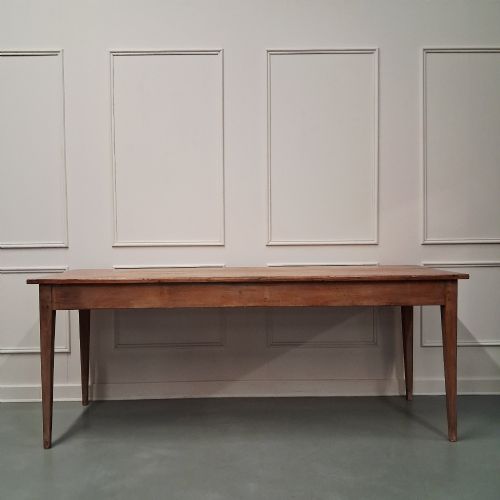
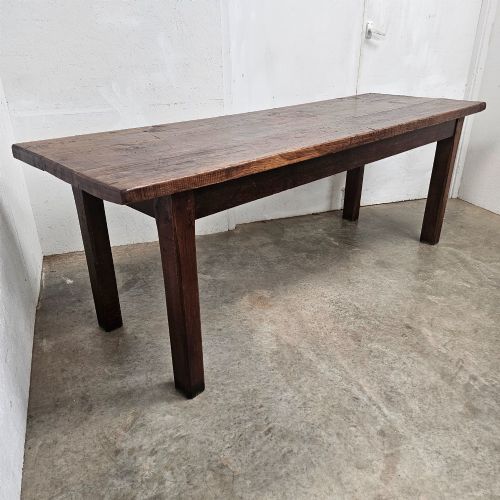
A 19th century workbench encompasses heavy utilitarian tables and specific craft surfaces designed for trades, ranging from watchmakers and jewellers to carpenters and drapers. These pieces were built purely for functional labour in workshops, kitchens, and provincial trade settings.
On this page, the form most frequently encountered is the pine or oak work table, often configured as a trestle table or provincial kitchen preparation surface. These items reflect a lineage of utilitarian service across French, Scandinavian, and English regional traditions.
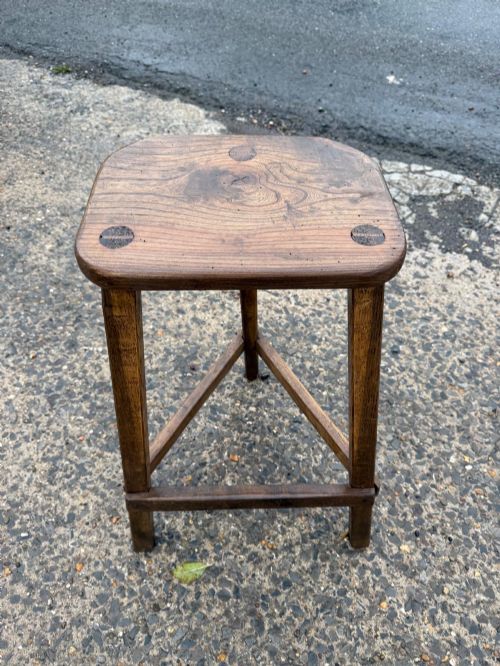
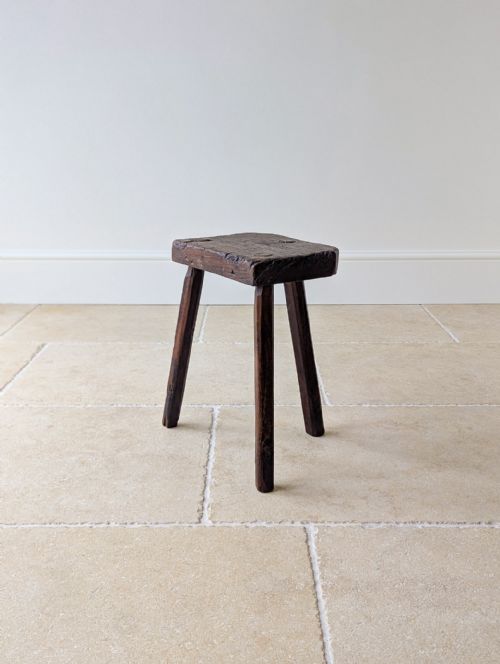
The selection includes related workshop seating and specialised tables such as cobblers benches and watchmakers desks. Each piece retains the marks of its working life, distinguishing it from domestic furniture designed solely for display.
How they were made
Construction relies heavily on robust native timbers such as pine, oak, elm, and poplar, selected for strength and endurance. Tops are frequently thick scrubbed wood or solid planks joined to withstand heavy daily use.
Many surfaces retain traces of original paint or natural scrubbed finishes resulting from decades of scrubbing and wear. Iron components provide structural reinforcement to trestle bases and heavy legs.
Joinery is straightforward and utilitarian, prioritizing stability over ornament. Carpenters utilised straightforward structural methods to ensure the tables could bear intense workshop pressure.
19th Century Workbench Retail Price Guide 2026
Typical asking prices for 19th century workbench among the pieces listed under this phrase on Sellingantiques today, from the lower quarter to the upper quarter. They describe what is for sale here now, not the wider market.
Some benches still whisper secrets of precision trade through tiny jeweler compartments and watchmaker grooves.
What varies in quality
Quality rests in the integrity of the original timber and the depth of patination accumulated through active trade use. Untouched surfaces bearing the genuine scars of a workshop elevate a piece above standard domestic conversions.
Structural proportion and timber selection set the better examples apart, particularly where heavy oak or dense pine has aged evenly. The balance between the base and the thick top dictates the visual weight of the bench.
The 19th Century Workbench Glossary
- Scrubbed top
- A wooden surface cleaned repeatedly with water and a stiff brush, leaving the grain raised and pale. This process creates a clean, matte texture prized in rustic interiors.
- Trestle table
- A table structure consisting of two or more supports connected by a horizontal beam. This design offers maximum legroom and sturdy support for heavy tasks.
- Patina
- The surface sheen and colour developed through age, handling, and wear. It is an indicator of authenticity and historical use.
- Utilitarian
- Designed to be useful or practical rather than attractive. In these pieces, form strictly follows function.
19th Century Workbench: Frequently Asked Questions
What is a 19th century workbench?
A 19th century workbench is a heavy, utilitarian table originally built for manual trades like carpentry, watchmaking, or drapery.
These pieces were designed purely for function, utilising solid timbers and sturdy construction to endure decades of heavy workshop use.
How were these workbenches used?
They served as dedicated surfaces for artisans, craftsmen, and kitchen preparation, enduring rigorous daily tasks.
Over time, their sturdy build made them adaptable for various trade environments, from French provincial workshops to English taverns.
How do I live with a workbench?
Integrating a workbench into a modern home offers a robust surface for dining, kitchen prep, or display.
Their substantial character anchors a room, while their historic patination allows them to blend with both rustic and contemporary settings.
How do I tell periods apart?
Dating relies on timber choice, construction methods, and the specific regional style evident in the legs and top.
Pieces from this era often show distinct French provincial, Scandinavian country, or Victorian utilitarian traits that reflect their origin.