

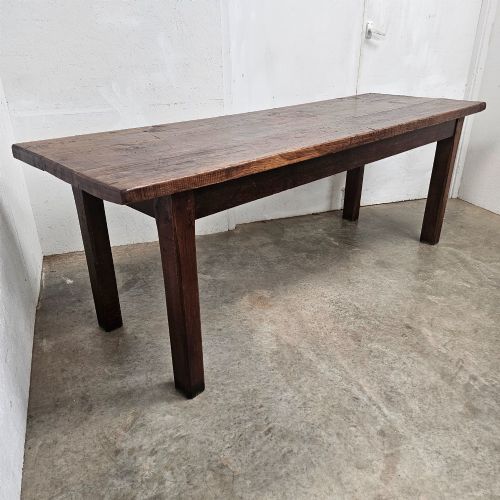
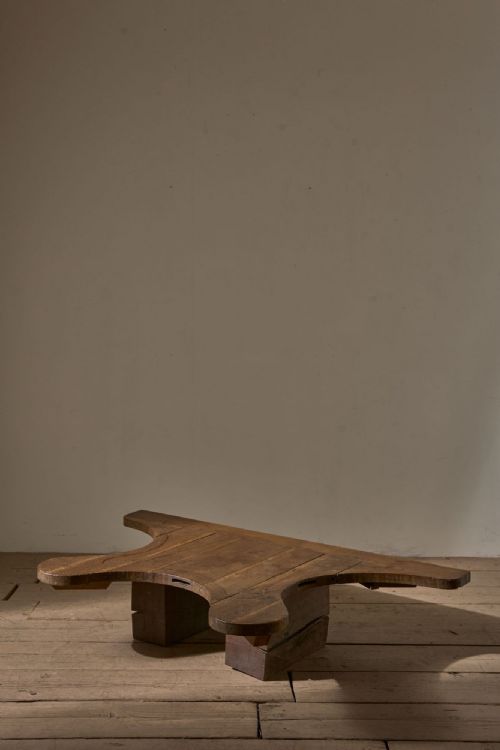


Antique Timber Workbench
An antique timber workbench brings heavy utilitarian purpose into a modern home, offering scarred surfaces and honest construction built for generations of manual labour.
Antique Timber Workbench
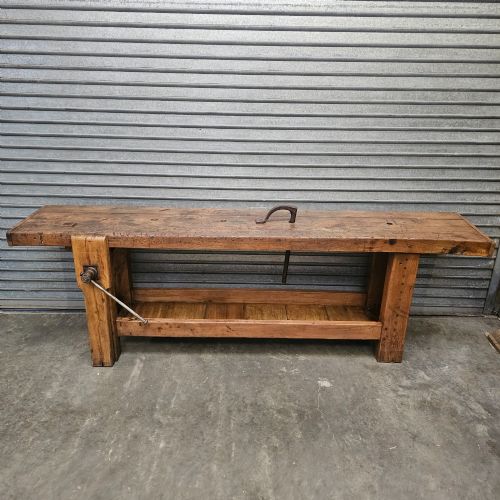
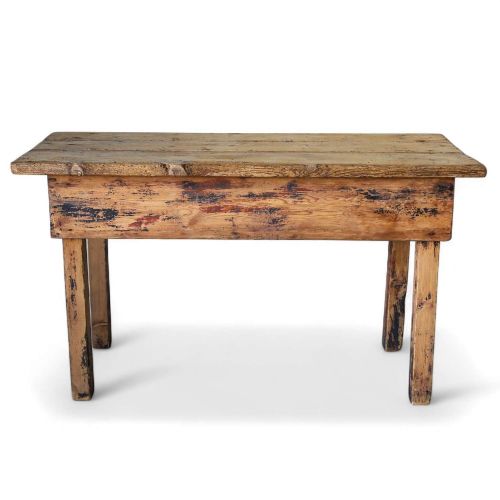
When you search for an antique timber workbench, you are looking at heavy workshop furniture designed for trades such as carpentry, watchmaking, and metalworking. These pieces range from substantial French country house examples to smaller jewellers and artisans benches.
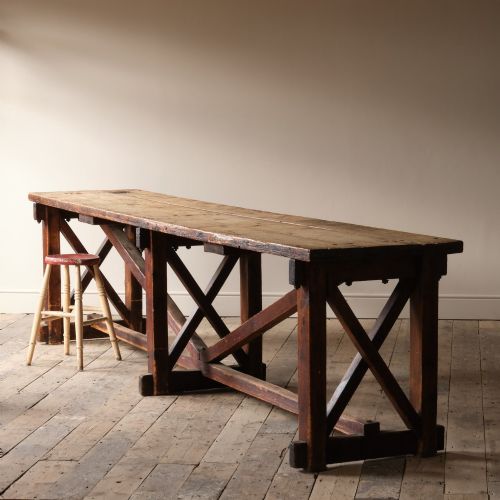
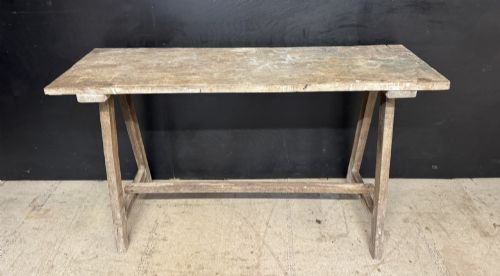
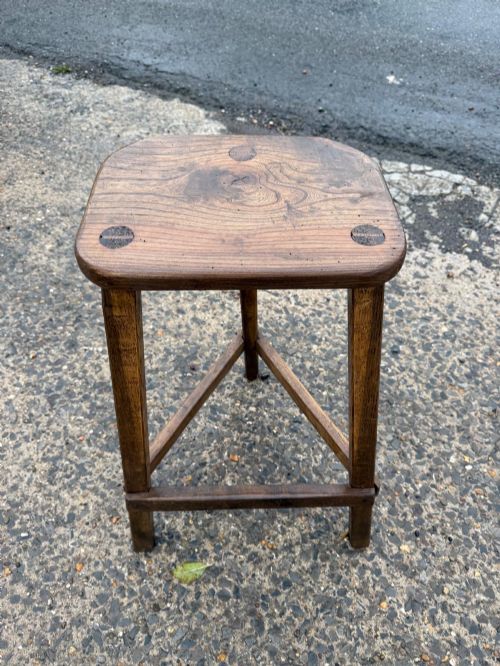
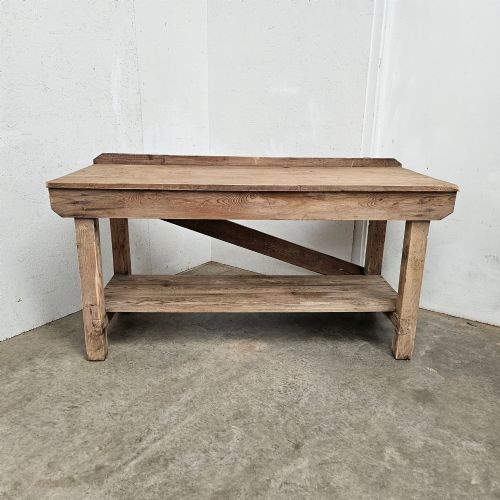
The selections on this page span the nineteenth century and the Edwardian era, incorporating regional farmhouse and provincial designs from England, France, Wales, and Scandinavia. Alongside traditional workbenches, you will find related utilitarian forms including trestle tables, potting tables, and machinist stools.
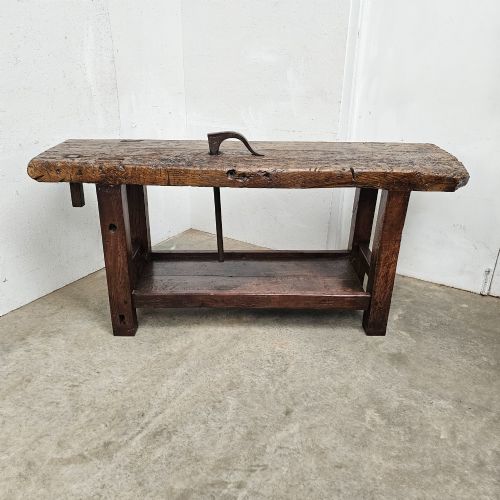
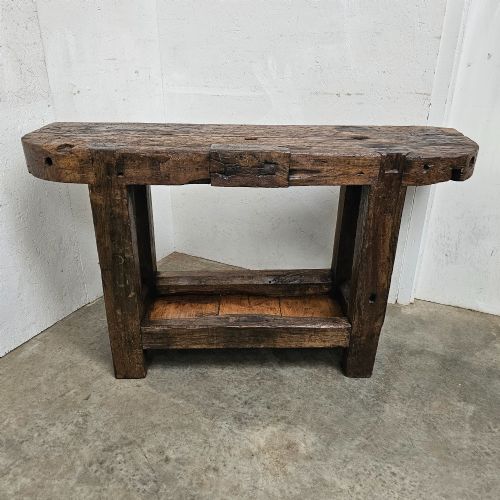
Most pieces show deep surface wear from decades of practical workshop use, retaining integrated vices, clamping bars, and lower shelves. Their solid construction makes them well suited for repurposing as kitchen islands, console tables, or robust dining surfaces.
How they were made
Makers constructed these sturdy tables using dense native timbers like oak, pine, elm, beech, sycamore, and ash, selecting heavy planks capable of withstanding constant hammering and pressure. Tops were often fashioned from thick timber slabs mounted on robust frames with traditional joinery.
Functional iron hardware, including vices, clamping mechanisms, and bracing brackets, was integrated directly into the wooden structure to secure workpieces during manual tasks. Cast iron components also appeared on industrial foundry tables and trestle bases from the Victorian period onwards.
Antique Timber Workbench Retail Price Guide 2026
Typical asking prices for timber workbench among the pieces listed under this phrase on Sellingantiques today, from the lower quarter to the upper quarter. They describe what is for sale here now, not the wider market.
Many surviving watchmakers and jewellers benches retain tiny partitioned drawers originally designed for catching microscopic metal shavings and precious gemstone dust.
What varies in quality
The distinction between ordinary utility items and superior examples lies in the integrity of the timber and the complexity of the mechanism. Benches featuring original wooden vices, integrated clamping bars, and exceptionally thick top slabs command greater appreciation among collectors.
Proportion and scale also dictate the character of the piece, with longer country house formats and rarer specialist trades tables offering distinct architectural presence compared to standard domestic work tables.
The Antique Timber Workbench Glossary
- Clamping bar
- A wooden beam fitted across the workbench surface used to secure materials during sawing or planing. It typically operates via a sliding mechanism or threaded wooden screw.
- Vice
- A mechanical screw device mounted to the side or end of a workbench to hold objects firmly in place. They are forged from iron or carved entirely from dense wood.
- Trestle table
- A table structure consisting of two or more support frames connected by a horizontal beam. This design provides maximum legroom and structural stability for heavy workloads.
- Primitive
- A descriptive term for furniture made with straightforward, rustic techniques without academic stylistic refinement. These objects derive their appeal from honest, unpretentious construction.
- Utilitarian
- Designed primarily for practical use rather than decorative display. Utilitarian furniture prioritises durability and function above all aesthetic considerations.
Antique Timber Workbench: Frequently Asked Questions
Can I use an old workbench in a kitchen?
These heavy timber tables function exceptionally well as kitchen islands or preparation surfaces due to their deep tops and robust build.
Their generous dimensions and scarred surfaces easily accommodate daily culinary tasks while adding historic character to contemporary cooking spaces.
How do I clean a reclaimed workbench surface?
Preserve the historic patina by cleaning the wood gently with mild soap and warm water rather than harsh chemical strippers.
Apply natural beeswax or mineral oil periodically to nourish dry timber without erasing decades of accumulated workshop marks and ink stains.
Are these benches stable enough for daily dining?
Most examples possess substantial frames and thick wooden tops that provide absolute stability for seating and dining use.
Checking the rigidity of the trestle base or leg joints ensures the piece remains level and secure on uneven domestic flooring.
How do I identify the age of a workbench?
Dating relies on examining the tool marks, timber species, and iron hardware integrated into the structure. Nineteenth-century examples often display hand-sawn board edges and forged metal components distinct from later industrial production.