

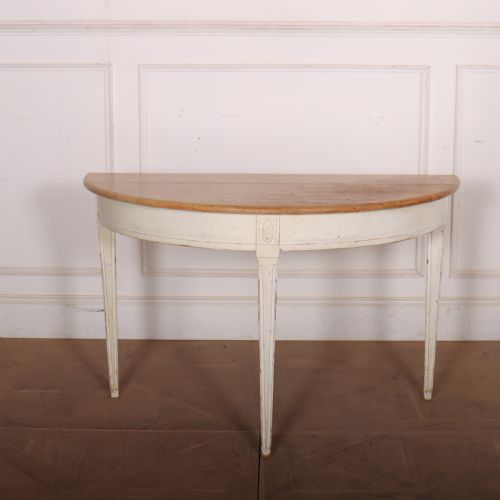


Swedish Painted Table
A swedish painted table brings lightness and functional restraint to a room, offering surface space through painted timber and soft hues.
Swedish Painted Table
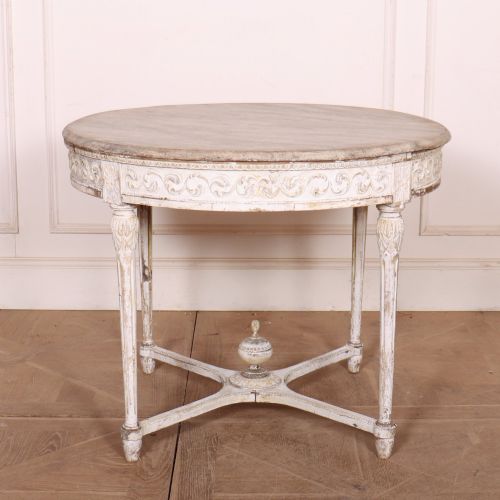
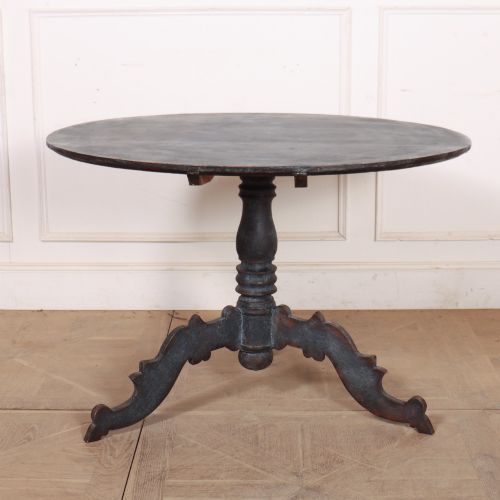
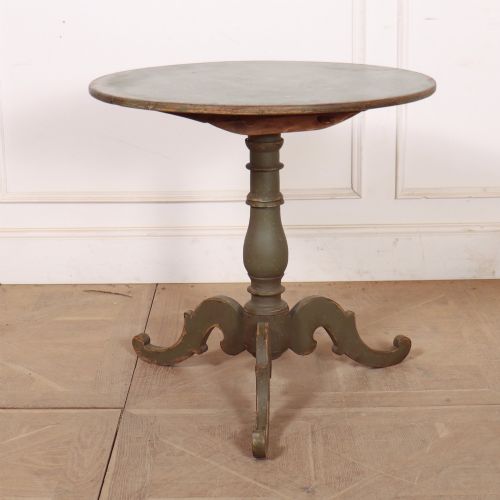
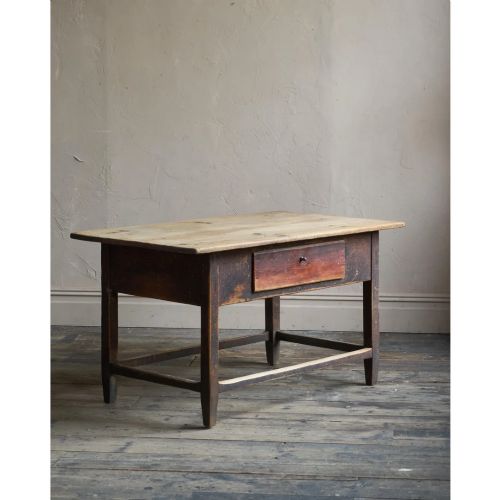
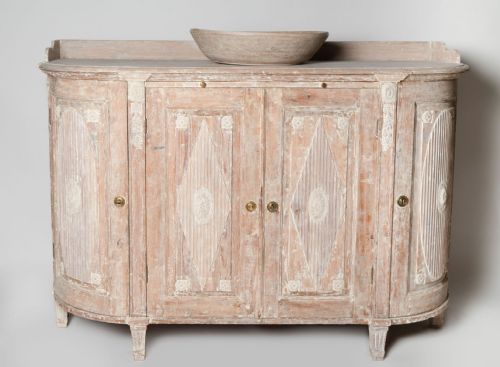
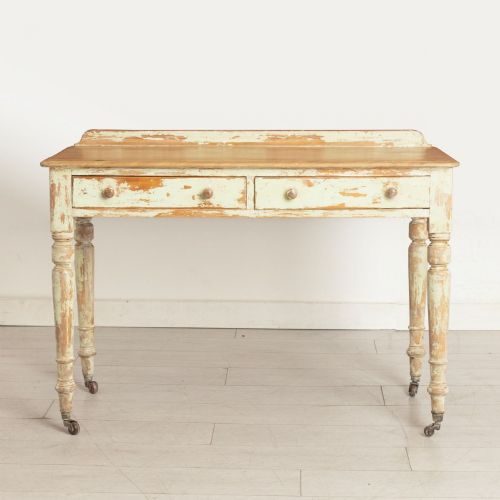
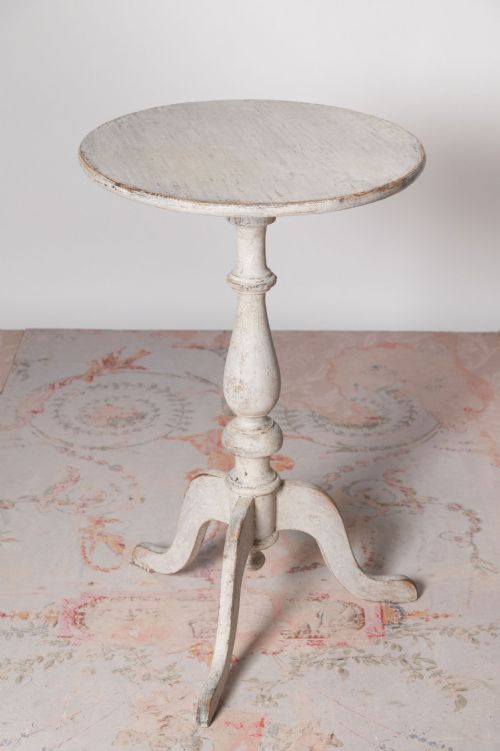
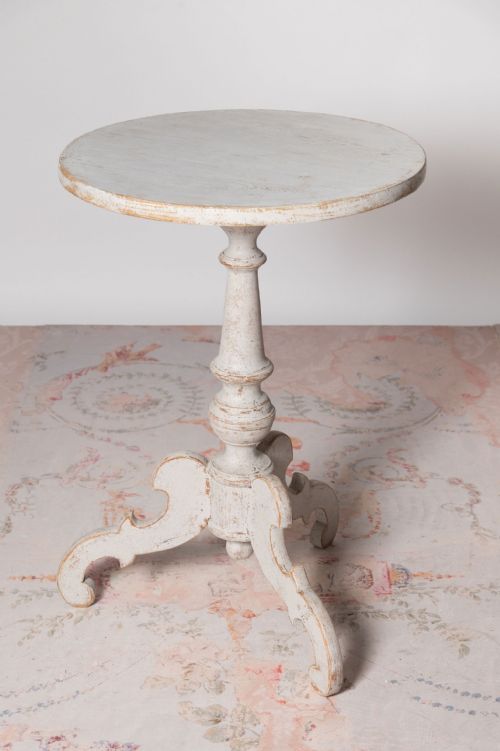
A swedish painted table encompasses a range of domestic forms from the eighteenth to the twentieth century, appearing as lamp tables, console tables, dining tables, and writing desks. These pieces originate from northern domestic traditions spanning Scandinavian country, Gustavian, and folk art styles.
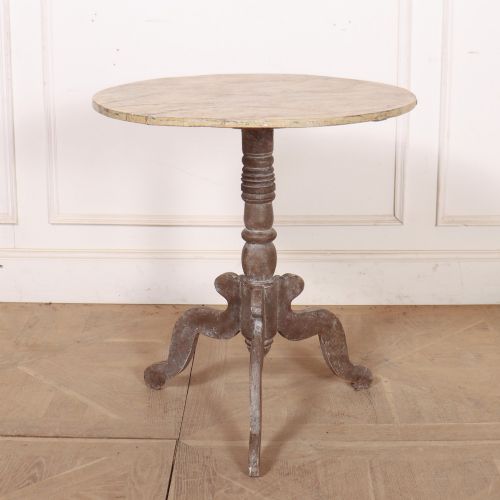
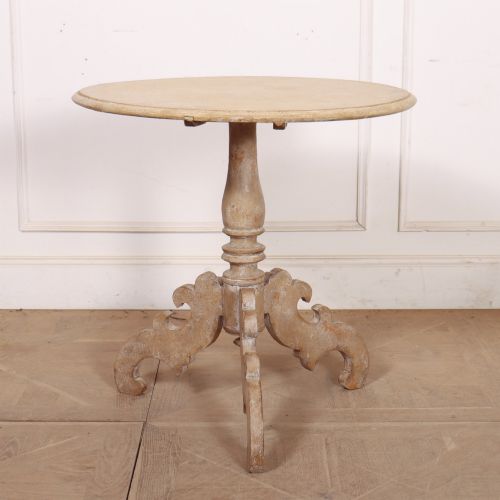
Lamp tables and console tables represent the most common encounters on this page, often built with tripod bases, box stretchers, or demi-lune shapes. Dining tables and larger drop-leaf gateleg or slagbord formats also appear alongside bedside tables and writing desks.
The aesthetic vocabulary draws on regional interpretations of neoclassical and rustic design, shifting between formal Gustavian symmetry and simpler Scandinavian country or folk-made execution. Pine and softwood form the structural core of these domestic objects.
Materials and Technique
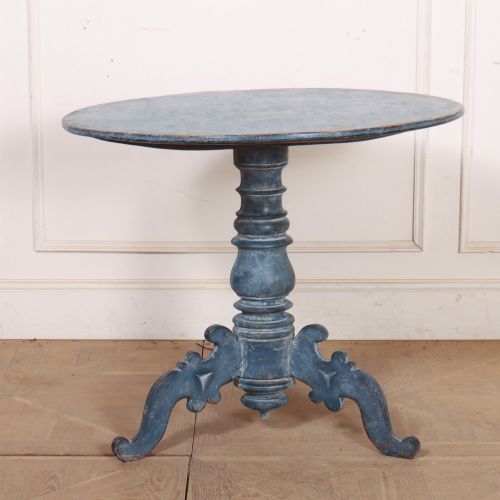
Makers relied primarily on pine, softwood, and birch as the structural timbers for these domestic items, building tables to withstand daily use. Surfaces received layers of oil or water-based paint, sometimes utilising regional formulations like Falu paint for durability.
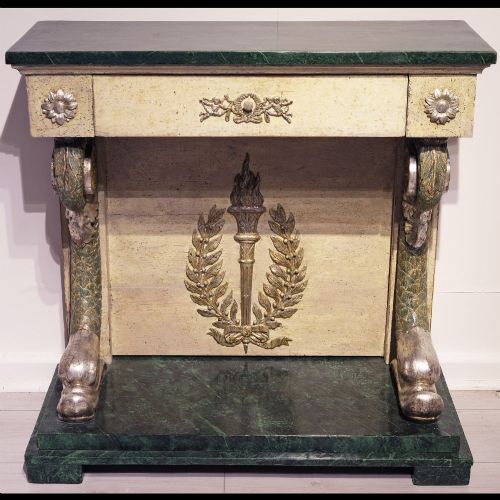
Decorative treatment often involved hand-painted finishes, ranging from solid monochrome coats to faux marble tops and subtle folk decoration. Brass fittings occasionally appear on drawers and writing compartments to complement the painted timber.
A surprising number of these hardworking tables managed to survive centuries of household life while wearing cheery faux marble jackets.
Proportion and Surface
The hierarchy of these tables rests upon the integrity of the painted surface and the survival of original layers rather than later overpainting. Untouched pigment and natural wear reveal the age and historical context of the piece more clearly than a restored finish.
Proportion and joinery dictate the distinction between simpler vernacular items and higher-status Gustavian pieces. Refined carved details, balanced demi-lune curves, and well-executed turning on legs elevate the construction.
The Swedish Painted Table Glossary
- Gustavian
- The Swedish neoclassical style spanning the late eighteenth and early nineteenth centuries, characterised by restrained carving, fluted legs, and pale monochrome paint.
- Demi-lune
- A half-moon shape common in console and side tables designed to sit flush against a wall.
- Slagbord
- A traditional Scandinavian dropleaf dining table supported by swinging legs or gates.
- Falu paint
- A deep red or earthy paint historically harvested from copper mine waste in Sweden, valued for its preservative qualities on timber.
Swedish Painted Table: Frequently Asked Questions
What rooms suit a Swedish painted table?
These tables adapt easily to hallways, living rooms, and bedrooms depending on the specific form chosen.
Smaller lamp tables and demi-lune consoles fit narrow circulation spaces, while drop-leaf dining tables and writing desks serve primary function in principal rooms.
How do I identify original paint?
Original paint surfaces show natural softening of edges, subtle craquelure, and micro-abrasions accumulated over decades of domestic use.
Later overpainting often feels thick and uniform, masking the underlying grain and tool marks of the pine or softwood beneath.
Are these tables suitable for daily dining?
Larger formats such as drop-leaf gateleg tables and extending dining tables accommodate regular use while providing surface area.
Protection from moisture and heat helps preserve the historic painted finishes during everyday meals.
What distinguishes Gustavian from country pieces?
Gustavian pieces reflect courtly neoclassical taste with refined proportions, symmetrical fluting, and formal console shapes.
Country and folk art pieces embrace simpler construction, heavier pine timbers, and more direct, unpretentious painted decoration.