



Swedish Neoclassical Commode
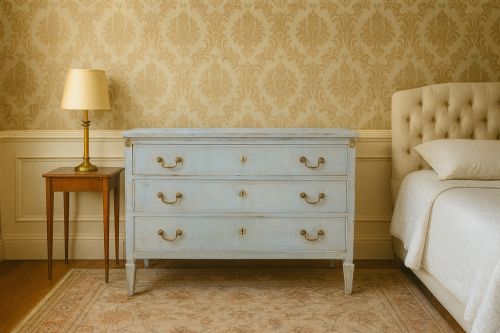
A Swedish neoclassical commode brings calm architectural balance and pale wood tones to a room, offering generous storage with restrained proportions.
Swedish Neoclassical Commode
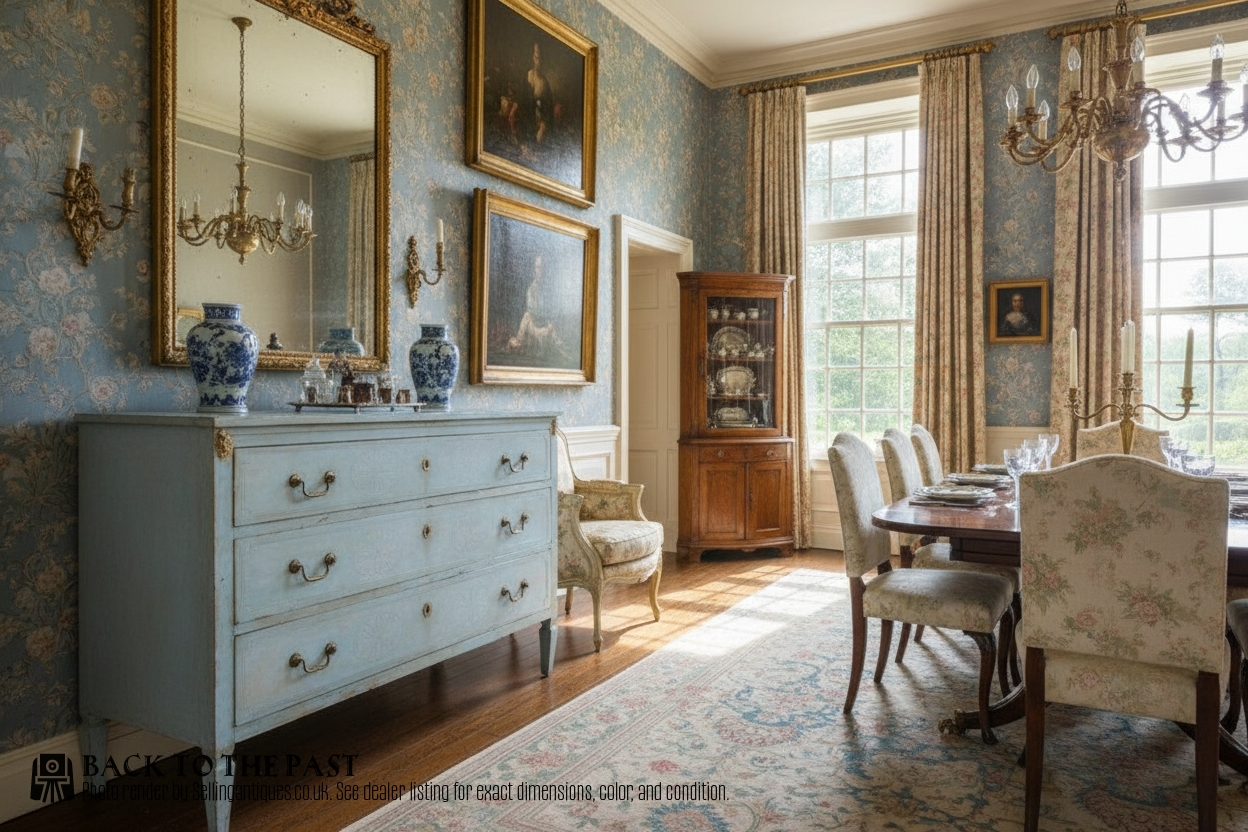
When you search for a swedish neoclassical commode, you encounter substantial storage pieces primarily built as chests of drawers. The examples available on this page span from the eighteenth century into the nineteenth century, capturing a transition from lighter Gustavian aesthetics to heavier revival styles.
You meet painted finishes alongside rich timber surfaces, reflecting both regional Swedish cabinetmaking and broader European neoclassical currents. The dominant forms include straightforward chests of drawers as well as specialised secretaire variations.
Pieces frequently display regional interpretations of classicism, linking eighteenth-century origins with later nineteenth-century revivals. This continuity shapes the specific proportions and decorative schemes you observe across the selection.
Construction and Materials
Makers constructed these carcasses predominantly using pine as a sturdy structural timber, applied with finer surface veneers or solid hardwood elements. Birch and satin birch feature prominently, providing distinctive grain patterns that cabinetmakers enhanced through careful placement.
Painted finishes play a major role in the execution of these pieces, utilising oil or distemper paint over wood. Ebonised wood and metal details or brass mounts occasionally punctuate the surfaces, offering contrast to the lighter painted or birch exteriors.
Swedish Neoclassical Commode Retail Price Guide 2026
Typical asking prices for swedish neoclassical commode among the pieces listed under this phrase on Sellingantiques today, from the lower quarter to the upper quarter. They describe what is for sale here now, not the wider market.
Several commodes hide small internal compartments behind their writing flaps, perfect for storing forgotten love letters.
Factors of Quality
Quality rests upon the crispness of the carving and the fidelity of the neoclassical proportions. Pieces exhibiting well-balanced drawer arrangements and harmonious surface treatments stand apart from simpler iterations.
The choice of primary timber and the execution of the painted or veneered surfaces dictate the visual depth of the object. Superior examples display careful joinery and cohesive decorative integration that elevate the piece beyond a utilitarian storage box.
The Swedish Neoclassical Commode Glossary
- Gustavian
- A Swedish neoclassical style spanning the late eighteenth century characterised by restraint, light colours and classical motifs. It draws inspiration from French and Italian design but adopts a distinctly northern simplicity.
- Biedermeier
- A Central European and Scandinavian style from the nineteenth century focusing on utility, clean lines and warm wood grains. It prioritises domestic comfort and structural clarity over heavy ornamentation.
- Empire Revival
- A nineteenth-century movement looking back to the classical grandeur of the Napoleonic era. Pieces from this period often incorporate bolder architectural elements and darker timbers.
- Satin Birch
- A lustrous timber variety prized for its shimmering grain and light golden hue. Cabinetmakers utilised it to create striking surface patterns on drawer fronts.
- Secretaire
- A cabinet incorporating a writing drawer with a drop-down front and internal compartments. It combines the storage capacity of a chest of drawers with a compact desk function.
Swedish Neoclassical Commode: Frequently Asked Questions
How do I date a painted commode?
Dating relies on examining the construction methods, nail types and timber preparation visible inside the carcass. Paint layers also reveal age through natural wear and oxidation beneath the surface.
Later revival pieces often mimic earlier proportions, so looking at the secondary woods used for drawer linings helps confirm the manufacturing period.
What is the difference between Gustavian and Biedermeier?
Gustavian pieces belong to the late eighteenth century and early nineteenth century, featuring light painted finishes and refined classical detailing. Biedermeier furniture emerged later in the nineteenth century, favouring polished natural wood veneers and unadorned geometric forms.
Both styles share a commitment to proportion, but Gustavian design feels airier while Biedermeier leans towards solid domestic warmth.
Are these commodes suitable for daily bedroom use?
These pieces were originally designed for domestic storage and function reliably as modern bedroom chests of drawers. The deep drawers accommodate clothing and linens easily while maintaining a decorative presence.
Care should be taken with moisture and direct sunlight to protect historic painted surfaces and delicate wood veneers.
How should I clean a painted finish?
Historic painted surfaces require gentle maintenance using a soft, dry cloth to remove dust. Avoid modern chemical sprays and excessive water, which can damage old binder materials.
If deeper cleaning is necessary, consult a specialist conservator to ensure the original pigment and patina remain undisturbed.