




Gustavian Painted Dresser
A gustavian painted dresser brings the restrained elegance of Scandinavian Neoclassicism and regional country traditions into a modern interior.
Gustavian Painted Dresser
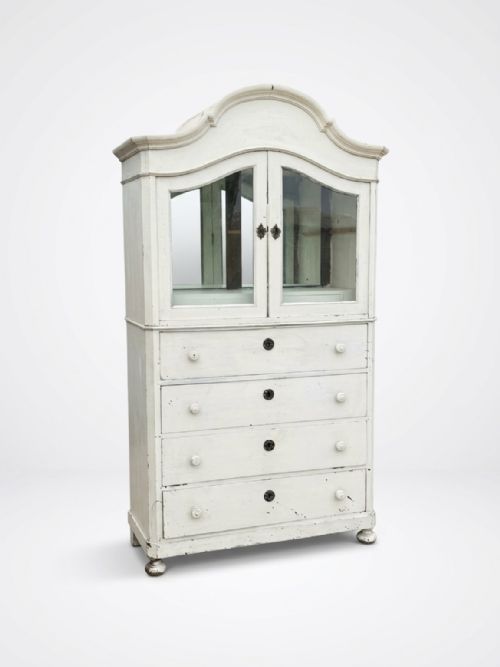
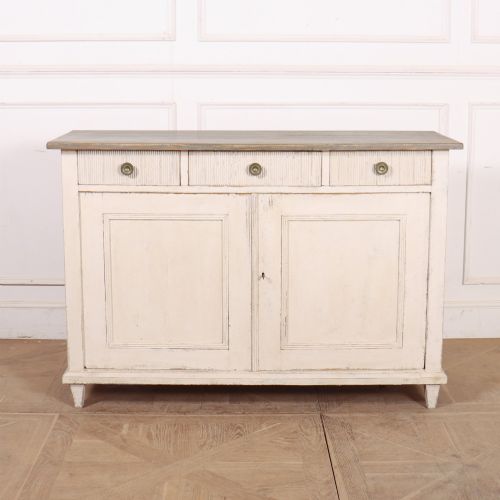
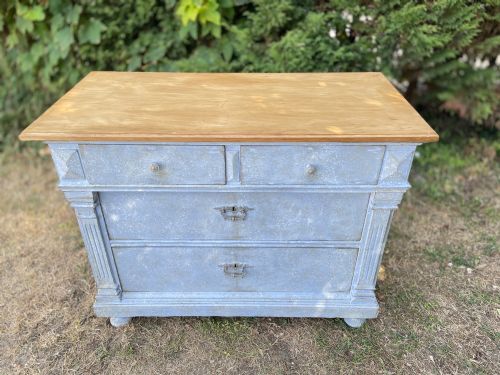
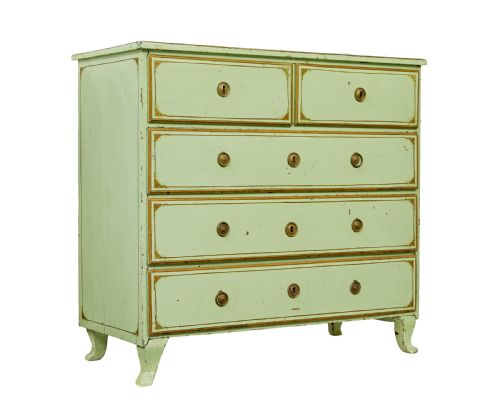
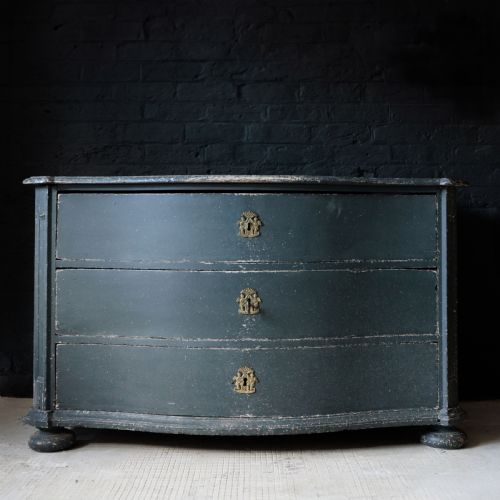
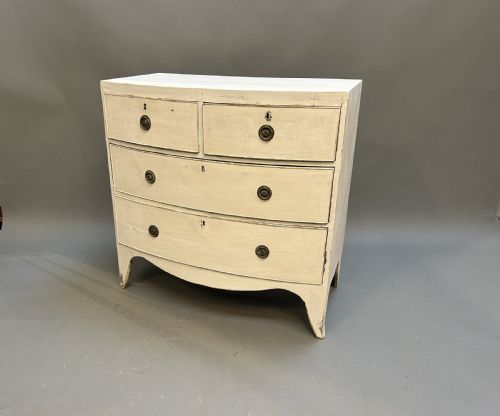
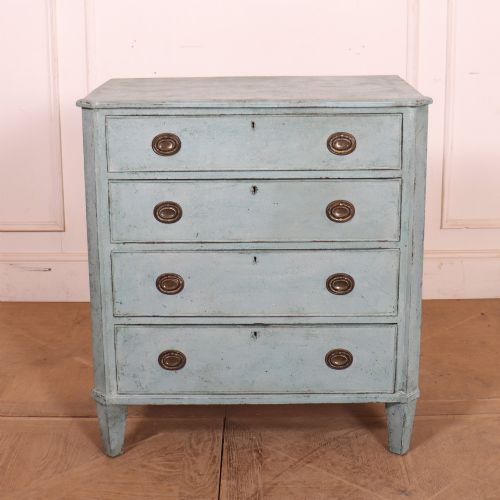
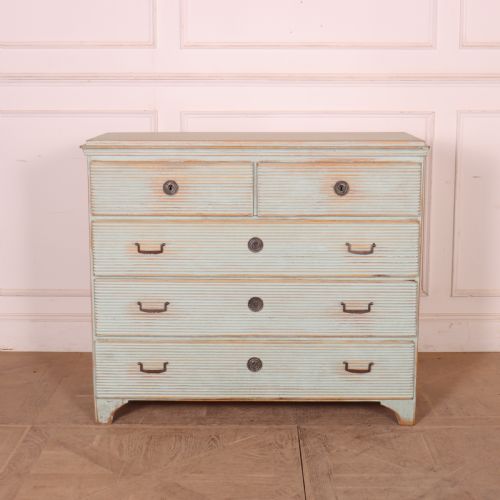
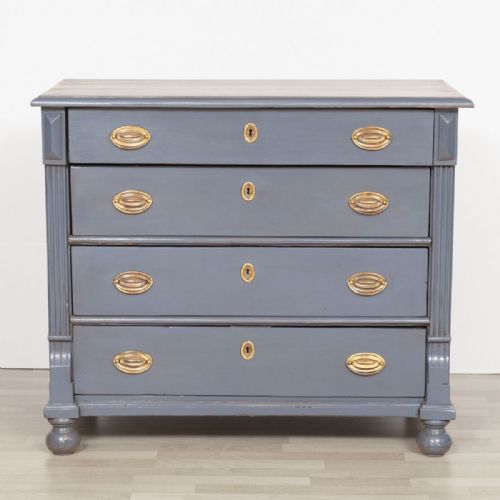
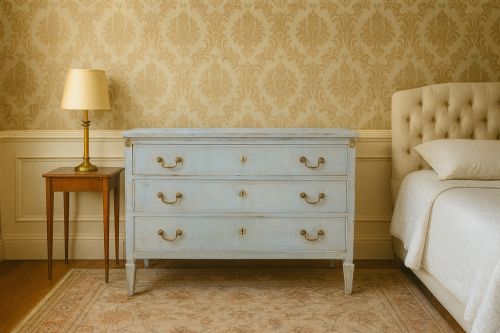
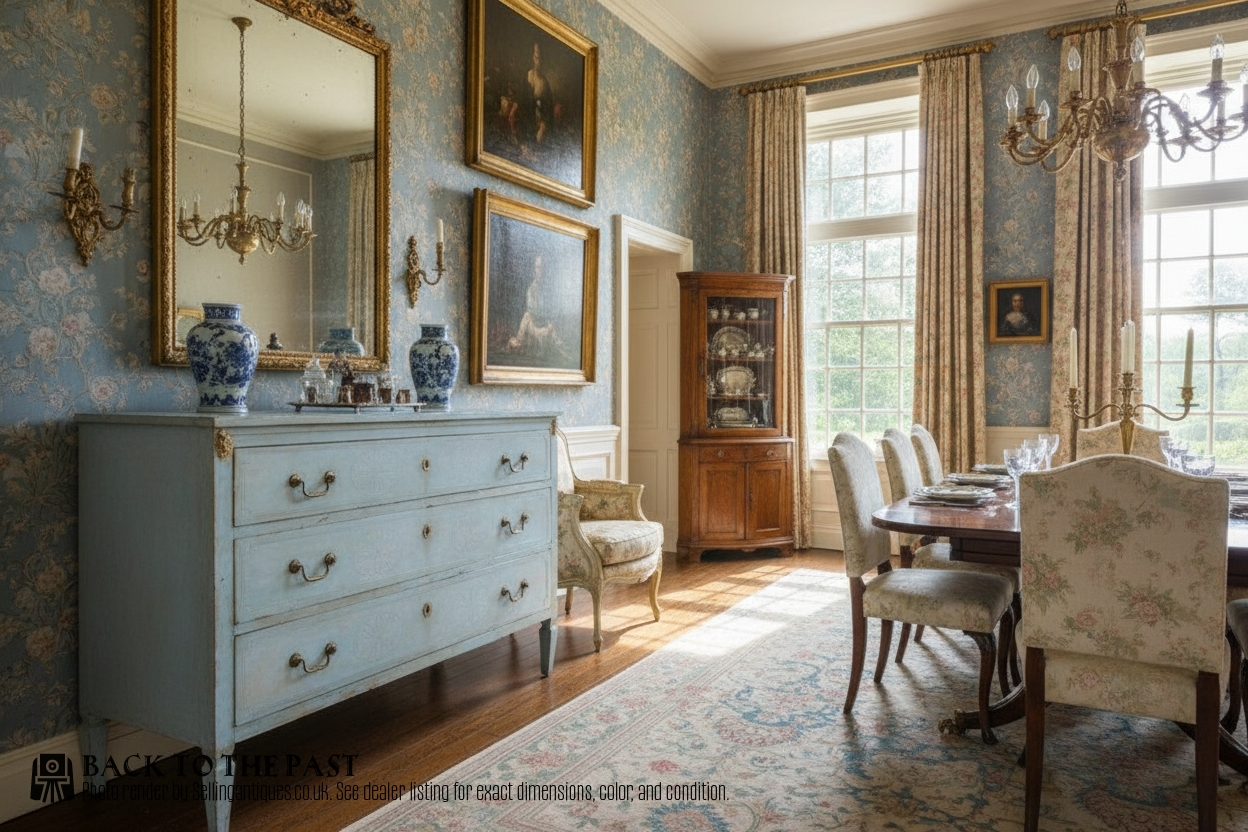
When you search for a gustavian painted dresser, you encounter case furniture rooted in Scandinavian country workshops, alongside related Dutch, French, and Victorian interpretations. The selection leans heavily toward Swedish chests of drawers and commodes, often featuring fluted drawer fronts or serpentine shapes.
Beyond standard chests, the material ranges include taller storage pieces like bonnet top cabinets, kitchen cabinets, and linen cupboards. Many pieces date from the nineteenth century, with select examples reaching back into the eighteenth century.
Materials and Technique
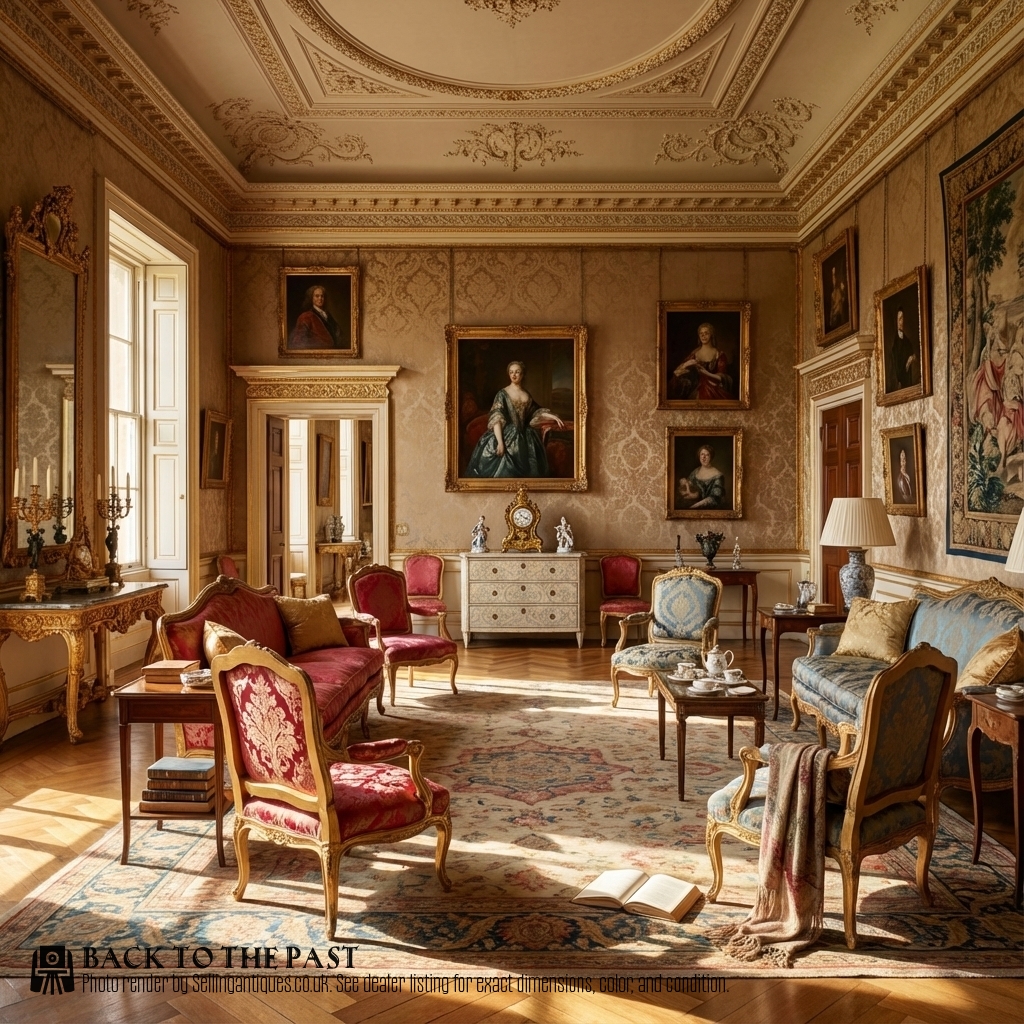
Construction relies primarily on pine and softwood, supplemented by oak, ash, and occasional metal hardware in brass and iron. Wood panels are joined and finished with layered paint surfaces, sometimes scraped to reveal earlier layers or decorated with faux marble tops.
Cabinetmakers shaped surfaces through hand-carved fluting, curved serpentine fronts, and diamond-point detailing. The aesthetic depends heavily on muted painted finishes that soften the underlying timber.
Some chests arrive with faux marble tops, proving that historical householders enjoyed a clever trompe-l'œil just as much as we do.
Evaluating Quality
Quality rests in the integrity of the original painted surface and the crispness of timber details such as fluting or moulded drawer fronts. Pieces with untouched or scraped original paint finishes command greater interest than later, heavier redecorations.
Proportion and structural balance separate standard utilitarian storage from refined cabinet work. Serpentine profiles and finely executed hardware indicate higher workshop standards.
The Gustavian Painted Dresser Glossary
- Commode
- A low chest of drawers, often with decorative fronts and cabriole or tapered legs. These pieces formed a staple of eighteenth and nineteenth-century bedroom and reception room storage.
- Serpentine
- A front contour characterised by a convex centre flanked by concave curves. This flowing shape requires skilled carpentry to execute on drawer fronts and commode frames.
- Gustavian
- The Swedish neoclassical style spanning the late eighteenth and early nineteenth centuries. It reinterprets French louis forms with simpler, lighter proportions and pale painted surfaces.
- Bonnet top
- An arched or hooded upper cabinet design resembling a bonnet. This silhouette appears on tall storage cupboards and cabinets from Scandinavian workshops.
- Fluted
- Decorated with parallel shallow grooves carved vertically into the wood. This classical detail frequently appears on drawer fronts and corner pilasters.
Gustavian Painted Dresser: Frequently Asked Questions
What is a gustavian painted dresser?
A gustavian painted dresser or commode is a storage piece originating largely from Sweden, influenced by neoclassical design. These items combine practical drawer space with pale, muted painted finishes.
They reflect a lighter regional interpretation of European court styles, making them adaptable to contemporary spaces.
How do I date an antique painted chest?
Dating relies on observing construction methods, timber types, and stylistic cues such as hardware and decorative carving. Eighteenth-century examples often feature heavier baroque or early neoclassical lines, while nineteenth-century pieces frequently utilise pine and simpler softwood construction.
Paint analysis also assists, as original scraped surfaces differ visibly from modern decorative painting.
Where were these pieces made?
The listings originate predominantly from Sweden, alongside contributions from Denmark, the Netherlands, and France. Regional workshops produced these items for domestic use in country houses and town residences.
Scandinavian country and French provincial styles heavily influence the design vocabulary.
How do I care for a painted wood surface?
Painted antique furniture requires a stable indoor environment away from direct sunlight and excessive humidity. Dusting with a dry, soft cloth preserves the fragile historic paint layers.
Avoid chemical cleaning products that might lift or soften the original pigments.